Minnie Driver in Emily in Paris: Role, Impact, and Season 4 Performance
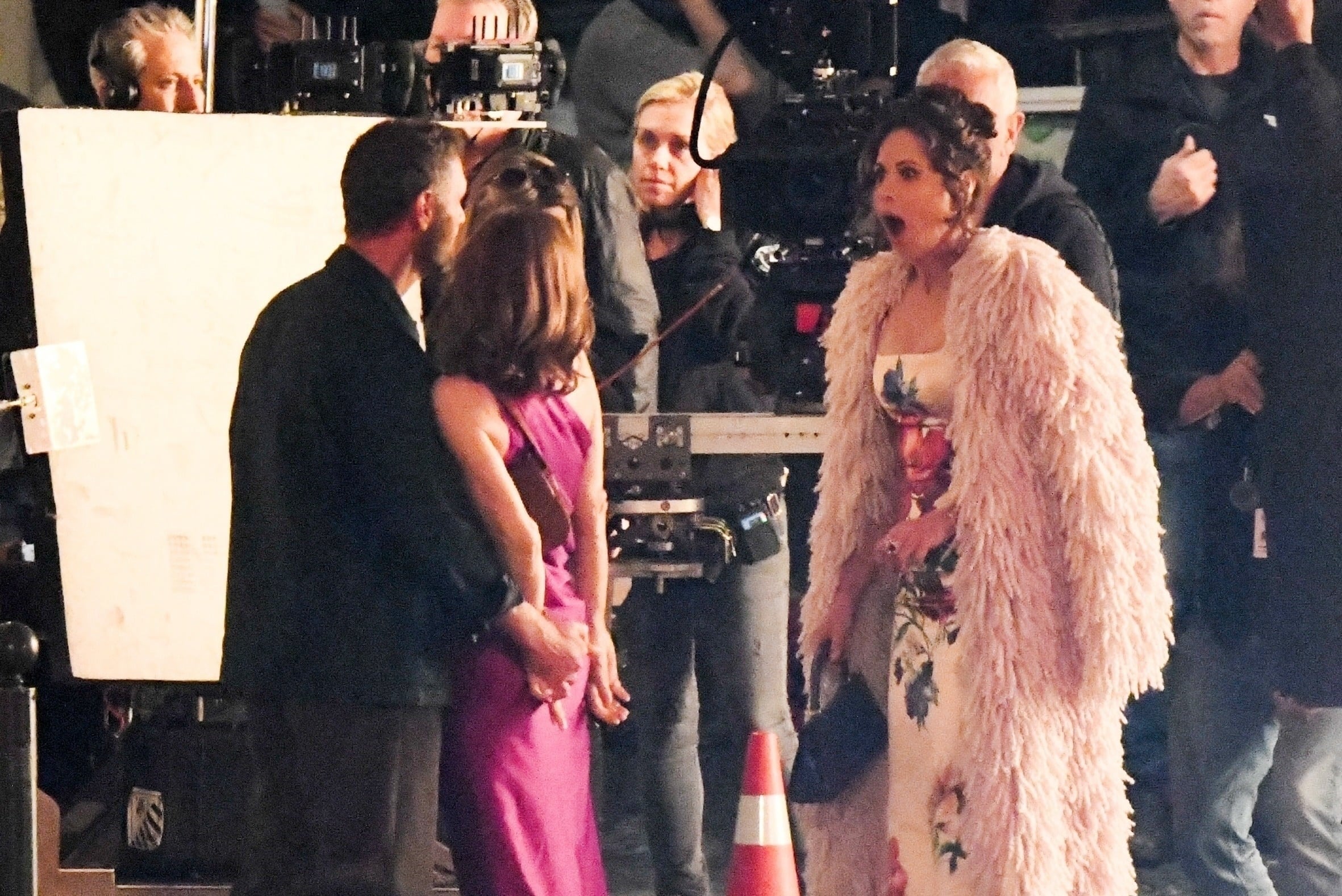
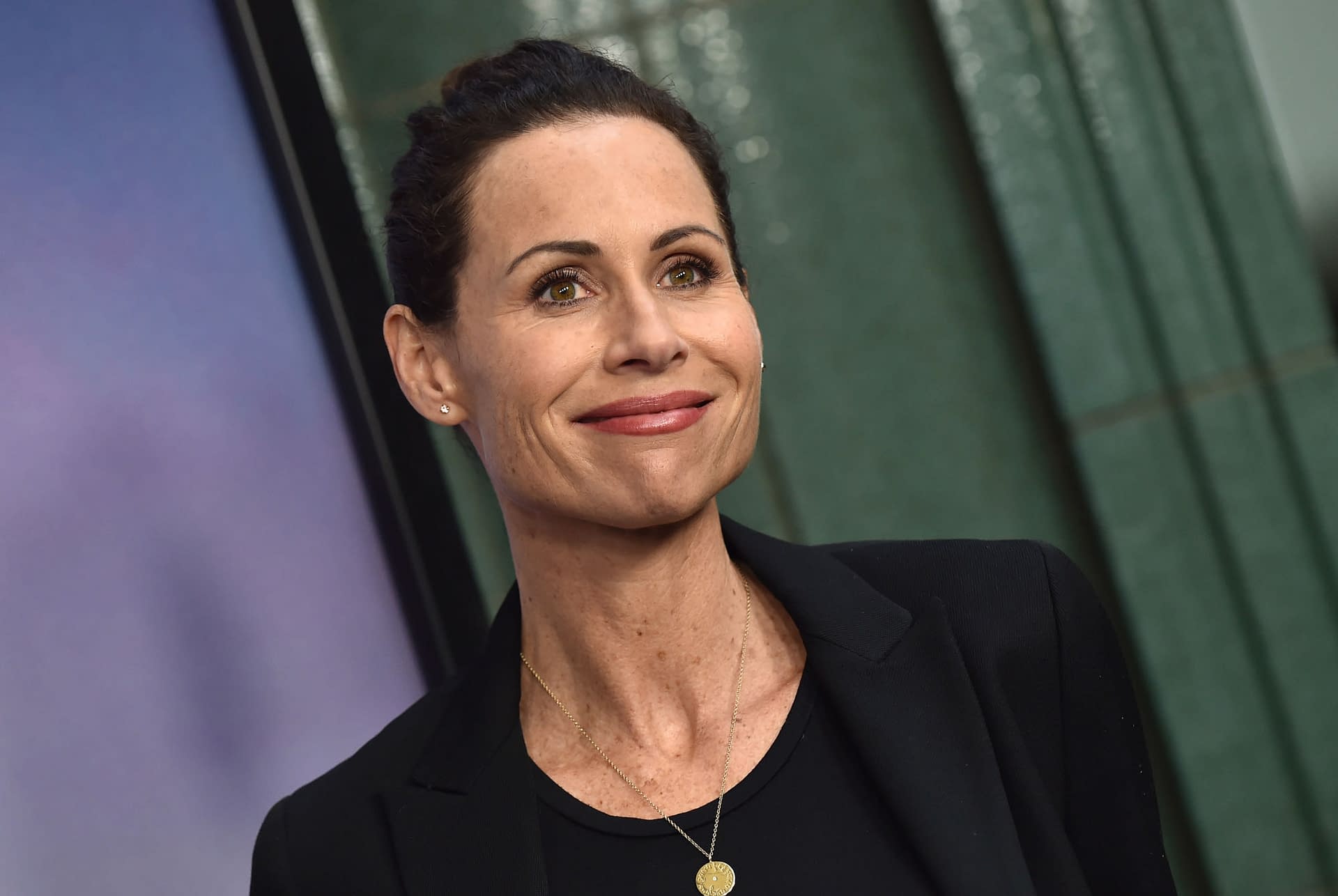
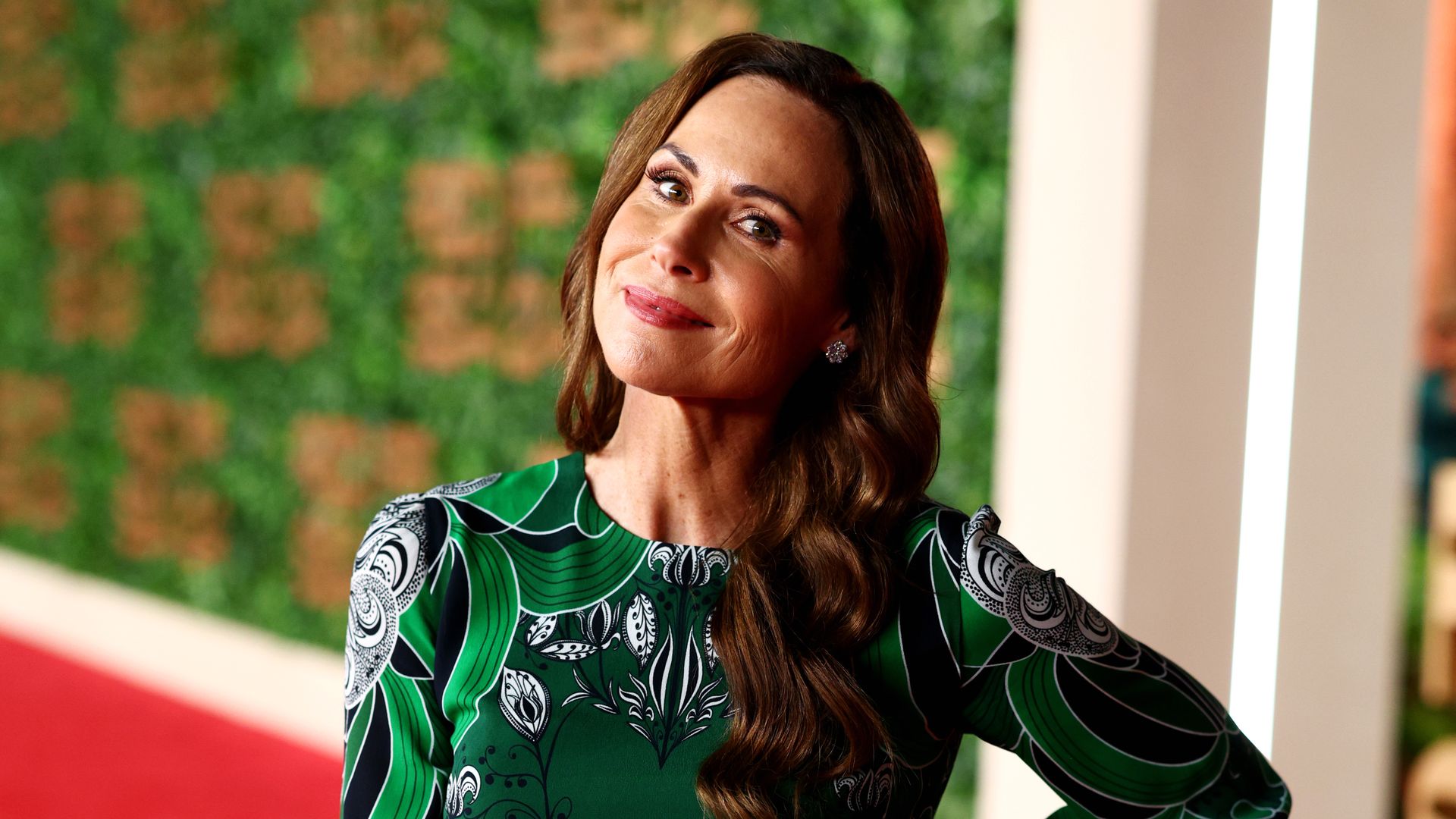
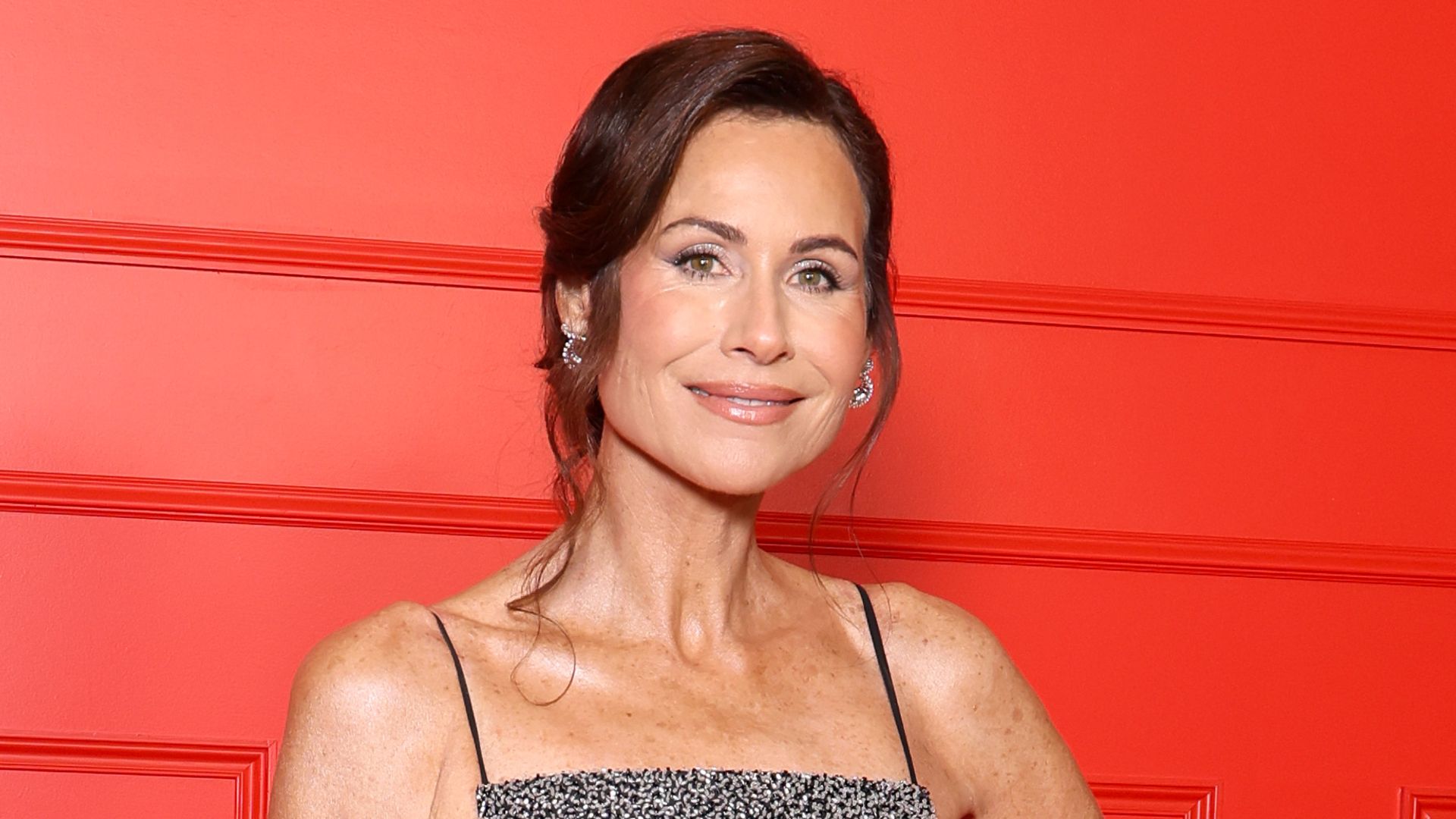
Minnie Driver stars in Season 4 of the hit Netflix series Emily in Paris as Elizabeth Robertson, a powerful and influential British fashion icon. Her character serves as a pivotal figure from Sylvie Grateau’s past, bringing professiona...
Minnie Driver stars in Season 4 of the hit Netflix series Emily in Paris as Elizabeth Robertson, a powerful and influential British fashion icon. Her character serves as a pivotal figure from Sylvie Grateau’s past, bringing professional gravitas and a high-stakes narrative involving corporate accountability to the show’s glamorous fashion landscape.
Contents
The Arrival of Elizabeth Robertson: A New Power Dynamic
When Netflix announced that Academy Award nominee Minnie Driver would join the cast of Emily in Paris for its fourth season, fans and critics alike anticipated a shift in the show’s tone. Driver, known for her versatile career spanning from Good Will Hunting to The Beekeeper, was cast as Elizabeth Robertson, a character who stands as a peer—and sometimes a superior—to the formidable Sylvie Grateau (played by Philippine Leroy-Beaulieu).
Elizabeth Robertson is introduced as a veteran of the fashion industry, possessing a sharp wit and an even sharper professional reputation. Her presence in the series is not merely a cameo; it serves as a bridge between the primary Parisian setting and the broader international fashion community. As the show progressed into 2024 and 2025, the inclusion of seasoned actors like Driver signaled a maturation of the series, moving beyond the "fish-out-of-water" tropes of Emily Cooper’s early days and into the complex, often cutthroat realities of global brand management.
From a narrative standpoint, Elizabeth’s arrival in Paris creates immediate friction. Unlike Emily, who often approaches fashion with wide-eyed optimism, Elizabeth represents the "old guard" of the industry—those who have survived decades of shifting trends and corporate takeovers. Her interactions with Agence Grateau provide a masterclass in professional posturing, offering viewers a deeper look into the history of the characters we have come to know since the show’s inception in 2020.
The Sylvie-Elizabeth Connection: A Shared History
The core of Minnie Driver’s contribution to Emily in Paris lies in her relationship with Sylvie. For three seasons, Sylvie Grateau was established as the ultimate authority in Parisian chic, rarely intimidated and always in control. The introduction of Elizabeth Robertson effectively peels back the layers of Sylvie’s carefully constructed persona.
It is revealed that Sylvie and Elizabeth share a complicated professional history dating back to their early years in the industry. Elizabeth was, in many ways, a mentor or a high-ranking contemporary who witnessed Sylvie’s rise. This backstory adds significant depth to Sylvie’s character, showing that even the most powerful figures in the show were once navigating their own professional hierarchies.
The chemistry between Driver and Leroy-Beaulieu is a highlight of the season. Their scenes are characterized by a "velvet glove" approach to conflict—polite on the surface but laden with subtext and unresolved grievances. This dynamic shifts the focus of the show momentarily from Emily’s romantic entanglements to the more grounded, high-stakes world of female professional alliances and rivalries. By the time the show reached its 2026 standing, this arc remained one of the most cited examples of the series' successful character development.
The Corporate Scandal: JVMA and the Louis de Léon Arc
One of the most significant plot points involving Minnie Driver’s character is the exposure of the misconduct within JVMA, the luxury conglomerate led by the powerful Louis de Léon. Emily in Paris has often been criticized for being "fluff," but the storyline involving Elizabeth Robertson and the allegations against de Léon introduced a necessary element of social commentary, echoing real-world movements regarding ethics in the fashion industry.
Elizabeth Robertson is positioned as one of the few figures with the institutional weight to challenge the status quo. Her involvement in the "whistleblowing" arc regarding Louis de Léon’s past behavior provides the moral backbone for the season. This plotline requires Sylvie to make a difficult choice: protect her business interests and her relationship with the de Léon family, or stand with Elizabeth and the victims of the industry’s toxic culture.
The gravity that Minnie Driver brings to this role is essential for the storyline to land effectively. Without an actress of her caliber, the transition from lighthearted romantic comedy to a serious discussion of workplace harassment might have felt jarring. Instead, Driver’s performance grounds the stakes, making the corporate fallout feel both earned and consequential for the future of Agence Grateau.
Minnie Driver’s Performance and Casting Significance
Casting Minnie Driver was a strategic move by creator Darren Star and the Netflix production team. As the series expanded its scope—eventually moving parts of the production to Rome in Season 4, Part 2—the need for recognizable, "heavyweight" international talent became apparent.
Driver’s performance is marked by a specific type of British authority—erudite, slightly detached, but possessing a hidden reservoir of empathy. This contrasts sharply with the American earnestness of Emily Cooper and the French cynicism of Sylvie. In many ways, Driver’s character serves as the "adult in the room," a necessary foil to the chaotic energy that often surrounds Emily’s marketing campaigns.
The significance of her casting also lies in the show's demographic appeal. While Emily in Paris has always performed well with Gen Z and Millennial audiences, bringing in a seasoned actress like Driver appeals to older demographics who followed her career through the 1990s and 2000s. This "prestige casting" elevates the show’s status, moving it closer to the territory of "prestige dramedy" rather than just a lifestyle procedural.
How Season 4 Redefined the "Emily-verse"
The inclusion of Minnie Driver was a primary indicator of how Season 4 sought to redefine the world Emily Cooper inhabits. By the year 2026, we can look back and see that this season was the tipping point where the show became less about Emily’s personal growth and more about the evolution of the fashion industry itself.
The move toward international collaboration, represented by Elizabeth Robertson, set the stage for the show’s geographic expansion. The narrative threads established during Driver’s tenure—particularly the focus on corporate ethics and the shifting power structures of fashion houses—continued to resonate in subsequent episodes.
Furthermore, Driver’s role highlighted the importance of "legacy" characters. In a show that often focuses on the "new" (new influencers, new trends, new boyfriends), Elizabeth Robertson brought a sense of history. She reminded the audience that the world of high fashion was built on the backs of women who had to fight much harder than Emily to earn their seat at the table.
Comparison of Guest Star Impact in Season 4
Season 4 of Emily in Paris was notable for its high-profile guest appearances. The table below compares the roles and narrative functions of the season's most significant additions.
| Guest Star | Character Name | Role/Background | Primary Narrative Function |
|---|---|---|---|
| Minnie Driver | Elizabeth Robertson | British Fashion Icon | Catalyst for the JVMA / Louis de Léon scandal and Sylvie's backstory. |
| Brigitte Macron | Herself (Cameo) | First Lady of France | Validating Emily’s influence and the show's cultural footprint in France. |
| Eugenio Franceschini | Marcello Muratori | Italian Fashion Heir | Romantic interest for Emily and lead-in to the Rome transition. |
| Anna Galiena | Antonia Muratori | Matriarch of Muratori | Representing the traditional, family-run side of Italian luxury. |
| Thalia Besson | Genevieve | Laurent G's Daughter | Introducing tension in Emily and Gabriel’s relationship through the "younger" generation. |
The Legacy of Elizabeth Robertson in 2026
As of 2026, the character of Elizabeth Robertson remains a standout in the Emily in Paris canon. While the show has continued to introduce new characters and locations, the "Elizabeth effect" is still felt in how the series handles professional conflict. The standards of maturity and the emphasis on industry history that Driver brought to the screen helped transition the show into its current era, where the stakes are often as much about corporate survival as they are about romance.
For viewers revisiting the series or discovering it for the first time, Minnie Driver’s episodes are often highlighted as the moment the show "grew up." Her performance proved that Emily in Paris could maintain its signature escapism while still delivering a substantive narrative that respects the intelligence of its audience.
Frequently Asked Questions
Which episodes of Emily in Paris feature Minnie Driver? Minnie Driver appears in Season 4, specifically in the latter half of the season. Her character, Elizabeth Robertson, is introduced as the show navigates the fallout of the JVMA scandal and prepares for its temporary shift in setting toward Italy. Her presence is most felt in the episodes dealing with the professional reckoning of Louis de Léon.
Does Minnie Driver’s character return in Season 5? While guest stars in Emily in Paris often have self-contained arcs, the open-ended nature of Elizabeth Robertson’s relationship with Sylvie leaves the door open for future appearances. As of 2026, Driver has not become a series regular, but her character’s influence remains a reference point for the ongoing corporate dynamics within the series.
What is the "JVMA scandal" that Minnie Driver’s character is involved in? The JVMA scandal is a major Season 4 plotline involving the luxury conglomerate that owns several fashion houses. Elizabeth Robertson provides crucial testimony and support for a journalist’s exposé on Louis de Léon’s history of sexual misconduct. This storyline was a significant departure for the show, providing a more serious, grounded conflict.
Was Minnie Driver’s role filmed in Paris or Rome? Most of Minnie Driver’s scenes are set within the high-fashion corporate world of Paris. While Season 4 features a significant move to Rome, Driver’s character primarily functions as the connective tissue between the established Parisian narrative and the broader international scandals that affect the characters regardless of their location.
How did critics react to Minnie Driver’s guest appearance? Critics generally praised Driver’s performance, noting that she brought a sense of "prestige" to the series. Many reviews highlighted her ability to match Philippine Leroy-Beaulieu’s intensity, providing some of the best-acted scenes in the show’s history. Her inclusion was seen as a sign that the show was successfully attracting high-caliber talent.
Recommendation for Viewers
If you are a fan of high-fashion drama or corporate intrigue, Season 4 of Emily in Paris is essential viewing, specifically for the episodes featuring Minnie Driver. For the best experience, pay close attention to the subtext in the scenes between Driver and Philippine Leroy-Beaulieu; these moments offer a masterclass in professional nuance that transcends the show’s usual romantic focus. After finishing the season, exploring Minnie Driver's broader filmography—particularly her work in character-driven dramas—provides excellent context for the gravitas she brought to the role of Elizabeth Robertson.
Image Gallery