Understanding Plan B Effectiveness: What Percent Does It Actually Work?
Plan B One-Step and its generic equivalents are approximately 87% to 89% effective when taken within 72 hours of unprotected intercourse. If the medication is taken within the first 24 hours, its efficacy increases to approximately 95%...
Plan B One-Step and its generic equivalents are approximately 87% to 89% effective when taken within 72 hours of unprotected intercourse. If the medication is taken within the first 24 hours, its efficacy increases to approximately 95%. The primary factor determining its success is how quickly it is administered following potential exposure.
Contents
The question of "what percent does Plan B work at" is a critical one for millions of individuals seeking emergency contraception (EC) each year. As of 2026, Plan B remains one of the most accessible forms of backup birth control, yet its effectiveness is not a static number. It fluctuates based on timing, body weight, the specific point in the menstrual cycle, and external physiological factors. Understanding these variables is essential for making informed reproductive health decisions.
The Window of Opportunity: How Timing Impacts the Percentage
The most significant variable in the effectiveness of Plan B (levonorgestrel 1.5mg) is the passage of time. Because Plan B works primarily by preventing or delaying the release of an egg from the ovary, it must be present in the system before the body’s natural hormonal signals trigger ovulation.
The First 24 Hours
Clinical data consistently shows that Plan B is most effective when taken as soon as possible. Within the first 24 hours after unprotected sex, the failure rate is at its lowest. Studies suggest that only about 1 in 100 individuals will become pregnant if the pill is taken within this immediate window, resulting in a roughly 95% effectiveness rate.
The 24 to 72-Hour Window
As the clock moves toward the 72-hour mark (three days), the effectiveness begins to decline. While the manufacturer identifies this as the primary window for use, the probability of the medication successfully blocking ovulation decreases as the body's natural cycle progresses. In this 24 to 72-hour range, the effectiveness is generally cited between 75% and 89%.
Beyond 72 Hours
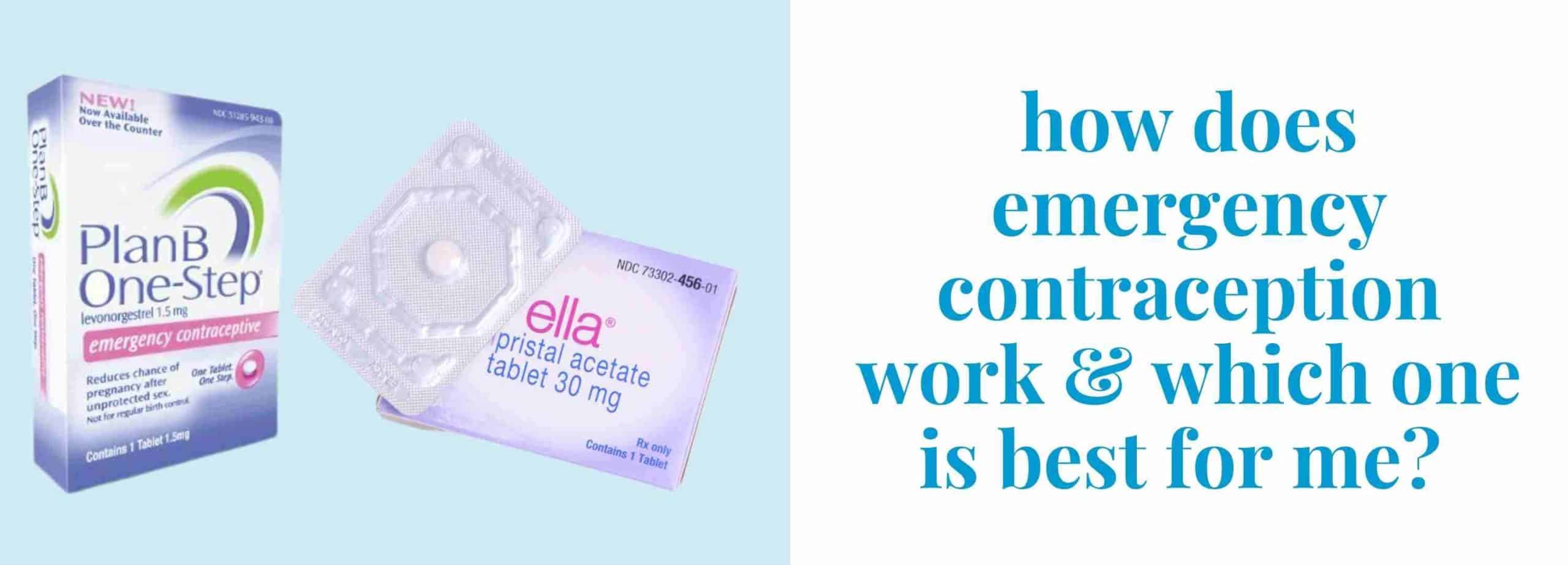
While Plan B is FDA-approved for use up to 72 hours, some healthcare providers may suggest it up to 120 hours (five days) if no other options are available. However, the "percent it works at" drops significantly after day three. By day five, its efficacy is marginal compared to other emergency contraceptive methods like Ella (ulipristal acetate) or a copper IUD, which maintain high efficacy throughout the full five-day window.
Mechanism of Action: Why the Percentage Isn't 100%
To understand why Plan B can fail, one must understand its mechanism. Plan B is a progestin-only pill. Its main job is to stop the surge of Luteinizing Hormone (LH), which is the signal that tells the ovaries to release an egg.
If you have already ovulated, Plan B will not work. It does not "un-release" an egg, and it does not affect a fertilized egg that has already begun the process of implantation. Because many people do not know exactly when they ovulate—even with tracking apps—there is always a statistical risk that the pill is being taken too late in the cycle to be effective.
Plan B is not an abortifacient. It will not terminate an existing pregnancy, and scientific consensus as of 2026 confirms that it does not prevent a fertilized egg from attaching to the uterus. This distinction is vital: Plan B is a "preventative" measure, not a "corrective" one for an established pregnancy.
The Body Weight Factor: BMI and Efficacy Limits
A significant area of research over the last decade involves how body weight affects the percentage at which Plan B works. Clinical trials and meta-analyses have indicated that levonorgestrel-based emergency contraceptives may be less effective in individuals with a higher Body Mass Index (BMI).
Specifically, data suggests that for individuals weighing over 165 pounds (approximately 75kg) or those with a BMI over 25, the efficacy of Plan B begins to diminish. For individuals weighing over 176 pounds or with a BMI over 30, some studies suggest the pill may be no more effective than chance.
If you fall into these weight categories, the "percent" Plan B works at may be significantly lower than the advertised 87-89%. In these instances, medical professionals in 2026 typically recommend alternative options:
- Ella (Ulipristal Acetate): A prescription-only EC pill that is more effective for those with a BMI up to 35.
- Emergency IUD Insertion: The copper IUD (Paragard) or certain hormonal IUDs (Mirena/Liletta) are nearly 99% effective regardless of body weight if inserted within five days of unprotected sex.
Comparison of Emergency Contraception Methods
Choosing the right method depends on your weight, how much time has passed, and your access to a prescription.
| Method | Efficacy Within 24 Hours | Efficacy Up to 72 Hours | Efficacy Up to 120 Hours | Weight Considerations |
|---|---|---|---|---|
| Plan B (Levonorgestrel) | ~95% | ~87-89% | Significant Decline | Less effective over 165 lbs |
| Ella (Ulipristal Acetate) | ~98% | ~98% | ~98% | Less effective over 195 lbs |
| Copper IUD (Paragard) | >99% | >99% | >99% | Effective at any weight |
| Hormonal IUD (Mirena) | >99% | >99% | >99% | Effective at any weight |
Potential Interference: What Can Lower the Success Rate?
Beyond timing and weight, certain external factors can interfere with how well Plan B works, effectively lowering its percentage of success.
Medication Interactions
Certain medications induce liver enzymes that can speed up the processing of levonorgestrel, clearing it from the body before it can successfully block ovulation. These include:
- Certain anti-seizure medications (e.g., Carbamazepine, Phenytoin).
- Certain HIV/AIDS medications (e.g., Efavirenz).
- Griseofulvin (an antifungal).
- St. John’s Wort (an herbal supplement).
Digestive Issues
Plan B must be absorbed through the digestive tract. If you vomit within two hours of taking the pill, it is likely that the medication has not been absorbed. In this scenario, the effectiveness drops to zero unless a second dose is administered immediately. Most healthcare providers recommend taking an anti-nausea medication if you have a history of sensitivity to hormonal changes.
Repeat Usage in One Cycle
While Plan B can be taken more than once in a menstrual cycle if necessary, it is not intended as a regular form of birth control. Frequent use can disrupt your natural hormonal balance, making it difficult to predict ovulation and potentially leading to more frequent "unprotected" windows.
Side Effects and Post-Administration Expectations
Knowing if the "percent" worked for you usually involves a waiting game. Because Plan B is a high dose of hormones, it often causes side effects that can be confused with early pregnancy symptoms or the start of a period.
Common side effects include:
- Nausea and Abdominal Pain: Often occurring within the first 24 hours.
- Changes in Menstrual Timing: Your next period may be a few days early or a few days late.
- Spotting: Light bleeding between taking the pill and your next period is common.
- Breast Tenderness and Fatigue: Resulting from the progestin surge.
Because Plan B alters your cycle, the only way to verify if it worked is to wait for your period or take a pregnancy test. Medical guidelines in 2026 suggest taking a home pregnancy test if your period is more than one week late or if it has been three weeks since you took Plan B.
Professional Advice Limitation
This article provides general information regarding emergency contraception and is not a substitute for professional medical advice, diagnosis, or treatment. Always seek the advice of your physician or other qualified health provider with any questions you may have regarding a medical condition or the use of emergency contraceptives. Laws regarding the age of access and availability of emergency contraception vary by jurisdiction.
Frequently Asked Questions
Does Plan B work during my fertile window?
If the LH surge has already begun or ovulation has occurred, Plan B is significantly less likely to work. Its primary function is to prevent the release of the egg. If the egg is already in the fallopian tube, the hormonal dose in Plan B does not reliably prevent fertilization or implantation.
Can I take two Plan B pills if I am over 165 pounds?
While it may seem logical to double the dose, there is currently no clinical consensus or FDA approval stating that taking two Plan B pills increases effectiveness for individuals with a higher BMI. Doubling the dose may significantly increase side effects like nausea and vomiting. It is generally recommended to seek a prescription for Ella or an IUD instead.
How many times a year can I use Plan B?
There is no specific "limit" on how many times you can use Plan B, but it is less effective than regular birth control methods (like the pill, patch, or IUD). If you find yourself needing Plan B frequently, it is more effective and cost-efficient to consult a healthcare provider about a long-term contraceptive plan.
Will Plan B affect my future fertility?
No. There is no evidence that taking Plan B—even multiple times—has any long-term impact on your ability to get pregnant in the future. The hormones leave your system relatively quickly, and your natural cycle should return to normal within one to two months.
Does Plan B protect against STIs?
No. Plan B is strictly for pregnancy prevention. It provides zero protection against sexually transmitted infections (STIs) such as HIV, chlamydia, or gonorrhea. If you are concerned about STI exposure, you should visit a clinic for testing and potentially PEP (Post-Exposure Prophylaxis) for HIV.
Summary Recommendation
If you need emergency contraception, take Plan B as soon as possible. Every hour matters. If you weigh more than 165 pounds or if more than 72 hours have passed, prioritize contacting a healthcare provider or a clinic immediately to discuss Ella or an IUD, as these methods offer a much higher success percentage in those specific circumstances.
Image Gallery