Understanding the Millennial and Gen X Ages: Defining the Generations in 2026
In 2026, understanding the millennial and gen x ages requires identifying their birth years and current life stages. Generation X includes those born between 1965 and 1980, aged 46 to 61 this year. Millennials, born between 1981 and 19...
In 2026, understanding the millennial and gen x ages requires identifying their birth years and current life stages. Generation X includes those born between 1965 and 1980, aged 46 to 61 this year. Millennials, born between 1981 and 1996, are now aged 30 to 45, occupying the core of the global workforce.
Contents
Defining the Generational Boundaries
To accurately assess the impact of these cohorts, one must rely on standardized demographic markers. While various sociological institutions may offer slight variations, the Pew Research Center provides the most widely accepted definitions used by economists, marketers, and policymakers. These boundaries are not arbitrary; they are rooted in the shared historical, social, and technological events that shaped the formative years of each group.
Generation X (born 1965–1980) was forged in an era of shifting societal values, the rise of personal computing, and the end of the Cold War. In 2026, the oldest members of this group are entering their early 60s, a period traditionally associated with peak career seniority and the beginning of retirement transitions. The youngest are 46, firmly established in mid-life.
Millennials (born 1981–1996), also known as Generation Y, came of age during the turn of the millennium and the explosion of the internet. By 2026, the "young" Millennial is no longer a recent graduate; they are 30 years old. The eldest Millennials are 45, often balancing senior management roles with the complexities of raising families and managing household debt.
The Significance of the "Xennial" Micro-Generation
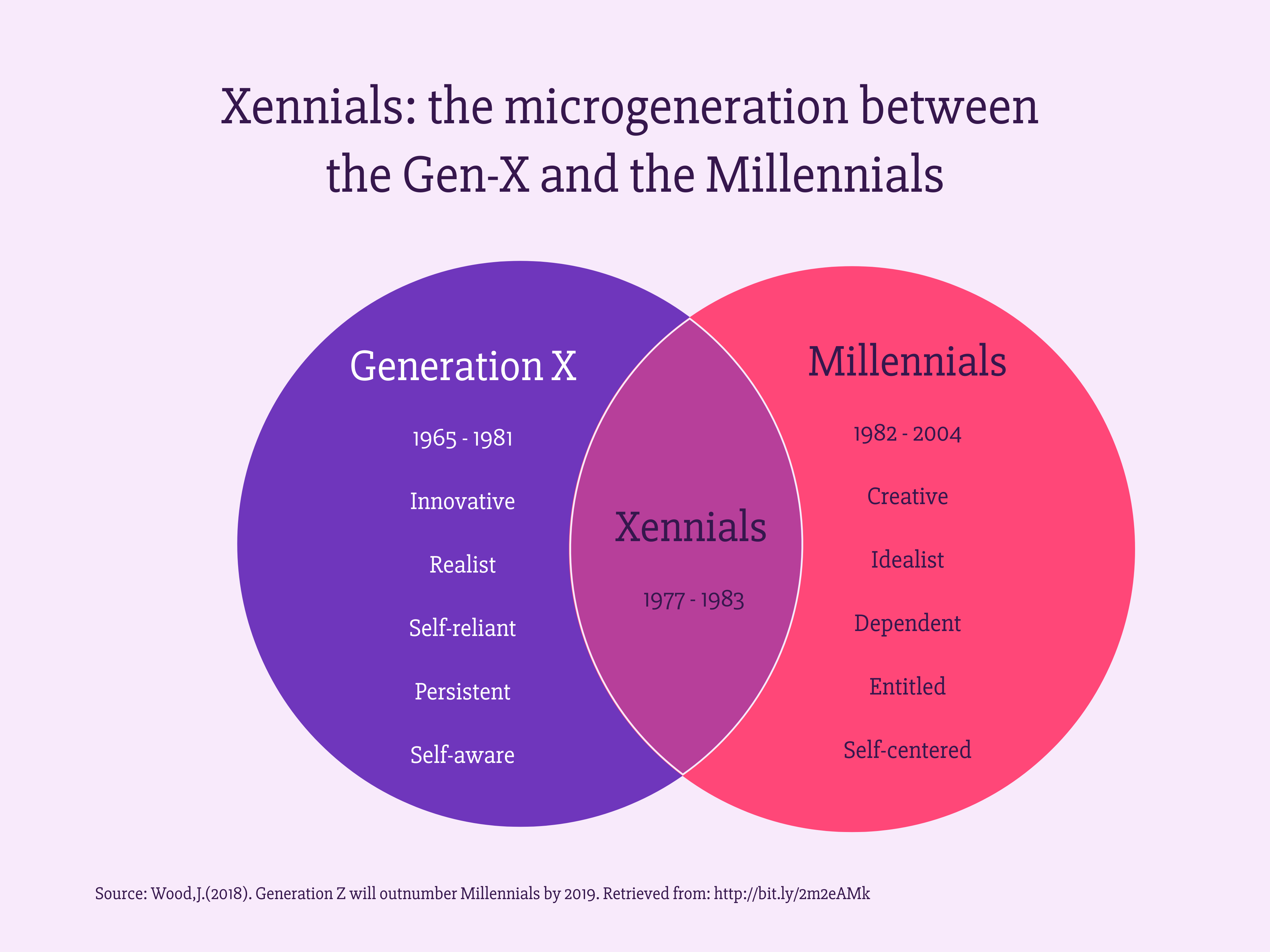
Between these two giants lies a micro-generation often referred to as Xennials (typically born between 1977 and 1983). This group serves as a bridge. They experienced an "analog" childhood—playing outdoors without mobile devices—but transitioned to a digital adulthood. In 2026, Xennials are aged 43 to 49. They are uniquely positioned in the workforce because they possess the tech-savviness of Millennials combined with the traditional workplace sensibilities of Gen X.
Generation X in 2026: The "Sandwich Generation" at Peak Influence
In 2026, Generation X holds a unique and often stressful position in the socioeconomic hierarchy. Often called the "Latchey Kids" or the "Middle Child" of generations, they are currently the Sandwich Generation. This term refers to their role in simultaneously supporting their aging Baby Boomer parents and their young adult or adolescent children.
Leadership and Economic Power
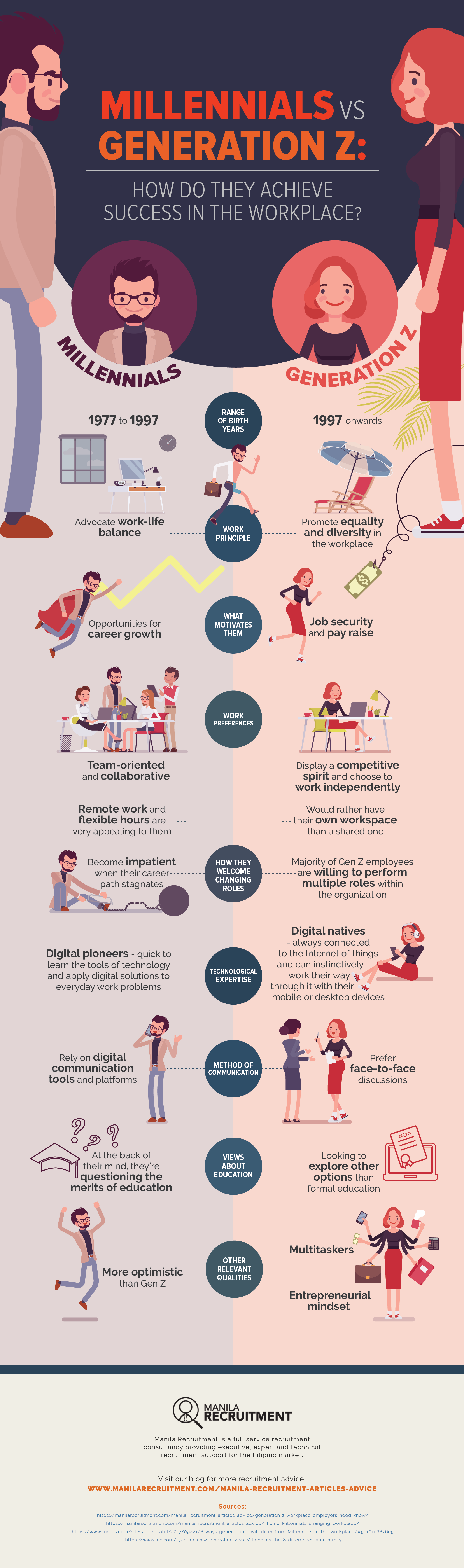
Gen X currently holds the majority of C-suite and senior leadership positions across global industries. While much media attention focuses on the sheer size of the Millennial cohort or the digital native status of Gen Z, Gen X remains the primary engine of corporate decision-making and high-level management. Their approach to leadership often emphasizes pragmatism, independence, and a "work-to-live" rather than "live-to-work" philosophy, which was a reaction to the corporate-centric culture of the Boomer generation.
Financial Reality and Retirement Planning
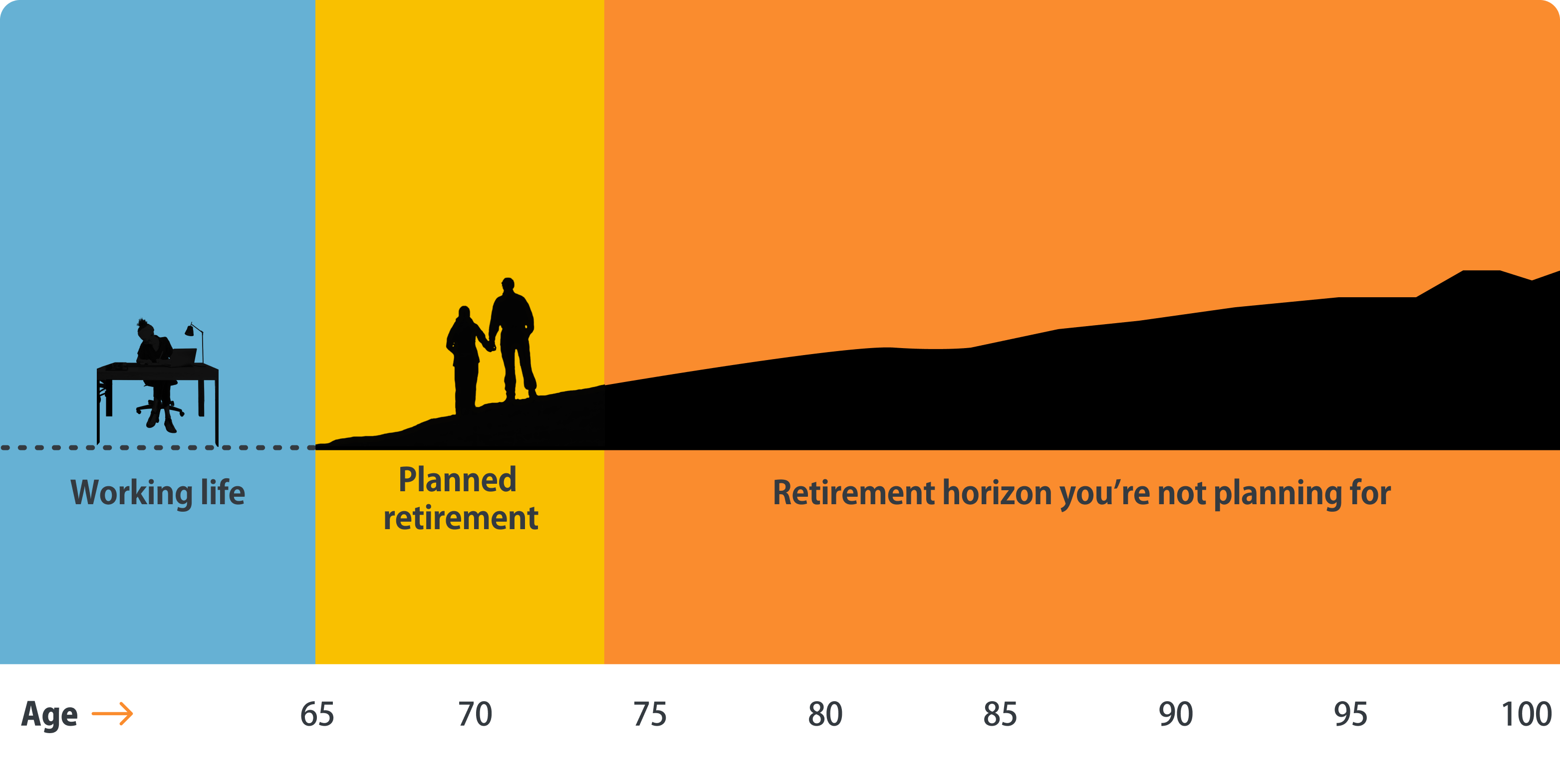
Financially, Gen X is in a race against time. In 2026, those aged 61 are assessing their Social Security viability and private pension health. Unlike the generations before them, many Gen Xers were the first to rely primarily on 401(k) plans rather than defined-benefit pensions. This has led to a significant focus on wealth preservation and catch-up contributions. However, the burden of the "sandwich" role—paying for university tuition for children while managing healthcare costs for parents—remains a primary inhibitor to their total retirement readiness.
Millennials in 2026: The Prime Earning Years
Millennials have officially moved past the "entry-level" stereotype. In 2026, the youngest Millennial is 30, and the oldest is 45. This cohort is now the largest segment of the workforce, and their influence on consumer trends, workplace flexibility, and ESG (Environmental, Social, and Governance) standards is at its zenith.
Career Maturation and Workplace Transformation
The Millennial workforce has been the primary driver behind the permanent shift toward hybrid and remote work models. In 2026, as they occupy mid-to-upper management, they are implementing the very policies they advocated for a decade ago. Their focus is on outcome-based productivity rather than "clock-in" culture. Having navigated the 2008 financial crisis in their youth and the global disruptions of the early 2020s, they prize stability but are not afraid to pivot careers if corporate values do not align with their personal ethics.
The Housing Market and Family Dynamics
The "Millennial homebuyer" remains a critical economic metric. In 2026, many in this age group (30–45) are still struggling with the inventory shortages and pricing legacies of the early 2020s. However, as they reach their peak earning years, we see a massive wave of delayed household formation. This includes a higher demand for multi-generational housing or suburban developments that offer high-speed connectivity and community-focused amenities.
| Feature | Generation X (2026 Status) | Millennials (2026 Status) |
|---|---|---|
| Birth Years | 1965 – 1980 | 1981 – 1996 |
| Current Age | 46 to 61 years old | 30 to 45 years old |
| Workplace Role | Senior Leadership / Executive | Middle to Senior Management |
| Primary Financial Focus | Retirement & Elderly Parent Care | Home Ownership & Childcare |
| Tech Relationship | Digital Immigrants (Adaptive) | Digital Natives (Early Adopters) |
| Defining Cultural Marker | The "Analog to Digital" Shift | The Social Media / Smartphone Boom |
Key Differences in Consumer Behavior and Values
Understanding the ages of these cohorts is only half the battle; one must also understand the "why" behind their behavior. In 2026, the gap between Gen X and Millennial spending is narrowing in volume but remains distinct in intent.
Gen X: Value, Quality, and Loyalty
Gen X consumers in their late 40s to early 60s tend to be more brand-loyal than Millennials, provided the brand delivers consistent quality. They are the most likely to use email marketing and are heavy users of traditional Facebook and LinkedIn platforms. Their spending is currently focused on home improvement, healthcare, and luxury travel—the rewards of a lifetime of career advancement.
Millennials: Convenience, Ethics, and Experience
Millennials (ages 30–45) prioritize the "experience economy" and ethical consumption. In 2026, a Millennial is more likely to spend more on a product that is sustainably sourced or offers a seamless digital transaction. They are the primary drivers of the "subscription economy," preferring access over ownership in many sectors, from software to automotive services.
The Great Wealth Transfer and 2026 Projections
One of the most significant events occurring in 2026 is the acceleration of the Great Wealth Transfer. As Baby Boomers age, trillions of dollars in assets are beginning to move down to Gen X and Millennials.
- Gen X as the Primary Recipients: Because they are the immediate successors, Gen X is currently receiving the largest portion of inheritances. This is helping many bridge the retirement gap mentioned earlier.
- Millennial Impact: For Millennials, this transfer often comes in the form of "living inheritances"—down payment assistance for homes or the funding of educational trusts for their own children.
- Market Volatility: This massive movement of capital is causing financial institutions to reshape their services, moving away from traditional brokerage models toward holistic "life-stage" wealth management that appeals to the younger, more tech-forward Millennial.
Practical Challenges: Health and Longevity
In 2026, the healthcare industry is pivotally focused on these two groups for different reasons.
Gen X (Ages 46-61) is entering the "preventative maintenance" phase of life. There is a high demand for screenings, hormone replacement therapies, and chronic disease management. This age group is also the primary user of digital health tools to monitor their aging parents' vitals, making them a dual-market for healthcare tech.
Millennials (Ages 30-45) are focusing heavily on mental health, wellness, and bio-optimization. Having witnessed the burnout of previous generations, 30-to-45-year-olds are the leading consumers of wearable health technology, mental health apps, and preventive wellness retreats. Their health focus is proactive rather than reactive.
Frequently Asked Questions
What is the exact age difference between the oldest Gen X and the youngest Millennial?
As of 2026, the oldest Gen Xer (born in 1965) is 61 years old, while the youngest Millennial (born in 1996) is 30 years old. This represents a 31-year span between the two generational extremes. This gap highlights why "one-size-fits-all" marketing or management strategies often fail when targeting "younger" or "middle-aged" adults.
Why do some sources list different birth years for Millennials?
While the 1981–1996 range from Pew Research is the most common, some organizations like the U.S. Census Bureau or various marketing firms may use 1980–1995 or 1982–2000. These discrepancies usually occur because researchers choose different "pivotal events" (like the 9/11 attacks or the Great Recession) to define the end of a generation's formative period.
Are Millennials still considered the "young" generation in 2026?
No. In 2026, the "young" adult generation is Gen Z (born 1997–2012, ages 14–29) and the emerging Gen Alpha. Millennials, now aged 30 to 45, are firmly considered the "established" or "middle" generation. They have transitioned from being the disruptors to being the primary stakeholders in most societal structures.
Which generation has more members in the 2026 workforce?
Millennials currently hold the largest share of the global workforce. While Gen X holds more senior-level positions, their smaller total population (a result of lower birth rates in the 60s and 70s) means they are outnumbered by the Millennial cohort, which saw a significant birth "echo" from the Baby Boomers.
How does the 2026 economy affect Gen X and Millennials differently?
Gen X is most affected by interest rates on retirement portfolios and the rising cost of eldercare. Millennials are primarily impacted by the cost of housing and the inflationary pressures on raising young children. While both groups are in their "earning prime," their "burn rates" (expenses) are directed toward different life-stage necessities.
Strategic Recommendation for 2026
If you are a manager or business owner, you must stop treating Millennials as "youth." In 2026, your 40-year-old Millennial employees are your most valuable experienced assets. Conversely, do not overlook Gen X; they are the "glue" currently managing the transition of leadership. Focus on cross-generational mentorship where Gen X provides institutional wisdom and Millennials provide digital-first strategic implementation.
Image Gallery