Furnace Financing with Bad Credit: Options, Costs, and Step-by-Step Guide
Securing furnace financing with bad credit is achievable through specialized bad-credit HVAC loans, lease-to-own programs, government assistance like the Weatherization Assistance Program (WAP), FHA Title I loans, and credit union pers...
Securing furnace financing with bad credit is achievable through specialized bad-credit HVAC loans, lease-to-own programs, government assistance like the Weatherization Assistance Program (WAP), FHA Title I loans, and credit union personal loans. While subprime financing often carries higher interest rates or fees, exploring utility rebates, co-signers, and contractor payment plans can make replacing your heating system affordable.
Contents
Disclaimer: This guide is for educational purposes only and does not constitute formal financial or legal advice. Interest rates, loan eligibility criteria, and program guidelines vary by state, lender, and individual financial profiles.
Understanding Furnace Financing Options for Poor Credit
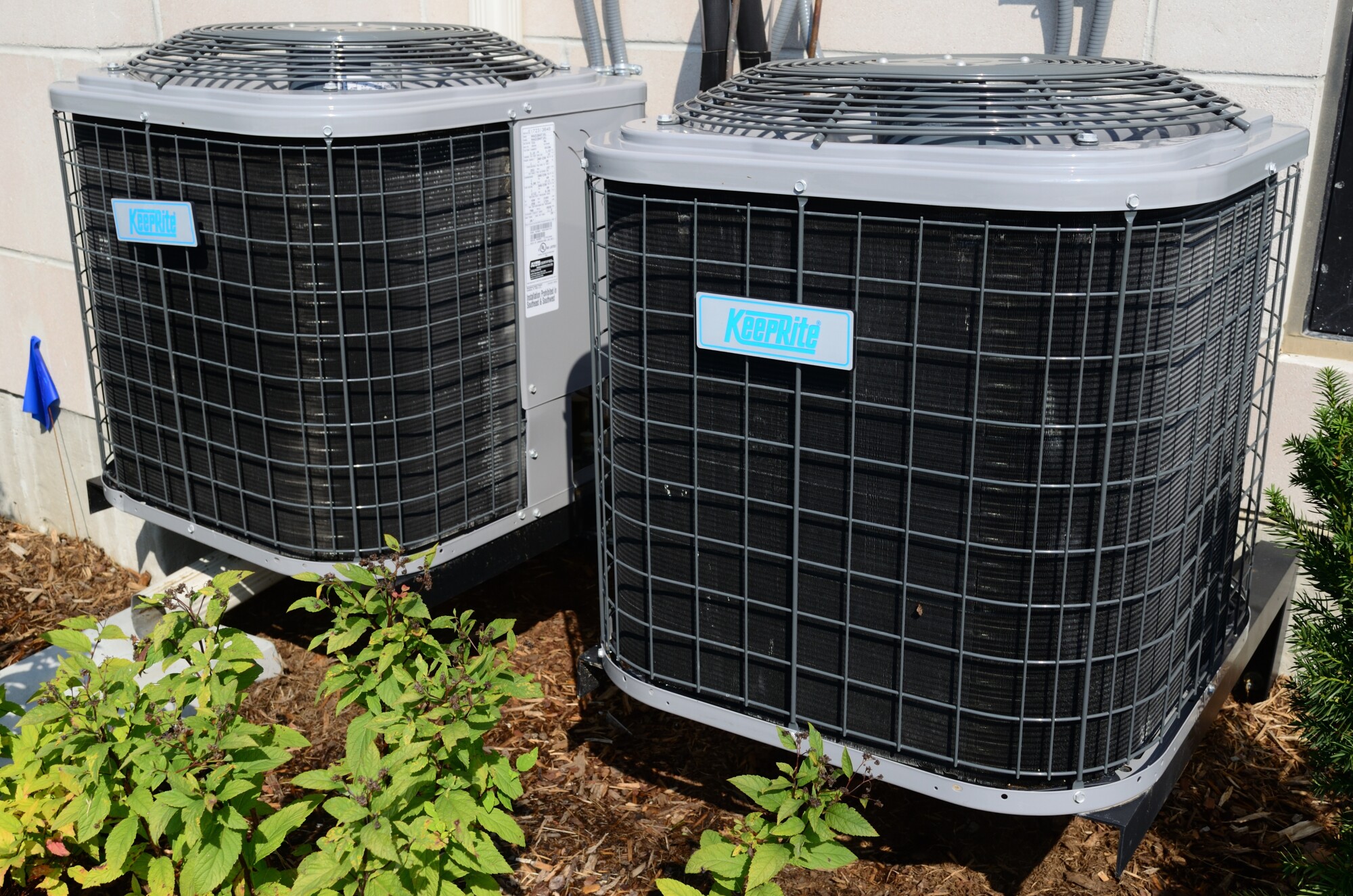
Replacing a central heating system is one of the most urgent maintenance expenses a homeowner can face. A standard gas, electric, or oil furnace replacement typically costs between $3,000 and $7,500, with high-efficiency units or full HVAC overhauls exceeding $10,000 including installation labor. When a furnace fails unexpectedly in the winter, waiting months to save cash is not an option.
Credit scores below 600—often categorized as subprime or poor credit—can restrict access to traditional zero-percent promotional financing offers provided by major HVAC manufacturers and prime lenders. Prime lenders assess risk heavily on credit history, looking for FICO scores above 670 to grant unsecured personal loans or low-interest promotional terms.
When your credit score is lower due to past missed payments, high credit utilization, collections, or bankruptcy, financial institutions adjust for risk by either declining applications or charging higher annual percentage rates (APRs). However, the residential heating market has evolved, creating multiple funding mechanisms specifically designed for homeowners with less-than-perfect credit. Understanding the differences between these financing structures allows you to secure heating without falling into predatory debt traps.
The Most Accessible Financing Pathways for Low-Credit Borrowers
1. Lease-to-Own and Rent-to-Own Programs
Lease-to-own (or rent-to-own) plans are among the most accessible solutions for homeowners with credit scores below 580 or no credit history. Companies specializing in HVAC leasing—such as Microf or Katapult—focus primarily on your homeownership status, stable monthly income, and employment history rather than strictly evaluating your credit score.
- How It Works: The leasing provider purchases the furnace equipment and pays the contractor for installation. You then make monthly lease payments over a term ranging from 36 to 80 months.
- Ownership: Unlike a traditional loan where you own the equipment immediately, the leasing company technically holds ownership of the furnace until you fulfill the lease terms or exercise an early purchase option.
- Pros: Soft credit checks during initial pre-qualification, high approval rates, and options to include maintenance or warranty packages in the monthly payment.
- Cons: Total cost over the full term can be significantly higher than the initial retail price of the system. Early payoff options are critical to limiting total interest and fee exposure.
2. Government and Energy Efficiency Grants
If your credit score is compromised due to low income or temporary financial hardship, government assistance and utility-sponsored programs may cover partial or full replacement costs without requiring a credit check.
- Weatherization Assistance Program (WAP): Administered by the U.S. Department of Energy (DOE), WAP assists low-income households in improving home energy efficiency. If a furnace is deemed unsafe, outdated, or inoperable during an energy audit, WAP funding can repair or replace the system at no cost to eligible homeowners.
- Low Income Home Energy Assistance Program (LIHEAP): Funded through the U.S. Department of Health and Human Services, LIHEAP primarily assists with seasonal heating bills, but many state agencies allocate crisis funds to repair or replace broken furnaces for qualifying households.
- IRA State Energy Rebates (HOMES and HEEHRA): Under the Inflation Reduction Act programs managed by state energy offices, lower- and moderate-income households can qualify for point-of-sale rebates covering up to 100% of heat pump furnace installation costs depending on income thresholds relative to Area Median Income (AMI).
3. FHA Title I Property Improvement Loans
The Federal Housing Administration (FHA) backs Title I Property Improvement Loans, which are issued by participating private lenders. These loans are designed specifically for home alterations, repairs, and site improvements, including high-efficiency furnace upgrades.
- Credit Flexibility: Because the government insures the loan, participating lenders can accept lower credit scores (often around 600–620) compared to standard unsecured personal loans.
- Loan Limits: Unsecured FHA Title I loans are available up to $7,500 without requiring your home as collateral. Loans above $7,500 require a mortgage or deed of trust on the property.
- Fixed Rates: Rates are fixed and generally capped at reasonable commercial rates, avoiding the sky-high APRs associated with subprime personal loans.
4. Credit Union Personal Loans and Secured Loans
Local credit unions are member-owned, non-profit financial institutions that often maintain more flexible lending standards than large national banks.
- Relationship Lending: Credit unions frequently evaluate your full financial picture—such as local job stability and relationship history with the credit union—rather than relying solely on automated credit scoring models.
- Secured Options: If an unsecured loan is denied, credit unions may allow you to secure the loan against a savings account or certificate of deposit (CD), lowering the lender's risk and reducing your interest rate.
5. Contractor-Assisted Special Financing and Subprime Lenders
Many large HVAC contracting companies partner with multi-tier lending platforms (such as GreenSky, Synchrony, or Wells Fargo Financial National Bank). While these platforms offer 0% APR deals to prime buyers, their multi-tiered systems automatically route applicants with lower credit scores to secondary or tertiary subprime lending partners.
- Co-Signer Opportunities: Adding a relative or household member with good credit (670+) as a co-signer or co-borrower on a contractor finance application can dramatically improve approval chances and drop interest rates into single or low-double digits.
- Second-Chance Financing: Secondary lenders review income-to-debt ratios and bank account stability to approve homeowners who fall just below standard underwriting cutoffs.
6. Home Equity Loans and HELOCs
If you have built substantial equity in your property, you may qualify for a Home Equity Loan or Home Equity Line of Credit (HELOC) even if your credit score is in the fair-to-poor range (600–640).
- Collateral Protection: Because the loan is secured by your property, lenders face lower risk, resulting in significantly lower interest rates than subprime credit cards or unsecured loans.
- Caution: Defaulting on a home equity line puts your property at risk of foreclosure, making it vital to choose a monthly payment that comfortably fits your budget.
Comparing Bad-Credit Furnace Financing Methods
The following table summarizes key financing alternatives available to homeowners working with poor or limited credit histories:
| Financing Option | Minimum Credit Score | Expected Interest / Fees | Approval Speed | Primary Advantage | Main Drawback |
|---|---|---|---|---|---|
| Lease-to-Own (Rent-to-Own) | None to Low (500+) | High effective APR (1.5x–2.5x total equipment cost) | Fast (Same day) | High approval rates; minimal credit scrutiny | High long-term cost if not paid early |
| FHA Title I Loan | 600–620 | Moderate fixed rates | Moderate (1–3 weeks) | Government-backed security; low fixed rates | Requires approved lender and paperwork |
| Government Assistance (WAP/LIHEAP) | No credit check | Free / 100% Grant funded | Slow (Weeks to months) | Zero cost to qualifying low-income owners | Income eligibility limits; waiting lists |
| Credit Union Personal Loan | 580–620 | Moderate to High (10%–24% APR) | Fast (1–3 days) | Flexible manual underwriting | Requires credit union membership |
| Subprime Unsecured Personal Loan | 550–600 | High (18%–35.99% APR) | Very Fast (1 day) | Rapid funding for immediate replacements | High interest rates and potential origination fees |
| Contractor Partner Financing (with Co-signer) | Based on co-signer score (670+) | Promotional or low APR (0%–12%) | Immediate | Access to promotional rates via co-signer | Co-signer assumes full legal liability |
Step-by-Step Guide: How to Get Approved for a Furnace Loan with Bad Credit
- STEP 1: Assess Furnace Emergency Status & Immediate Heating Needs
- STEP 2: Pull Credit Reports, Verify Score, and Correct Errors
- STEP 3: Screen for Federal (WAP/LIHEAP), State & Utility Energy Assistance Grants
- STEP 4: Gather Income, Property, and Employment Documentation
- STEP 5: Request Itemized Quotes from Licensed, Financed HVAC Contractors
- STEP 6: Compare Total Cost of Capital, APRs, Buyout Clauses, and Sign Agreement
Step 1: Evaluate Your Heating Needs and Emergency Status
Determine whether your system requires complete replacement or if a targeted repair can buy time to rebuild your credit. If the heat exchanger is cracked or the system presents a severe carbon monoxide hazard, immediate replacement is mandatory. If the unit is simply inefficient, securing quotes during non-peak seasons (spring or early fall) yields better contractor pricing.
Step 2: Check Credit Reports and Dispute Errors
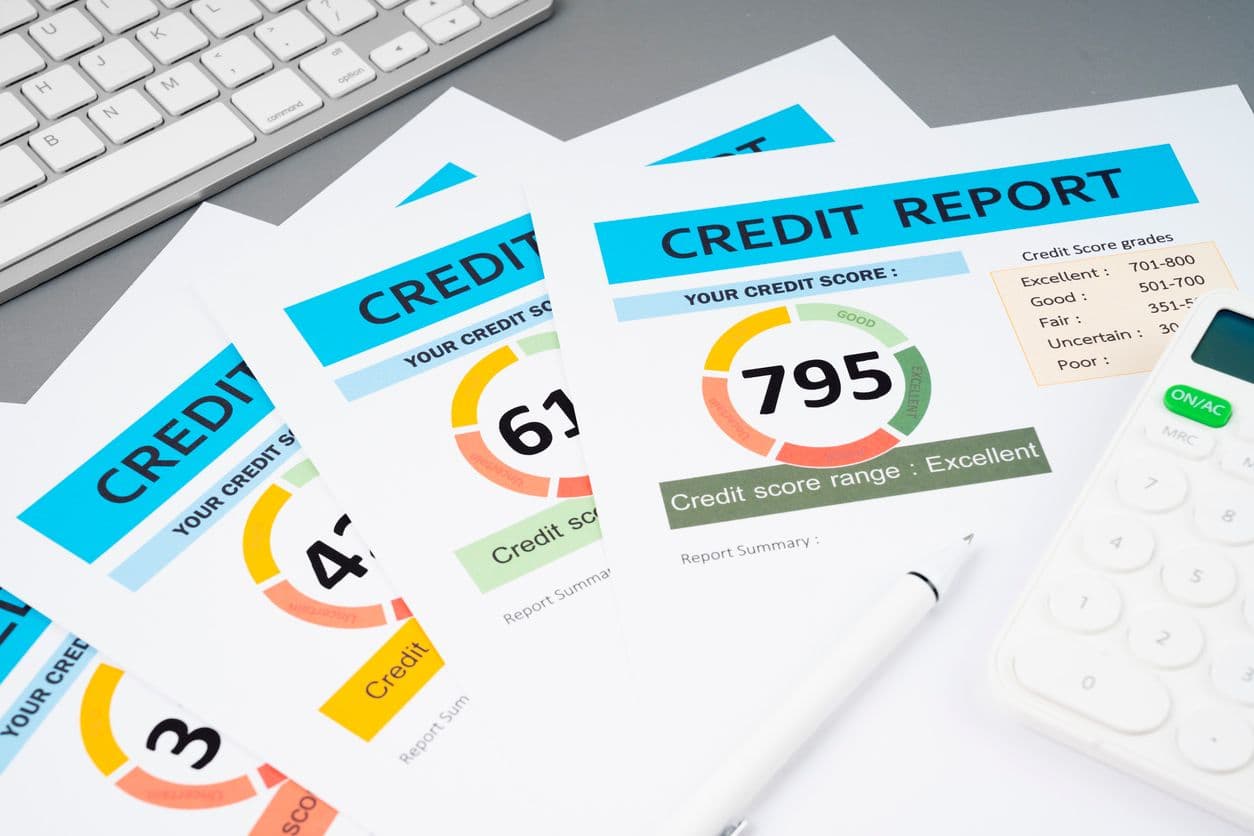
Obtain your credit reports from AnnualCreditReport.com to inspect all three major credit bureaus (Equifax, Experian, and TransUnion). Identify errors, such as accounts incorrectly marked as delinquent or unauthorized collections, and file disputes immediately. Removing false negative marks can instantly boost your score by 20 to 50 points, placing you into a better financing tier.
Step 3: Screen for Federal, State, and Utility Assistance
Before applying for private debt, check local community action agencies for LIHEAP emergency heating funds or WAP eligibility. Additionally, search the Database of State Incentives for Renewables & Efficiency (DSIRE) to identify local utility rebates and low-interest loan programs specifically designed for home heating upgrades.
Step 4: Gather Income and Housing Documentation
Subprime lenders and leasing organizations evaluate capacity to pay over credit history. Have the following documents prepared:
- Most recent 30 to 60 days of pay stubs or proof of steady income (e.g., Social Security award letters, tax returns).
- Recent mortgage statement showing the property is registered in your name and current on payments.
- Bank statements showing positive balances over the past 3 to 6 months.
- Government-issued photo identification and a current utility bill for address verification.
Step 5: Obtain Multiple Quotes from Licensed HVAC Contractors
Contact at least three licensed, insured HVAC dealers. Request detailed, written quotes that break down equipment costs, labor, permits, and warranty terms. Mention early in the consultation that you plan to utilize financing. Reputable contractors usually maintain partnerships with multiple lenders catering to varying credit profiles.
Step 6: Compare Total Cost of Capital
Evaluate financing offers using the total dollar cost over the life of the agreement rather than focusing solely on the monthly payment. Calculate: $$\text{Total Cost} = (\text{Monthly Payment} \times \text{Number of Months}) + \text{Upfront Fees}$$ Verify if there are prepayment penalties, origination fees, or mandatory buyout costs at the end of a lease term.
Costs, Interest Rates, and Hidden Pitfalls to Avoid
When financing capital equipment with subprime credit, small contract details can escalate overall costs. Pay close attention to the following terms:
High Annual Percentage Rates (APRs)
Unsecured personal loans for credit scores between 550 and 600 can carry APRs ranging from 24% to 35.99%. Financing a $5,000 furnace at 30% APR over 60 months results in a monthly payment of $161, with total interest costs exceeding $4,600—nearly doubling the cost of the unit.
Deferred Interest Clauses
Some promotional "0% interest for 12 months" offers contain deferred interest clauses. If the full balance is not settled before the promotional period ends—or if a single payment is missed—the lender retroactively charges interest on the entire initial principal from day one at high interest rates (often 28%–32%).
Lease-to-Own Compounding Costs
Lease-to-own programs do not legally express fees as an APR because they are structured as lease agreements. However, paying off a lease over its full term (e.g., 60 months) often costs 2 to 3 times the retail equipment value. Look for leasing structures that offer 90-day or 120-day early buyout options, which allow you to pay off the principal with minimal additional fees if your financial situation improves short term.
Inflated Equipment Packages
Some contractors inflate base equipment costs when matching customers with subprime finance arrangements to offset lender administrative fees. Always request an unfinanced, cash quote first so you can clearly see if finance-related price markups are being applied to the equipment itself.
Frequently Asked Questions
Can I get a furnace installed with no credit check?
Yes. Lease-to-own financing programs and government assistance programs (such as WAP or LIHEAP) generally do not rely on hard credit checks. Lease-to-own providers evaluate homeownership, steady income, and active bank accounts rather than your credit score.
What is the minimum credit score required for standard HVAC financing?
Standard, low-interest prime HVAC financing generally requires a credit score of 660 or higher. However, secondary lenders accept scores down to 580, and FHA Title I loans accept scores around 600–620. Below 580, lease-to-own options or co-signers are usually necessary.
Are there free furnace replacement programs for low-income households?
Yes. The Weatherization Assistance Program (WAP) and Low Income Home Energy Assistance Program (LIHEAP) provide free heating repairs or replacements to qualified low-income households. Eligibility is typically based on household income falling below specific thresholds relative to the federal poverty line or state median income.
Does adding a co-signer help secure better furnace financing terms?
Adding a co-signer with good credit (670+) significantly improves your chances of approval and helps secure prime interest rates. The co-signer assumes joint legal responsibility for the loan balance if you fail to make payments.
What should I do if my furnace breaks down in extreme weather and I am denied financing?
Contact local emergency social services or dial 211 to access emergency heating funds provided by county agencies, charities, or utility crisis programs. Additionally, ask your contractor if they offer short-term emergency space-heating loaners while temporary repairs or grant applications are processed.
Strategic Next Steps for Homeowners
- Review Your Finances: Check your current credit score through your bank or a free reporting service, and calculate your maximum monthly budget for heating payments.
- Contact Local Agencies: Reach out to your county's Community Action Agency to inquire about LIHEAP, WAP, or emergency heating repair grants before signing high-interest credit contracts.
- Get Three Unbound Quotes: Schedule evaluations with three reputable local HVAC companies. Request cash estimates alongside financing quotes to verify transparent equipment pricing.
- Examine Loan Terms: Read all finance disclosures carefully, focusing on APRs, deferred interest clauses, and early payoff penalties before signing any finance agreement.
Image Gallery