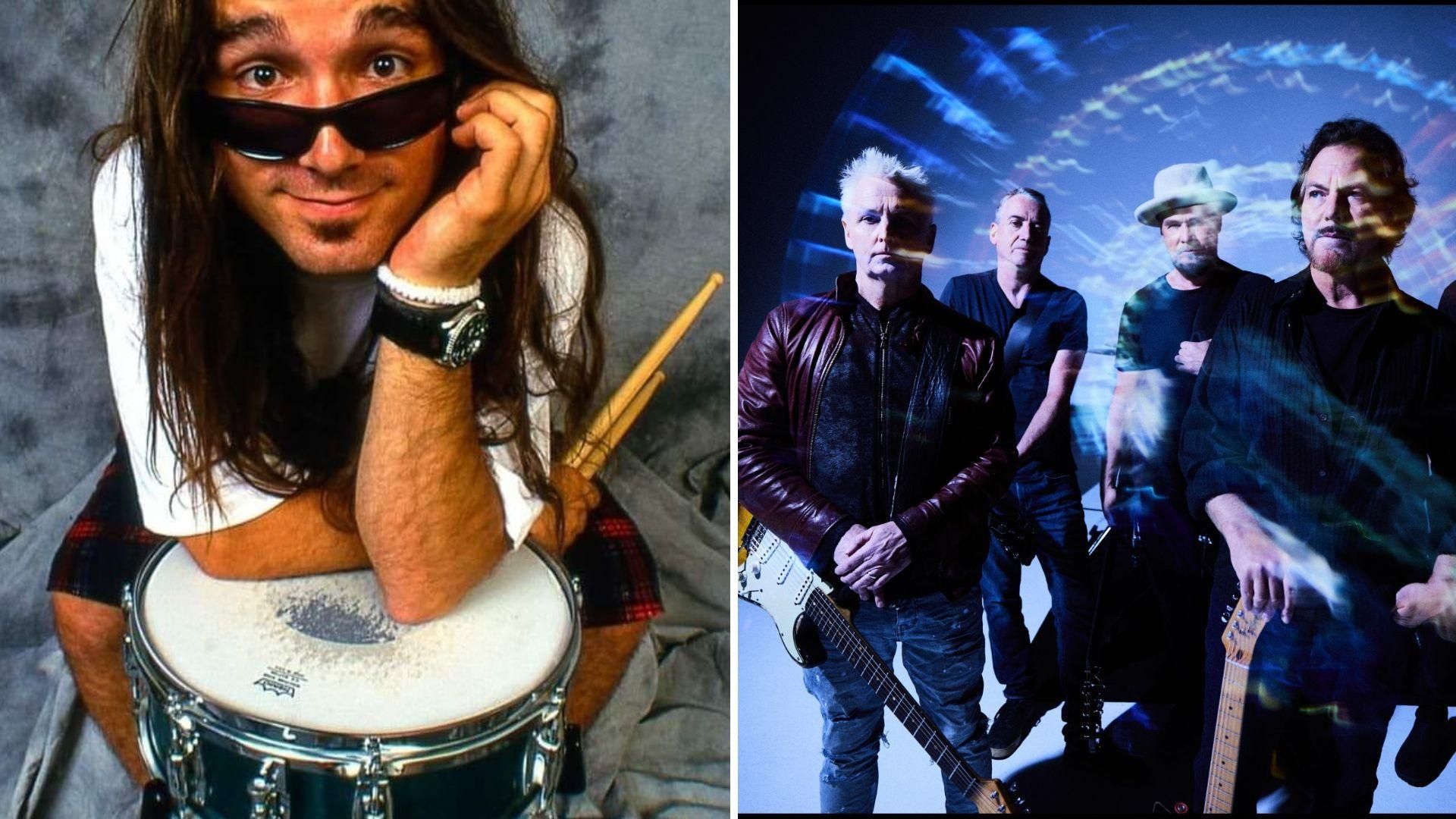
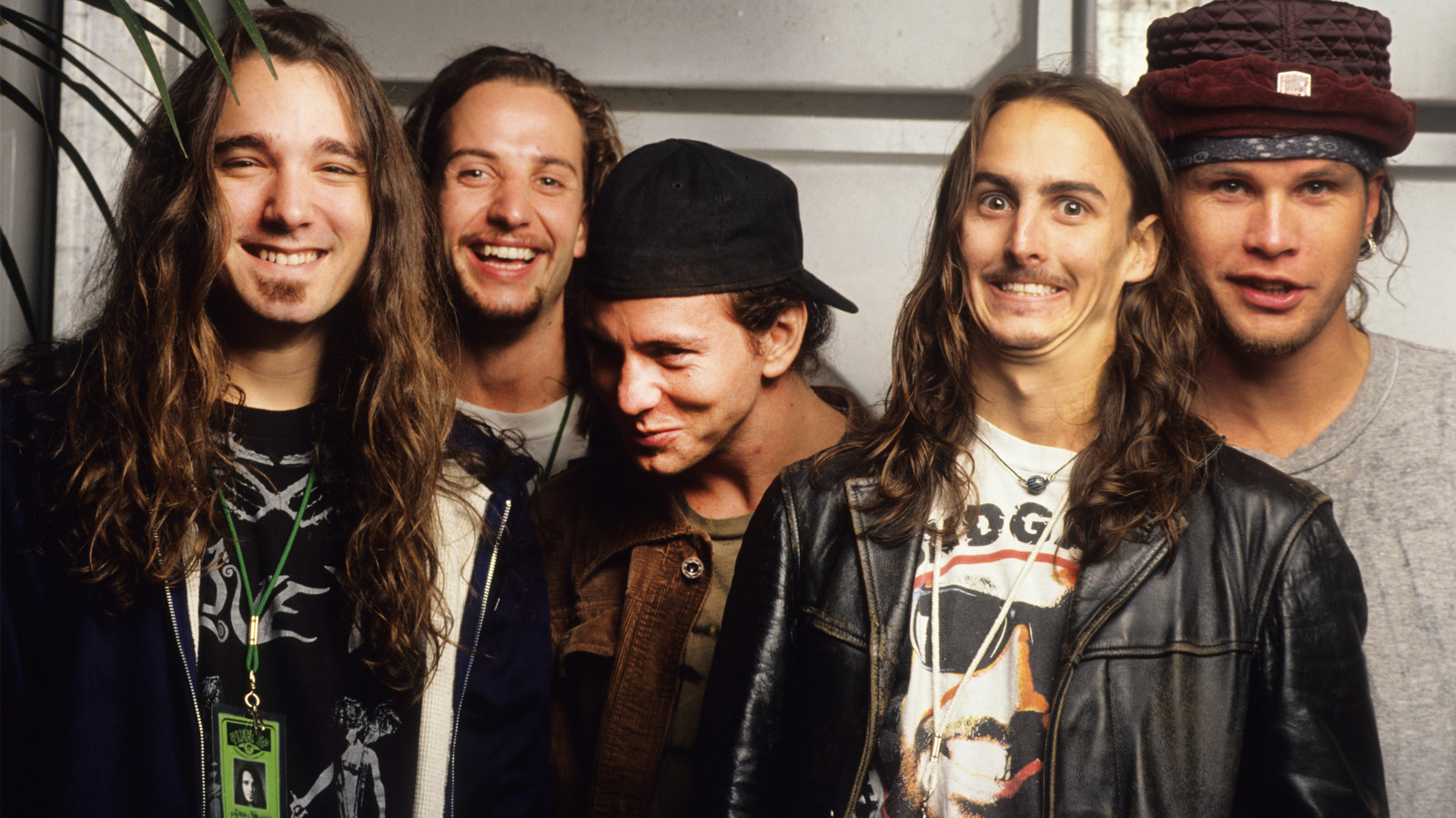
The Musical Evolution of Pearl Jam Drummer Dave Abbruzzese After His Departure
Dave Abbruzzese, the powerhouse percussionist who drove Pearl Jam’s sound during their meteoric rise between 1991 and 1994, pursued a diverse and technically demanding musical path following his exit from the band. His most notable pos...
Dave Abbruzzese, the powerhouse percussionist who drove Pearl Jam’s sound during their meteoric rise between 1991 and 1994, pursued a diverse and technically demanding musical path following his exit from the band. His most notable post-Pearl Jam collaboration was with the multi-instrumentalist and experimental songwriter Brad Slay in the project known as HOSS, which blended hard rock sensibilities with a raw, blues-infused sonic palette.
Contents
The Tenure and Transition: From Pearl Jam to New Horizons
To understand the significance of Dave Abbruzzese’s post-Pearl Jam work, one must first recognize the technical footprint he left on the Seattle grunge movement. Joining the band just before the release of Ten, Abbruzzese provided a level of rhythmic complexity and swing that distinguished Pearl Jam from many of their peers. His contributions to Vs. and Vitalogy remain benchmarks for drummers in the alternative rock genre, characterized by ghost notes, heavy-hitting rimshots, and a fluid, jazz-influenced approach to rock drumming.
When Abbruzzese parted ways with the band in 1994, he did not abandon the drum kit or the creative industry. Instead, he sought environments that allowed for a more collaborative, less pressurized songwriting process. His post-Pearl Jam career is marked by a refusal to follow the traditional trajectory of a "former member of a stadium act." Rather than joining high-profile supergroups, he sought out artists who valued his specific improvisational style and his ability to construct grooves that served the song rather than the ego.
Notable Collaboration: The HOSS Era
The most frequently cited and artistically significant collaboration for Abbruzzese after Pearl Jam was his involvement with the group HOSS. Formed in the mid-1990s, the project served as a creative outlet that allowed Abbruzzese to explore genres outside the confines of the mainstream grunge radio format.
HOSS represented a pivot toward a grittier, Americana-influenced rock aesthetic. Collaborating with Brad Slay, Abbruzzese was able to showcase a different side of his percussion work—one that prioritized dynamic control over the sheer volume of his Pearl Jam years. The project yielded a self-titled record that remains a cult favorite among fans of 1990s underground rock. The drumming on this project demonstrates a shift toward "pocket" playing, emphasizing heavy backbeats and subtle syncopation that grounded Slay’s eclectic guitar arrangements.
For followers of Abbruzzese’s technical style, the HOSS collaboration serves as a "missing link" that connects his heavy-hitting Seattle roots to a more mature, refined approach to percussion. It highlighted his ability to adapt to a smaller, more intimate production setting without losing the visceral energy that made him a standout talent in the early 90s.
Beyond HOSS: Other Musical Ventures
While HOSS occupies the primary position in his post-Pearl Jam discography, Abbruzzese participated in several other ventures that showcased his versatility. His career is characterized by session work and independent projects, many of which were designed to test his limits in various sub-genres.
- Green Romance Orchestra: This project saw Abbruzzese stepping back into a collaborative songwriting environment where he contributed not only percussion but also creative input on arrangements. This was a departure from his time as a "hired gun" or band member, showcasing his development as a holistic musician.
- Session Work: Throughout the late 1990s and 2000s, Abbruzzese remained active in the drumming community, lending his services to various artists across the United States. His reputation for reliability and his distinctive "behind-the-beat" swing made him a desirable collaborator for artists looking to capture a specific, organic rock sound.
Technical Assessment: The Abbruzzese Style
What makes Abbruzzese’s work in HOSS and beyond technically interesting is his approach to the drum set as a melodic instrument. Unlike many of his contemporaries who focused on rigid, metronomic playing, Abbruzzese often employed a loose, slightly pushed, or pulled timing that gave his tracks a "human" feel.
In his post-Pearl Jam work, observers can track a move toward using lighter cymbals and a more responsive snare tuning. This was a response to the smaller recording environments of his later projects. Where Pearl Jam’s production required the drums to cut through massive walls of distortion, his later collaborations allowed for the "air" in the drums to breathe.
Comparative Overview of Professional Projects
| Project | Period | Style Focus | Primary Contribution |
|---|---|---|---|
| Pearl Jam | 1991–1994 | Arena Grunge | Power, syncopation, speed |
| HOSS | 1996–1998 | Americana/Blues Rock | Groove, dynamic control |
| Green Romance Orchestra | 2000s | Alternative/Indie | Songwriting, percussion |
The Legacy of the Transition
The transition from a global arena act to independent, genre-defying projects is a difficult journey for many musicians. Abbruzzese’s career serves as a case study in maintaining artistic integrity after the collapse of a high-pressure corporate music environment. By choosing collaborations like HOSS, he avoided the trap of "chasing the sound" that made him famous, choosing instead to evolve as a player.
One of the most persistent questions surrounding his career is why he did not pursue more high-profile gigs. Historical evidence suggests that the nature of his departure from Pearl Jam soured his perspective on large-scale band dynamics. Consequently, his later collaborations were defined by smaller, interpersonal relationships where he had a seat at the table in terms of the band's creative direction.
Frequently Asked Questions (FAQ)
1. Was HOSS the only project Dave Abbruzzese worked on after Pearl Jam? No, HOSS is simply the most recognized collaboration. Abbruzzese participated in numerous recording sessions and smaller indie projects, including the Green Romance Orchestra, throughout his career.
2. How did Abbruzzese’s drumming style change after leaving Pearl Jam? While he maintained his core identity as a hard-hitting, swing-heavy drummer, his post-Pearl Jam work reflects a shift toward tighter, more controlled dynamics and an emphasis on "groove-first" playing over the complex fills he used in the Vs. era.
3. Why is HOSS considered the "notable" collaboration? HOSS is frequently cited because it was the most cohesive, band-oriented project Abbruzzese joined immediately following his high-profile exit. It was a fully realized artistic project rather than mere session work, allowing critics and fans to hear how he functioned in a smaller, collaborative unit.
4. Does Dave Abbruzzese still perform? As of 2026, Abbruzzese remains an influential figure in the drumming community. While he maintains a lower public profile than he held during his tenure with Pearl Jam, he continues to be involved in the music scene through various creative projects and remains a sought-after perspective for discussions on 90s rock percussion.
5. What equipment did he use in his post-Pearl Jam collaborations? Abbruzzese shifted from the massive drum kits required for stadium tours to more versatile, smaller setups. This allowed for better articulation in the blues-rock and indie-rock environments he favored in the years following 1994.
Recommendations for Further Exploration
If you are interested in the evolution of Dave Abbruzzese’s playing, the primary recommendation is to listen to the HOSS self-titled album with an ear toward the pocket. Unlike the sprawling, aggressive intensity of Vitalogy, this material offers a masterclass in how a world-class drummer adjusts his playing to serve a more laid-back, rootsy composition. Researchers and fans should also look for archival interviews from the late 90s, where he discusses the shift in his approach to songwriting and the relief he felt in smaller, more intimate creative spaces.
Image Gallery