The Best Ciders for Every Taste: A Comprehensive Guide to the 2026 Landscape
Finding the best cider for every taste requires navigating a spectrum that ranges from bone-dry, tannin-heavy traditional styles to bright, fruit-forward modern blends. To choose correctly, identify your preferred sweetness level—rangi...
Finding the best cider for every taste requires navigating a spectrum that ranges from bone-dry, tannin-heavy traditional styles to bright, fruit-forward modern blends. To choose correctly, identify your preferred sweetness level—ranging from extra dry to sweet—and decide whether you prefer the crisp acidity of culinary apples or the complex, "funky" profiles of wild-fermented heritage varieties.
Contents
Hard cider has undergone a massive transformation over the last decade. As we move through 2026, the market has matured beyond the overly sugary commercial offerings of the past, embracing ancestral techniques, regional terroirs, and innovative botanical infusions. Whether you are a lifelong cider enthusiast or a craft beer drinker looking for a gluten-free alternative, understanding the nuances of apple varieties and fermentation methods is the key to finding your perfect pour.
Understanding the Flavor Spectrum: Dry vs. Sweet
The most common way to categorize cider is by its residual sugar content. However, "sweetness" in cider is often a perceived quality influenced by acidity and carbonation.
Bone-Dry and Dry Ciders
Dry ciders contain little to no residual sugar. In these ferments, the yeast has consumed nearly all the fructose, leaving behind a beverage that emphasizes the apple’s skin tannins and natural acidity. These are often compared to dry white wines like Sauvignon Blanc or Brut Champagne. They are excellent for those who dislike cloying finishes and prefer a "clean" palate.
Off-Dry and Semi-Sweet Ciders
This is the middle ground where most craft ciders reside. Off-dry ciders have a hint of sweetness that rounds out the sharp edges of the malic acid. Semi-sweet ciders are more juice-forward, often "back-sweetened" with fresh apple juice after fermentation is complete. This process preserves the "fresh apple" aroma that can sometimes be lost during a vigorous dry fermentation.
Sweet and Dessert Ciders
Sweet ciders are unashamedly bold. While some commercial brands use corn syrup, premium sweet ciders rely on high-quality fruit sugars. A notable sub-category here is Ice Cider (Cidre de Glace), where the juice is concentrated by freezing before fermentation, resulting in a viscous, honey-like beverage with high alcohol content and intense flavor.
The Role of Apple Varieties: Culinary vs. Bittersweet
The foundation of any great cider is the fruit. Not all apples are created equal when it comes to fermentation.
- Culinary Apples (Dessert Apples): Varieties like Granny Smith, Gala, and Honeycrisp provide high acidity and sugar but lack tannins. Modern ciders made from these fruits are typically light, "sessionable," and very crisp.
- Bittersweet and Bittersharp Apples: These are "true" cider apples, often called "spit-bitters" because they are unpleasant to eat raw. They contain high levels of tannins and polyphenols, which provide the "body," "structure," and "astringency" found in premium traditional ciders. Varieties like Kingston Black or Dabinett are the gold standard for complex, cellar-aged ciders.
Choosing by Taste Profile
To simplify your search, we can categorize the current 2026 market offerings into four primary taste profiles.
1. The Traditionalist (Earthy and Complex)
If you enjoy orange wine, farmhouse ales, or sourdough, you likely lean toward traditional European styles.
- Spanish Sidra: Hailing from Asturias and the Basque Country, these are still (non-carbonated), high-acid, and "funky" due to wild yeast fermentation. They are traditionally poured from a height (the "long pour") to aerate the liquid and create a temporary fizz.
- French Cidre (Normandy/Brittany): These often use the "keeving" method, which arrests fermentation early to leave natural sugar. They are characterized by a rich, "barnyard" aroma and a deep orange hue.
2. The Modernist (Bright and Fruity)
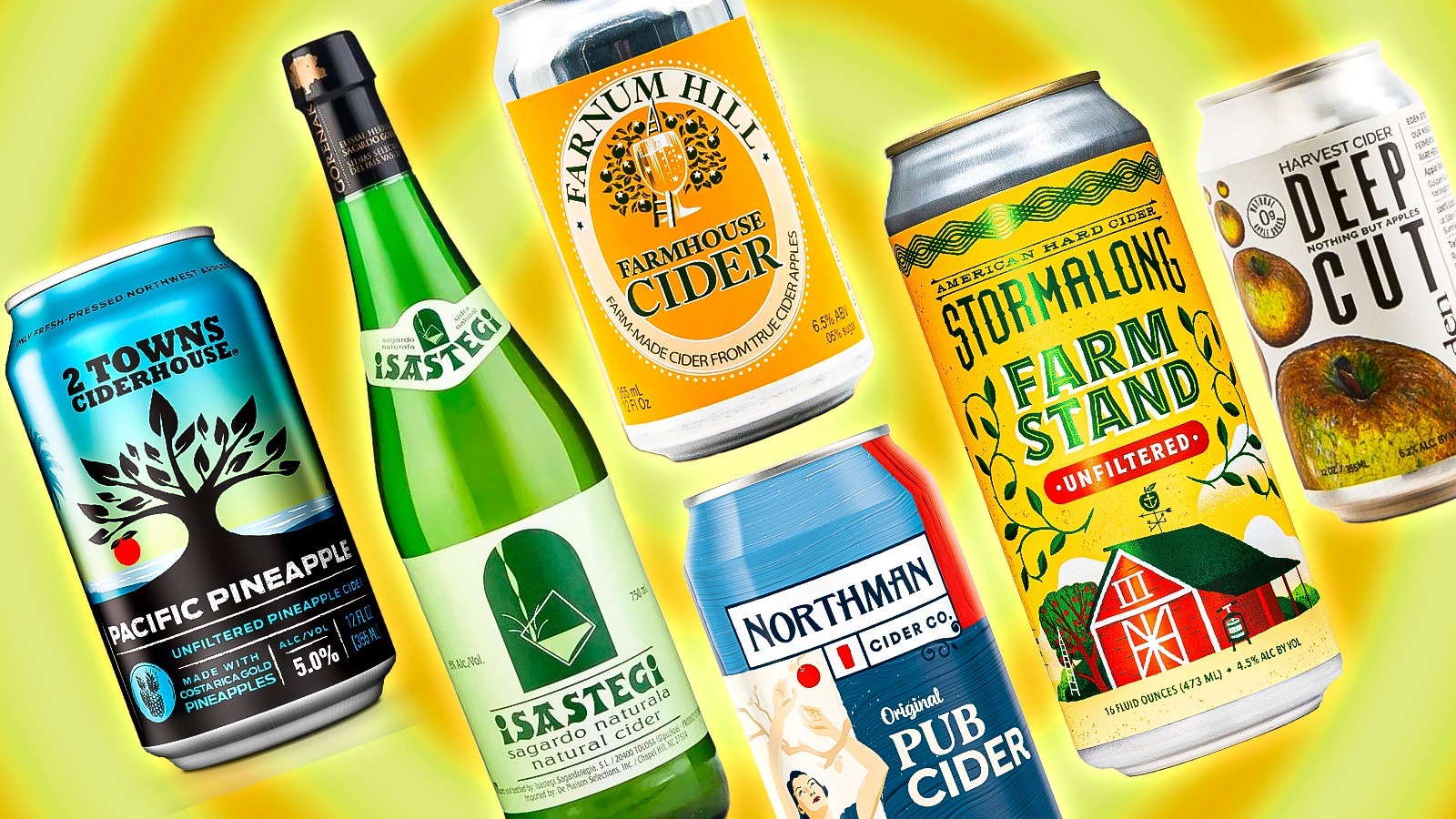
These ciders are designed for high drinkability and are often found in 12oz cans. They emphasize the primary fruit flavors and are usually highly carbonated.
- Single-Variety Ciders: Look for labels that specify the apple, such as a "Northern Spy" or "Ashmead’s Kernel" cider. These allow you to taste the specific characteristics of a single fruit type.
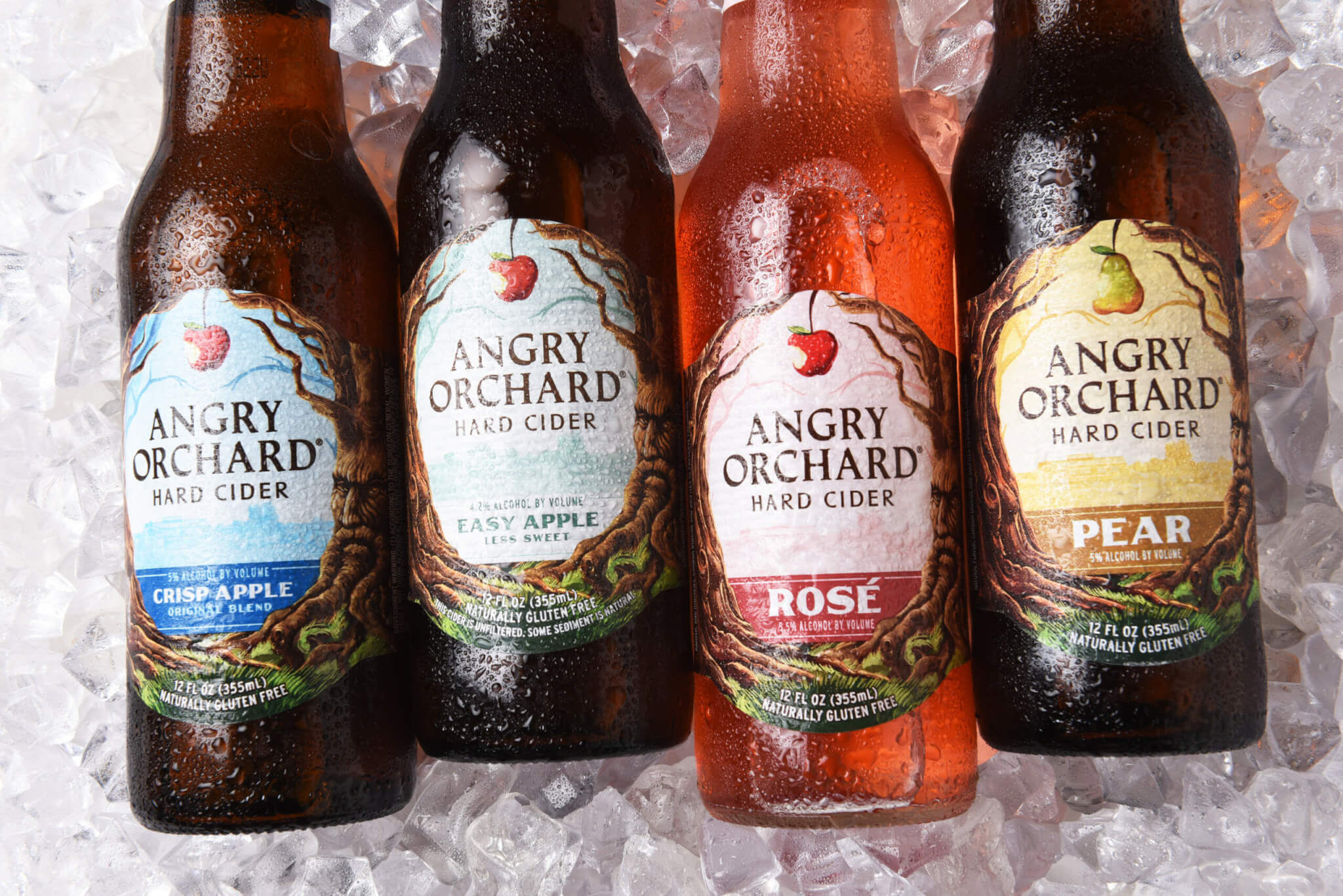
- Rosé Ciders: These get their pink tint either from red-fleshed apples (like the Airlie Red Flesh) or through the addition of skins from berries or grapes.
3. The Adventurer (Botanical and Hopped)
Cider makers in 2026 are increasingly looking beyond the apple.
- Hopped Ciders: By adding hops (like Citra or Galaxy), makers introduce floral, citrusy, or resinous notes without the bitterness of an IPA. This is a perfect bridge for beer drinkers.
- Botanical Infusions: Ingredients like hibiscus, ginger, lemongrass, or even spruce tips are used to create complex, cocktail-like experiences.
4. The Wood-Aged (Rich and Toasty)
Ciders aged in bourbon, tequila, or oak wine barrels take on secondary flavors of vanilla, smoke, and tannin. These are typically higher in ABV and meant to be sipped slowly at cellar temperature.
Cider Styles and Characteristics Comparison
| Style | Sugar Level | Primary Characteristics | Best For |
|---|---|---|---|
| English West Country | Dry | High tannin, robust, slightly bitter | Pairing with red meats and sharp cheddar |
| French Normandy | Semi-Sweet | Effervescent, earthy, cooked apple notes | Afternoon sipping or dessert pairings |
| Modern American | Off-Dry | Crisp, high acidity, very clear | Replaces light lagers or pilsners |
| Spanish Sidra Natural | Extra Dry | Sour, acetic, "wild" flavors | Seafood, tapas, and salty snacks |
| Hopped Cider | Dry / Off-Dry | Piney, citrusy, floral aroma | IPA lovers and outdoor grilling |
| Ice Cider | Very Sweet | Syrupy, tropical fruit, high ABV | Replacing dessert wines or cordials |
Food Pairing: Elevating the Experience
Cider is one of the most versatile food-pairing beverages due to its acidity, which cuts through fat, and its carbonation, which cleanses the palate.
- Pork and Poultry: The classic pairing. The acidity of a dry or off-dry cider acts like a squeeze of lemon on roasted meats.
- Spicy Cuisine: A semi-sweet cider is the perfect foil for Thai or Indian heat. The sugar helps coat the tongue and dampen the "burn" of chili peppers.
- Cheeses: Dry, tannic ciders pair beautifully with aged cheddars, while the funkier French styles are magnificent with creamy Camembert or Brie.
- Seafood: Use a sharp, acidic Spanish-style sidra to accompany oysters or grilled white fish.
Common Myths About Cider
As the industry grows, several misconceptions persist. It is important to clarify these to better appreciate what is in your glass.
Myth 1: All cider is sweet. This is the most pervasive falsehood. While mass-market "commercial" ciders are often high in sugar, the vast majority of craft and traditional ciders are quite dry. Always look for "Dry" or "Heritage" on the label if you want to avoid sugar.
Myth 2: Cider is just "apple beer." Technically and chemically, cider is a wine. It is fermented fruit juice, whereas beer is a brewed grain product. This distinction is important for gluten-sensitive individuals, as pure cider is naturally 100% gluten-free.
Myth 3: Cider doesn't age. While modern, canned ciders are meant to be drank fresh, high-tannin heritage ciders can age beautifully for 3 to 5 years, developing complex "leathery" and "nutty" notes similar to a well-aged Riesling.
Frequently Asked Questions
Is cider healthier than beer?
Generally, cider is perceived as a "cleaner" option because it is gluten-free and often contains more antioxidants (polyphenols) derived from apple skins. However, it can be higher in calories if it has significant residual sugar. For the healthiest option, choose "dry" or "extra dry" varieties which have minimal sugar content.
What is the ideal serving temperature for cider?
Serving temperature depends on the style. Modern, crisp ciders are best served cold (around 38–45°F / 3–7°C). However, complex, tannic, or barrel-aged ciders should be served slightly warmer (50–55°F / 10–13°C) to allow the aromatic compounds to release. Serving a traditional cider too cold will "mute" the flavors.
How can I tell if a cider uses real apples versus concentrate?
In 2026, transparency in labeling has improved. Look for phrases like "100% Fresh Pressed Juice" or "Not From Concentrate" (NFC). Ciders made from concentrate often have a thinner mouthfeel and a more "candy-like" apple flavor, whereas fresh-press ciders have more depth and structural complexity.
Does "Hard Cider" contain more alcohol than beer?
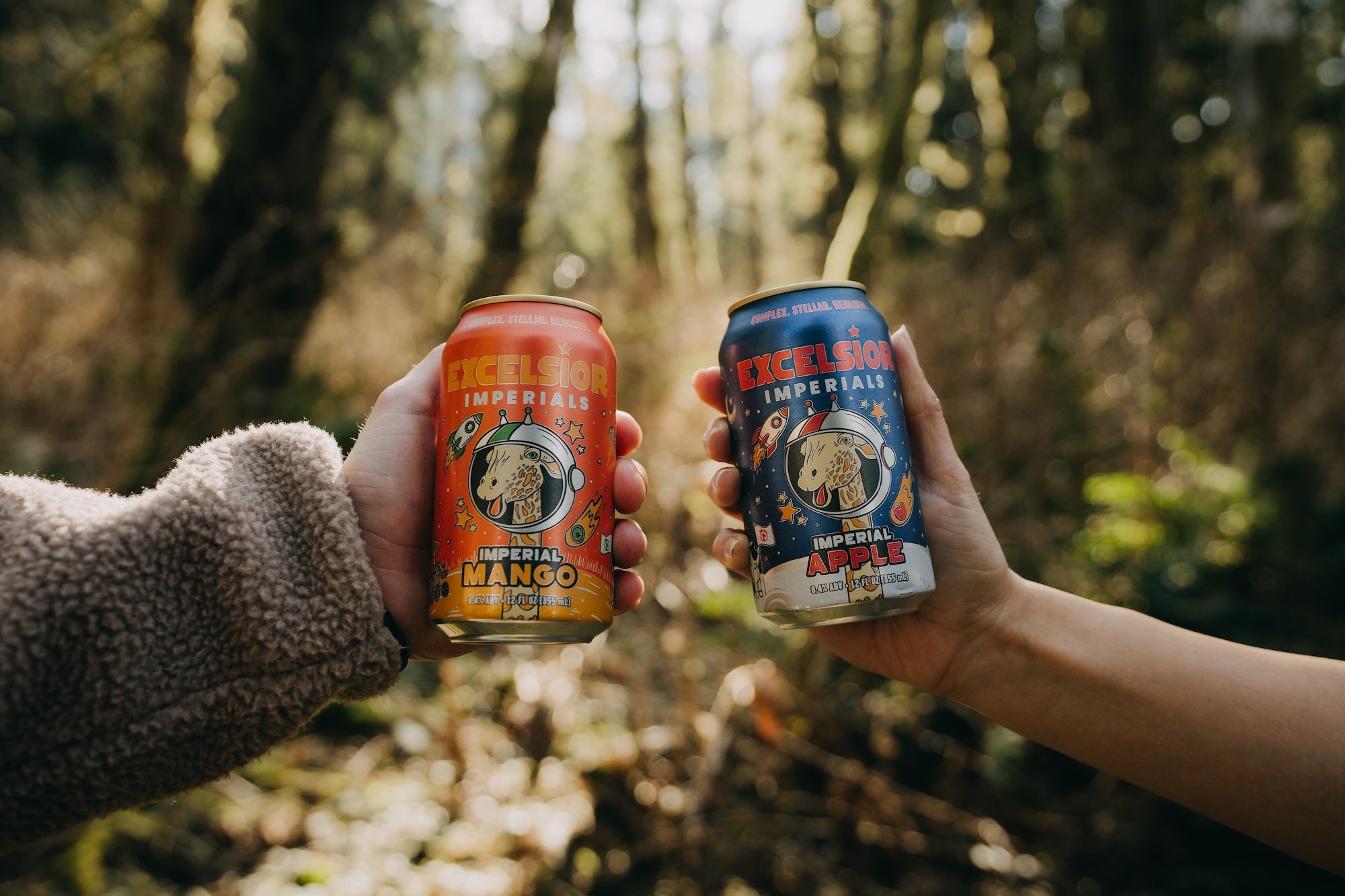
The average ABV (Alcohol by Volume) for cider is between 4.5% and 7%, which is comparable to most standard beers. However, "Imperial" ciders or "Ice Ciders" can reach 10% to 13% ABV. Always check the label, as the perceived sweetness can sometimes mask the alcohol content.
Why do some ciders smell like "barnyard" or "leather"?
These aromas are usually the result of wild yeast strains, such as Brettanomyces, or specific fermentation bacteria. While these might be considered "faults" in industrial winemaking, they are highly prized in traditional Spanish and French cider-making for adding character and "terroir" to the drink.
Are there alcohol-free ciders that still taste like "hard" cider?
Yes, the non-alcoholic (NA) craft movement has expanded significantly by 2026. High-quality NA ciders are made by fermenting the juice fully and then gently removing the alcohol via vacuum distillation, preserving the fermentation esters and tannins that plain apple juice lacks.
Final Recommendation for 2026
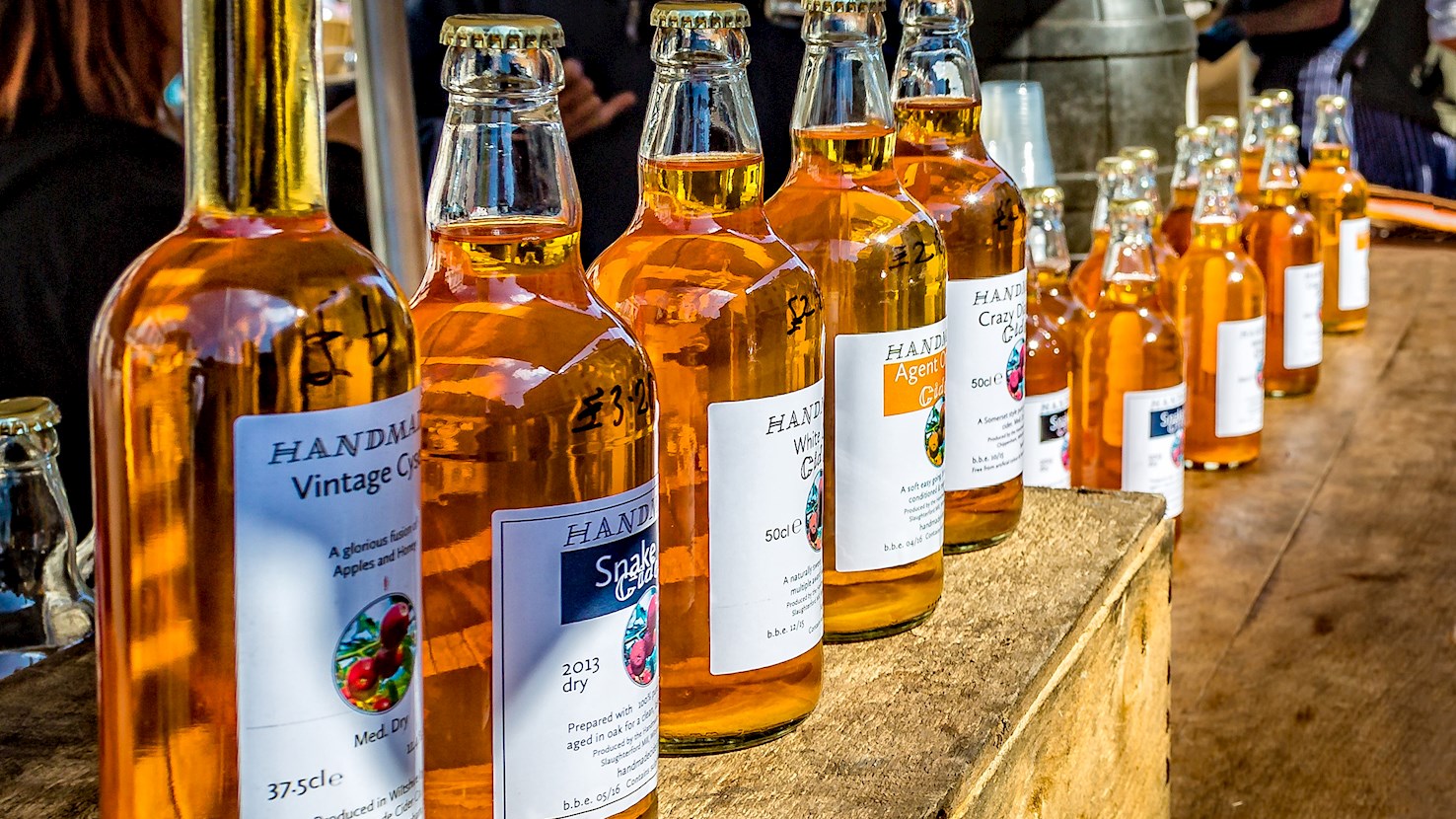
If you are unsure where to start your cider journey, begin with a regional heritage blend. These ciders typically use a mix of both culinary and cider apples, offering a balanced profile that isn't too dry for a beginner nor too sweet for a connoisseur. Look for producers in recognized cider regions like the Finger Lakes (New York), the Pacific Northwest, or Herefordshire (UK). Exploring a "flight" or a variety pack is the best way to calibrate your palate to the diverse world of 2026 craft cider.
Image Gallery