Myth vs Fact: How to Claim Hail Damage for Auto Insurance
Navigating an auto insurance claim for hail damage requires understanding how comprehensive coverage works, documenting impacts accurately, and avoiding common misconceptions about policy rates, deductibles, and repair timelines. Auto...
Navigating an auto insurance claim for hail damage requires understanding how comprehensive coverage works, documenting impacts accurately, and avoiding common misconceptions about policy rates, deductibles, and repair timelines.
Contents
Auto insurance exists to protect vehicle owners from sudden, accidental damage that is beyond their control, and severe weather events like hailstorms fall squarely within this category. However, when a massive storm sweeps through a region, leaving thousands of vehicles peppered with dents, shattered glass, and cracked windshields, vehicle owners are often met with a flurry of conflicting advice from neighbors, repair shops, and online forums. Misunderstandings regarding how premiums are calculated, whether filing a claim is considered an "at-fault" incident, and how deductibles are applied can cause vehicle owners to delay necessary repairs or make costly missteps during the claims process. Separating insurance myths from facts ensures that policyholders can maximize their coverage benefits without running into unexpected financial hurdles or policy cancellations.
Understanding Comprehensive Coverage and Hail Damage
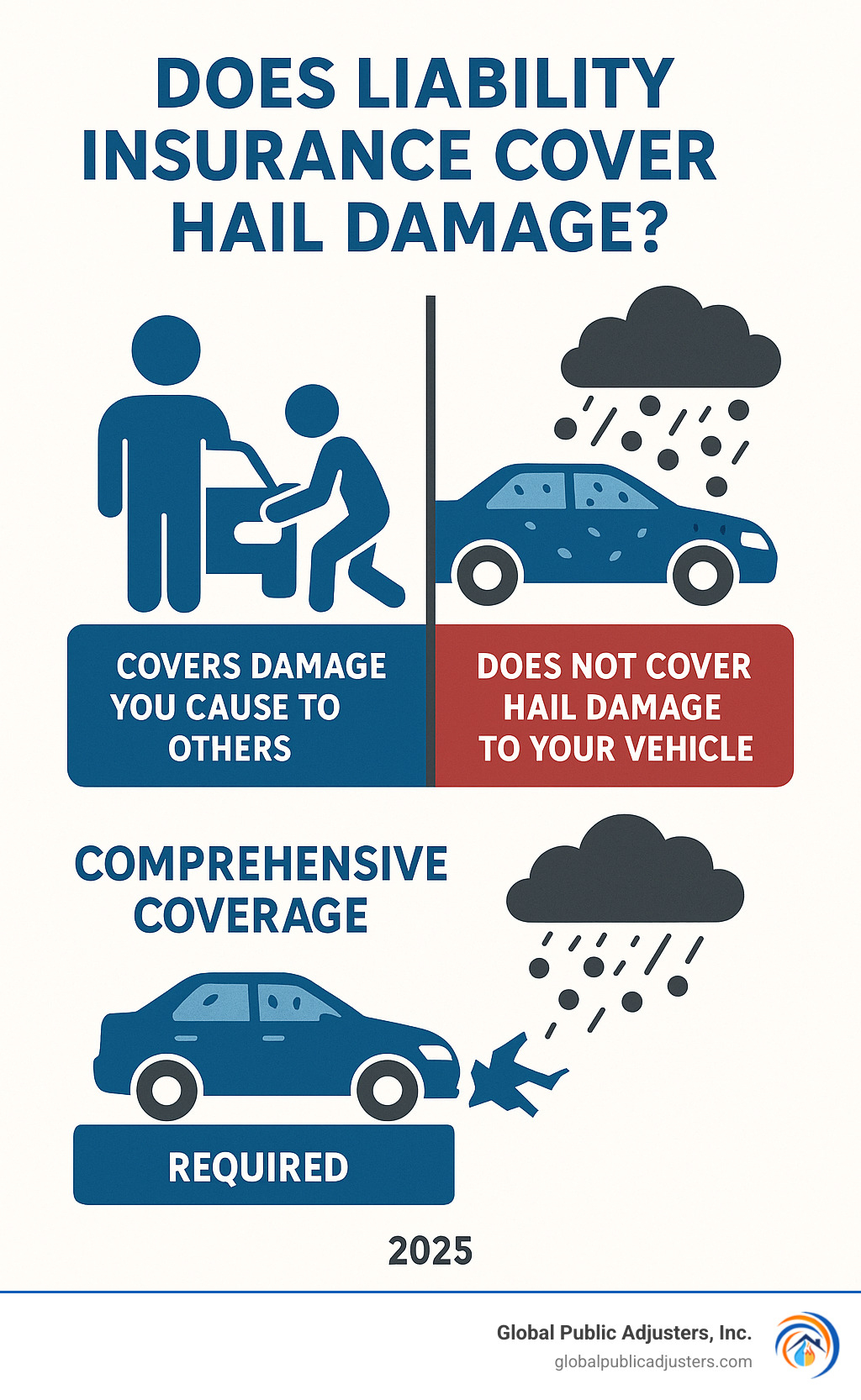
To understand how hail claims work, you must first understand the specific part of your auto insurance policy that handles weather-related events: comprehensive coverage. Unlike collision coverage, which pays for damage to your car when it hits another vehicle or object (like a fence or a tree), comprehensive coverage protects your vehicle from damage caused by events "other than collision."
Comprehensive coverage is optional if you own your car outright, meaning you paid off your loan or bought the vehicle with cash. However, if you are financing or leasing your vehicle, your lender or leasing company will almost always require you to carry both comprehensive and collision coverages until the balance is paid in full. Hail damage, windstorms, floods, vandalism, theft, and animal strikes all fall under the umbrella of comprehensive insurance.
When a hailstorm strikes, any resulting damage—ranging from minor roof dings to shattered side windows—is filed under your comprehensive policy. It is vital to review your policy declarations page to confirm your specific comprehensive deductible. The deductible is the out-of-pocket amount you must pay toward repairs before your insurance company covers the remaining balance. If your deductible is $1,000 and the total cost of paintless dent repair and glass replacement is $2,500, the insurance provider will issue a payout of $1,500.
Myth vs Fact: Common Misconceptions About Auto Insurance Hail Claims
Myths regarding weather-related insurance claims persist largely because every insurance company handles risk assessment slightly differently, and local insurance regulations vary by jurisdiction. Evaluating these claims against standard industry practices clarifies what policyholders can realistically expect.
Myth 1: Filing a Hail Damage Claim Will Cause My Insurance Rates to Spike
- The Reality: In most jurisdictions, hail damage is classified as a "not-at-fault" or comprehensive claim because the event was completely beyond your control. Actuaries view comprehensive claims differently than at-fault collision claims or moving violations. Generally, insurance companies do not penalize individual policyholders for area-wide weather catastrophes. While widespread severe weather events can lead to a general rate increase across an entire ZIP code or state due to a spike in regional claims volume, filing an individual claim for hail will rarely trigger a surcharge on your specific driving record.
Myth 2: I Should Wait Until Storm Season Is Completely Over to File
- The Reality: Waiting months to report hail damage can jeopardize your claim. Most auto insurance policies contain a contractual clause regarding the "duty to report" or prompt notification of a loss. If you wait months to file, the insurance adjuster may struggle to attribute the damage exclusively to a specific storm, opening the door for potential claim denials or disputes regarding pre-existing damage. Furthermore, leaving cracked windshields or compromised glass unrepaired creates a severe safety hazard that can worsen with minor road vibrations or subsequent temperature changes.
Myth 3: My Insurance Company Requires Me to Use Their Preferred Repair Shop
- The Reality: While insurance companies often partner with "preferred" or "direct repair program" (DRP) auto body shops to streamline the claims process and offer guaranteed warranties on workmanship, you legally have the right to choose any licensed repair facility to fix your vehicle. If you select an independent shop, the shop must work with your insurance adjuster to agree on a fair estimate. If the independent shop’s estimate is higher than the insurance adjuster's initial appraisal, a supplemental claim can be submitted for the difference.
Myth 4: Paintless Dent Repair (PDR) is Always Covered, Regardless of Paint Damage
- The Reality: Paintless Dent Repair is the industry standard for fixing hail damage because it preserves the factory finish by massaging dents out from behind the metal panel. However, PDR is only effective if the paint has not been cracked, chipped, or severely stressed by the impact of the hailstones. If the paint is compromised, traditional body shop methods—including filling, sanding, and repainting—are required, which significantly increases the total repair cost and time.
| Aspect of Claim | The Myth | The Fact |
|---|---|---|
| Rate Increases | Filing a hail claim makes my personal rates go up. | Hail is a comprehensive (not-at-fault) claim; widespread storms rarely trigger individual rate penalties. |
| Filing Timeline | I can wait months or years to file my hail claim. | Policies require prompt reporting; waiting too long can lead to claim denial or disputes over damage origins. |
| Shop Choice | I am forced to use the insurance company's repair shop. | You have the legal right to choose any licensed repair facility, though DRP shops offer streamlined guarantees. |
| Repair Methods | Every dent can be fixed quickly with paintless dent repair. | PDR requires intact paint; chipped or cracked paint requires traditional body work and repainting. |
Step-by-Step Guide: How to File a Hail Damage Claim
When a hailstorm damages your vehicle, executing a structured, methodical claims process ensures that nothing is overlooked by the insurance adjuster.
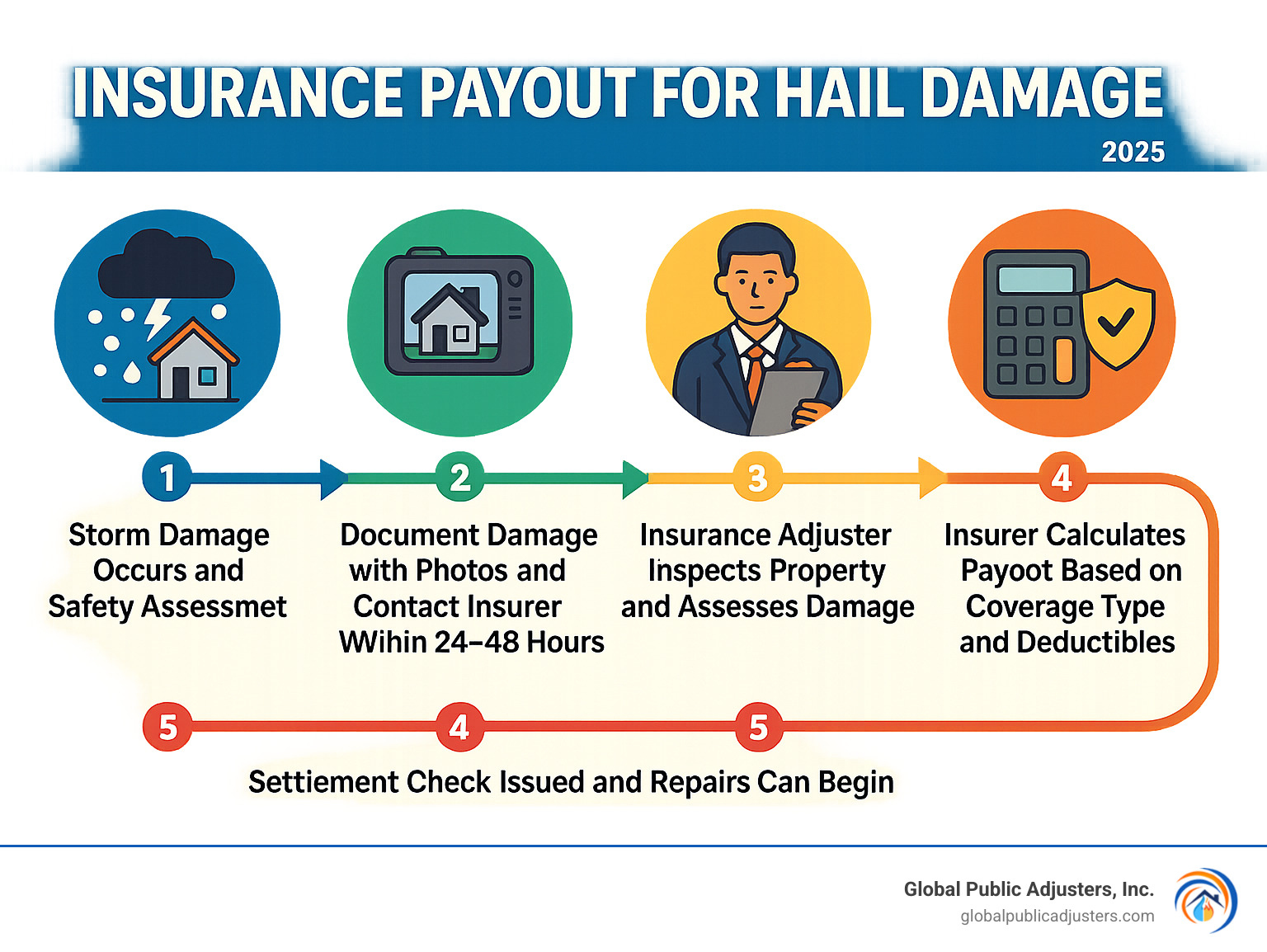
- Document the Damage Thoroughly
- Take high-resolution photos and videos in natural light, capturing all angles, the roof, hood, trunk, and glass.
- Review Your Policy and Deductible
- Verify your comprehensive deductible to determine if the repair costs exceed your out-of-pocket threshold.
- File the Claim with Your Insurer
- Contact your provider via mobile app, phone, or online portal, providing the exact date and time of the storm.
- Schedule the Vehicle Inspection
- Choose between an in-person adjuster inspection at a drive-in center, a partnered repair shop, or a virtual photo review.
- Obtain Repair Estimates and Begin Work
- Review the insurance payout, authorize repairs with your chosen shop, and monitor for any necessary supplemental claims.
Step 1: Document the Damage Thoroughly
Before moving your car or washing away post-storm debris, document everything. Use a smartphone to take clear, high-resolution photographs and videos of the exterior panels. Park your vehicle in natural, indirect daylight—such as under an overcast sky or in open shade—because direct, glaring sunlight can hide shallow dents. Capture the hood, roof, trunk lid, pillars, and all side panels. Placing a common coin (like a quarter or a dime) next to the largest dents provides scale for the adjuster to visualize the depth and diameter of the impacts.
Step 2: Review Your Policy and Deductible
Pull out your insurance policy declarations page or log into your insurance provider's mobile application. Locate your comprehensive deductible. If a hailstorm caused only a few minor, superficial dings that would cost $400 to repair, but your deductible is $1,000, filing a claim is financially impractical because you would be paying for the entire repair out of pocket while still generating an insurance record. If the damage is extensive—such as shattered glass, dented panels across the entire body, and broken exterior trim—the repair costs will easily eclipse your deductible.
Step 3: File the Claim Promptly
Contact your insurance provider to initiate the claim. Most major insurance carriers allow you to file via mobile app, website, or direct phone call. Be prepared to provide the exact date, time, and location of the storm that caused the damage. If you do not know the exact meteorological details, reference the date the severe weather system swept through your area. You will receive a claim number and the contact information for a dedicated claims adjuster.
Step 4: Schedule the Vehicle Inspection
Once the claim is logged, the insurance company will schedule an inspection to assess the damage. You may be asked to bring the vehicle to a drive-in claims center, drop it off at a partnered body shop, or submit photos through a virtual appraisal application. If you choose a virtual review, ensure your photos are well-lit and cover every panel requested by the adjuster. The adjuster will generate a formal damage estimate detailing the required parts, labor hours, and paint operations.
Step 5: Authorize Repairs and Handle Supplements
Review the insurance estimate line-by-line. If you disagree with the scope of the assessment, discuss it with your adjuster or have your chosen repair shop communicate directly with the insurance company. Once the repair facility begins working on the vehicle, they may uncover hidden damage—such as damaged clips underneath moldings or interior headliner damage from a leaking sunroof. In these cases, the shop will submit a "supplement" to the insurance company for approval before proceeding with the additional repairs.
Financial Considerations and Deductibles
Managing the financial aspects of a hail damage claim requires careful calculation of your deductible and understanding how payouts are structured. When an insurance adjuster evaluates your car, they calculate the total estimated cost of labor and parts.
If you have a lienholder on your vehicle (such as a bank or credit union), the insurance company will typically issue a settlement check made out to both you and the lienholder. This practice protects the financial interest of the lender, as they want to ensure the collateral securing their loan is properly repaired. To cash or deposit the check, you will need to have the lienholder endorse it, which often involves sending the check to their loss-draft department or working directly with a trusted body shop that has established procedures for handling dual-party checks.
Furthermore, if you decide not to repair your car after receiving a payout check, you should consider the long-term consequences. While pocketing the insurance payout and driving a dented car is legally permissible if you own the vehicle outright, it can heavily impact future claims. If a second hailstorm or a collision damages the exact same panels later, the insurance company will deduct the previous payout amount from any new settlement, as those pre-existing dents were never fixed. For financed vehicles, failing to repair the car and keeping the insurance payout constitutes a breach of your loan contract.
Frequently Asked Questions
Will filing a hail damage claim raise my insurance rates?
Generally, no. Hail damage is classified as a comprehensive claim resulting from a natural catastrophe or act of God, which is a non-fault incident. Insurance companies evaluate at-fault accidents and moving violations much more strictly than acts of nature. However, widespread regional storms can cause base rates to rise across an entire geographic area, independent of whether you filed an individual claim.
What happens if the cost of repairs is less than my deductible?
If the total repair estimate calculated by the insurance adjuster is lower than your comprehensive deductible, your insurance company will not issue a payout. You will be responsible for covering 100% of the repair costs out of pocket. In this scenario, it is usually wise to withdraw or choose not to file the claim, as filing a claim that results in a zero payout can still be logged on your Comprehensive Loss Underwriting Exchange (C.L.U.E.) report.
Can I pocket the insurance money and not fix my car?
If you own your vehicle outright without any loans or leases, you are legally permitted to keep the insurance payout and drive your car with hail damage. However, if you have an active loan or lease, your lender is listed as a loss payee on the insurance check, meaning they require the funds to be used to restore the vehicle's value. Additionally, keeping the payout without repairing the car means any future claims on those same panels will be reduced by the prior payout amount.
How long do I have to file a hail damage claim after a storm?
The timeframe varies depending on your specific insurance policy language and state regulations, but most policies require you to report a loss "promptly" or within a reasonable timeframe (typically ranging from 30 days to one year from the date of the storm). Waiting too long creates difficulties in proving that the damage was caused by a specific weather event, which can give the insurer grounds to deny the claim.
Is paintless dent repair (PDR) covered by standard auto insurance?
Yes. If the paint is undamaged and the dents can be successfully removed using PDR techniques, your comprehensive insurance covers the cost of the procedure. In fact, many insurance companies prefer PDR because it is faster and significantly more cost-effective than traditional body shop repairs involving body filler and new paint panels.
Conclusion and Next Actions
Filing an auto insurance claim for hail damage does not have to be an overwhelming ordeal. By verifying your comprehensive deductible, documenting the damage immediately with high-resolution photos, and understanding that weather-related claims are generally classified as non-fault incidents, you can navigate the process with confidence. Review your auto insurance policy declarations today to ensure your comprehensive deductible aligns with your budget before storm season peaks, and never hesitate to consult a licensed insurance agent or trusted independent repair facility if you encounter complex disputes regarding your claim estimate.
Image Gallery