Exploring the Different Types of Life Insurance Policies: A Complete 2026 Guide
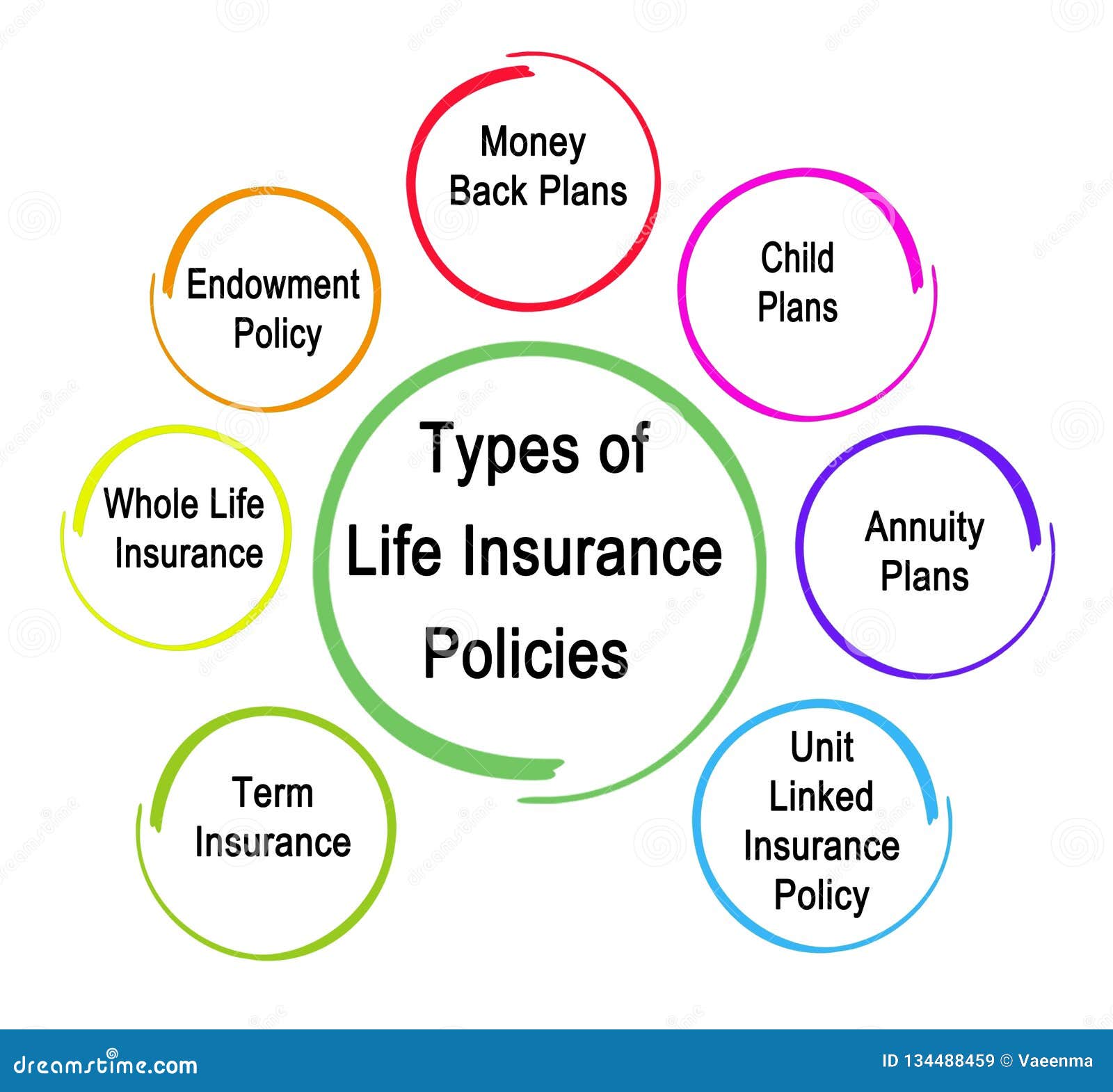
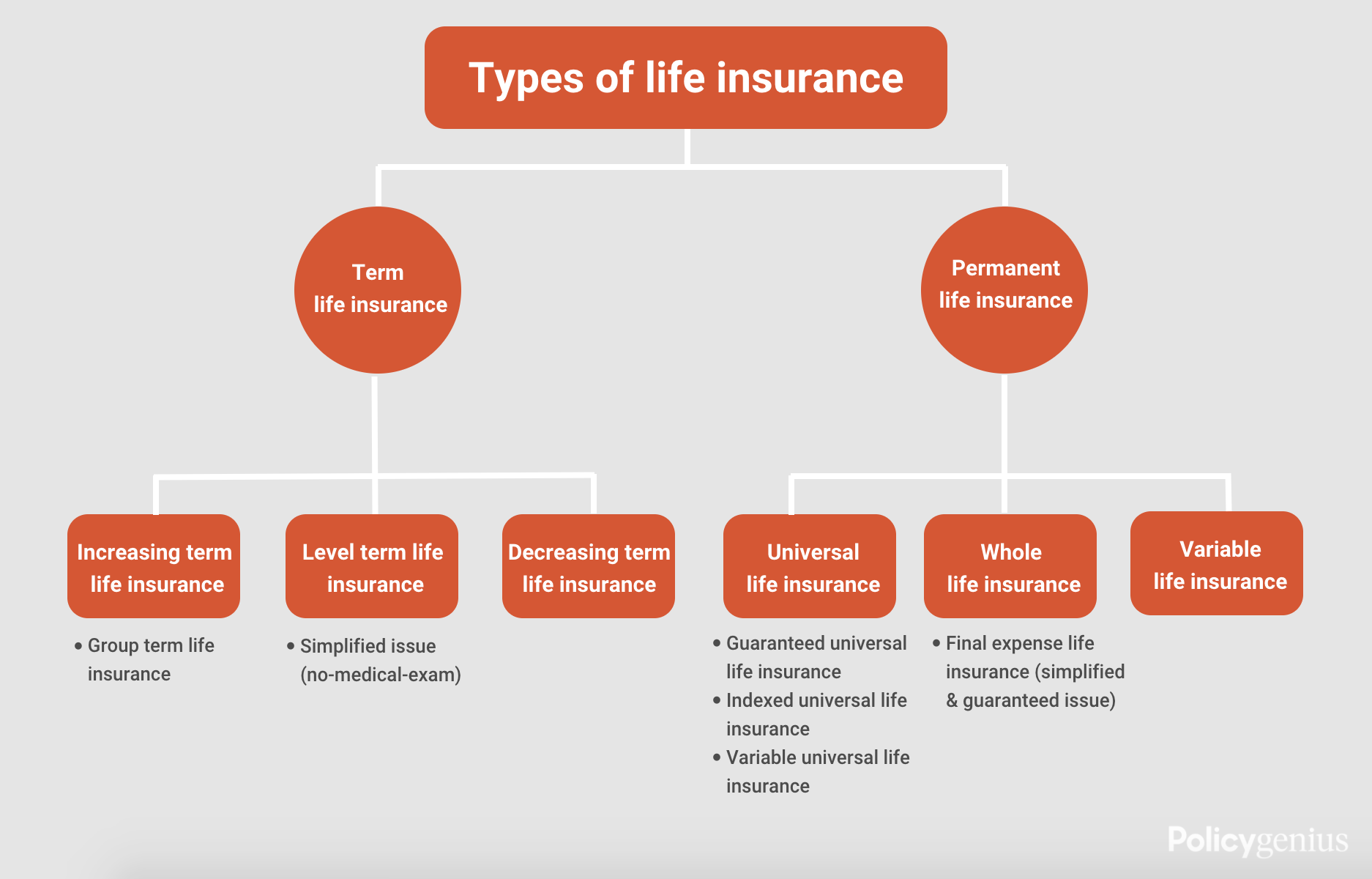
Choosing the right life insurance policy involves selecting between two primary categories: term life insurance, which provides coverage for a specific period, and permanent life insurance, which offers lifelong protection and often in...
Choosing the right life insurance policy involves selecting between two primary categories: term life insurance, which provides coverage for a specific period, and permanent life insurance, which offers lifelong protection and often includes a savings component known as cash value. Within these categories, various specialized products like whole, universal, and variable life insurance cater to different financial goals and risk tolerances.
Contents
Life insurance is a foundational element of a robust financial plan. As of 2026, the insurance market has evolved to offer more flexible, transparent, and digitally accessible products than ever before. However, the core purpose remains the same: to provide a financial safety net for your beneficiaries in the event of your passing. This guide examines the mechanics, advantages, and limitations of every major type of life insurance policy available today.
Term Life Insurance: Temporary and Affordable Protection
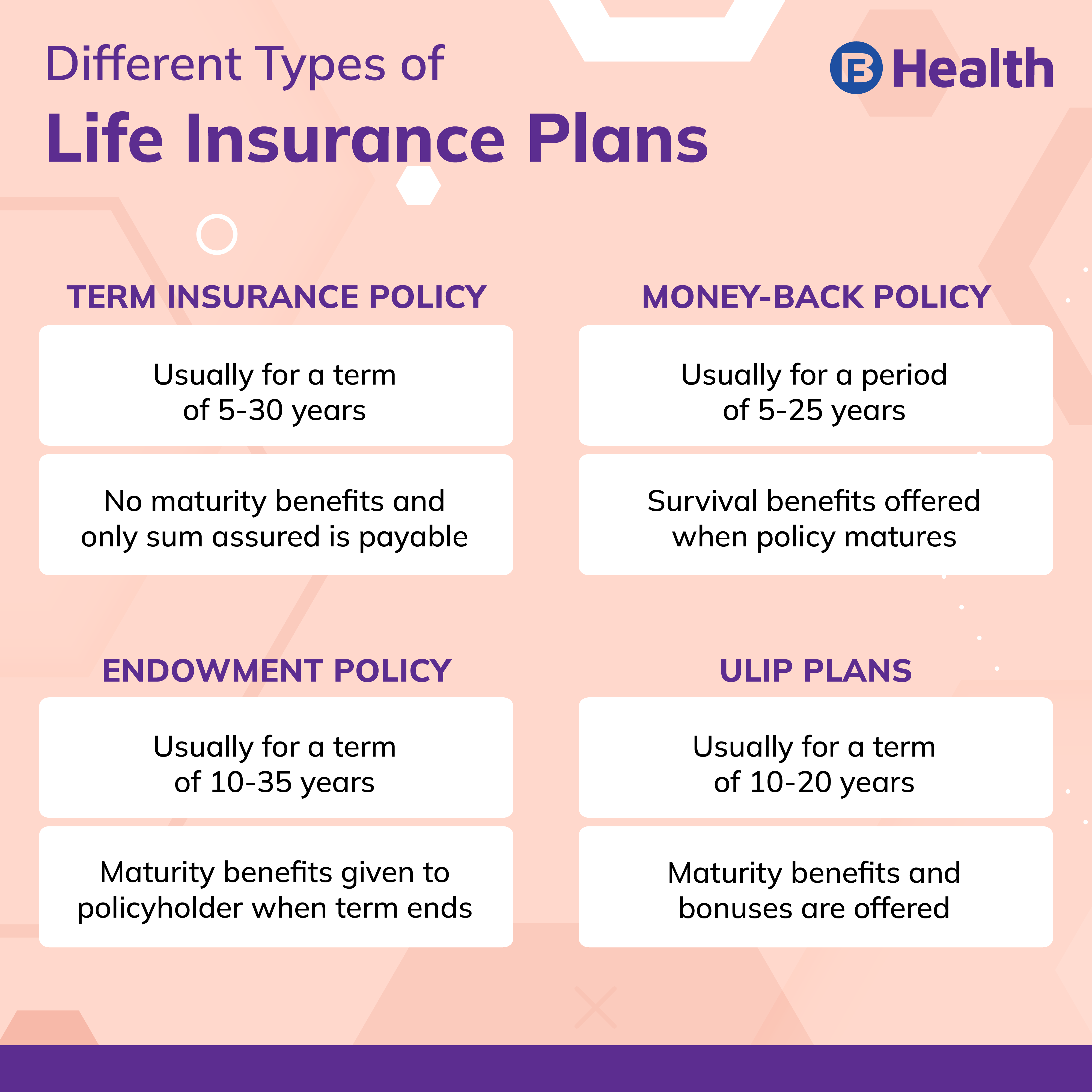
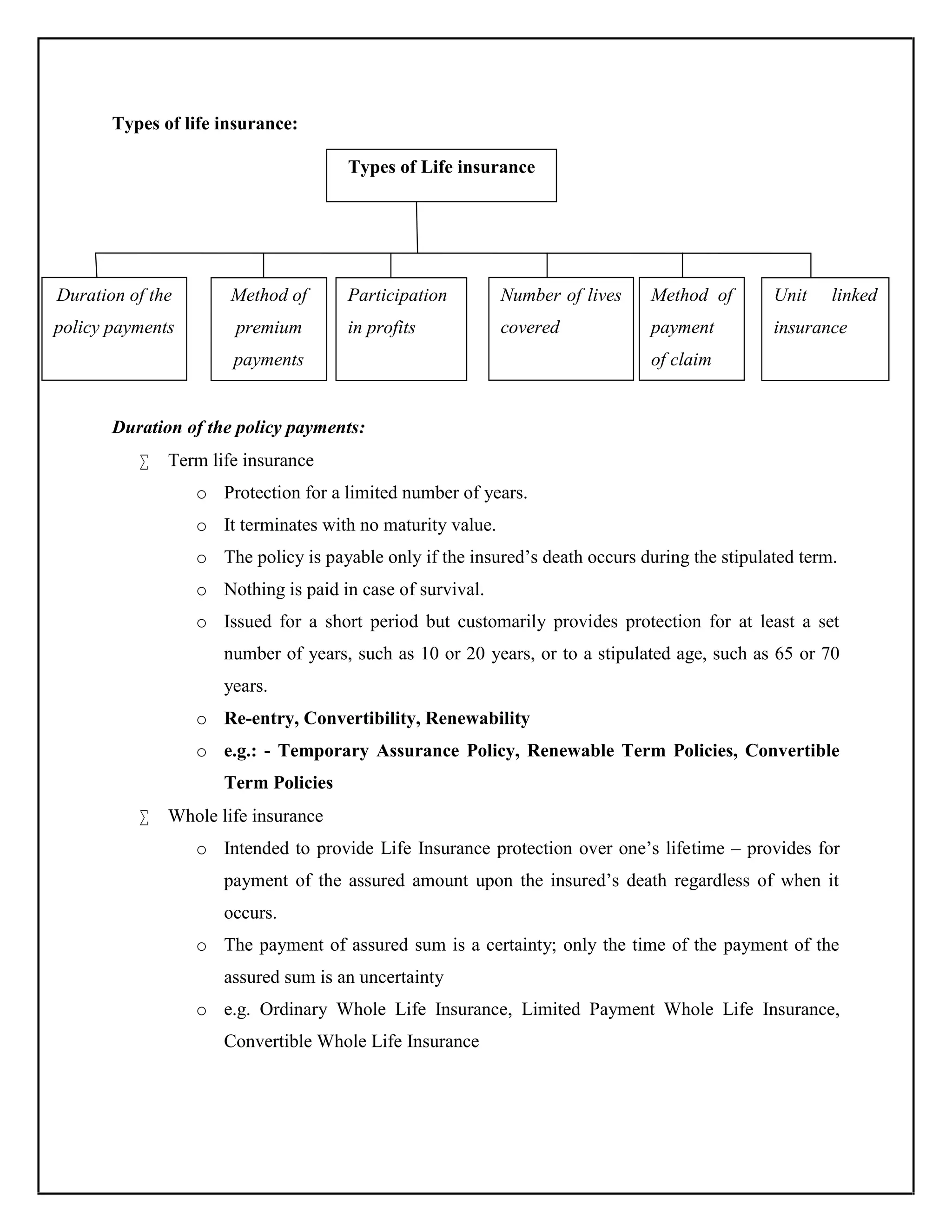
Term life insurance is often described as "pure" life insurance because its sole purpose is to provide a death benefit. It does not have an investment component or cash value. You purchase coverage for a specific "term"—typically 10, 15, 20, or 30 years. If you pass away during this window, your beneficiaries receive the payout. If the term expires while you are still living, the coverage simply ends unless you renew it or convert it.
Level Term Life Insurance
The most common form of term insurance is level term. "Level" refers to both the premium and the death benefit remaining the same throughout the duration of the policy. In 2026, many consumers prefer this for its predictability; you know exactly what you will pay and what your family will receive for the next two or three decades.
Decreasing Term Life Insurance
Often used for mortgage protection, the death benefit of a decreasing term policy drops over time, usually in alignment with the balance of a major debt. While the payout decreases, the premiums typically stay level. This is a niche product for those who specifically want to ensure a debt is cleared if they pass away but do not need a large windfall for other expenses.
Return of Premium (ROP) Term Life
ROP policies are a hybrid. If you outlive the term, the insurance company refunds the premiums you paid. While this sounds ideal, ROP policies are significantly more expensive than standard term insurance. From a technical standpoint, you are essentially giving the insurance company an interest-free loan of your premium dollars in exchange for the eventual refund.
Key Considerations for Term Life
Term insurance is ideal for young families or individuals with high debt loads (like mortgages or student loans) who need maximum coverage for the lowest possible cost. Most modern term policies include a conversion rider, allowing you to switch to a permanent policy without a new medical exam, which is a vital safeguard if your health declines during the term.
Permanent Life Insurance: Lifelong Coverage and Cash Value
Permanent life insurance is designed to last until your death, provided premiums are paid. These policies are more complex and expensive than term life because they include a cash value component. A portion of your premium goes toward the death benefit and administrative fees, while the remainder accumulates in a tax-deferred account.
Whole Life Insurance
Whole life is the most straightforward permanent policy. It offers fixed premiums, a guaranteed death benefit, and a guaranteed rate of return on the cash value.
- Guarantees: The primary draw of whole life is certainty. As long as you pay the premiums, the policy will pay out.
- Dividends: Some policies are "participating," meaning they may pay dividends based on the insurance company’s financial performance. In 2026, these dividends are often used to purchase "paid-up additions," increasing the total death benefit.
- Accessing Cash: You can borrow against the cash value or surrender the policy for its current value, though this reduces the death benefit.
Universal Life Insurance (UL)
Universal life insurance offers more flexibility than whole life. Policyholders can adjust their premiums and death benefits as their financial circumstances change.
- Flexibility: If you have a high-income year, you can overfund the policy to build cash value faster. If money is tight, you may be able to use the accumulated cash value to cover the premiums.
- Guaranteed Universal Life (GUL): This sub-type focuses on the death benefit rather than cash accumulation. It is designed to be a lower-cost permanent option that stays in force as long as a minimum premium is met.
Indexed Universal Life (IUL)
IUL policies tie the growth of the cash value to a market index, such as the S&P 500.
- Caps and Floors: IULs typically have a "floor" (e.g., 0%), ensuring you don't lose cash value if the market crashes. However, they also have a "cap" (e.g., 8% or 10%), limiting your gains during bull markets.
- Technical Complexity: These require active monitoring. If the index performs poorly for several years and the cost of insurance rises, the policy could lapse if not properly funded.
Variable Life Insurance
Variable life insurance allows the policyholder to invest the cash value in "separate accounts," which function similarly to mutual funds.
- Investment Risk: Unlike whole life or IUL, variable life carries direct market risk. Your cash value—and sometimes the death benefit—can decrease if the underlying investments perform poorly.
- Regulation: Because of the investment component, these are considered securities and are regulated by both state insurance departments and the Securities and Exchange Commission (SEC).
Specialized Life Insurance Types
Beyond the standard categories, several specialized products exist to meet specific demographic or financial needs.
Final Expense Insurance
Also known as "burial insurance," these are small whole life policies (typically $5,000 to $25,000) intended to cover funeral costs and minor end-of-life debts. They are popular with seniors because they often feature "simplified issue" or "guaranteed issue" underwriting, meaning no medical exam is required.
Group Life Insurance
Often provided as an employee benefit, group life is typically term insurance. It is convenient and often free for a basic amount (e.g., 1x your salary). However, it is usually not portable; if you leave your job, you lose the coverage. Relying solely on group life is a common mistake in financial planning.
Survival Life Insurance (Second-to-Die)
This policy covers two people (usually spouses) and pays out only after the second person passes away. It is primarily used in estate planning to cover federal estate taxes or to provide for a special-needs child after both parents are gone. Because it covers two lives and pays out later, the premiums are generally lower than two individual permanent policies.
Comparing the Primary Types of Life Insurance
The following table provides a high-level comparison of the most common policy types to help distinguish their core mechanics.
| Feature | Term Life | Whole Life | Universal Life | Variable Life |
|---|---|---|---|---|
| Duration | Fixed Term (10–30 years) | Lifelong | Lifelong | Lifelong |
| Premiums | Fixed & Low | Fixed & High | Flexible | Fixed or Flexible |
| Cash Value | None | Guaranteed Growth | Variable (Interest-based) | Market-linked (Sub-accounts) |
| Death Benefit | Fixed | Guaranteed | Adjustable | Can vary based on performance |
| Complexity | Low | Moderate | High | Very High |
| Best For | Income replacement | Estate planning / Stability | Flexible budgets | Long-term investors |
Key Riders: Customizing Your Policy
Riders are optional add-ons that allow you to customize your coverage. In 2026, several riders have become industry standards:
- Accelerated Death Benefit: Allows you to access a portion of the death benefit while still alive if diagnosed with a terminal illness.
- Waiver of Premium: If you become totally disabled and cannot work, the insurance company waives your premium payments while keeping the policy active.
- Long-Term Care (LTC) Rider: Provides funds from the death benefit to pay for home health care or a nursing home if you cannot perform daily living activities.
- Child Term Rider: Adds a small amount of term coverage for your children under your own policy.
How to Determine Which Policy Type You Need
The "best" life insurance policy is subjective and depends on your current stage of life and financial objectives. To make an informed decision, consider these three factors:
1. Your Financial Obligations
If your primary goal is to ensure your children can go to college and your spouse can pay off the house if you pass away during your working years, Term Life is the most efficient tool. It provides the highest payout for the lowest monthly cost.
2. Your Budget and Cash Flow
Permanent policies require a long-term financial commitment. If there is a risk you might stop paying premiums in five or ten years, a whole life policy may be a poor investment due to early surrender charges. According to the National Association of Insurance Commissioners (NAIC), lapsing a permanent policy early is one of the most common ways consumers lose money in the insurance market.
3. Your Need for a "Forced Savings" Vehicle
If you have already maxed out your 401(k) and IRA and are looking for additional tax-advantaged ways to grow wealth, the cash value in Variable or Universal Life can be attractive. The tax-deferred growth allows the principal to compound faster than in a taxable brokerage account.
Frequently Asked Questions
Can I have more than one life insurance policy?
Yes. Many people use a "laddering" strategy. For example, you might have a 30-year term policy to cover your mortgage and a smaller whole life policy to cover final expenses. This allows you to have high coverage when you need it most while maintaining a permanent base.
What happens if I stop paying my premiums?
For term life, the policy simply lapses after a grace period (usually 30 days). For permanent life, the insurance company may use your accumulated cash value to pay the premiums until the cash is exhausted, at which point the policy will lapse.
Is the death benefit taxable?
In most cases, the death benefit paid to beneficiaries is not subject to federal income tax. However, if the payout is made to your estate rather than a named individual, it may be subject to estate taxes if the total estate value exceeds federal or state thresholds. You can find specific guidelines on the IRS website.
Does my health affect the type of policy I can get?
Yes. "Fully underwritten" policies require a medical exam and offer the best rates. If you have significant health issues, you may be steered toward "Guaranteed Issue" policies, which have no medical questions but come with much higher premiums and lower death benefits.
Can I change my mind after I buy a policy?
Most states mandate a "Free Look Period" (usually 10 to 30 days) during which you can cancel a new policy for a full refund of any premiums paid. After this period, canceling a term policy results in no refund, while canceling a permanent policy may trigger surrender charges.
Next Actions for Choosing a Policy
To move forward, begin by calculating your "human life value"—the total income your family would lose if you were no longer here. Subtract your current liquid assets and add your total debts. This number is your target death benefit.
Once you have a coverage amount, consult with an independent insurance broker who can provide quotes from multiple carriers. Because life insurance is a long-term legal contract, always review the Illustration—a document provided by the insurer that projects the policy’s performance over several decades—before signing.
Image Gallery