Navigating the Spring EQ Home Equity Loan and Its Impact on Your Cash Flow
A Spring EQ home equity loan allows homeowners to leverage accumulated property wealth by providing a lump sum of capital, which directly alters monthly cash flow through a new fixed-rate debt obligation that replaces or supplements ex...
A Spring EQ home equity loan allows homeowners to leverage accumulated property wealth by providing a lump sum of capital, which directly alters monthly cash flow through a new fixed-rate debt obligation that replaces or supplements existing household liabilities.
Contents
For many homeowners, managing household finances requires a careful balance between monthly liquidity and long-term asset accumulation. When unexpected expenses arise, major home renovations become necessary, or high-interest revolving debt begins to strain a monthly budget, property owners often look toward their accumulated real estate equity for relief. A Spring EQ home equity loan provides a structured mechanism to access this wealth. However, introducing a new structural liability changes household cash flow dynamics immediately. Understanding how these financial products operate, the mechanics behind their underwriting, and their direct impact on day-to-day liquidity is essential for maintaining long-term financial stability.
Understanding Spring EQ and Home Equity Loan Mechanics
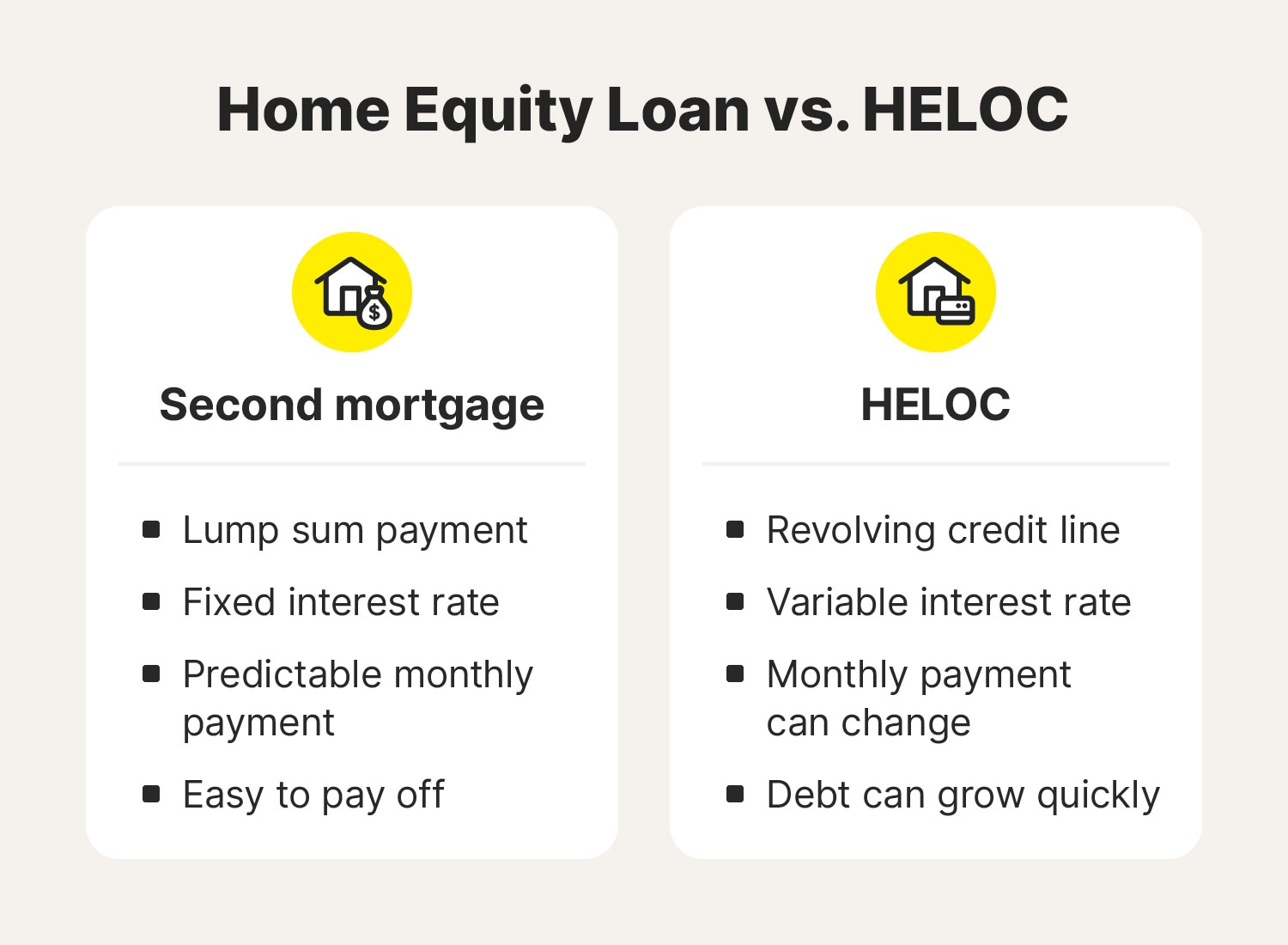
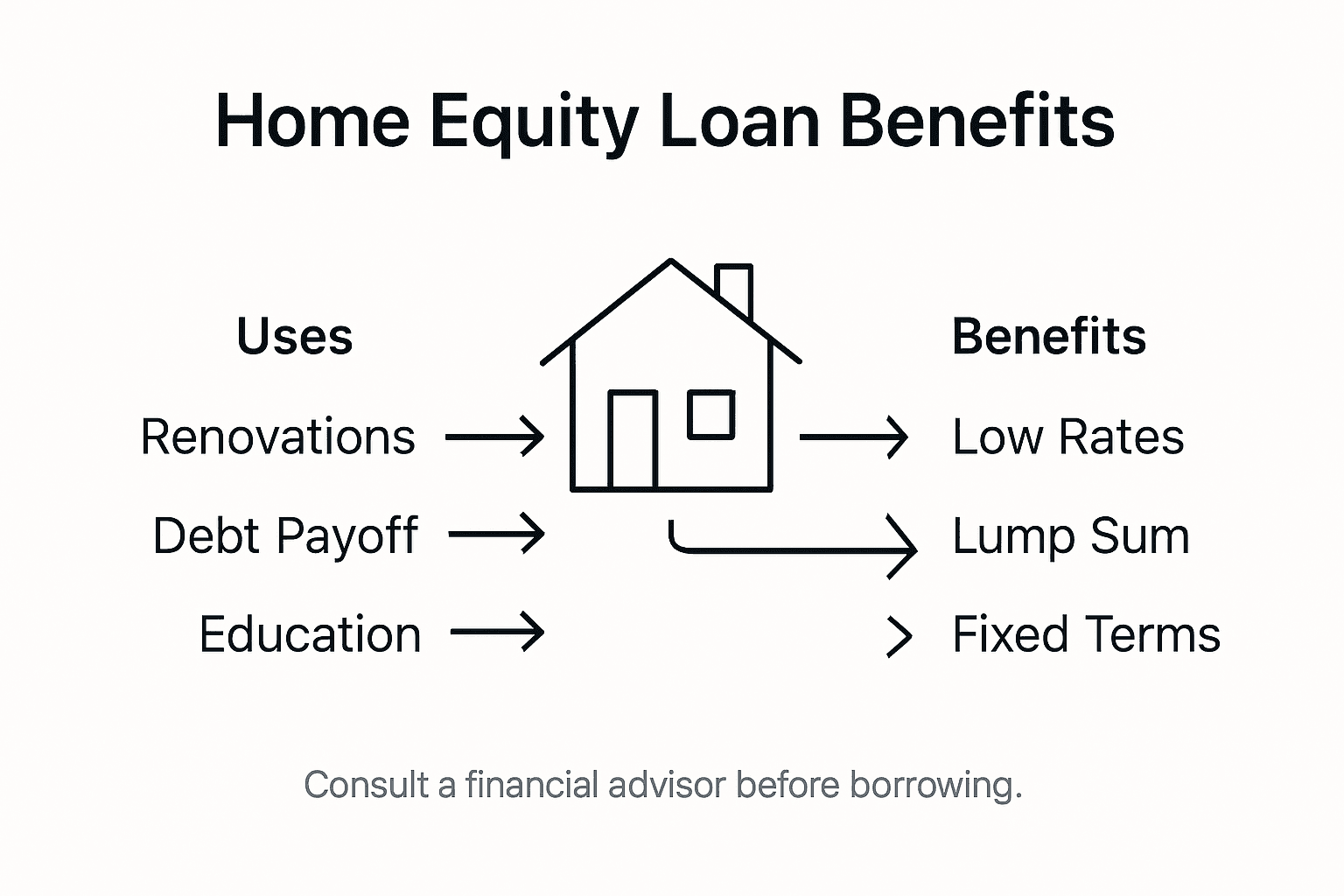
Spring EQ operates as a specialized consumer lending institution focusing primarily on home equity financing, including both closed-end home equity loans and home equity lines of credit (HELOCs). A home equity loan functions as a second mortgage. It delivers a single, lump-sum disbursement of cash at closing, which is then repaid over a fixed amortization schedule with predictable monthly installments.
Unlike a revolving line of credit where interest rates can fluctuate, a standard closed-end home equity loan typically features a fixed interest rate. This ensures that the principal and interest components of the monthly payment remain constant throughout the life of the loan. For cash flow planning, this predictability is a primary advantage. Homeowners know precisely how much capital is required each month, eliminating the uncertainty associated with variable-rate debt or fluctuating credit card minimums.
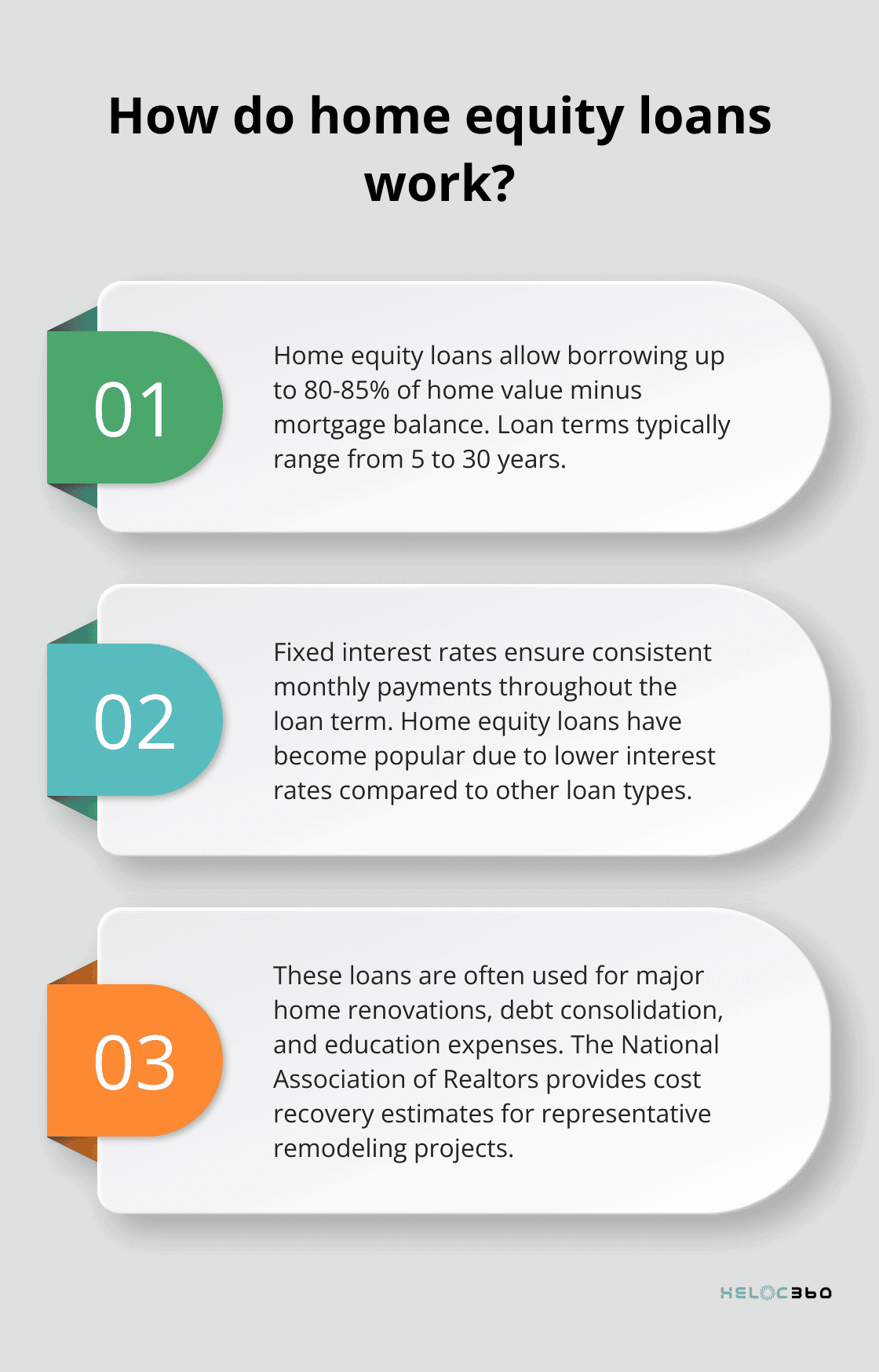
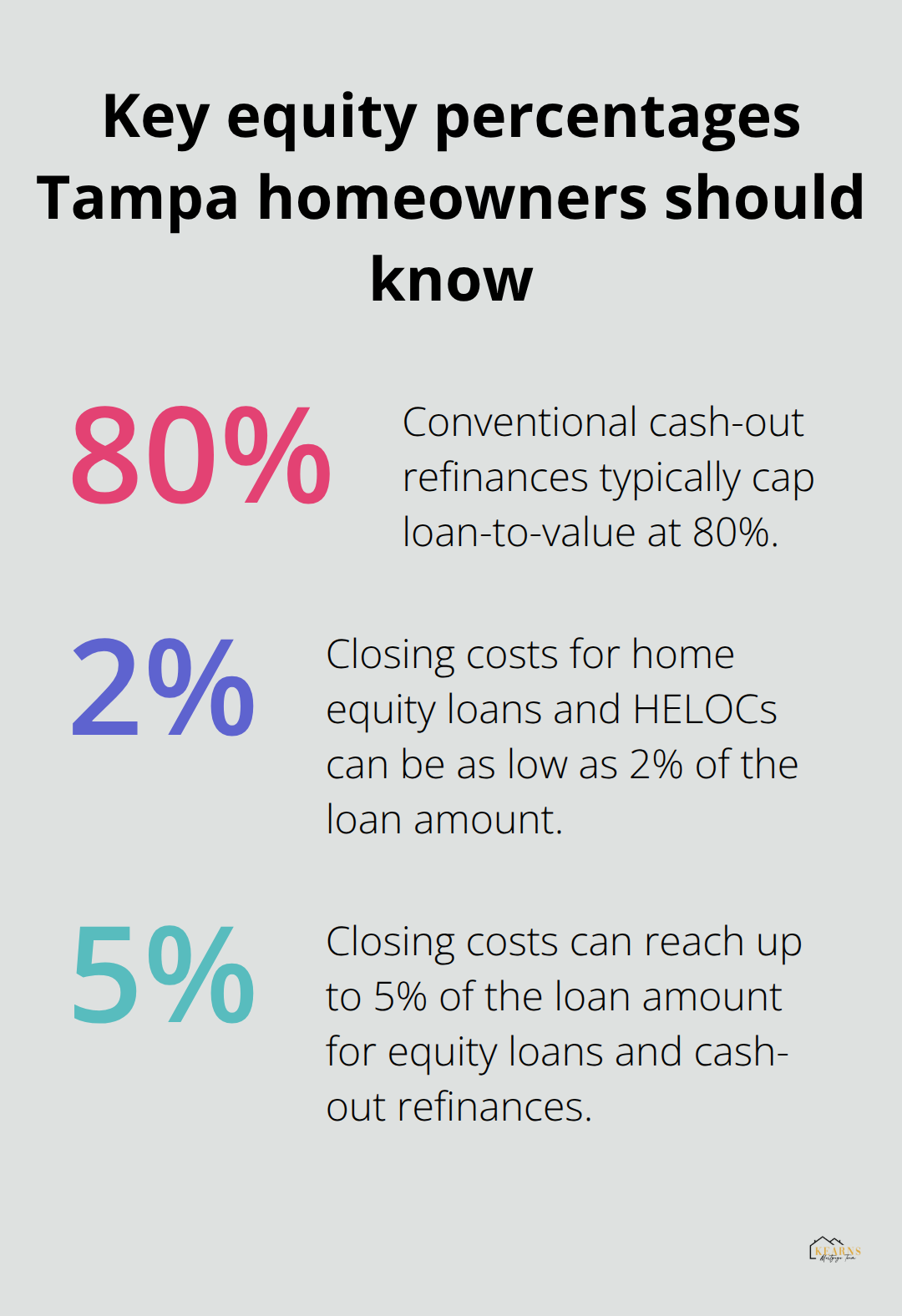
However, obtaining this capital requires leveraging the borrower's primary residence as collateral. The maximum loan amount available through lenders like Spring EQ depends on several underwriting factors, including the current appraised market value of the property, the remaining balance on any existing first mortgage, and the borrower's credit profile and debt-to-income (DTI) ratio. Most institutional lenders enforce a maximum combined loan-to-value (CLTV) ratio, often capping total borrowings against the home at 80% to 89% of its appraised value, depending on creditworthiness and property type.
The Direct Relationship Between Home Equity Loans and Cash Flow
Cash flow represents the net amount of cash moving in and out of a household over a specific period. Introducing a Spring EQ home equity loan alters both the inflow of immediate capital and the outflow of monthly obligations. Evaluating this relationship requires examining both the short-term cash injection and the long-term structural changes to monthly expenses.
Short-Term Liquidity vs. Long-Term Debt Obligations
At the moment of closing, a home equity loan provides a substantial influx of liquid capital. For households facing severe liquidity constraints due to unexpected medical bills or structural home emergencies, this cash injection solves immediate solvency pressures.
Nevertheless, this immediate relief comes with a mandatory trade-off: a permanent addition to monthly cash outflows. Every month following loan disbursement, the borrower must service the new debt. If the monthly payment required by the Spring EQ loan exceeds the financial relief gained from consolidating other debts, the household's net monthly cash flow will contract, leaving less room for discretionary spending or emergency savings.
Debt Consolidation and Cash Flow Optimization
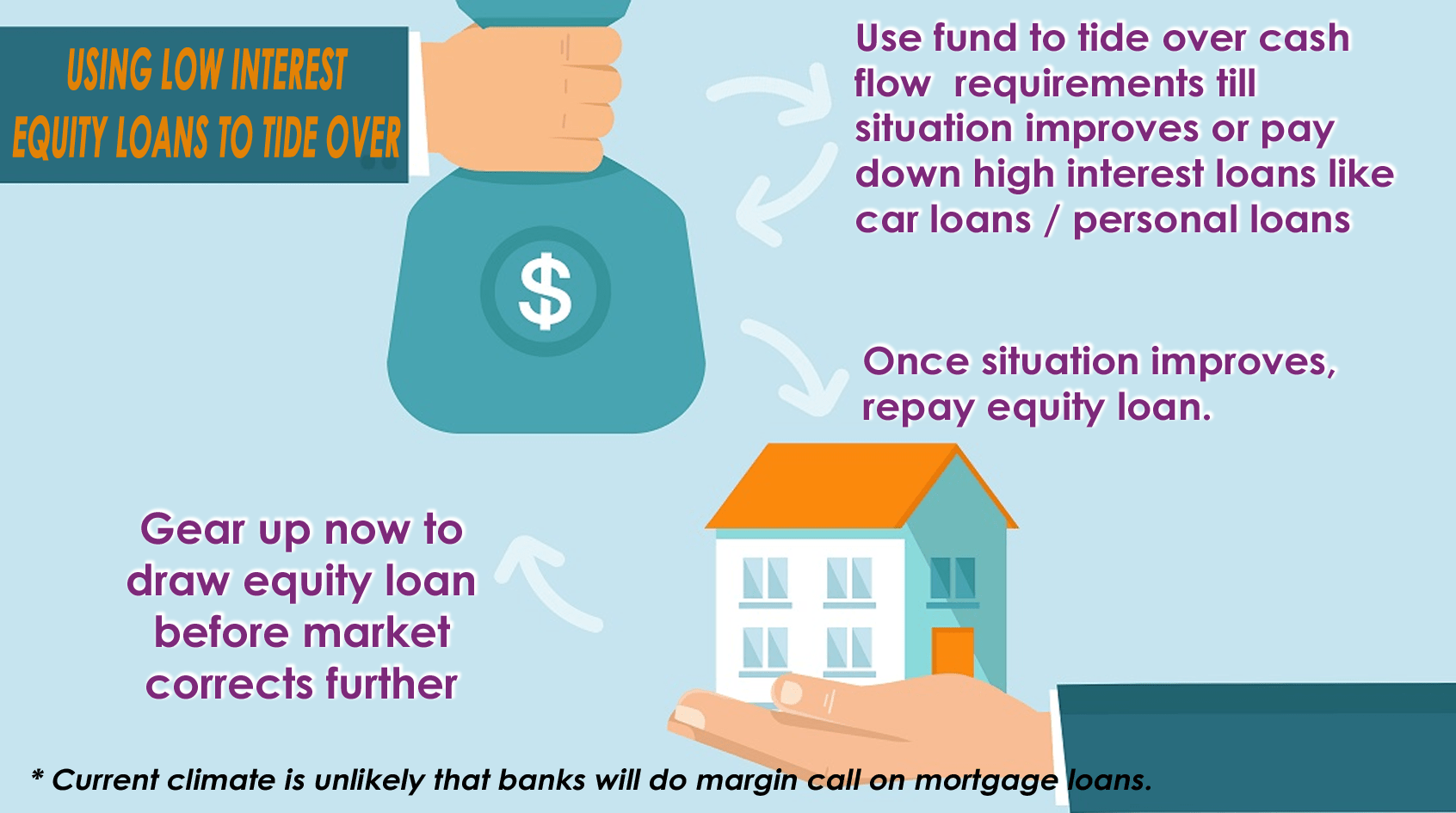
One of the most common applications for a home equity loan is debt consolidation. Many consumers use the lump-sum proceeds from a Spring EQ loan to pay off high-interest unsecured liabilities, such as credit cards, personal loans, and medical debt.
| Debt Type | Typical Interest Rate Structure | Impact on Monthly Cash Flow |
|---|---|---|
| Credit Cards | Variable, High (often 20% to 30% APR) | Volatile; minimum payments consume significant cash. |
| Personal Loans | Fixed, Moderate to High | Moderate; fixed monthly installment over a short term. |
| Spring EQ Home Equity Loan | Fixed, Moderate (secured by real estate) | Predictable, consolidated monthly outflow, often lower overall. |
By replacing multiple high-interest, variable-rate monthly obligations with a single, lower-rate fixed installment payment, homeowners can frequently reduce their total monthly debt service obligations. This restructuring frees up monthly cash flow, providing immediate breathing room in the household budget. However, stretching unsecured debt into a multi-year mortgage term can increase the total lifetime interest paid, even if the monthly cash flow improves in the short term.
Qualification Criteria and Underwriting Considerations
Before a Spring EQ home equity loan can influence a household's cash flow, the borrower must successfully navigate the underwriting process. Lenders evaluate several financial and property metrics to determine eligibility, pricing, and maximum loan amounts.
Credit Score and Financial History
Creditworthiness plays a central role in determining the interest rate and terms offered on a home equity loan. While specific thresholds vary based on internal lending guidelines and broader macroeconomic conditions, borrowers with higher credit scores generally qualify for lower interest rates. A lower interest rate minimizes the monthly payment size, thereby protecting household cash flow more effectively than a high-rate alternative.
Debt-to-Income (DTI) Ratio Limits
Underwriters scrutinize the borrower's debt-to-income ratio, which compares total monthly debt payments (including the proposed new home equity loan payment and the primary mortgage) to gross monthly income. Spring EQ, like most institutional lenders, maintains maximum DTI thresholds to ensure borrowers have sufficient income to service their obligations without defaulting. If a consolidation loan replaces existing debts dollar-for-dollar, the DTI may remain stable or improve; however, taking on additional net debt will elevate the DTI ratio.
Property Valuation and Equity Requirements
The foundation of any home equity product is the available equity within the property. Spring EQ requires a professional property valuation—often conducted via a full appraisal, automated valuation model (AVM), or hybrid evaluation—to establish market value. Subtracting the primary mortgage balance from this appraised value yields the nominal equity. Lenders then apply the CLTV limit to determine the maximum borrowing capacity.
Evaluating the Cost of Borrowing and Hidden Fees
Managing cash flow effectively requires a comprehensive accounting of all costs associated with acquiring and maintaining a home equity loan. Focusing solely on the monthly principal and interest payment provides an incomplete financial picture.
Origination Fees and Closing Costs
Like primary mortgages, home equity loans often involve closing costs, which may include origination fees, appraisal fees, title search fees, and recording charges. Some lenders advertise zero-closing-cost loans, but these arrangements frequently incorporate the fees into a higher interest rate or roll them into the total loan balance. Rolling costs into the principal increases the total debt burden and raises the monthly payment, altering the projected cash flow benefit.
Interest Rates and Market Conditions
Interest rates on home equity loans are influenced by broader economic benchmarks, such as the federal funds rate and Treasury yields, alongside borrower-specific risk factors. Because these loans are secured by real estate, their interest rates are typically lower than those of unsecured credit cards or personal loans. Homeowners must weigh the fixed cost of borrowing against potential investment returns or the financial savings achieved through debt restructuring.
Alternatives to Spring EQ Home Equity Loans
Evaluating whether a Spring EQ home equity loan is the optimal tool for managing cash flow requires comparing it against alternative financial instruments available to property owners.
Home Equity Lines of Credit (HELOCs)
A HELOC functions as a revolving credit line rather than a lump-sum loan. Borrowers draw funds as needed during a designated draw period, typically paying interest only on the drawn amount during that phase.
- Cash Flow Structure: HELOCs usually feature variable interest rates, meaning monthly payments can fluctuate over time. This introduces interest rate risk, which can strain cash flow if market rates rise significantly.
- Best Use Cases: Ideal for ongoing projects, phased home renovations, or establishing an emergency liquidity reserve without incurring immediate interest on an entire lump sum.
Cash-Out Refinancing
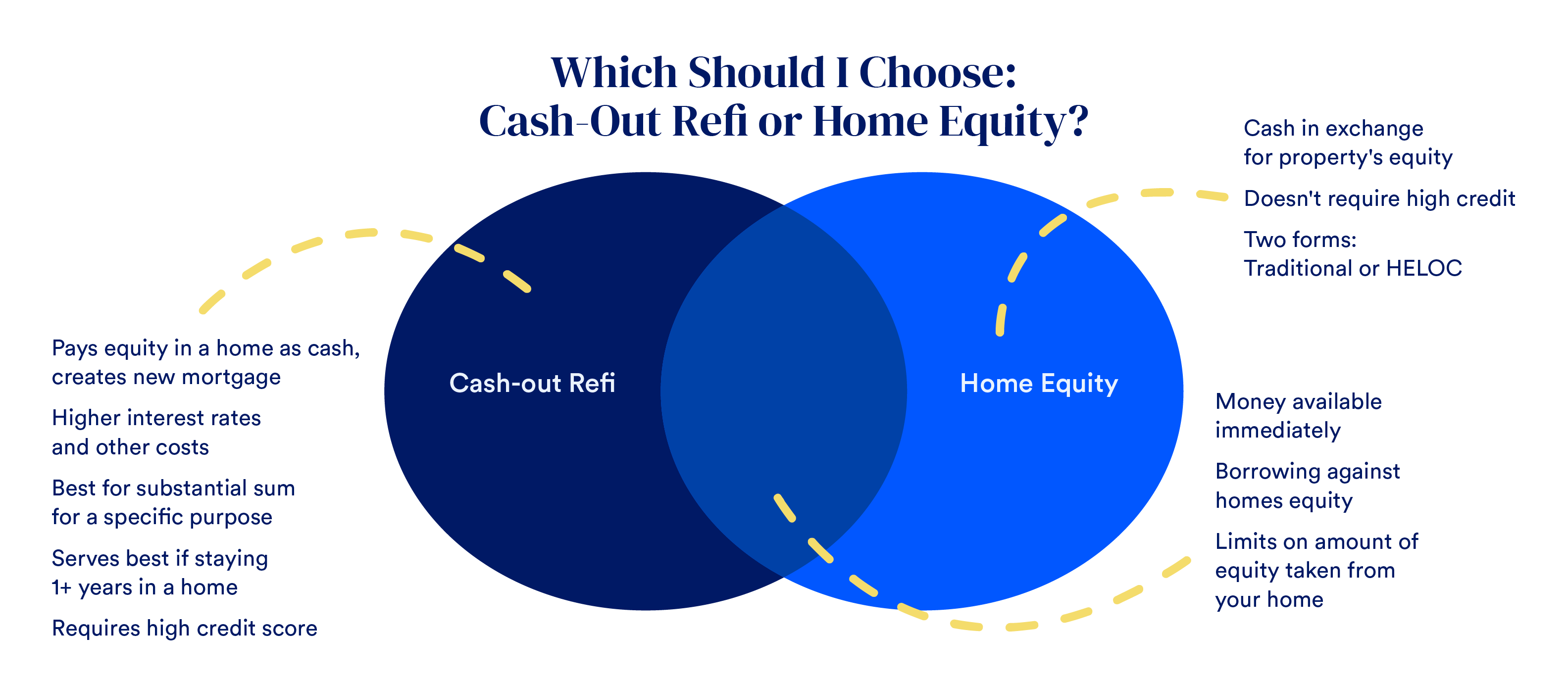
A cash-out refinance replaces the existing first mortgage with a new, larger mortgage, disbursing the difference in cash.
- Cash Flow Structure: Resets the amortization schedule on the entire primary mortgage balance, which can lower monthly payments by extending the term to 30 years, but increases long-term interest costs.
- Best Use Cases: Best utilized when prevailing market interest rates are lower than the interest rate on the homeowner's existing first mortgage. If current market rates exceed the existing mortgage rate, a cash-out refinance would unnecessarily increase the cost of the primary debt, making a Spring EQ second-lien home equity loan a more cost-effective choice.
Personal Loans and Unsecured Credit
Unsecured personal loans provide lump-sum capital without requiring real estate collateral.
- Cash Flow Structure: Shorter repayment terms (typically 2 to 7 years) lead to higher monthly payments, creating a heavier short-term cash flow burden compared to home equity loans.
- Best Use Cases: Suitable for smaller borrowing amounts where avoiding property liens and keeping closing costs minimal is paramount.
Frequently Asked Questions
Will a Spring EQ home equity loan change my primary mortgage rate?
No. A home equity loan is structured as a second lien on the property. It operates independently of your existing first mortgage, leaving your primary interest rate and monthly payment completely unchanged.
How does debt consolidation with a home equity loan affect my credit score?
Initially, applying for a home equity loan triggers a hard credit inquiry, which may cause a temporary, minor dip in your credit score. However, using the loan proceeds to pay off revolving credit card balances can significantly lower your credit utilization ratio, which often results in a positive long-term impact on your credit score.
Can the interest on a Spring EQ home equity loan be tax-deductible?
Under current federal tax guidelines governed by the Internal Revenue Service (IRS), interest on home equity loans and lines of credit may be deductible only if the borrowed funds are used to buy, build, or substantially improve the taxpayer's home that secures the loan. Interest on funds used for personal living expenses, debt consolidation, or purchasing automobiles is generally not tax-deductible. Consult a qualified tax professional for personalized advice.
What happens if I miss a payment on my home equity loan?
Because a home equity loan uses your primary residence as collateral, missing payments carries severe consequences. Defaulting on a second mortgage can lead to foreclosure proceedings initiated by the lender, putting your home ownership at risk.
How quickly can funds be disbursed after approval?
Funding timelines vary based on underwriting verification, property appraisal completion, and statutory rescission periods. Generally, once a loan is approved and closing documents are signed, federal regulations for primary residences often mandate a three-day right of rescission before funds are officially disbursed.
Conclusion and Next Actions
Managing household cash flow requires a disciplined approach to asset utilization and debt management. A Spring EQ home equity loan offers a viable path to secure a lump sum of capital for major expenses or debt restructuring, replacing unpredictable revolving liabilities with a predictable, fixed monthly payment. However, because this financial product uses your home as collateral, careful calculation of total borrowing costs, monthly DTI impacts, and long-term repayment obligations is essential. Before proceeding, homeowners should audit their current monthly cash flow, obtain verified payoff figures for existing debts, and consult with certified financial advisors to ensure the selected loan structure aligns with their broader financial goals.
Image Gallery