Sewer Main Repair: What to Know Before You Call
Dealing with a broken or failing sewer main is one of the most stressful events a property owner can face, but understanding the warning signs, repair methods, and cost factors before you call a professional can save you time, money, a...
Dealing with a broken or failing sewer main is one of the most stressful events a property owner can face, but understanding the warning signs, repair methods, and cost factors before you call a professional can save you time, money, and property damage.
Contents
Understanding Your Sewer Main and Lateral Systems
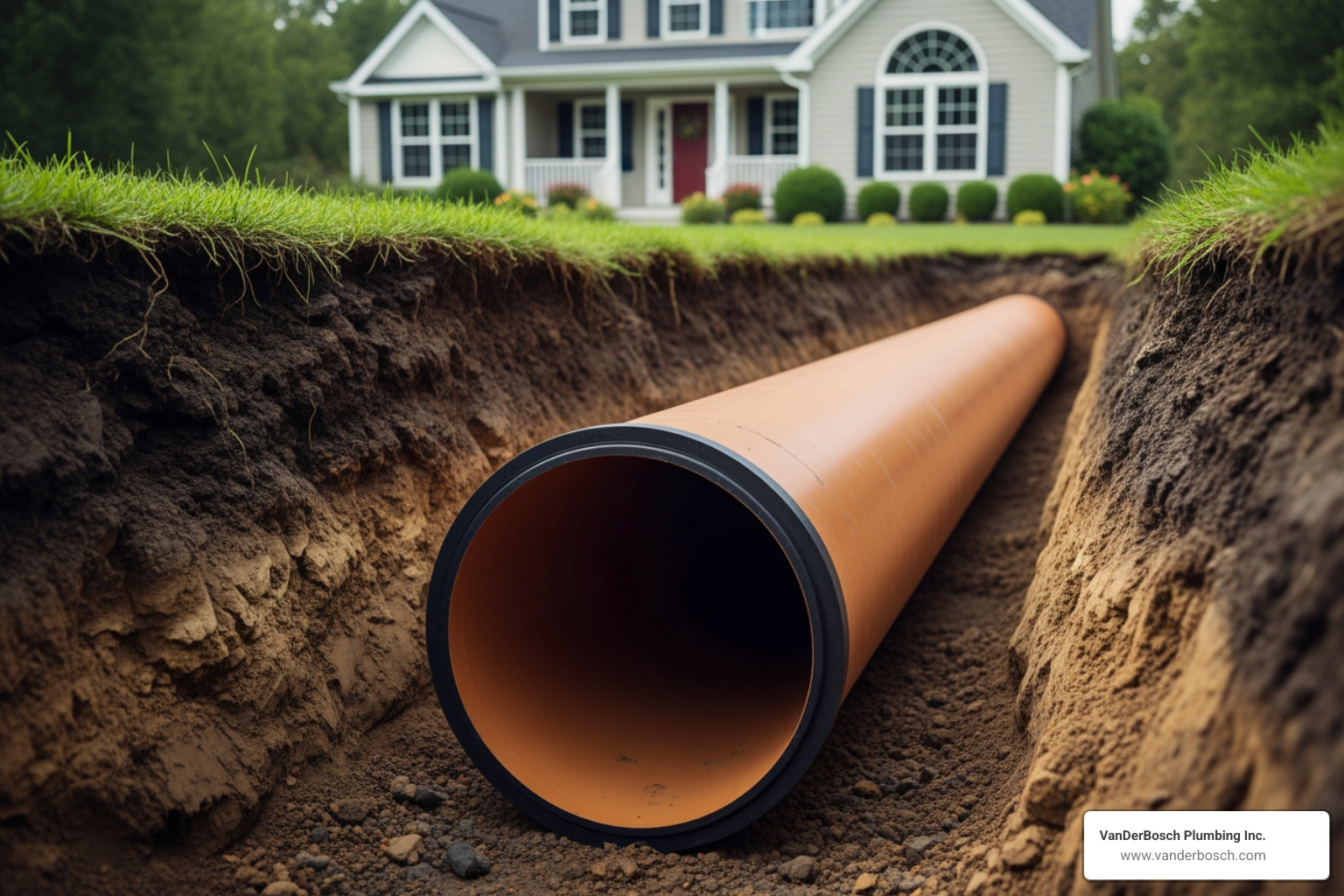
Before placing a call to a plumbing contractor or municipal agency, it is essential to understand the difference between your private sewer lateral and the public sewer main. The sewer lateral is the underground pipe that connects your home's plumbing system—carrying all wastewater from toilets, sinks, and showers—directly to the public sewer main, which typically runs underneath the middle of the street or through designated utility easements.
As a property owner, you are almost always legally and financially responsible for the maintenance, repair, and replacement of the entire sewer lateral, extending from your house all the way to the connection point at the municipal main. Exceptions sometimes exist if a municipality's explicit utility guidelines state otherwise, or if damage occurs outside your property line due to municipal tree roots or street construction. Clarifying this boundary prevents unnecessary confusion over who pays for the excavation and repair work.
Common Warning Signs of a Failing Sewer Line
Recognizing the early symptoms of a compromised sewer line allows you to address structural failures before they escalate into catastrophic structural collapses or hazardous sewage backups inside your living space.
- Multiple Slow or Clogged Drains: When a single sink or toilet drains slowly, the issue is typically localized to that specific fixture. However, when multiple plumbing fixtures throughout the house—such as bathtubs, basement floor drains, and kitchen sinks—drain sluggishly or back up simultaneously, the primary sewer lateral is usually obstructed.
- Gurgling Plumbing Fixtures: If you hear a distinctive gurgling or bubbling sound coming from your toilet or floor drain when running the washing machine or flushing another toilet, trapped air is escaping through the plumbing traps due to a main line blockage or venting restriction.
- Unpleasant Odors: Persistent, sulfurous, or sewage-like odors lingering around your basement, crawlspace, or yard indicate a crack, break, or vent failure in the underground pipe network.
- Unexplained Lush Patches in the Lawn: A sudden, exceptionally green, or soggy patch of grass directly above the path of your buried sewer line indicates that raw sewage is leaking into the soil, acting as a natural fertilizer.
- Foundation Shifts or Sinkholes: Severe structural leaks wash away underlying soil compaction, leading to foundation settling, driveway cracks, or unexpected depression sinkholes in the yard.
Diagnostic Steps: Video Inspections and Locating
When you call a reputable plumbing and sewer contractor, their first step should rarely involve heavy excavation machinery. Modern diagnostics rely heavily on trenchless technology to pinpoint the exact location and nature of the damage.
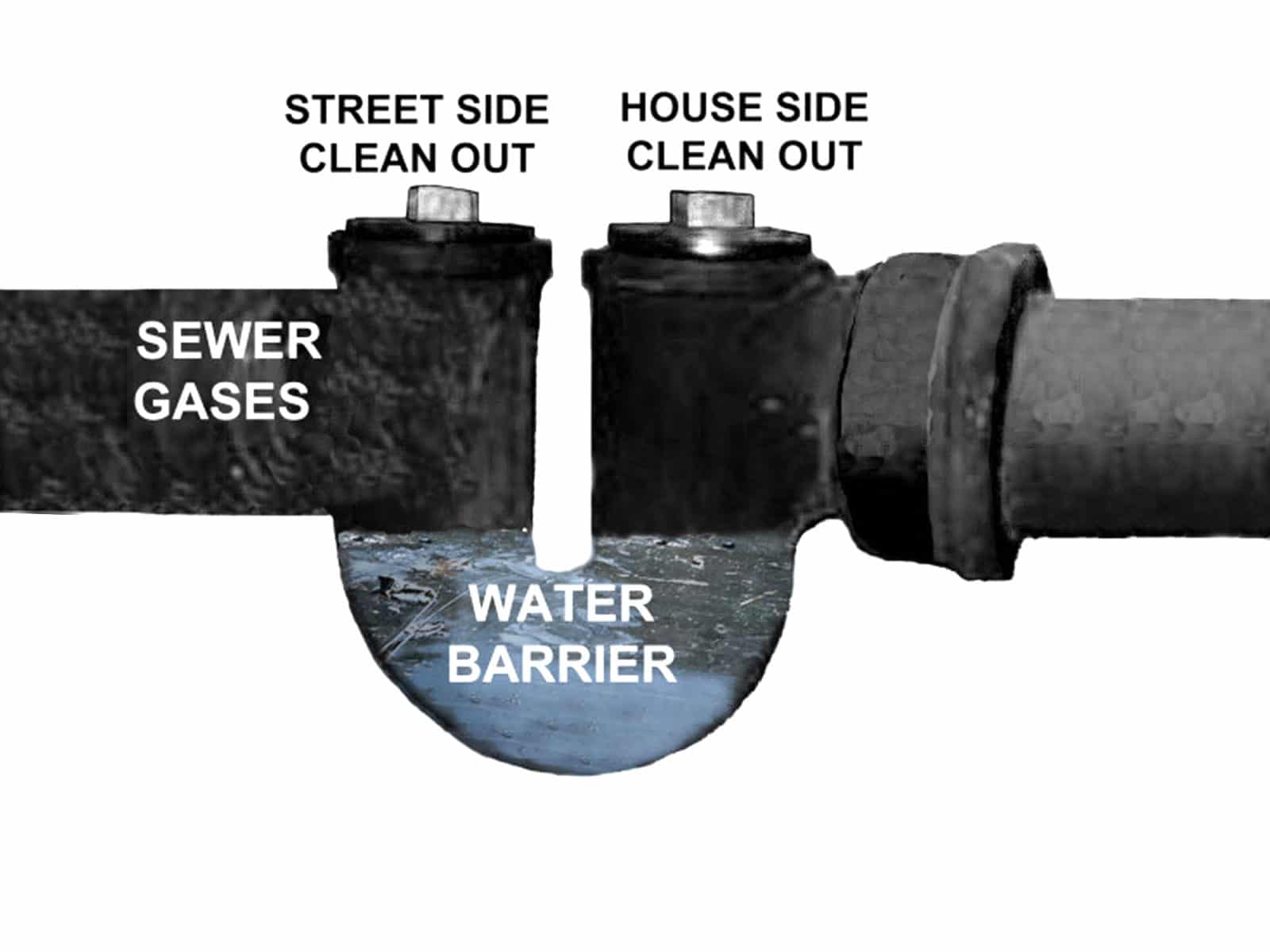
A professional technician will typically insert a high-resolution waterproof fiber-optic camera attached to a flexible rod into your cleanout access point. This camera transmits real-time video to a monitor, allowing the technician to visually inspect the interior condition of the pipe. They can identify root intrusion, grease buildup, offset joints, pipe sagging (belly), corrosion, or structural collapses.
Furthermore, the camera head often features an integrated radio transmitter (sonde). Using an above-ground surface receiver, the technician can precisely track the depth and geographic coordinates of the problem area in your yard or under your driveway. This targeted localization prevents contractors from having to dig up your entire landscape to find a localized issue.
| Repair Method | Description | Best Used For | Typical Disruption |
|---|---|---|---|
| Traditional Excavation | Digging a trench along the length of the damaged pipe to physically remove and replace it. | Collapsed pipes, severe structural misalignments, or complete pipe disintegration. | High (destroys lawns, driveways, and hardscaping). |
| Pipe Lining (CIPP) | Inserting an epoxy-saturated resin liner into the existing pipe and inflating it to cure in place. | Cracked, root-damaged, or corroded pipes with good structural grade. | Low (requires a small access pit only). |
| Pipe Bursting | Pulling a steel bursting head through the old pipe, which shatters it outward while simultaneously pulling a new HDPE pipe into its place. | Severely damaged, collapsed, or undersized pipes where trenchless replacement is desired. | Low to Moderate (requires entry and exit pits). |
Trenchless Options vs. Traditional Excavation
When repairs are deemed necessary, homeowners generally have a choice between traditional open-trench excavation and modern trenchless repair methods. Understanding the operational differences helps you weigh upfront costs against long-term property restoration expenses.
Traditional Open-Trench Excavation
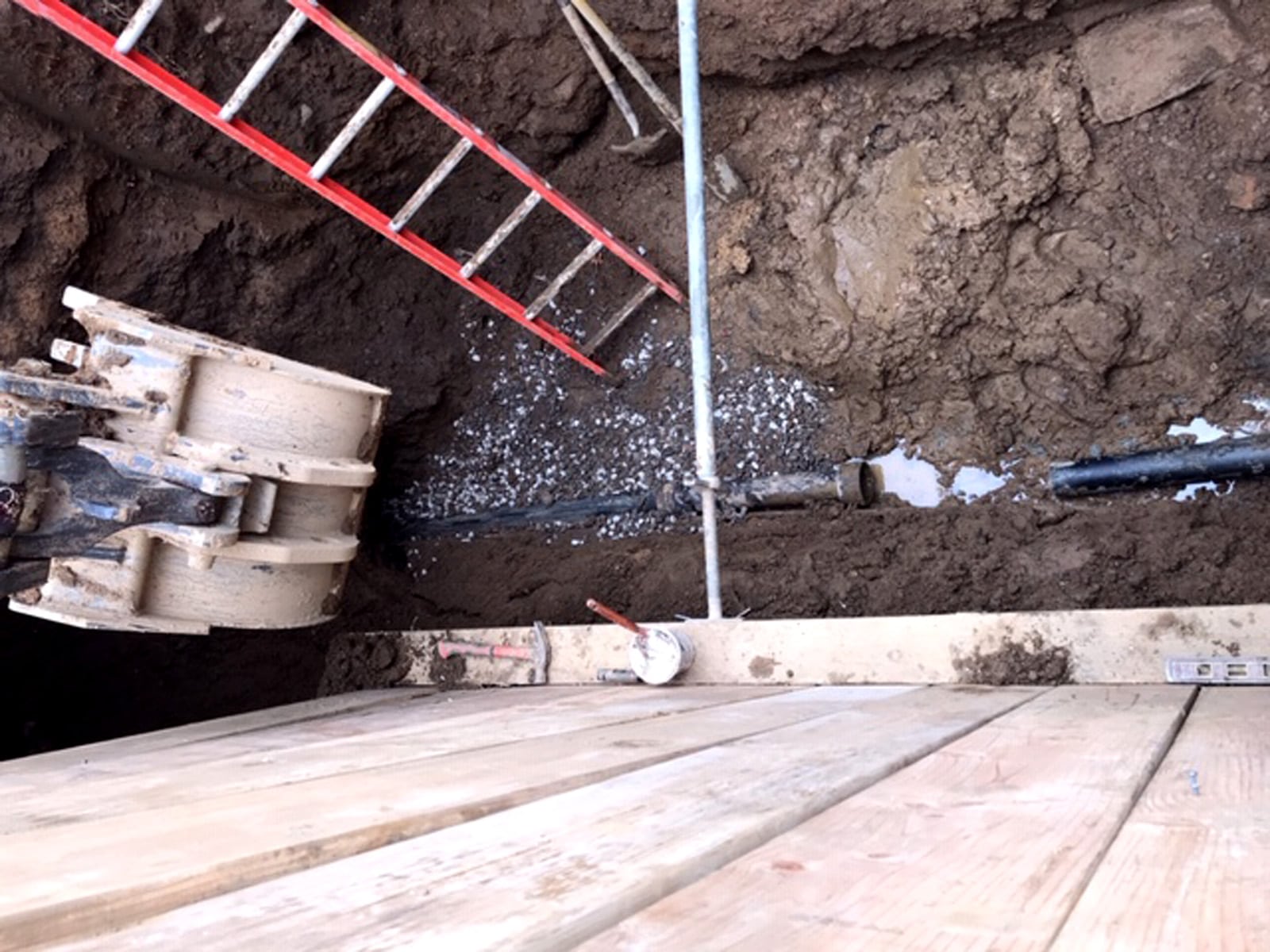
Traditional repair involves excavating a trench down to the depth of the sewer line using backhoes or mini-excavators. The damaged section of pipe is cut out and replaced with modern PVC piping. While this method is sometimes the only viable option for severely collapsed pipes or radical shifts in pipe grade (slope), it leaves behind significant collateral damage. Homeowners frequently face expensive secondary costs to repave concrete driveways, rebuild porches, or re-landscaped mature lawns.
Trenchless Technologies
Trenchless repair methods minimize surface destruction by utilizing existing access points.
- Cured-in-Place Pipe (CIPP) Lining: This technique coats the interior of the existing pipe with a seamless structural sleeve. The resin cures within a few hours, creating a jointless "pipe-within-a-pipe" that resists future root intrusion and has a lifespan often exceeding 50 years.
- Pipe Bursting: This method replaces the old pipe entirely without digging a continuous trench. A hydraulic pulling machine drags a bursting head through the old line, fracturing the old material outward into the surrounding soil while pulling a seamless high-density polyethylene (HDPE) replacement pipe directly into its path.
Factors Influencing Repair Costs and Timelines
The financial investment required for sewer main repair varies wildly based on several distinct logistical and environmental variables. Before approving any work, request a detailed, itemized estimate that addresses these specific cost drivers.
- Depth of the Pipe: Sewer lines buried deep beneath the frost line or installed underneath complex topography require more shoring, safety equipment, and labor hours to excavate safely.
- Linear Footage: The total length of pipe that needs replacement or lining directly dictates material consumption and labor duration.
- Material of Existing Pipes: Older homes may feature cast iron, clay tile, Orangeburg (tar paper), or galvanized steel pipes, each presenting unique challenges for cutting, cleaning, or lining.
- Obstructions and Utilities: The presence of underground utilities (gas, electric, water) or hardscaping (patios, retaining walls, mature trees) increases labor complexity and necessitates careful hand-digging or alternative routing.
- Permitting and Municipal Fees: Most local governments require plumbing permits and public right-of-way inspection fees before sewer work can legally commence.
Questions to Ask Your Contractor Before Signing
Hiring the right contractor protects you from shoddy workmanship, inflated pricing, and legal liability. Before signing a contract or authorizing work, ask these essential questions:
- Are you fully licensed, bonded, and insured specifically for sewer and excavation work? Verify that their general liability and workers' compensation policies are active.
- Can you provide a digital copy of the sewer camera inspection footage? Reputable technicians will readily share the video file or link so you can see the damage firsthand.
- Do you offer trenchless repair options, or only traditional excavation? Contractors offering only trenchless or only traditional methods may steer you toward their preferred workflow rather than what is best for your specific pipe condition.
- What warranties are included on labor and materials? Look for comprehensive warranties covering both the structural integrity of the new pipe and the installation labor (often ranging from 5 to 25 years).
- Who is responsible for obtaining permits and coordinating utility locates? The contractor should handle calling utility notification centers (such as 811 in the United States) and securing local municipal permits.
Frequently Asked Questions
Will my homeowners insurance cover sewer main repair?
Standard homeowners insurance policies typically do not cover sewer main repairs resulting from normal wear and tear, tree root intrusion, or aging infrastructure. However, coverage may apply if the damage was caused by a covered peril, such as a sudden vehicle impact or a frozen pipe burst. Many insurance providers offer optional endorsements or rider policies specifically for water and sewer line failures for a modest annual fee.
How long does a typical sewer main repair take?
Most residential sewer repairs—whether completed via trenchless lining, pipe bursting, or traditional excavation—can be completed within one to three days. The duration depends heavily on the depth of the trench, municipal inspection schedules, and whether unexpected obstructions are encountered during digging.
Can tree roots be permanently cleared without replacing the pipe?
Hydro-jetting and mechanical root-cutting augers can effectively clear existing tree root blockages and restore flow. However, these tools do not repair the structural cracks or joints that allowed the roots to enter in the first place. Without chemical root inhibitors or structural pipe lining, roots will inevitably return within 12 to 24 months.
What is the average lifespan of a repaired or replaced sewer line?
Modern PVC pipes and cured-in-place pipe (CIPP) liners are engineered to last between 50 and 100 years when installed correctly and maintained without chemical abuse or structural disruption. Older clay tile or cast iron pipes generally have a useful lifespan of 40 to 60 years before structural degradation occurs.
Should I get a sewer inspection before buying a home?
Yes. Standard home inspections rarely include a visual assessment of underground sewer lines because the pipes are buried beneath concrete or soil. Purchasing a dedicated sewer scope inspection during your home purchase contingency period can uncover thousands of dollars in hidden repair liabilities before you finalize the transaction.
Image Gallery