Clinical Approaches to the Treatment for Electrical Burns
Treating an electrical burn requires an immediate focus on safety, patient stabilization, and the management of both superficial tissue damage and internal systemic injuries. Because electrical current causes damage beyond the visible...
Treating an electrical burn requires an immediate focus on safety, patient stabilization, and the management of both superficial tissue damage and internal systemic injuries. Because electrical current causes damage beyond the visible entry and exit points, all electrical injuries must be evaluated by medical professionals to address potential cardiac, neurological, and renal complications, regardless of the apparent severity of the skin damage.
Contents
Understanding the Mechanism of Electrical Injury
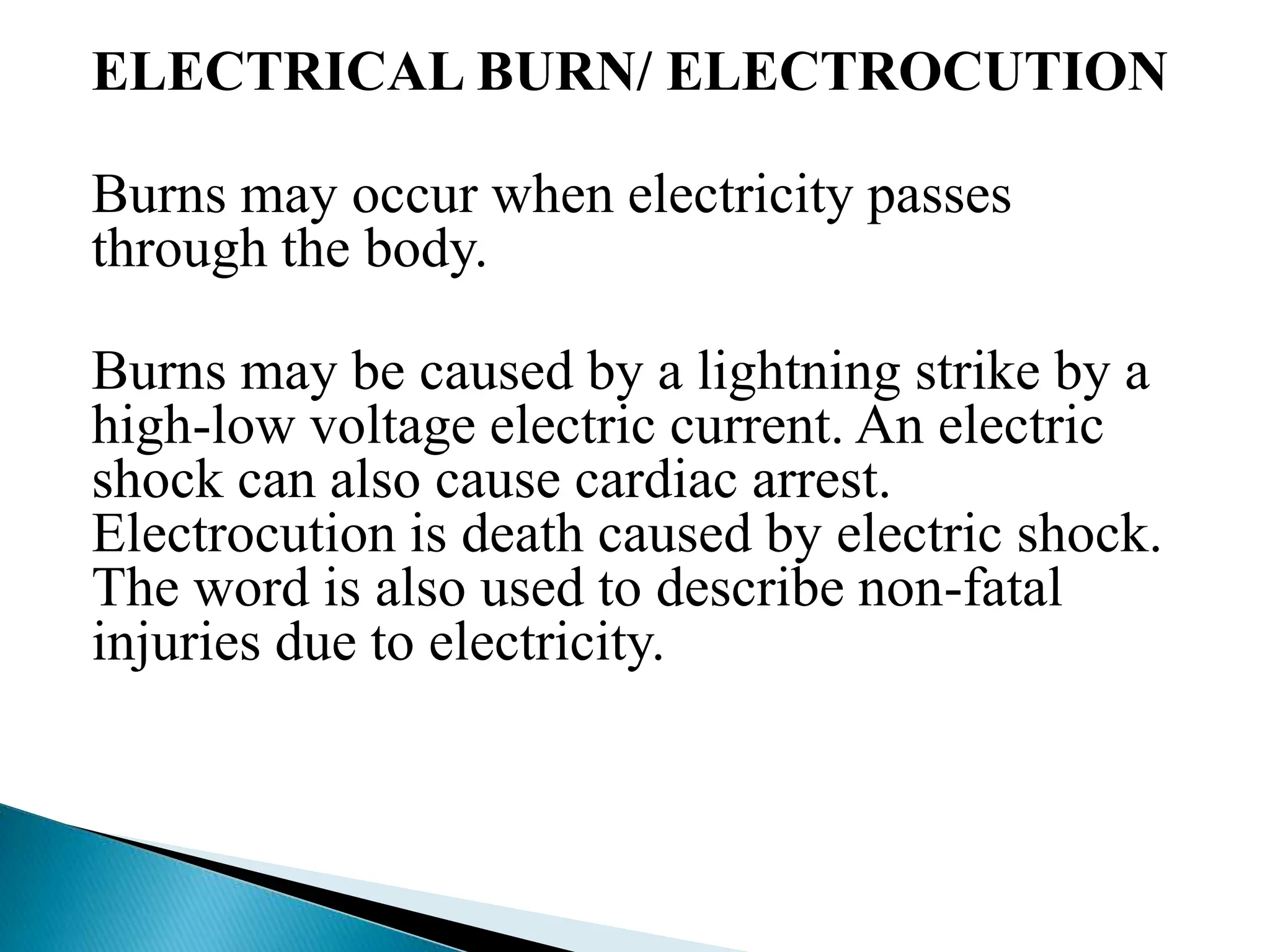
Electrical burns differ significantly from thermal burns. When a person comes into contact with an electrical source, the body acts as a conductor. The damage caused is a function of the current’s pathway, the duration of contact, the voltage, and the type of current (alternating current [AC] versus direct current [DC]).
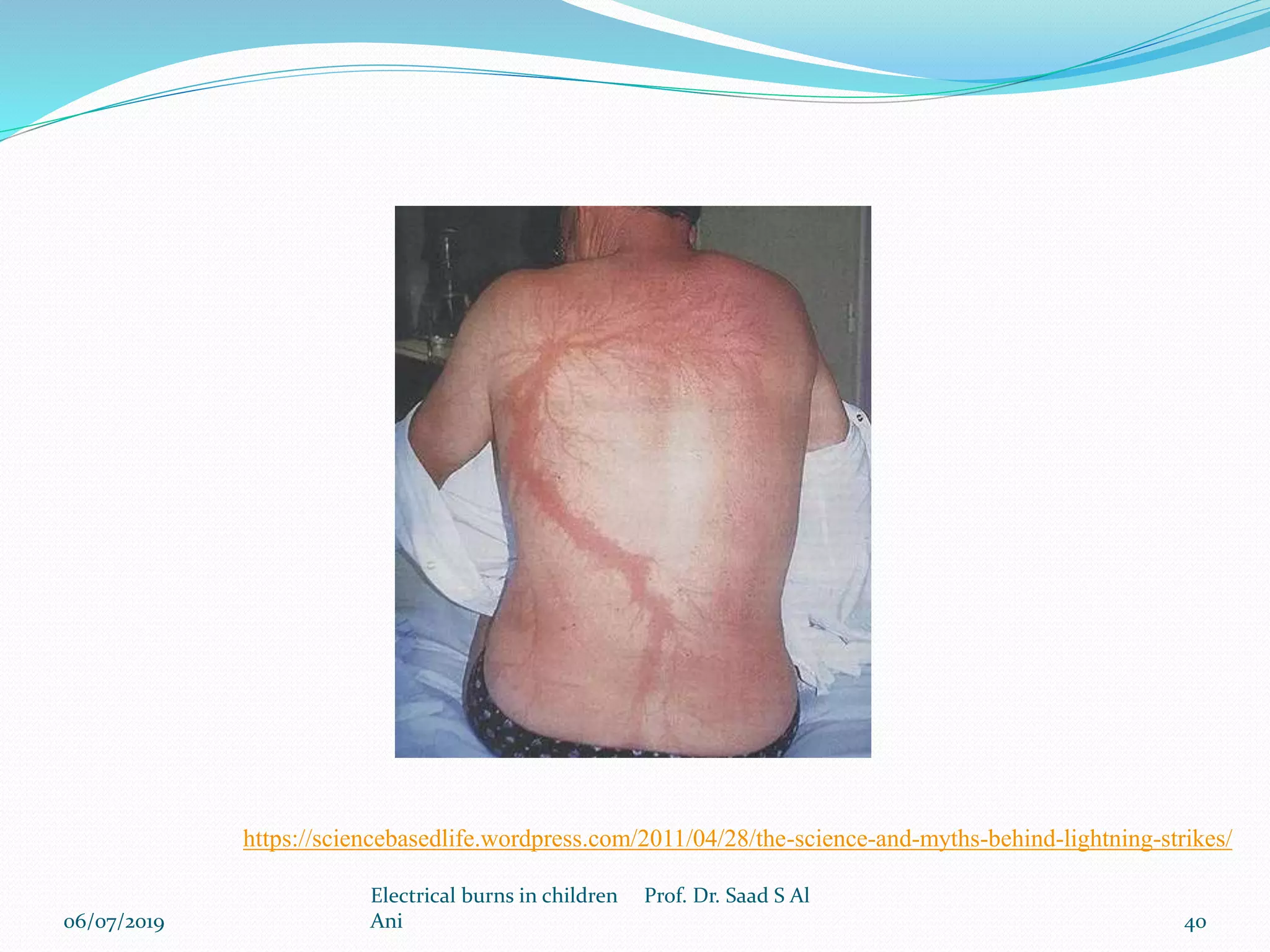
The primary danger is not always the visible skin lesion. Electrical energy transforms into thermal energy as it meets the resistance of human tissues. Skin offers high resistance, which often leads to severe localized skin burns, but nerves, blood vessels, and muscles have lower resistance, allowing electricity to travel deep through the body. This phenomenon often leaves victims with catastrophic internal trauma—such as muscle necrosis, vessel thrombosis, and organ damage—while the skin surface may show only minor entry or exit marks.
Immediate Safety and First Aid Priorities
If you are witnessing an electrical accident, the absolute priority is to break the contact between the victim and the current source without becoming a victim yourself.
- De-energize the Source: If possible, turn off the power at the main circuit breaker or unplug the device. Do not attempt to move a person connected to a high-voltage source (like downed power lines) until the utility company has confirmed the power is off.
- Safety First: If the source cannot be turned off, use a non-conductive object, such as a dry wooden broom handle or a plastic pipe, to push the victim away from the electrical source. Never touch the victim with your bare hands or use metal objects to move them.
- Assess for ABCs: Once the victim is safely removed from the current, check the Airway, Breathing, and Circulation. Electrical shocks can disrupt the heart's electrical conduction system, leading to arrhythmias or immediate cardiac arrest. If the victim is unresponsive and not breathing, initiate cardiopulmonary resuscitation (CPR) immediately.
- Cooling: For localized, minor burns, run cool (not cold) tap water over the area for approximately 10 to 20 minutes. Avoid ice, butter, or ointments, as these can exacerbate tissue damage or increase the risk of infection.
Clinical Evaluation in the Emergency Setting
Once a patient arrives at a medical facility, the treatment strategy shifts from emergency stabilization to comprehensive injury assessment. Clinical protocols typically follow a structured approach to ensure no systemic injury is overlooked.
Cardiovascular Monitoring
The most immediate internal concern is the heart. Electrical current can induce ventricular fibrillation or other life-threatening arrhythmias. Medical teams will place the patient on a cardiac monitor to observe for changes in rhythm, even if the patient feels fine. Electrocardiogram (ECG) testing is standard for anyone who has experienced a significant shock.
Fluid Resuscitation and Renal Protection
High-voltage injuries often result in deep muscle tissue destruction, a condition known as rhabdomyolysis. As muscles break down, they release myoglobin into the bloodstream, which can rapidly clog the renal tubules and lead to acute kidney failure. Clinicians manage this through aggressive intravenous fluid resuscitation to maintain high urine output, ensuring the kidneys have sufficient flow to flush out the myoglobin.
Wound Management and Surgical Intervention
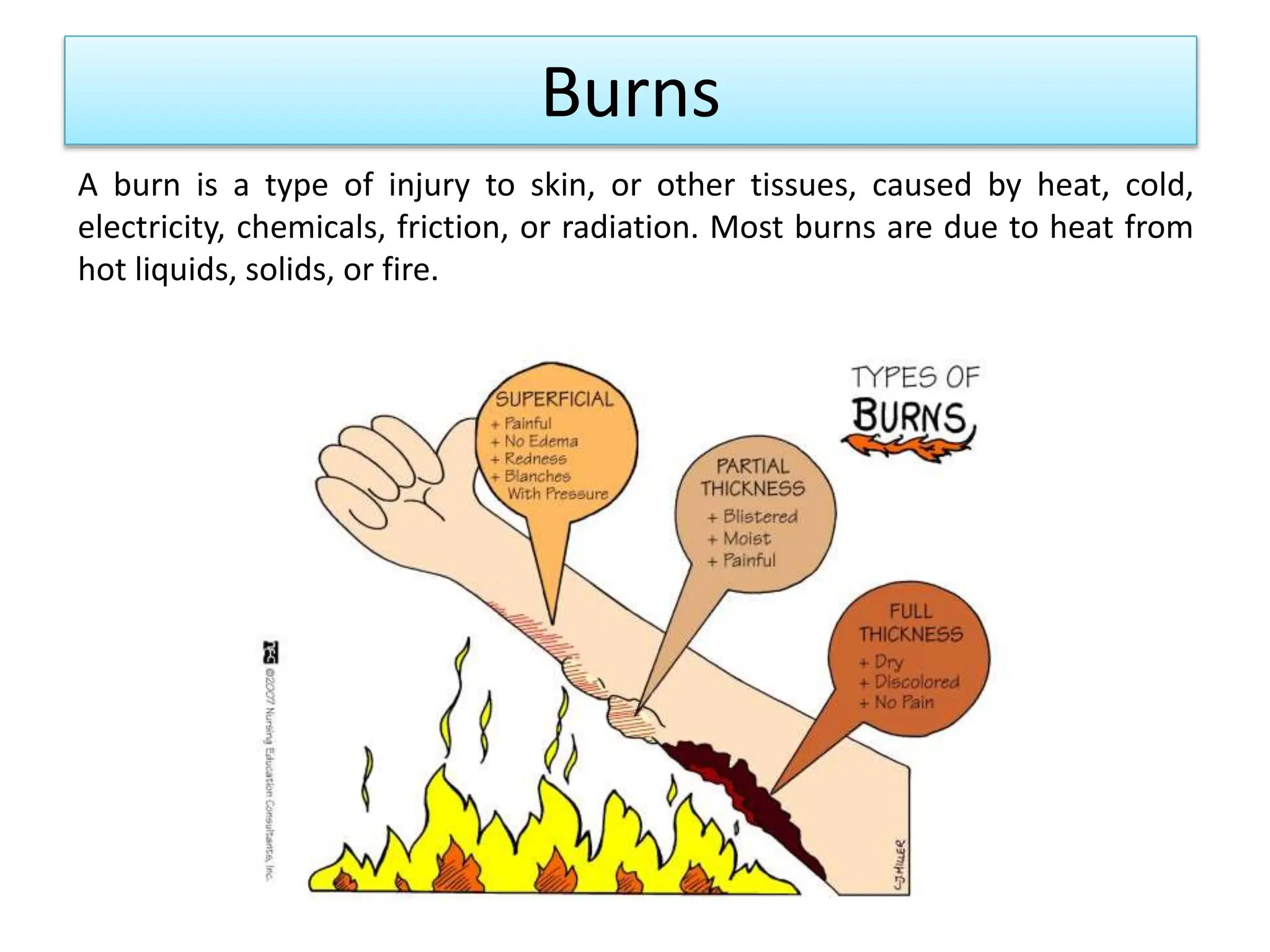
The management of the burn site itself depends on the depth and size of the injury. Electrical burns are often classified as full-thickness injuries due to the deep penetration of heat.
| Burn Type | Characteristics | Clinical Management |
|---|---|---|
| Superficial | Redness, pain, no blisters. | Topical soothing agents, pain management. |
| Partial-Thickness | Blistering, wet appearance, severe pain. | Cleaning, debridement, sterile dressing. |
| Full-Thickness | Charring, leathery texture, nerve damage. | Surgical excision, skin grafting, escharotomy. |
In cases of deep tissue destruction, surgeons may perform an escharotomy—a procedure to cut through the hardened, dead skin (eschar)—to relieve pressure and restore circulation to limbs that have become constricted by swelling. If muscle death (necrosis) is extensive, surgical debridement or, in severe cases, amputation may be required to prevent systemic toxicity and gangrene.
Long-Term Recovery and Rehabilitation
Recovery from a severe electrical burn is rarely a linear process. Patients may face months of physical and occupational therapy. Nerve damage, which is common in high-voltage injuries, can result in chronic pain, numbness, or loss of function in extremities. Furthermore, the psychological impact of surviving a high-voltage accident—which often involves significant trauma and potential disfigurement—requires integrated mental health support, including counseling for post-traumatic stress.
Common Complications and Risks
The following list outlines key areas that require close observation during the recovery phase:
- Secondary Infection: Any break in the skin barrier exposes the patient to bacteria. Tetanus prophylaxis is often required if the patient’s immunization status is not current.
- Vascular Thrombosis: Electricity can damage the linings of blood vessels, leading to blood clots that can cause tissue death hours or even days after the initial injury.
- Cataracts: It is a clinically documented phenomenon that electrical injuries, particularly those involving the head or neck, can lead to the development of cataracts months after the initial event. Routine ophthalmologic screening is recommended.
- Neurological Deficits: Some patients experience delayed neurological symptoms, such as paresthesia or weakness, which may not manifest until weeks after the exposure.
Frequently Asked Questions
Can a minor electrical shock from a home appliance cause internal damage? Generally, low-voltage household shocks (110–220 volts) rarely cause deep internal tissue damage, but they can still cause cardiac irregularities. If you feel palpitations, chest pain, or have experienced a shock that lasted more than a second, you should seek a medical evaluation to ensure your heart rhythm is normal.
Why is it dangerous to apply ice to an electrical burn? Applying ice to any burn, including electrical ones, can cause vasoconstriction—the narrowing of blood vessels. This limits blood flow to the already damaged tissue, potentially worsening the injury and increasing the risk of frostbite on top of the burn. Always use cool, running water instead.
How do doctors decide if someone needs surgery for an electrical burn? Surgery is determined by the depth of the burn and the presence of "compartment syndrome," where swelling inside a limb puts dangerous pressure on nerves and blood vessels. If a surgeon determines that dead tissue is present or that blood flow is restricted, surgical debridement or fasciotomy/escharotomy becomes necessary to save the limb.
Is it normal to feel numbness after an electrical shock? Numbness or tingling (paresthesia) is a common sign of electrical injury because nerves are highly conductive and sensitive to electrical current. These symptoms can be acute or chronic, and you should always report them to a healthcare provider for a thorough neurological assessment.
What is the role of tetanus shots in electrical burn treatment? Electrical burns create dead tissue and contaminated wounds, which are ideal environments for the bacteria that cause tetanus. If a patient cannot provide proof of a tetanus booster within the last five to ten years, medical staff will administer a booster shot as part of the standard treatment protocol.
Recommendation for Next Actions
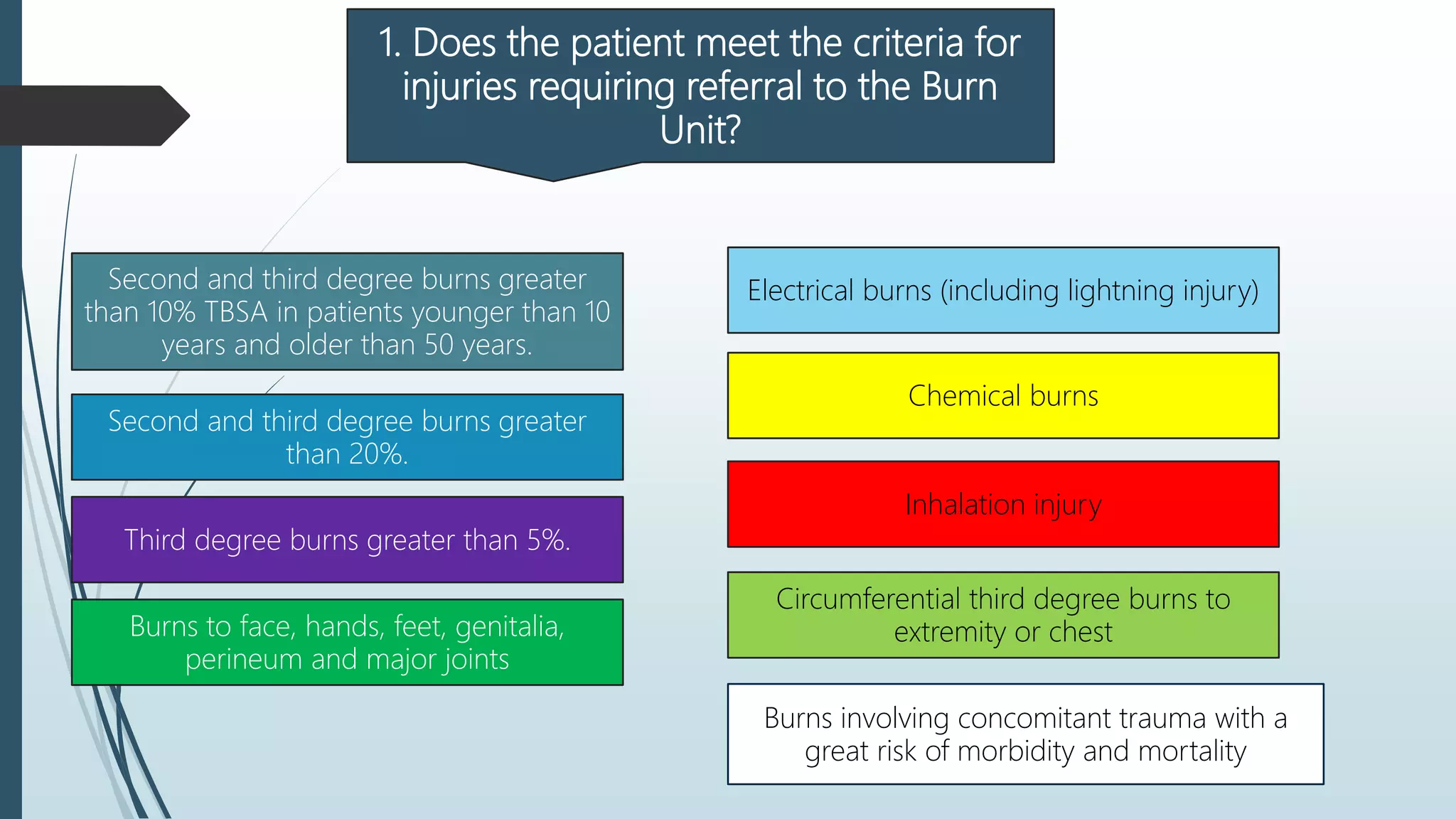
If you or someone else has suffered an electrical burn, do not wait for symptoms to appear. Even if the skin looks minimally damaged, the internal trajectory of the electricity could have caused cardiac or systemic trauma. Seek care at an emergency department or, in the case of high-voltage exposure (such as power lines or industrial equipment), call emergency services immediately for transport to a specialized burn center.
Image Gallery