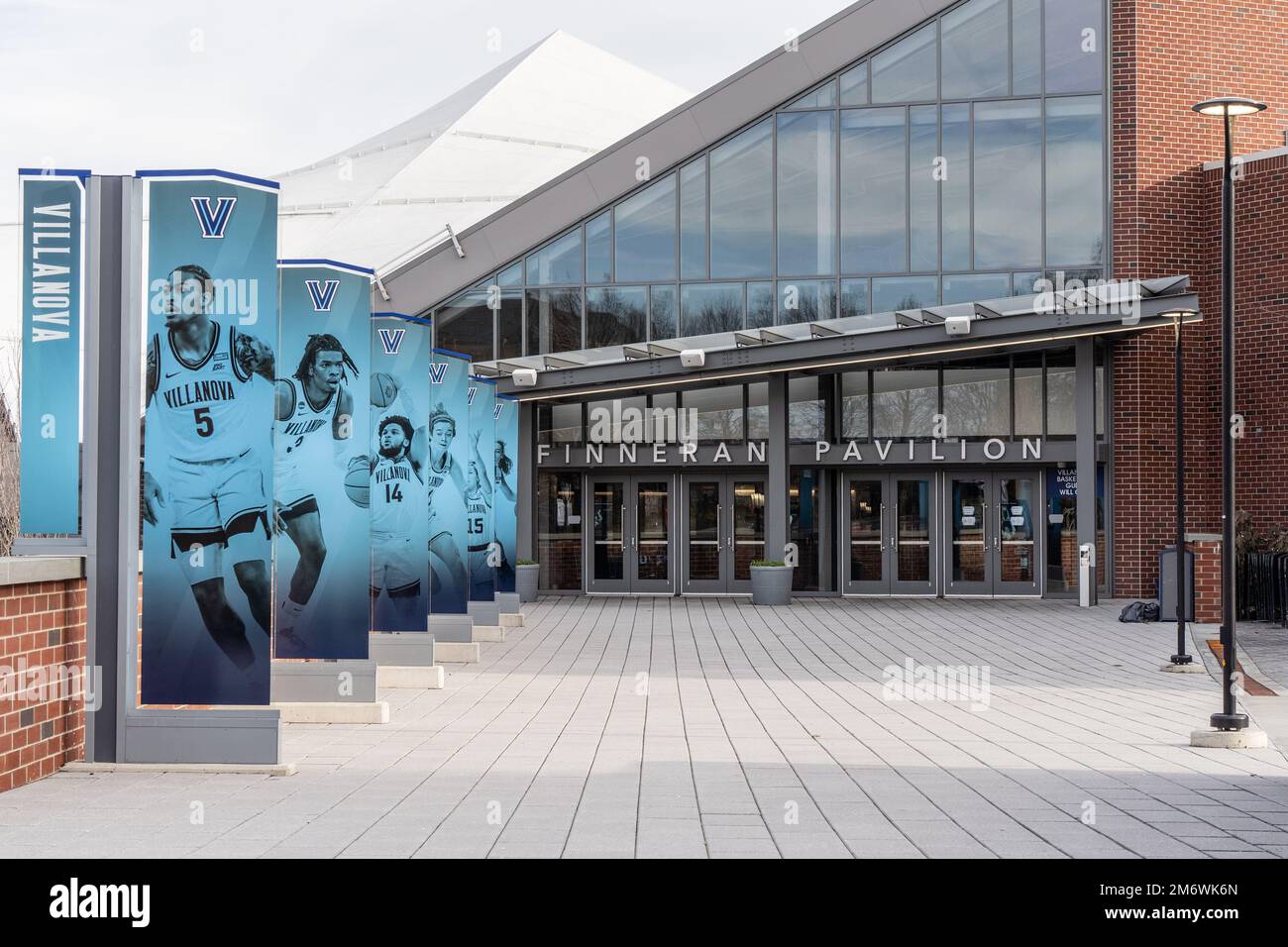
Understanding the Location and Geography of Villanova, Pennsylvania
Villanova is an unincorporated community situated in the state of Pennsylvania. It is primarily located within Radnor Township in Delaware County and Lower Merion Township in Montgomery County, lying along the historic "Main Line" of t...
Villanova is an unincorporated community situated in the state of Pennsylvania. It is primarily located within Radnor Township in Delaware County and Lower Merion Township in Montgomery County, lying along the historic "Main Line" of the Philadelphia suburbs. As a census-designated place, it serves as a prominent residential and educational hub in the Greater Philadelphia region.
Contents
Geographic Identity and Jurisdictional Status
Villanova does not function as a formal city or borough; rather, it is a census-designated place (CDP). Because it lacks a municipal government of its own, the area is governed by the townships in which it sits. This unique structure is common in the Pennsylvania "Main Line" region, where community identity is often defined more by school districts, rail history, and proximity to major educational institutions than by rigid municipal borders.
The community is anchored by Villanova University, which serves as both a central landmark and a primary driver of the area’s identity. Geographically, the area is characterized by rolling hills, expansive residential estates, and a mix of historic architecture and modern development. Because the region spans two counties—Delaware and Montgomery—residents and visitors often navigate a complex web of local services that are provided by the respective townships rather than a single entity called "Villanova."
The Significance of the "Main Line"
To understand the position of Villanova in Pennsylvania, one must look at the historical development of the Philadelphia and Columbia Railroad. In the mid-19th century, the expansion of the rail line outward from Philadelphia created a corridor of wealthy, upscale suburbs that became known as the "Main Line."
Villanova represents one of the most iconic stops on this route. Its proximity to Philadelphia via the Southeastern Pennsylvania Transportation Authority (SEPTA) Paoli/Thorndale Line makes it a highly desirable location for commuters. The rail line historically connected professional centers in Philadelphia with the rural retreats of the wealthy, and today, it functions as a critical artery for the professional class working in Center City Philadelphia.
Governance and Administrative Infrastructure
Since Villanova is an unincorporated community, the "troubleshooting" of local administrative issues—such as property taxes, zoning permits, and waste collection—requires identifying the specific township jurisdiction.
| Service Category | Governing Authority |
|---|---|
| Emergency Services | Township-specific Police/Fire (Radnor or Lower Merion) |
| Zoning and Planning | Radnor Township (Delaware Co) / Lower Merion (Montgomery Co) |
| Public Education | Radnor Township School District / Lower Merion School District |
| Tax Collection | County and Township/School District assessments |
Property owners in Villanova pay taxes based on their specific township and school district. When searching for information regarding public records, real estate assessments, or municipal ordinances, residents must verify whether their parcel falls under the jurisdiction of Radnor Township or Lower Merion Township. This distinction is legally significant for any residential or commercial transaction, as regulations regarding construction, noise, and land use can vary significantly between the two governing bodies.
Educational and Cultural Impact
The presence of Villanova University significantly influences the local economy and social environment. Founded in 1842, the university is the oldest Catholic institution in the Commonwealth of Pennsylvania. Its campus spans hundreds of acres, dictating much of the land-use patterns in the immediate vicinity.
The influence of the university extends beyond academics. The presence of a major Division I athletic program draws thousands of visitors to the area annually, impacting local traffic patterns and creating seasonal surges in the hospitality sector. Residents of the area are often impacted by the "campus pulse," where school-year cycles dictate everything from local congestion on Lancaster Avenue (U.S. Route 30) to the vibrancy of local commercial districts.
Transportation and Access
For those looking to traverse the area, Lancaster Avenue acts as the primary thoroughfare. This road, which dates back to the colonial era, connects the various communities of the Main Line. Accessing Villanova is straightforward due to its integration into the regional transit network.
- Rail Transit: The SEPTA Regional Rail provides a direct link to Philadelphia's 30th Street Station and Suburban Station.
- Road Access: The area is served by I-476 (The Blue Route), which provides a north-south connection to the Pennsylvania Turnpike and I-95, facilitating travel to the broader Mid-Atlantic region.
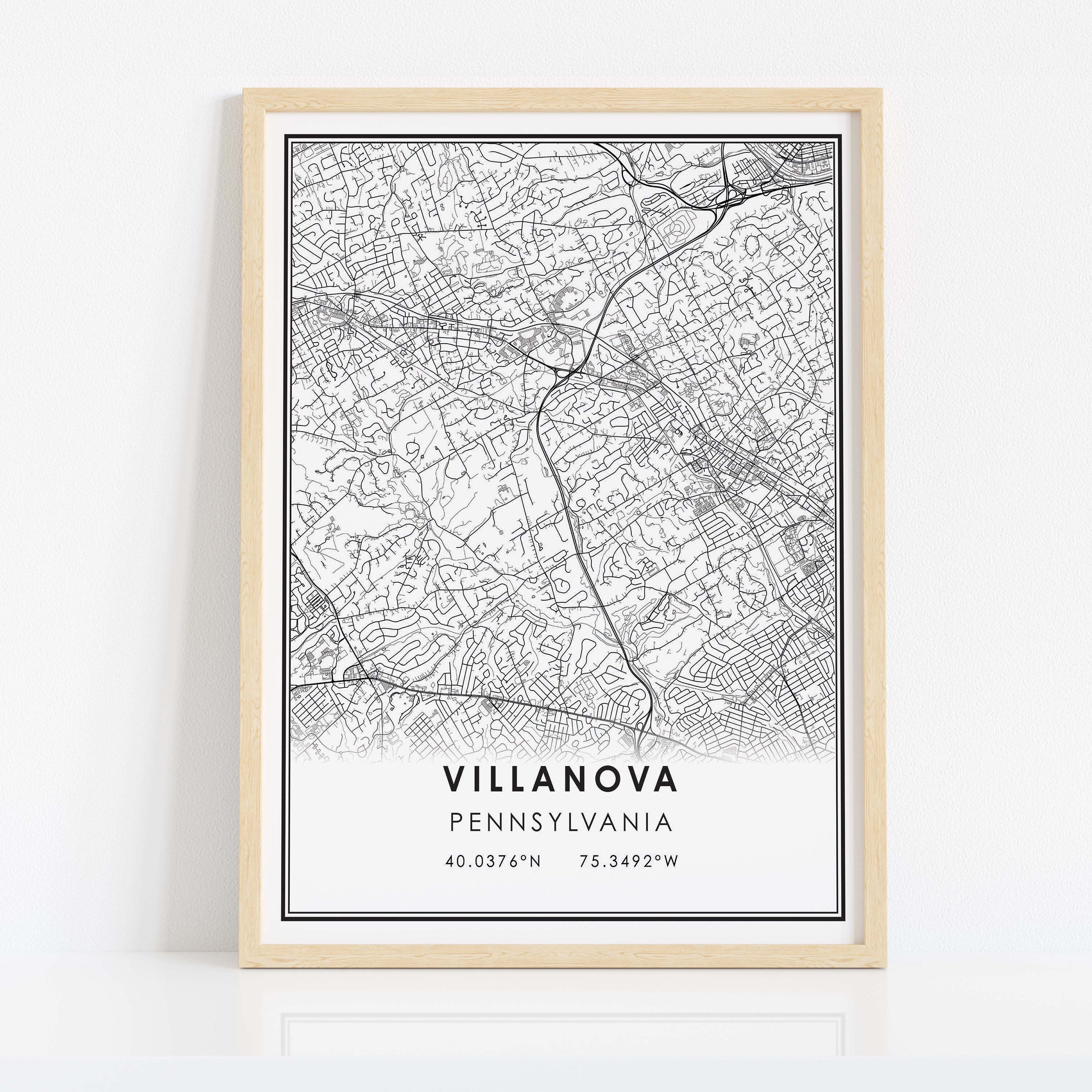
- Local Navigation: Because of the density of historic roads and private estates, navigating the secondary streets of Villanova often requires an understanding of local landmarks rather than standard grid layouts found in more urbanized zones.
Common Misconceptions
A frequent point of confusion for newcomers is the assumption that Villanova is a city with its own police force or mayor. Because of its large size and international recognition, many visitors expect a municipal center. However, visitors seeking government services will find that they must instead look to the administrative offices of Radnor or Lower Merion.
Additionally, the postal address of "Villanova" may include locations that are technically in neighboring communities. The United States Postal Service (USPS) determines zip code boundaries based on delivery efficiency, which sometimes cross municipal lines. Therefore, having a "Villanova" mailing address does not always equate to residing within a specific township's legal jurisdiction. For official business, always cross-reference the address with the Delaware or Montgomery County tax assessment websites.
Frequently Asked Questions
Is Villanova a city or a town? Villanova is neither a city nor a town in the legal sense; it is an unincorporated census-designated place (CDP). It does not have a municipal government or a city charter.
Which county is Villanova in? Villanova is split between two counties: Delaware County (specifically Radnor Township) and Montgomery County (specifically Lower Merion Township).
How do I find out which township my property is in? You should consult the tax assessment maps provided by Delaware County or Montgomery County. You can also review your property deed or tax bill, which will specify the township and school district associated with the land.
Does the Villanova University campus encompass the entire community? No. While the university is a major landmark, the community of Villanova includes extensive private residential neighborhoods, commercial properties along Lancaster Avenue, and other private institutions.
Is Villanova considered part of Philadelphia? While Villanova is part of the Greater Philadelphia metropolitan area and is a suburb of the city, it is a separate entity located outside the city limits. It maintains its own distinct suburban character and independent administrative ties.
Next Steps for Residents and Visitors
If you are planning a visit, consider the timing of your trip relative to the Villanova University academic calendar, as traffic on Lancaster Avenue and occupancy in local hotels can fluctuate significantly during graduation, homecoming, and athletic events. If you are a prospective resident or real estate investor, verify the specific township regulations—such as historical architectural requirements or zoning variances—before committing to property improvements, as the oversight in Lower Merion and Radnor can differ in strictness. For any legal or property-specific matters, consult the respective county tax offices or a local real estate attorney familiar with the nuances of the "Main Line" zoning districts.
Image Gallery