The Role of OCD Online Therapy: Efficacy, Modalities, and Clinical Protocols
Online therapy for Obsessive-Compulsive Disorder (OCD) expands access to specialized Exposure and Response Prevention (ERP) by delivering evidence-based clinical interventions directly into a patient's living environment. Utilizing sec...
Online therapy for Obsessive-Compulsive Disorder (OCD) expands access to specialized Exposure and Response Prevention (ERP) by delivering evidence-based clinical interventions directly into a patient's living environment. Utilizing secure, HIPAA-compliant video platforms, tele-ERP allows licensed clinicians to guide real-time exposures within the exact physical spaces where obsessions and compulsions manifest, yielding clinical efficacy equivalent to traditional office-based treatment.
Contents
Understanding the Clinical Necessity of Online OCD Therapy
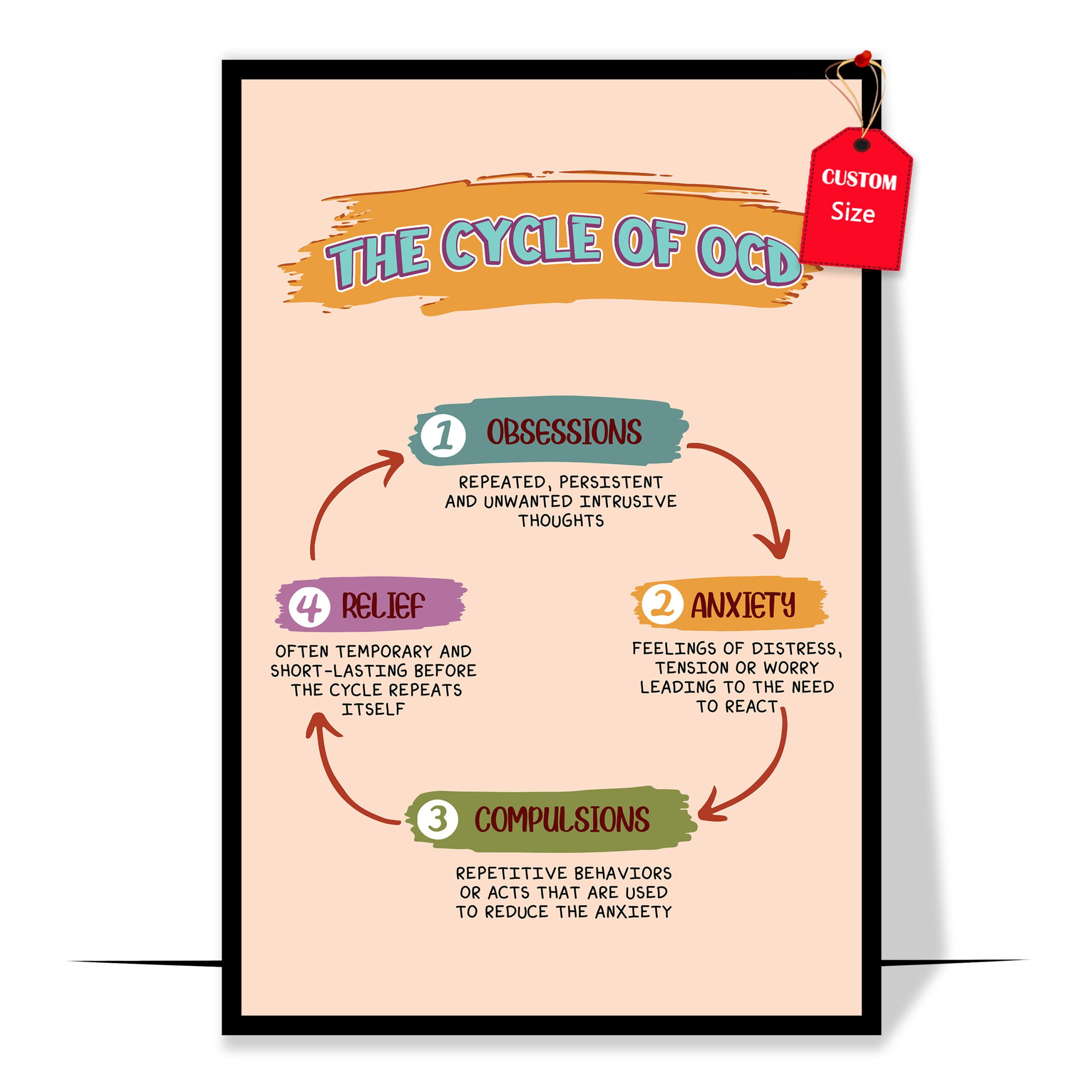
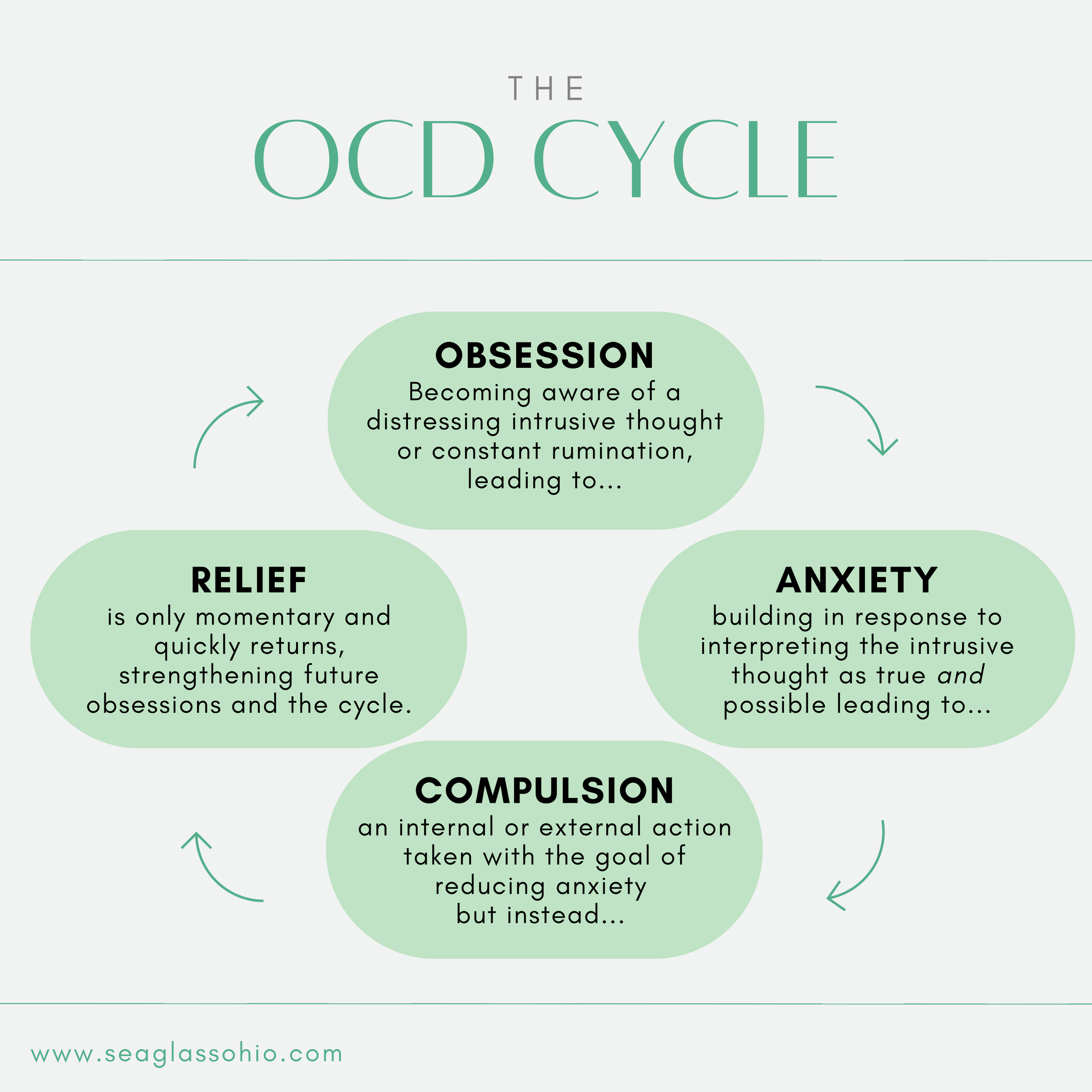
Obsessive-Compulsive Disorder is a debilitating psychiatric condition characterized by intrusive, distressing thoughts, images, or urges (obsessions) and repetitive physical or mental acts (compulsions) performed to neutralize the resulting anxiety. Despite being recognized as a leading cause of illness-related disability worldwide by the World Health Organization, effective clinical care for OCD has historically suffered from severe accessibility bottlenecks.
The Shortage of Specialized ERP Clinicians
The primary gold-standard psychotherapy for OCD is Exposure and Response Prevention (ERP), a specialized form of Cognitive Behavioral Therapy (CBT). Unlike general supportive counseling, ERP requires advanced clinical training to design structured behavioral interventions that systematically habituate patients to feared stimuli while blocking compulsive responses.
Outside major metropolitan medical centers, certified ERP practitioners remain extremely scarce. Patients living in rural, suburban, or medically underserved regions often face wait times exceeding six months or travel requirements that render weekly therapy unsustainable. Online therapy bridges this structural gap by connecting patients directly with certified OCD specialists regardless of geographic proximity.
Why Traditional Talk Therapy Can Worsen OCD Symptoms
A common pitfall in treating OCD is the reliance on unspecialized psychodynamic or general supportive talk therapy. In standard talk therapy, clinicians often encourage patients to analyze the meaning of their intrusive thoughts or offer reassuring statements to alleviate immediate distress.
In the context of OCD, therapeutic reassurance acts as a compulsion. When a provider reassures a patient that their feared outcome will not occur (e.g., confirming that a stove is turned off or that an intrusive thought does not make them a dangerous person), it temporarily reduces anxiety but reinforces the obsessive-compulsive cycle long-term. Online platforms specializing in OCD ensure that patients receive specialized ERP from providers trained to avoid accidental reassurance, focusing instead on building distress tolerance and inhibitory learning.
Core Modalities: How Online ERP Therapy is Delivered
Tele-mental health for OCD relies on structured, evidence-based protocols adapted for remote delivery. The primary engine of change remains ERP, augmented by specialized digital tools and telecommunication formats.
- Comprehensive Assessment: Establish Y-BOCS baseline & obsessional profile
- Psychoeducation & Hierarchy: Map intrusive thoughts & build exposure steps
- Synchronous Tele-Exposures: Clinician-guided in-vivo exposures via camera
- In-Between Homework: Patient executes daily autonomous exposures
- Relapse Prevention: Consolidate inhibitory learning & maintenance
Synchronous Tele-ERP and Live In-Vivo Exposures
During traditional in-office therapy, exposures are limited by the physical environment of the therapist's consultation room. A clinician can simulate contamination or symmetry exposures using office objects, but these artificial scenarios often fail to trigger the true emotional distress associated with the patient's home life.
In a synchronous online ERP session, the therapist and patient interact via real-time encrypted video. This format enables in-vivo home exposures. For example:
- A patient with severe harm obsessions around kitchen knives can hold a knife in their own kitchen while guided live by their therapist.
- A patient with contamination fears can deliberately touch their own bathroom surfaces or laundry hampers without engaging in cleaning rituals.
- A patient with scrupulosity or existential obsessions can draft exposure scripts or review distressing triggers in their primary living space.
The clinician observes micro-expressions, body language, and subtle compulsive behaviors (such as covert mental checking or physical avoidance) through the camera feed, providing immediate coaching to enforce response prevention.
Asynchronous Support, Symptom Tracking, and Exposure Homework
Treatment for OCD does not occur solely during the 50-minute clinical hour. Lasting recovery depends on daily, autonomous exposure homework executed by the patient. Modern online OCD platforms incorporate asynchronous tools to support this between-session work:
- Digital Exposure Hierarchies: Patients and therapists collaboratively build subjective units of distress scale (SUDS) hierarchies within secure web applications.
- Real-Time Distress Logging: Mobile applications allow patients to record exposure durations, peak SUDS levels, and compliance with response prevention immediately after completing an exercise.
- Asynchronous Messaging: Secure messaging systems enable patients to contact their care team when encountering unexpected triggers, receiving guidance on how to resist compulsions without relying on therapeutic reassurance.
Clinical Efficacy: Online vs. In-Person ERP Therapy
Extensive peer-reviewed research, including randomized controlled trials published in journals such as the Journal of Anxiety Disorders and Psychiatric Services, demonstrates that remote delivery of ERP is clinically non-inferior to traditional in-person care. The table below outlines key operational and clinical distinctions between the two modalities.
| Evaluation Dimension | Traditional In-Person ERP | Online Tele-ERP Therapy |
|---|---|---|
| Clinical Efficacy (Y-BOCS Reduction) | High; standardized reduction in symptoms. | High; equivalent symptom reduction to in-office care. |
| Environmental Realism | Low to Moderate; limited to office clinic setting. | Exceptional; exposures occur directly in trigger environments. |
| Geographic Access | Restricted to local commuting radius. | Broad; accessible anywhere within clinician licensing boundaries. |
| Therapist Specialization Access | Limited by regional distribution of ERP specialists. | Wide access to certified OCD specialists across states/regions. |
| Treatment Continuity | Vulnerable to travel interruptions, weather, and scheduling. | Highly resilient; sessions continue during travel or minor illness. |
| Cost & Time Overhead | Higher total cost (travel time, parking, missed work). | Lower overall overhead (zero commute, flexible scheduling). |
| Suitability for Acute Crisis | High; immediate access to physical medical infrastructure. | Moderate; requires structured remote safety & crisis protocols. |
Practical Advantages of Treating OCD in the Home Environment
The physical setting in which psychological treatment takes place strongly influences how well new behavioral learning generalizes to daily life. Online OCD therapy offers several distinct advantages over clinic-bound intervention.
- Real-World Environmental Context: Exposure directly in home triggers (kitchen, bed).
- Removal of Geographic & Mobility Barriers: Access specialists regardless of location.
- Accelerated Inhibitory Learning: Fear extinction generalizes faster.
Trigger Realism and Immediate Environmental Context
Inhibitory learning theory—the neurological foundation of modern ERP—posits that exposure therapy works by creating new, safety-oriented associations that override older, threat-oriented fear associations. For inhibitory learning to be maximally effective, the context of the exposure must closely match the context in which the fear naturally occurs.
When a patient completes an exposure in a clean, neutral therapy clinic, the brain may categorize the safety learning as specific to that clinic. When the patient returns home, obsessive triggers often reactivate at full strength. Online therapy eliminates this contextual transfer gap by conducting exposures in the home, workplace, or car, ensuring that the brain consolidates new learning in the exact physical locations where obsessions are triggered.
Overcoming Avoidance, Agoraphobia, and Mobility Barriers
Severe OCD often presents alongside secondary complications such as agoraphobia, severe contamination fears regarding public transit, or physical disability. For these individuals, the act of leaving the house to attend an in-person therapy session can represent an overwhelming exposure in itself, leading to early treatment drop-out or total refusal to initiate care.
Online therapy lowers the threshold for entering care. Patients can establish a therapeutic alliance and begin preliminary psychoeducation from a place of safety before progressing to external exposures. Furthermore, for individuals with severe hoarding disorder or home-bound contamination rituals, tele-health provides clinicians with an unfiltered window into living conditions that patients might otherwise hide out of shame.
Clinical Limitations, Contraindications, and Safety Standards
While tele-ERP is highly effective for the majority of individuals with OCD, it is not universally appropriate for every clinical presentation. Mental health professionals must conduct rigorous baseline screening to determine level-of-care appropriateness.
When Online Telehealth is Not Sufficient
Online therapy may be contraindicated or require step-up care (such as intensive outpatient programs [IOP], partial hospitalization programs [PHP], or residential treatment) under the following conditions:
- Severe Active Suicidality: Patients experiencing acute suicidal ideation with plan or intent require immediate local crisis stabilization or inpatient care.
- Severe Active Substance Withdrawal or Psychosis: Comorbid active psychosis or acute substance dependence severely impairs the cognitive capacity required to engage in ERP exercises.
- Severe Physical Medical Compromise: In cases where compulsions cause severe physical injury (e.g., skin breakdown from chemical handwashing that threatens systemic infection) or extreme malnutrition (due to severe food contamination obsessions), physical medical intervention takes precedence.
- Inability to Maintain Safety in the Home Environment: If the home setting presents ongoing domestic instability, violence, or extreme environmental hazards, conducting remote exposure work may be unsafe.
Emergency Protocols and Interjurisdictional Regulations
Licensed tele-mental health providers must maintain standardized safety frameworks to manage remote emergencies. Standard clinical operating procedures for remote OCD therapy include:
- Physical Location Verification: Verifying the patient’s exact physical address at the start of every video session.
- Local Emergency Contacts: Maintaining on-file contact details for local emergency services (e.g., crisis intervention teams, local police precincts) and a designated emergency contact person in the patient's area.
- Interjurisdictional Compliance: In the United States, tele-mental health practitioners must comply with state licensing laws or cross-border regulatory frameworks, such as PSYPACT (the Psychology Interjurisdictional Compact), which allows authorized psychologists to practice telepsychology across participating states.
Disclaimer: This article is intended strictly for educational purposes and does not constitute medical advice, diagnosis, or treatment. Individuals experiencing severe psychological distress or a mental health crisis should contact their local emergency services or call/text the Suicide & Crisis Lifeline at 988 (in the US and Canada).
How to Verify Credentials and Choose an Online OCD Provider
Because standard therapy techniques can inadvertently exacerbate OCD, selecting a properly credentialed clinical provider is vital for successful outcome trajectories.
- Professional Licensure: Verify active state license & PSYPACT.
- Specialized ERP Training: Look for IOCDF, BTTI, or clinical supervision.
- Treatment Methodology: Confirm use of formal ERP & Y-BOCS tracking.
Key Questions for Provider Screening
When evaluating an online therapy platform or private tele-health practitioner for OCD care, prospective patients should ask the following direct questions during initial consultations:
- "What specific clinical training do you have in Exposure and Response Prevention (ERP)?"
- Ideal Answer: Formal post-graduate training through recognized organizations such as the International OCD Foundation (IOCDF) Behavioral Therapy Training Institute (BTTI) or specialized clinical supervision under an experienced OCD specialist.
- "What percentage of your active caseload consists of patients with OCD?"
- Ideal Answer: OCD and anxiety disorders should represent a major focus of their practice (ideally 30% to 50%+ of their active patient load), rather than an occasional secondary condition.
- "How do you handle reassurance seeking during therapy sessions?"
- Ideal Answer: The provider should explicitly state that they identify and block reassurance seeking to prevent it from becoming a therapeutic compulsion.
- "Do you conduct live, in-vivo exposures during our video sessions?"
- Ideal Answer: The provider should confirm that they actively guide exposures during sessions rather than merely assigning exposure homework to be discussed later.
Frequently Asked Questions
Is online ERP therapy as effective as in-person therapy for OCD?
Yes. Multiple randomized controlled trials and systemic meta-analyses demonstrate that tele-health delivery of Exposure and Response Prevention (ERP) achieves clinical outcome reductions on the Yale-Brown Obsessive Compulsive Scale (Y-BOCS) equivalent to traditional in-office treatment. Remote therapy also improves long-term compliance by conducting exposures directly in the patient's natural environment.
How does a therapist conduct an exposure session over video?
During a virtual ERP session, the therapist guides the patient step-by-step through an exposure exercise mapped on their distress hierarchy. The therapist stays on live video while the patient interacts with real triggers in their home (such as touching feared surfaces, speaking exposure scripts, or withholding neutralization rituals). The therapist monitors distress levels in real time and ensures response prevention protocols are maintained.
What technical equipment or space is required for remote OCD therapy?
Patients need a reliable high-speed internet connection, a secure smartphone, tablet, or computer equipped with a webcam and microphone, and a private, quiet space free from non-consenting bystanders. Because exposures may involve moving around the home (e.g., moving to the kitchen, bathroom, or front door), a portable device like a smartphone or laptop is preferred.
Does health insurance cover online OCD therapy?
In many jurisdictions, health insurance policies cover tele-mental health services identically to in-person visits under parity laws. However, coverage depends on the specific insurance network, state regulations, and whether the provider is in-network or out-of-network. Patients should verify tele-health benefits directly with their insurance carrier prior to beginning care.
Can severe OCD be effectively treated virtually?
Moderate to severe OCD can often be treated effectively via online therapy, provided the patient is medically stable and capable of maintaining safety in the home. However, individuals exhibiting acute crisis, severe comorbid substance dependence, active psychosis, or extreme impairment that prevents basic self-care may require step-up care, such as intensive outpatient (IOP) or residential treatment programs.
Recommended Next Steps
If you or a family member are considering online therapy for Obsessive-Compulsive Disorder, take the following structured approach to initiate care:
- Obtain a Formal Clinical Assessment: Schedule an initial evaluation with a licensed mental health professional who uses standardized diagnostic tools, such as the Yale-Brown Obsessive Compulsive Scale (Y-BOCS), to establish baseline severity and rule out co-occurring conditions.
- Verify Provider Credentials: Ensure your clinician holds active licensure in your jurisdiction and possesses documented post-graduate training in Exposure and Response Prevention (ERP) and inhibitory learning principles.
- Prepare Your Physical Environment: Test your tele-health device and internet connectivity in the spaces where your OCD triggers most frequently occur, ensuring you have privacy and mobile capability for live home exposures.
- Review Financial and Coverage Options: Confirm tele-mental health coverage with your insurance provider or evaluate specialized digital OCD platforms that offer transparent self-pay or in-network options.
Image Gallery