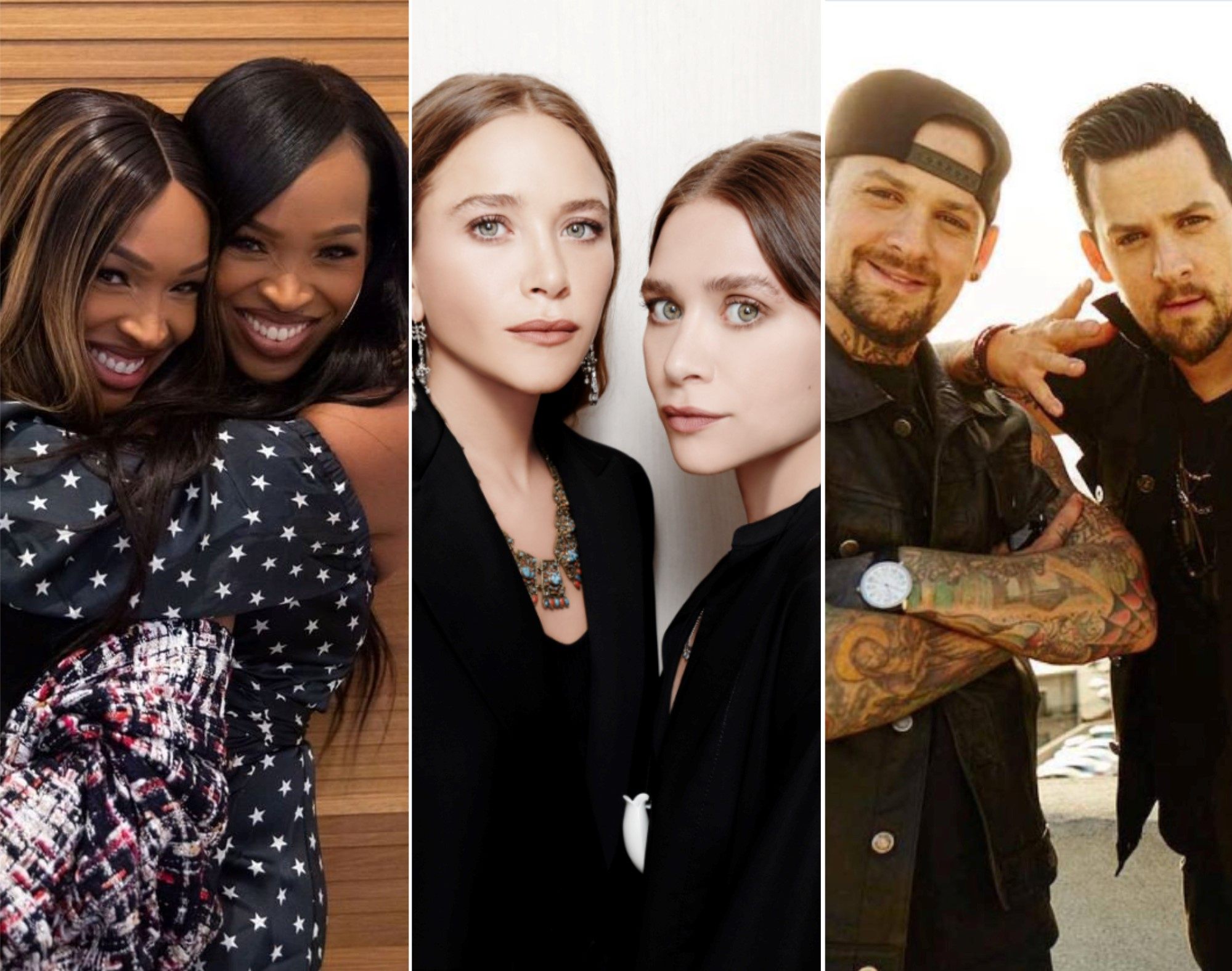
The Fascinating World of Celebrity Fraternal Twins in Hollywood
Celebrity fraternal twins in Hollywood capture public fascination because, unlike identical twins who share identical genetic blueprints, fraternal twins develop from two separate eggs fertilized by two separate sperm. This biological...
Celebrity fraternal twins in Hollywood capture public fascination because, unlike identical twins who share identical genetic blueprints, fraternal twins develop from two separate eggs fertilized by two separate sperm. This biological distinction often results in siblings with entirely different physical appearances, distinct career paths, and separate public personas who happen to share the exact same birthdate and navigate the demanding entertainment industry together.
Contents
Understanding the Biology of Fraternal Twins in Hollywood
To appreciate the dynamics of celebrity fraternal twins, it is essential to understand the underlying genetics. Fraternal twins, medically known as dizygotic twins, share roughly 50 percent of their DNA, making them genetically no different than regular siblings born at different times. The primary differentiator is that they share a womb and a birthdate.
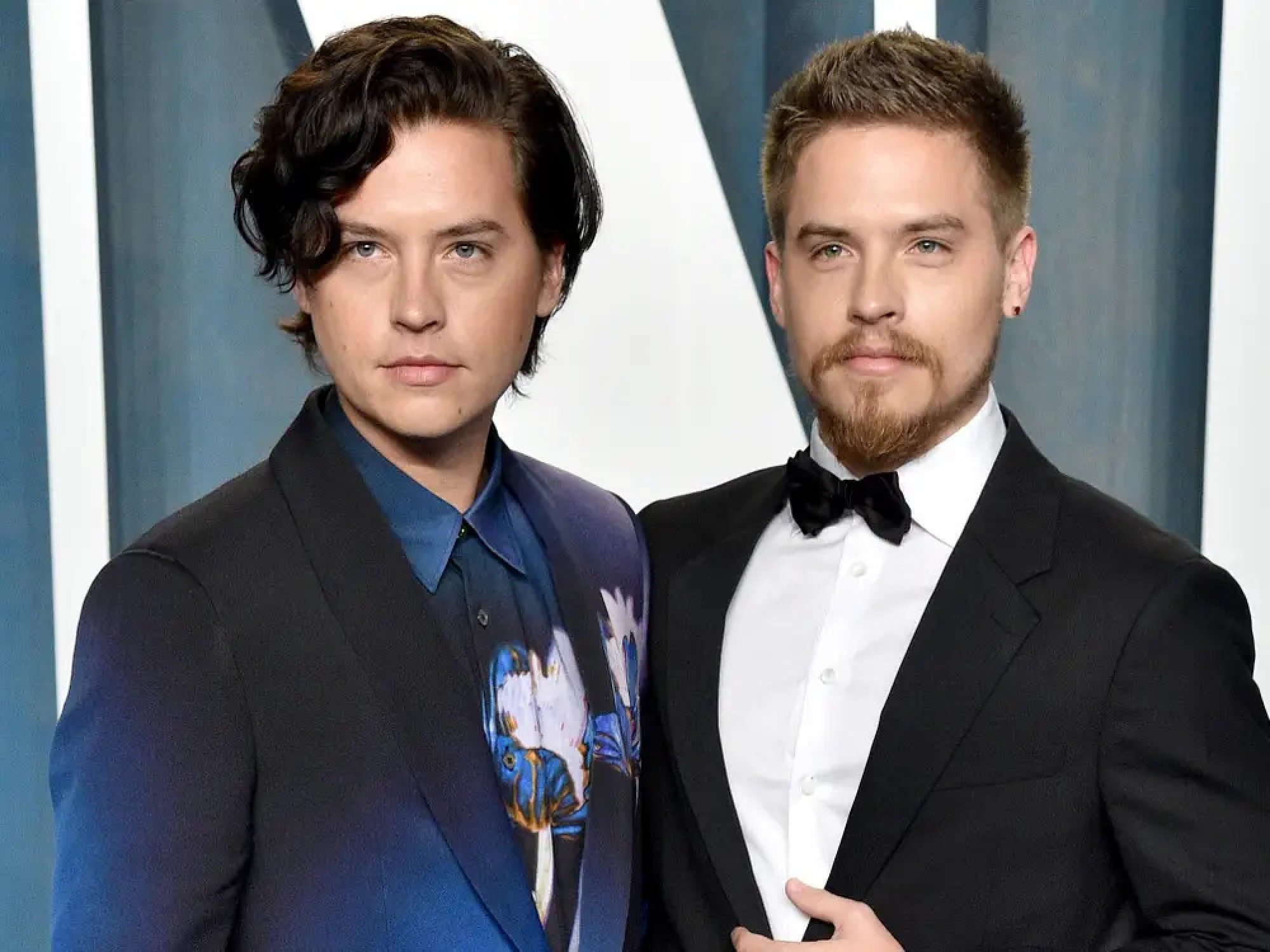
In the context of the entertainment industry, this genetic divergence manifests in fascinating ways. While identical twins—such as Mary-Kate and Ashley Olsen or Dylan and Cole Sprouse—often start their careers sharing single roles due to child labor laws and striking physical similarities, fraternal twins usually carve out completely independent paths from the very beginning. Because they do not look alike, casting directors rarely view them as interchangeable units. Instead, they enter Hollywood as distinct individuals who happen to share a family lineage.
Understanding this biological reality helps explain why many sets of celebrity fraternal twins feature siblings working in entirely different sectors of the entertainment business, or why one sibling might achieve global superstardom while the other pursues a quieter life behind the camera or outside the industry altogether.
Prominent Examples of Celebrity Fraternal Twins
Hollywood features several notable pairings of fraternal twins, spanning actors, musicians, and public figures. Examining these pairs highlights the diverse ways siblings navigate fame, pressure, and professional ambition.
Ashton Kutcher and Michael Kutcher
One of the most famous pairs of fraternal twins in the entertainment world consists of actor Ashton Kutcher and his twin brother, Michael. While Ashton pursued a high-profile career in modeling, television, and film—starring in hits like That '70s Show and Two and a Half Men—Michael faced significant health challenges early in life. Born with cerebral palsy and later requiring a heart transplant at age 13, Michael became a prominent advocate for individuals with disabilities and organ donation awareness. Their bond illustrates how fraternal twins can occupy completely different spheres of public life while maintaining a profound mutual support system.
Scarlett Johansson and Hunter Johansson
Global box-office powerhouse Scarlett Johansson shares her birthdate with her twin brother, Hunter Johansson. Unlike Scarlett, who began acting as a child and rose to become one of Hollywood's highest-paid actresses, Hunter ventured into politics and community organizing. He served on the campaign staff for various political figures and has been deeply involved in philanthropic initiatives, occasionally joining his sister on red-carpet events to support environmental and charitable causes.
Aaron Ashmore and Shawn Ashmore
In the realm of television and film, Canadian-born brothers Aaron Ashmore and Shawn Ashmore represent a rare instance where both fraternal twins pursued acting successfully. Because they are fraternal, they rarely played twins on screen, allowing them to build separate resumés. Shawn achieved widespread recognition for his role as Iceman in the X-Men film series and starring roles in television series like The Following and The Rookie, while Aaron gained acclaim for his work in Smallville, Warehouse 13, and Locke & Key.
Comparison of Notable Hollywood Fraternal Twins
| Twin Pair | Primary Industry / Field | Notable Projects or Roles | Public Profile Distinction |
|---|---|---|---|
| Ashton & Michael Kutcher | Entertainment & Advocacy | That '70s Show, Cerebral Palsy Advocacy | Ashton is a mainstream celebrity; Michael works as a corporate speaker and advocate. |
| Scarlett & Hunter Johansson | Film & Public Policy | The Avengers, Political Campaigns | Scarlett is an internationally renowned actress; Hunter focuses on political organizing. |
| Shawn & Aaron Ashmore | Television & Film | X-Men, Smallville, The Rookie | Both work as professional actors in distinct, separate television and film projects. |
| Rami & Sami Malek | Film & Education | Mr. Robot, Bohemian Rhapsody | Rami is an Academy Award-winning actor; Sami works as an educator and teacher. |
The Impact of Separate Career Trajectories
The absence of physical resemblance profoundly shapes the professional trajectory of fraternal twins in Hollywood. Without the gimmick of looking identical, these siblings avoid the typecast pigeonholing that often plagues child stars.
For instance, Rami Malek achieved global acclaim and an Academy Award for his portrayal of Freddie Mercury in Bohemian Rhapsody. His twin brother, Sami Malek, chose a path entirely outside the limelight, working as a teacher in Los Angeles. The stark contrast between Rami's hyper-visible career and Sami's quiet professional life highlights how fraternal twins can embrace completely disparate callings without the public conflating their identities.
This separation of identity provides psychological benefits as well. In an industry notorious for intense scrutiny, comparison, and competition, having a sibling who looks different and operates in another sphere minimizes direct rivalry. Fraternal twins can celebrate each other's milestones without the burden of constant physical or professional comparisons from media outlets and fans.
Navigating Fame, Privacy, and Family Dynamics
Growing up in the public eye or entering the entertainment industry as an adult brings unique pressures. For celebrity fraternal twins, maintaining a healthy boundary between public persona and private family life is essential.
When one sibling achieves massive commercial success, the other often faces persistent media curiosity. Navigating this dynamic requires intentional communication and mutual respect. Many celebrity twins emphasize that their shared upbringing provides a grounded perspective that shields them from the superficiality of Hollywood culture. Because they knew each other before fame intervened, their bond remains rooted in authentic history rather than industry status.
Furthermore, when health challenges or personal struggles affect one twin—as seen with Michael Kutcher's lifelong advocacy work stemming from his health experiences—the sibling relationship often becomes a source of resilience. The non-famous twin frequently helps keep the celebrity sibling grounded, offering an unvarnished reality check away from studio executive meetings and red-carpet premieres.
Frequently Asked Questions
Are celebrity fraternal twins as common as identical twins in Hollywood?
Statistically, fraternal twins are more common in the general population than identical twins, largely due to factors such as maternal age, genetics, and fertility treatments. However, identical twins historically appeared more frequently in early Hollywood child acting roles because casting directors could swap them to comply with strict child labor hour limits. Fraternal twins enter the industry with distinct looks, meaning they must audition and build careers independently.
Do fraternal twins in Hollywood ever work on the same projects?
While rare due to their physical differences, some fraternal twins do collaborate. When they do appear together, it is usually in documentary features, charity events, or behind-the-scenes production roles rather than playing identical characters in narrative films.
How do casting directors view fraternal twins?
Casting directors view fraternal twins essentially as siblings with the same birthday. Because they do not look alike, they are evaluated purely on their individual merits, acting range, and look, exactly like any other actors auditioning for a role.
Do fraternal twins share the exact same genetic makeup?
No. Fraternal twins share approximately 50 percent of their DNA, the same genetic overlap found between any two siblings born years apart. They develop from two separate eggs fertilized by two separate sperm cells during the same pregnancy.
Can fraternal twins be of different genders?
Yes. Fraternal twins can be male-female (boy-girl twins), female-female, or male-male. This genetic flexibility further separates them from identical twins, who must always be of the same gender.
Practical Insights for Understanding Hollywood Families
When analyzing entertainment industry biographies and family trees, recognizing the distinction between identical and fraternal twins prevents common misconceptions. Fans frequently mistake siblings born on the same day for identical units, failing to realize that many prominent actors and public figures share their birthday with a brother or sister who chose an entirely different path. Appreciating these distinct trajectories offers a deeper, more realistic look at the human side of Hollywood, where personal identity and individual choice ultimately transcend shared genetics.
Image Gallery