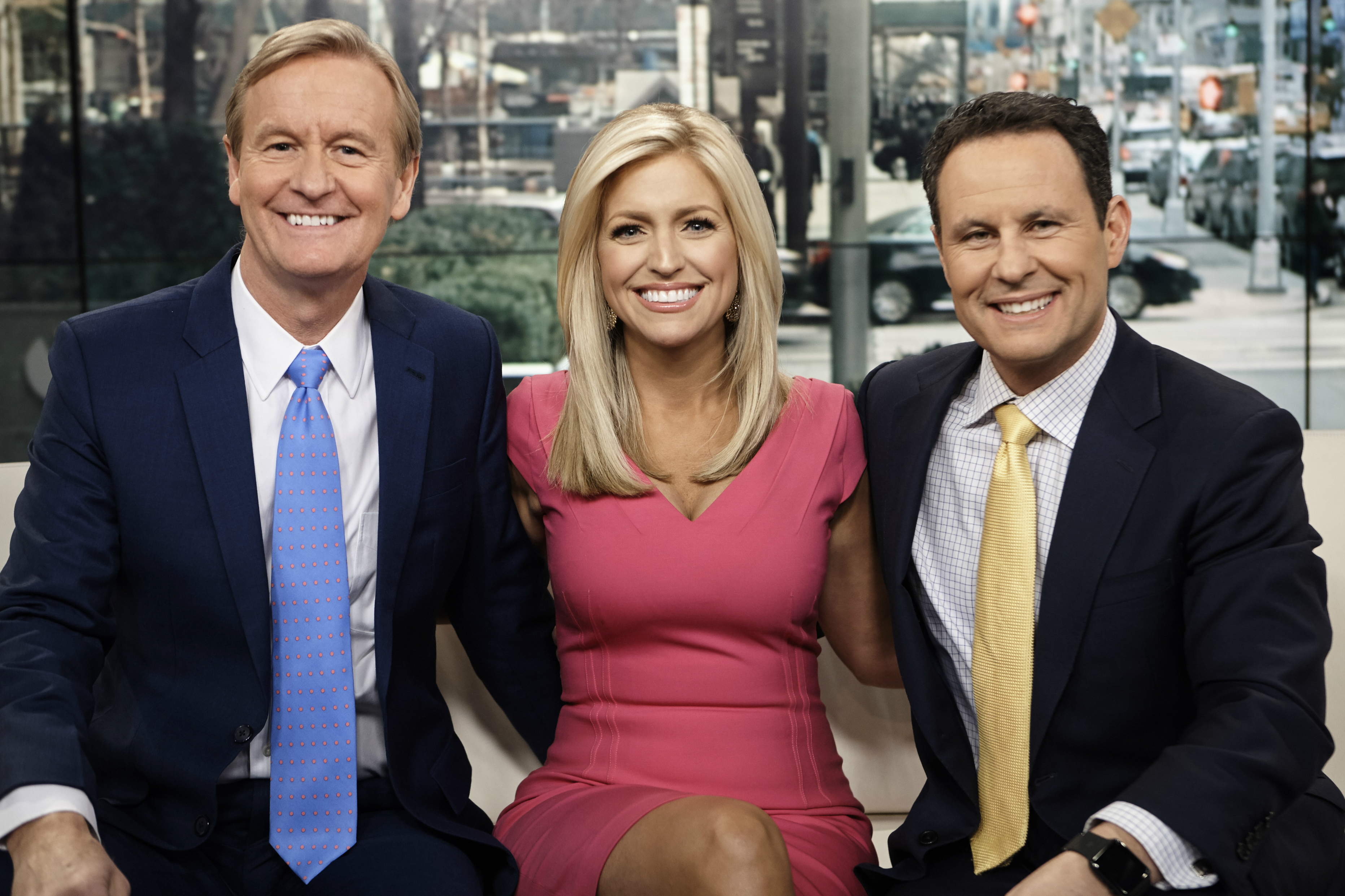
Inside Fox News Co-Hosts and How They Shape Morning News
Fox News co-hosts on programs like Fox & Friends wield significant influence over the morning news cycle by blending breaking headlines with populist commentary, setting political agendas, and shaping conservative media narratives for...
Fox News co-hosts on programs like Fox & Friends wield significant influence over the morning news cycle by blending breaking headlines with populist commentary, setting political agendas, and shaping conservative media narratives for millions of viewers.
Contents
Morning television functions as a critical bridge between overnight developments and the daily political discourse, and few broadcasts occupy as strategic a position as morning programming on major cable news networks. Understanding the anatomy of morning news requires examining how on-air talent selection, broadcast structures, interviewing styles, and viewer engagement strategies converge. Rather than merely reading teleprompters, morning anchors act as curators, interpreters, and conversational guides. They establish the emotional tone of the broadcast, whether addressing serious international crises, economic shifts, or domestic cultural debates. This dynamic shapes public perception and often influences the broader American political conversation, making the mechanics of morning television production a subject of ongoing study for media analysts and political scientists alike.
The Strategic Anatomy of Morning Cable News
Morning cable news operates under a different set of rules than evening prime-time programming or midday hard-news reporting. While evening shows often feature intense analytical commentary and single-topic deep dives, morning broadcasts must balance an accessible, upbeat atmosphere with urgent reporting on breaking overnight events. This delicate equilibrium requires a distinct set of skills from the co-hosts anchoring the desk.
The primary function of a morning news team is to package complex political and social developments into digestible segments for an audience preparing for the workday. Co-hosts must transition seamlessly from a serious interview with a lawmaker or cabinet official to a lighter lifestyle segment or a weather update. This versatility dictates the casting choices made by network executives. Hosts must possess strong journalistic credentials to handle hard news while maintaining an approachable, charismatic demeanor that builds a personal connection with viewers over hours of live television.
Furthermore, morning programming serves as an early-morning bellwether for the news cycle. Network executives design these shows to capture the attention of key demographic groups, including commuters, early-risers, and decision-makers in Washington, D.C. Consequently, the topics chosen for discussion, the framing of headlines, and the selection of guests are calculated to set the agenda not only for Fox News viewers but frequently for competing networks and political actors responding to the morning's talking points.
The Evolution and Format of Fox & Friends
As the flagship morning franchise for the network, Fox & Friends has evolved significantly since its inception, establishing a blueprint for conservative morning television. The program relies on a multi-host format, typically featuring a trio of anchors who bring different backgrounds—ranging from news reporting and military analysis to entertainment and political commentary—to the broadcast.
This ensemble approach fosters a conversational, living-room dynamic that encourages viewers to feel as though they are part of a discussion rather than passive recipients of a lecture. The hosts often analyze front-page newspaper stories, debate current events, and interview politicians or cultural figures. This format allows for varied viewpoints within a shared ideological framework, keeping the broadcast dynamic and fast-paced.
| Program Feature | Operational Focus | Primary Audience Impact |
|---|---|---|
| Ensemble Hosting | Collaborative discussion among multi-disciplinary anchors | Creates a conversational, accessible broadcast tone |
| Newspaper Review | Early-morning analysis of national print and digital headlines | Frames daily news priorities through a distinct editorial lens |
| Live Interactivity | Viewer polling, social media integration, and diner interviews | Enhances engagement with grassroots conservative perspectives |
| High-Profile Access | Frequent interviews with political figures and lawmakers | Drives the daily political news cycle and morning agenda |
The structure of the show prioritizes viewer interactivity. Segments like diner interviews, viewer emails, and social media roundups are designed to reflect the sentiments of the grassroots conservative audience. By anchoring the news in everyday experiences and concerns, the co-hosts help translate abstract legislative battles or economic indicators into relatable kitchen-table issues.
How Co-Hosts Influence the National Narrative
The influence of morning news anchors extends far beyond the studio walls. Because morning television is broadcast while political figures and policymakers are starting their days, the commentary and framing provided by co-hosts frequently ripple through the political ecosystem.
When a co-host presses a politician on a specific policy failure or highlights a local news story that has received scant national attention, it often prompts a cascade of reactions across social media and competing media outlets. This ability to elevate specific issues to national prominence is one of the most powerful tools in morning broadcasting.
- Agenda Setting: Co-hosts determine which stories receive extended coverage and which are minimized, directly influencing what millions of viewers consider important each day.
- Editorial Framing: The choice of adjectives, tone of voice, and line of questioning shape how viewers interpret the motives and actions of public figures.
- Cultural Resonance: By incorporating lifestyle trends, religious themes, and traditional values into the news mix, anchors reinforce a shared cultural identity with their audience.
This narrative power relies on trust and consistency. Viewers tune in day after day because they expect a specific perspective and emotional resonance. The co-hosts must embody that brand consistently, turning routine news delivery into an authoritative guide on current events.
Production Dynamics and Behind-the-Scenes Realities
Behind the polished veneer of a live morning broadcast lies a rigorous production machine that operates around the clock. The appearance of effortless conversation between co-hosts is the result of extensive preparation, late-night script reviews, and pre-show editorial meetings that often begin well before dawn.
Producers, researchers, writers, and technical crew members collaborate closely with the on-air talent to curate the daily rundown. While the co-hosts deliver the performance, their success depends on the rapid processing of breaking news, the vetting of guests, and the creation of compelling graphics and video packages.
- Overnight News Monitoring
- Pre-Dawn Editorial Meeting (Hosts & Producers)
- Scripting, Graphics, and Guest Vetting
- Live Broadcast Execution (Multi-Hour Window)
- Post-Show Debrief and Digital Content Adaptation
This rapid-response environment requires co-hosts to possess quick thinking and adaptability. When major breaking news occurs mid-broadcast, anchors must discard the planned rundown and guide the audience through unfolding events with composure and clarity. The ability to manage these high-pressure situations distinguishes veteran morning broadcasters from novice television personalities.
Frequently Asked Questions
What qualifications are typically required to host a morning cable news show?
Networks generally look for a combination of extensive television reporting experience, proven audience appeal, strong live-interviewing skills, and alignment with the network's editorial voice. While some hosts rise through traditional hard-news reporting ranks, others bring expertise in commentary, politics, or military analysis.
How do morning news co-hosts prepare for their broadcasts?
Preparation usually begins the night before with a review of developing news stories, upcoming guest lists, and initial show rundowns. Co-hosts participate in early-morning editorial meetings with producers to finalize talking points, review interview questions, and coordinate segments before going live.
Why is the multi-host format popular in morning television?
The multi-host format creates a dynamic, conversational atmosphere that mimics social interaction among friends. It allows different anchors to specialize in various topics—such as politics, economics, or lifestyle—while preventing viewer fatigue by varying the voices and perspectives throughout a lengthy broadcast.
How does morning news differ from prime-time cable news?
Morning news emphasizes a mix of hard news, breaking developments, and lighter lifestyle or human-interest stories delivered in an accessible, conversational style. Prime-time programming, by contrast, typically focuses heavily on opinion-driven commentary, deep-dive political analysis, and debate format shows.
Do morning news co-hosts write their own scripts and questions?
While co-hosts rely heavily on a team of producers, writers, and researchers to draft scripts and compile background research, experienced anchors actively review, rewrite, and customize material to fit their personal delivery style and editorial judgment.
Conclusion and Next Steps
The impact of morning television anchors on the national discourse demonstrates the vital role that on-air talent plays in shaping public awareness. For media observers, political analysts, and aspiring broadcasters, studying the mechanics of programs like Fox & Friends offers a clear view of how information is curated, packaged, and delivered to millions of households. To deepen your understanding of modern media dynamics, consider analyzing how different cable networks cover the same breaking morning headlines, comparing editorial priorities, guest selections, and framing techniques across various broadcasts.
Image Gallery