How to Navigate the Queenstown Property Market: A Strategic Buyer and Investor Guide
Navigating the Queenstown property market requires understanding unique local dynamics, including strict foreign buyer restrictions under the Overseas Investment Office (OIO), localized short-term letting regulations enforced by the Qu...
Navigating the Queenstown property market requires understanding unique local dynamics, including strict foreign buyer restrictions under the Overseas Investment Office (OIO), localized short-term letting regulations enforced by the Queenstown Lakes District Council (QLDC), and micro-market variations across suburbs. Success depends on securing financial pre-approval, conducting thorough due diligence, and aligning property choices with long-term capital growth or yield goals.
Contents
Understanding the Queenstown Real Estate Landscape
The Queenstown Lakes residential market is one of New Zealand's most premium and complex property environments. Characterized by spectacular alpine topography, Lake Wakatipu views, and international lifestyle appeal, the region operates under micro-economic drivers distinct from major urban centers like Auckland or Wellington. Land supply across the Wakatipu Basin is physically constrained by mountains, rivers, and strict local planning boundaries designed to protect rural landscapes, creating a structural supply shortage relative to long-term demand.
Demand is driven by high-net-worth domestic buyers, international buyers seeking lifestyle assets, and long-term investors attracted by steady historical capital appreciation. Dual seasonality—driven by winter ski operations and summer outdoor tourism—ensures strong baseline economic activity. However, this high desirability translates into elevated entry costs, requiring buyers to navigate complex planning rules, environmental considerations, and high land values per square meter.
Understanding the market requires separating short-term rental yield potential from long-term residential capital growth. Properties located directly in commercial cores or specialized accommodation zones trade at different valuations compared to residential suburbs designed for local workers and families.
Legal and Regulatory Rules for Buyers
Purchasing property in New Zealand involves strict statutory frameworks that dictate who can buy, how properties can be used, and what tax liabilities apply. Overseas buyers, in particular, face specific regulatory hurdles.
Overseas Investment Office (OIO) Restrictions
Under the Land Information New Zealand (LINZ) Overseas Investment Office rules, non-residents are restricted from purchasing existing residential property in New Zealand. To acquire residential property without consent, a buyer must be a New Zealand citizen or hold a qualifying New Zealand residence class visa while meeting tax residency rules.
- Australian and Singaporean Citizens: Due to existing trade agreements, Australian and Singaporean citizens are generally exempt from standard OIO restrictions and can purchase residential real estate on the same terms as New Zealand citizens.
- Non-Resident Foreign Buyers: Foreign nationals without residency cannot purchase existing standalone homes or existing residential units. They may only purchase new-build apartments or off-plan developments if the developer holds an OIO Exemption Certificate, typically under the condition that the property will be rented out or subsequently sold rather than owner-occupied.
Financing, Tax, and Lending Frameworks
Borrowers navigating the New Zealand banking sector must comply with macroprudential policies set by the Reserve Bank of New Zealand (RBNZ). Mortgage availability is governed by Loan-to-Value Ratio (LVR) restrictions and Debt-to-Income (DTI) limits:
- LVR and DTI Caps: Banks enforce strict equity requirements, often requiring higher deposits (typically 30% to 40%) for residential investment property compared to owner-occupied dwellings (usually 20%). DTI rules cap total borrowing relative to gross household income, limiting speculative leverage.
- Bright-Line Test: Under guidelines administered by the Inland Revenue Department (IRD), residential property sold within the designated bright-line period is subject to income tax on capital gains (excluding the main home). For properties acquired after recent legislative adjustments, the bright-line period stands at two years.
- Interest Deductibility: Mortgage interest deductibility for residential investment properties is restored to 100%, allowing residential landlords to deduct interest expenses against rental income for tax calculations.
Short-Term Rental Regulations and QLDC Zoning
Short-term visitor accommodation (VA), such as listings on Airbnb and Bookabach, is heavily regulated in Queenstown. The Queenstown Lakes District Council enforces District Plan rules to balance community housing supply with tourist accommodation.
| Residential Zones | Visitor Accommodation Sub-Zones (VASZ) & Commercial Zones |
|---|---|
| - Max 90 nights/year unconsented- Strict parking & noise controls- Resource Consent required for >90 nights | - 365-night short-term letting- Higher consent success rates |
Unconsented Short-Term Letting Limits
In standard Low, Medium, and High-Density Residential Zones, property owners are permitted to operate short-term visitor accommodation for up to a maximum of 90 nights per calendar year without requiring a Resource Consent. The property must comply with specific operational standards, including minimum stay durations, guest record-keeping, and designated off-street parking provision.
Visitor Accommodation Sub-Zones (VASZ)
Properties located within designated Visitor Accommodation Sub-Zones or Town Centre Commercial Zones carry statutory planning provisions that support year-round (365-night) short-term rental operations. Operating full-time visitor accommodation outside these sub-zones requires obtaining a Resource Consent from QLDC. Obtaining consent in non-VASZ residential zones is difficult, costly, and frequently opposed by neighboring residents due to traffic and residential amenity impacts.
Body Corporate Operational Rules
For apartments, townhouses, and multi-unit complexes, individual Body Corporate rules often impose absolute bans on short-term letting, regardless of council planning zones. Buyers seeking short-term rental income must review the registered Body Corporate Operational Rules before making an unconditional offer.
Suburb Breakdown and Property Types
The Wakatipu Basin consists of distinct micro-markets, each offering different land features, sun exposure, zoning constraints, and asset classes.
- Wakatipu Basin Suburb Layout
- Arrowtown (North): Historic, Heritage Rules
- Queenstown Hill / Central: Views, VASZ, Apartments
- Kelvin Heights: High Sun, Luxury
- Frankton Hub: Commercial, Density
- Jack's Point & Hanley's Farm: Master-Planned, Sub-Alpine
Central Queenstown & Queenstown Hill
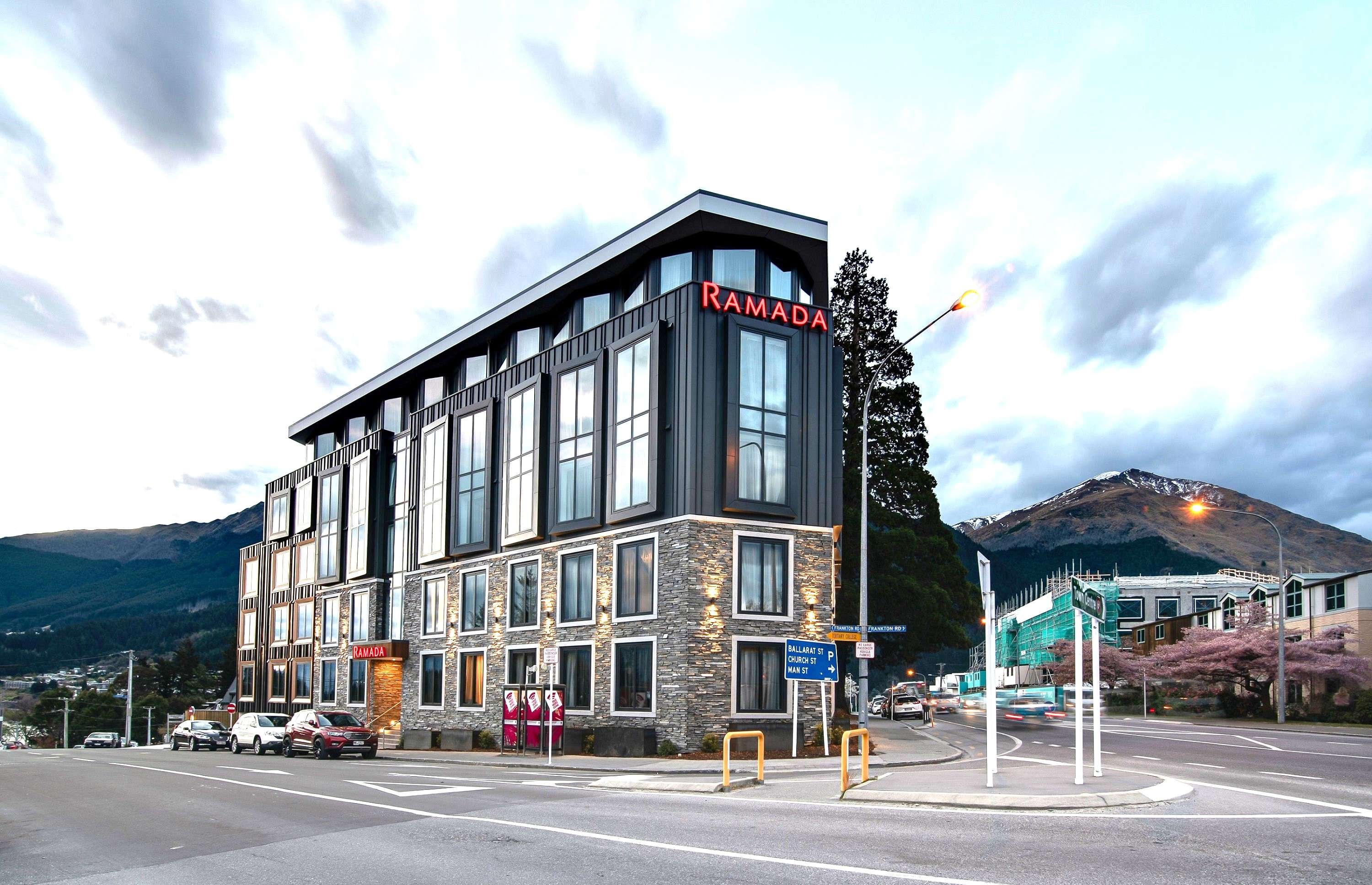
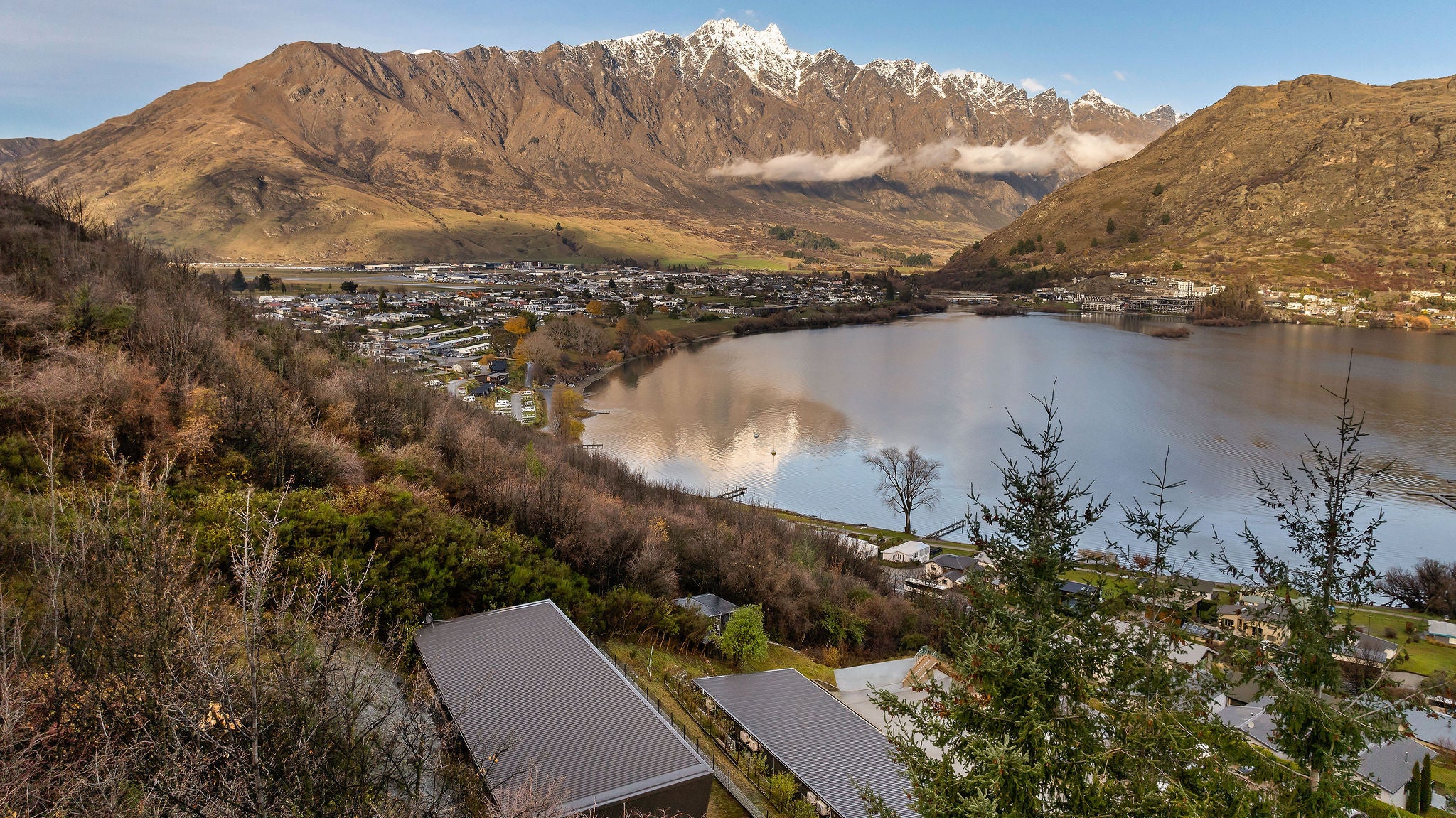
High-density residential developments, luxury apartments, and elevated hillside villas define this sub-market. Known for panoramic views of Lake Wakatipu and The Remarkables, this area features a high concentration of Visitor Accommodation Sub-Zones. Properties here command premium prices, but steep topography presents geotechnical challenges and high structural foundation costs for new construction.
Kelvin Heights
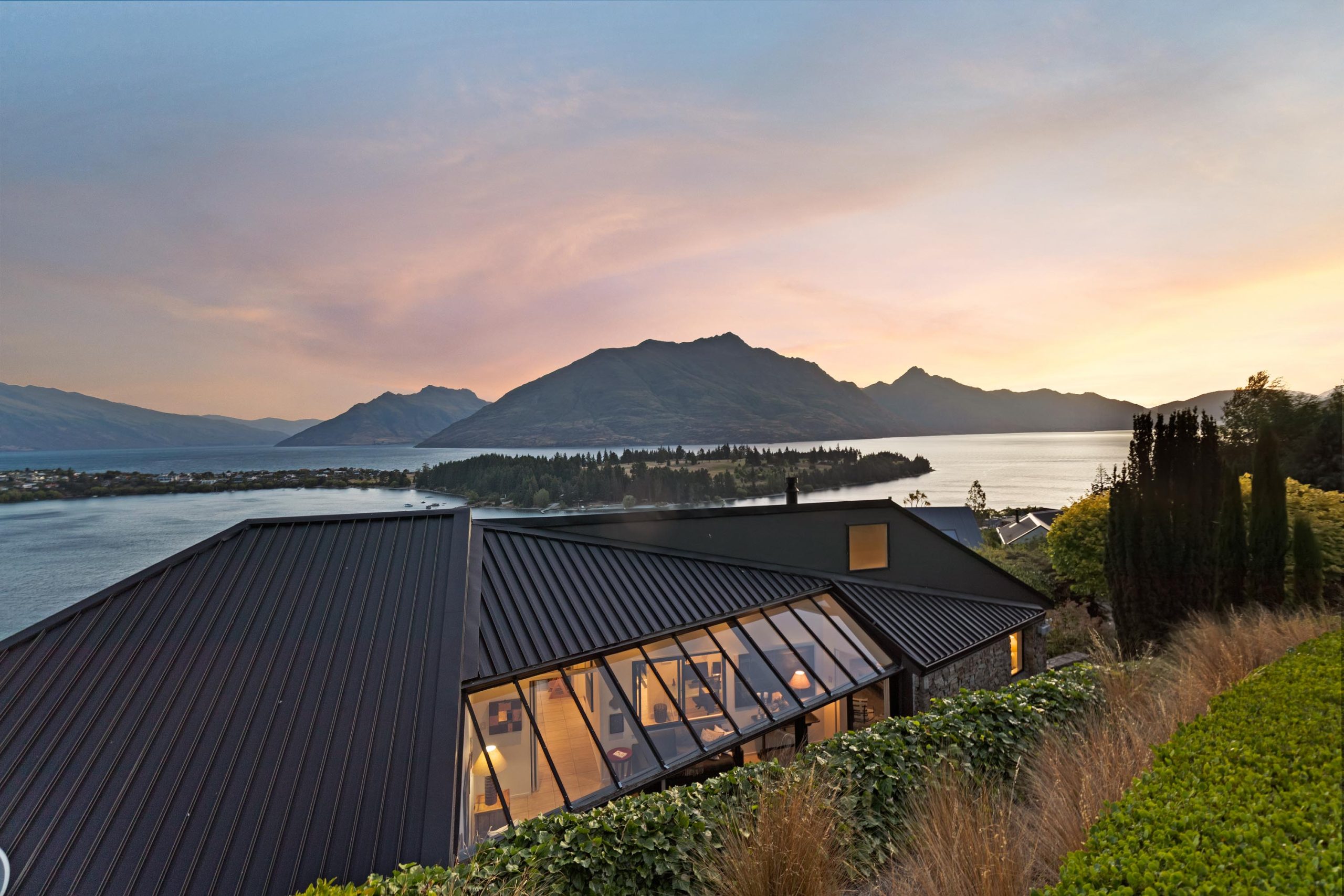
Situated on the southern peninsula of Lake Wakatipu, Kelvin Heights is widely regarded as one of Queenstown’s premier residential suburbs. It enjoys north-facing sun exposure—a rare asset in alpine valleys where winter sun hours can be severely restricted by surrounding peaks. Properties are predominantly high-value standalone family residences and architectural lifestyle retreats.
Frankton & Remarkables Park
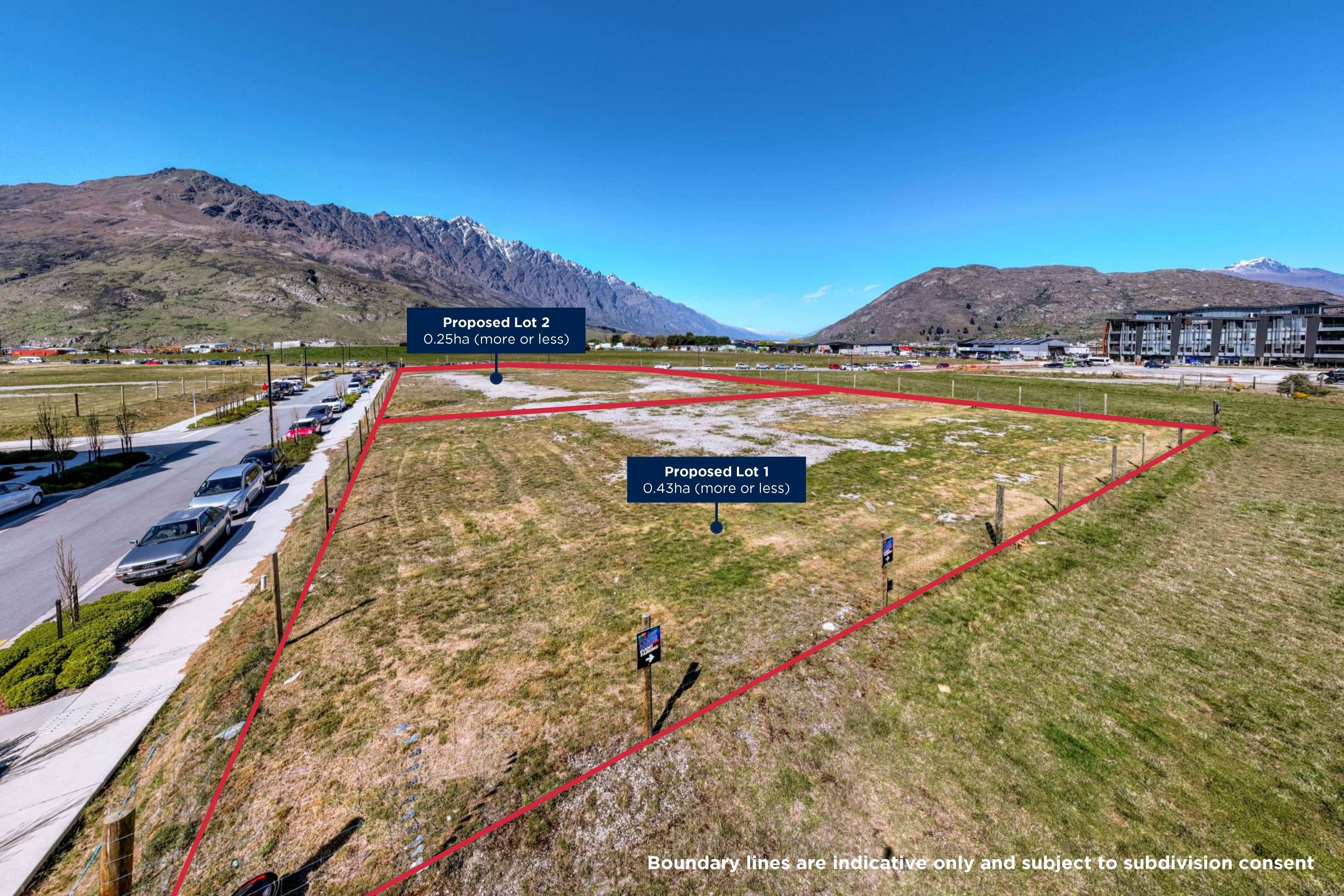
Serving as the commercial, transport, and educational hub of the region, Frankton features Queenstown International Airport, major retail centers, and high-density residential subdivisions. Frankton provides relatively lower entry prices, strong long-term rental demand from local workers, and flat terrain, making it popular with yield-focused investors and first-home buyers.
Jack’s Point & Hanley’s Farm
Located south of Frankton beneath The Remarkables mountain range, these master-planned developments offer modern housing stock. Jack’s Point incorporates strict architectural design guidelines, a championship golf course, and native landscape integration, catering to lifestyle buyers. Hanley’s Farm provides high-density, contemporary family housing built on level building envelopes, making construction more straightforward than hillside sites.
Arrowtown
Located 20 minutes northeast of central Queenstown, historic Arrowtown operates under distinct residential character and heritage protection guidelines. Strict tree protection and architectural rules apply within the historic zone. Arrowtown properties maintain exceptionally high value retention, driven by top-tier schooling, village amenities, and limited land releases.
Comparative Overview of Queenstown Sub-Markets
The table below outlines the operational, zoning, and profile differences across major Wakatipu sub-markets:
| Suburb / Area | Primary Property Types | Dominant Zoning | Short-Term Rental (VA) Viability | Primary Buyer Consideration |
|---|---|---|---|---|
| Central Queenstown | Apartments, Luxury Villas, Condos | High-Density Residential / Town Centre / VASZ | High; extensive 365-day VASZ zoning | High Body Corporate fees and steep topography |
| Kelvin Heights | High-End Standalone Homes | Lower-Density Suburban Residential | Limited; primarily restricted to 90-day rules | Maximized winter sun; high entry price points |
| Frankton | Townhouses, Units, Standard Residential | Medium-Density Residential / Commercial | Moderate; zoned mainly for long-term tenancy | Proximity to airport and retail hubs; steady yields |
| Jack’s Point | Architectural Homes, Section Sites | Resort Zone / Master-Planned Residential | Moderate; controlled by strict Design Guidelines | Strict building envelope guidelines and Covenants |
| Hanley’s Farm | Modern Standalone Homes, Dual-Key Units | Medium-Density Residential | Low to Moderate; standard 90-day limits | Flat build sites; high density of local families |
| Arrowtown | Historic Cottages, High-End Residential | Residential Historic Zone / Settlement | Restricted; subject to heritage overlay rules | Strict historical design guidelines; low inventory |
Step-by-Step Purchasing Process in New Zealand
Acquiring real estate in New Zealand follows a legal and financial progression administered by registered conveyancers or solicitors under the rules of the Real Estate Authority (REA).
- Pre-Approval (LVR/DTI Check)
- Due Diligence (LIM, Title, Building)
- Select Sale Method (Auction/Deadline Sale)
- Settlement (Conveyancing)
Step 1: Financial Pre-Approval and Tax Structuring
Before initiating a search, foreign and domestic buyers must obtain written mortgage pre-approval from a registered New Zealand lender or secure international funding structures. Tax advice must be established early regarding ownership structures (e.g., personal name, New Zealand look-through company, or family trust).
Step 2: Legal Due Diligence
Due diligence requires reviewing core property documentation prior to submitting a binding offer:
- Land Information Memorandum (LIM): Issued by QLDC, the LIM details council records, including special land features (flooding, rockfall risk, fill areas), building consent status, rates balances, and zoning classification.
- Record of Title: Confirms legal ownership and lists encumbrances, covenants, rights-of-way, cross-leases, or registered mortgages on the property.
- Property Inspection Report: Conducted by a qualified building inspector to evaluate structural integrity, moisture levels (crucial for weather-tightness checks), heating efficiency, and insulation standards.
- Geotechnical Assessment: Crucial for hillside sites across Queenstown Hill, Sunshine Bay, and Arthurs Point to assess slope stability and soil load capabilities.
Step 3: Navigating Sale Methods
Properties in Queenstown are sold through specific methods governed by the REA:
- Auction: An unconditional, public sale process. Buyers must complete all due diligence, legal title reviews, and finance approvals before bidding on auction day. Falling under the hammer creates a binding unconditional contract.
- Deadline Sale / Tender: Buyers submit written offers on a formal agreement form before a specified closing date. Offers can be conditional (subject to finance, LIM, or building inspection) or unconditional. The vendor can accept, reject, or negotiate any offer.
- Private Treaty / Negotiated Price: Properties listed with an asking price allow buyers to submit conditional or unconditional offers through the real estate agent at any time.
Step 4: Conveyancing and Settlement
Upon agreement execution, lawyers handle the satisfaction of contract conditions (if conditional). Once unconditional, a deposit (typically 10%) is held in the real estate agency's audited trust account. On the settlement date, funds are transferred via the electronic settlement network managed by LINZ, land ownership is updated on the public title register, and vacant possession is granted.
Common Pitfalls and Risk Management
Buyers entering the Queenstown market often face challenges caused by geographic realities, local regulations, and high structural costs.
- Underestimating Alpine Building Costs: Construction costs per square meter in Queenstown are among the highest in New Zealand. Steep topography, cold-climate thermal requirements, geotechnical retaining structures, and transport surcharges for building materials significantly elevate development budgets.
- Non-Compliant Visitor Accommodation: Operating short-term rentals without valid Resource Consent or beyond the 90-day unconsented allowance can trigger QLDC enforcement action, financial fines, and compulsory closure of booking profiles.
- Ignoring Shadow Studies and Winter Sun: Due to high surrounding mountain ranges (such as Cecil Peak and Ben Lomond), certain properties located on the southern flanks of hills receive zero direct sunlight during winter months. Buyers must check seasonal sun path maps before finalizing property purchases.
- Unconsented Building Works: Older properties or lifestyle conversions often contain unconsented alterations, such as converted garages or unauthorized heating installs. Unconsented works can invalidate building insurance policies and lead to council remediation orders.
Frequently Asked Questions
Can non-residents buy real estate in Queenstown?
Non-residents generally cannot buy existing standalone residential dwellings due to the Overseas Investment Act. However, Australian and Singaporean citizens can buy without restriction. Other foreign nationals may buy new-build apartments or off-plan developments if the project holds an OIO Exemption Certificate.
How many days can I rent my house on Airbnb in Queenstown without council consent?
In standard residential zones, Queenstown Lakes District Council allows unconsented short-term visitor accommodation for up to 90 nights per calendar year, subject to operational standards. Operating beyond 90 nights requires a formal Resource Consent or locating the property within a designated Visitor Accommodation Sub-Zone (VASZ).
What is a LIM report, and why is it essential?
A Land Information Memorandum (LIM) is an official report issued by QLDC. It details vital property records, including land stability hazards, stormwater layout, unconsented building works, historical resource consents, and outstanding council rates. It protects buyers from inheriting unrecorded structural or legal liabilities.
What is the current bright-line test duration for New Zealand property?
The bright-line test duration for residential property sales stands at two years. Capital gains on residential property sold within two years of acquisition are taxed as regular income, unless the property qualifies under the main home exemption or another statutory exclusion.
Are structural building inspections necessary for modern homes in Queenstown?
Yes. Despite modern building standards, alpine climate exposure subjects materials to freeze-thaw cycles, high wind loads, and thermal stress. Professional building inspections verify weather-tightness, insulation performance, foundation stability, and heating system compliance.
Strategic Recommendations for Prospective Buyers
To secure property effectively within the Wakatipu Basin, follow these actions:
- Confirm Legal Eligibility: Determine your legal right to purchase under the Overseas Investment Act before starting your property search. Obtain formal confirmation from your New Zealand conveyancing solicitor.
- Define the Primary Investment Objective: Separate lifestyle assets from high-yield short-term rentals. If year-round short-term rental income is essential, limit searches strictly to Visitor Accommodation Sub-Zones (VASZ) or commercial zones.
- Engage Local Professionals: Retain a Queenstown-based solicitor, registered building inspector, and mortgage broker familiar with local council planning overlays, bank stress tests, and alpine building hazards.
- Analyze Winter Micro-Climates: Conduct site inspections during mid-winter months (June to August) or consult local solar path maps to verify actual daily sun exposure hours.
Image Gallery