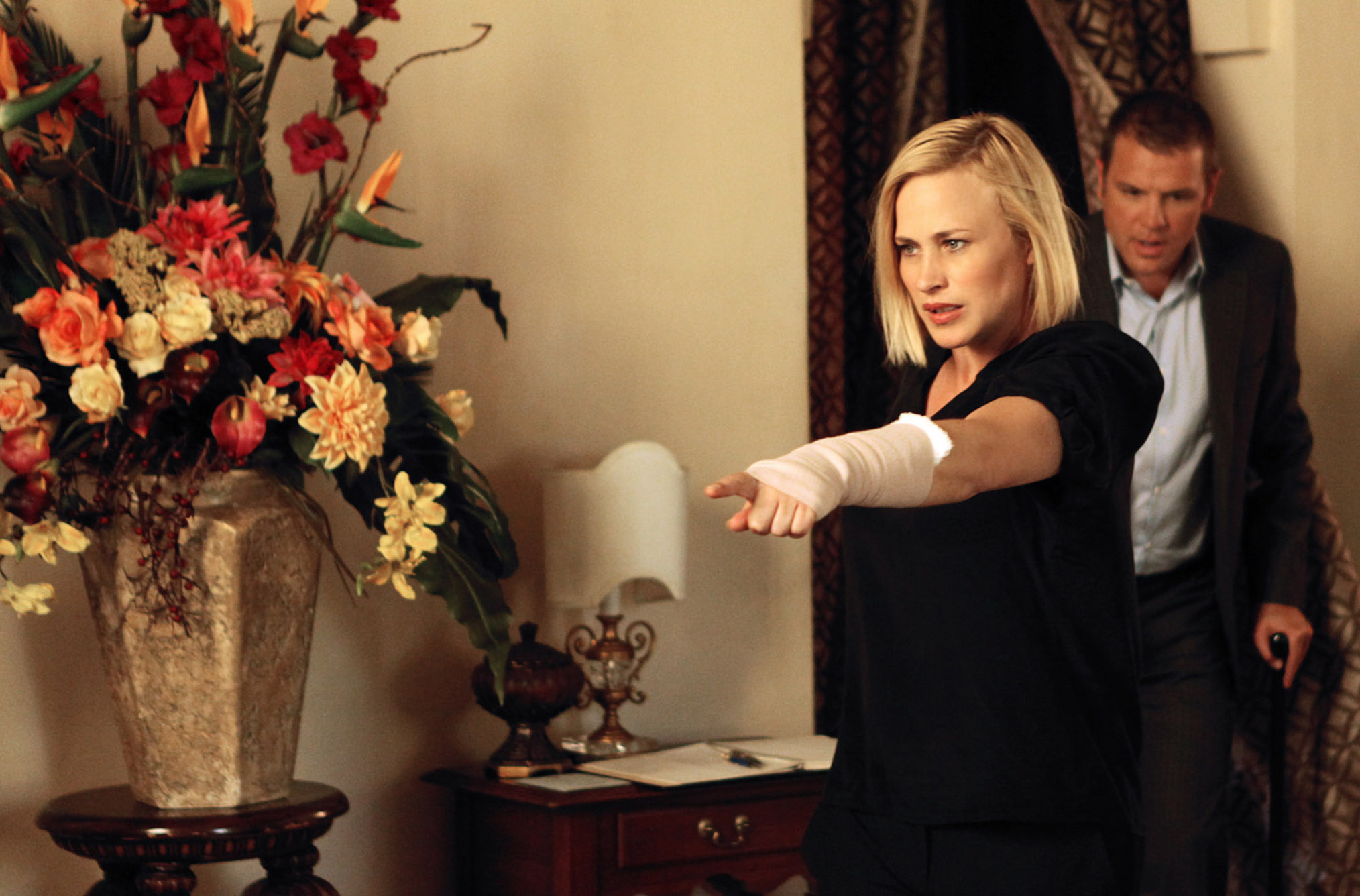
Patricia Arquette in Ed Wood: A Critical Performance Analysis
Patricia Arquette delivers a grounded, emotionally resonant performance as Kathy O'Hara in Tim Burton’s 1994 biographical comedy-drama Ed Wood, anchoring the eccentric cinematic universe in authentic human vulnerability. While Johnny D...
Patricia Arquette delivers a grounded, emotionally resonant performance as Kathy O'Hara in Tim Burton’s 1994 biographical comedy-drama Ed Wood, anchoring the eccentric cinematic universe in authentic human vulnerability. While Johnny Depp captures the flamboyant optimism of the titular B-movie director and Martin Landau embodies the melancholic dignity of Bela Lugosi, Arquette portrays the supportive, level-headed girlfriend who stands by Wood through his artistic struggles, financial destitution, and societal ostracization.
Contents
Historical Context and Casting Background
The mid-1990s marked a distinctive creative era for director Tim Burton following the gothic box-office success of Batman Returns (1992) and the stop-motion innovation of The Nightmare Before Christmas (1993). Turning his attention away from blockbusters, Burton sought to adapt the life of Edward D. Wood Jr., widely celebrated as the "worst director of all time," based on Rudolph Grey’s seminal oral history Nightmare of Ecstasy: The Life and Art of Edward D. Wood, Jr. Screenwriters Scott Alexander and Larry Karaszewski crafted a script that treated Wood not as a punchline, but as an enthusiastic visionary whose passion superseded his technical incompetence.
Casting Patricia Arquette as Kathy O'Hara—Wood’s real-life second wife and loyal partner during his final, most difficult filmmaking years—was a crucial artistic choice. By 1994, Arquette had established a reputation for indie credibility and emotional intensity in films such as True Romance (1993) and The Indian Runner (1991). Her ability to project unshakeable loyalty without slipping into caricature helped ground a movie filled with flamboyant eccentrics. In interviews surrounding the film's release, Arquette noted that she approached Kathy not merely as a passive bystander, but as an active participant in Wood’s daily survival and artistic ecosystem, embracing the character's unpretentious nature and working-class grit.
Character Conception: Kathy O'Hara vs. The Historical Record
In Ed Wood, Kathy O'Hara serves as the emotional anchor for the audience. Where other characters indulge in Hollywood delusions or substance-induced escapism, Kathy provides a stark, loving reality check. She drinks alongside Ed, laughs at his bizarre wardrobe choices, and accepts his unorthodox obsessions—including his well-documented penchant for angora sweaters—without judgment.
| Feature / Attribute | Real-Life Kathy O'Hara | Patricia Arquette's Portrayal |
|---|---|---|
| Relationship Timeline | Met Wood in the 1950s, married in 1956, stayed until his death in 1978. | Compressed timeline emphasizing peak artistic struggle (Glen or Glenda to Plan 9 from Outer Space era). |
| Public Persona | Private individual, supportive partner, occasionally drank with Wood. | Warm, pragmatic, deeply empathetic, sharing in his bohemian lifestyle. |
| Narrative Function | Real-world companion and spouse. | The moral and emotional anchor preventing the film from descending into outright farce. |
Historically, little public record exists of Kathy O'Hara compared to Ed Wood's eccentric collaborators like Tor Johnson or Vampira. Alexander and Karaszewski used available biographical details from Grey's book to construct a character who embodies unconditional affection. Arquette portrays Kathy with a distinct physical posture and vocal cadence that suggests a woman accustomed to scraping by in Los Angeles boarding houses, yet possessing a romantic streak strong enough to match Wood's boundless optimism. Her performance highlights how marginal artists survive not through commercial success, but through the emotional sustenance provided by partners who believe in their humanity.
Ensemble Dynamics and Onscreen Chemistry
The success of Ed Wood depends heavily on the chemistry between its principal cast members. Johnny Depp’s performance relies on a perpetual, breathless enthusiasm; Ed Wood is a man who hears the word "action" as a divine mandate, regardless of the broken equipment or terrible scripts surrounding him. Arquette plays off this manic energy with a soothing, pragmatic counter-rhythm. When Ed returns home ecstatic after securing minimal financing from a disgruntled car salesman or a religious backer, Kathy shares his joy while quietly managing the immediate rent crisis.
Furthermore, Arquette navigates the complex social dynamics between Kathy, Ed, and aging horror icon Bela Lugosi (portrayed by Martin Landau in an Academy Award-winning performance). In scenes shared with Landau, Arquette projects a tender maternal protectiveness toward Lugosi, who battles severe morphine addiction and professional irrelevance. This dynamic elevates Ed Wood from a campy comedy into a poignant meditation on friendship, aging, and artistic dignity. Arquette's interactions with Lugosi reveal Kathy's expansive empathy; she accepts the fading star into their precarious domestic circle without resentment, reinforcing the film's central theme that Hollywood's outcasts formed their own genuine, protective families.
Technical Execution and Aesthetic Contribution
Tim Burton shot Ed Wood in crisp, high-contrast black-and-white to evoke the aesthetic of 1950s independent cinema and classic Universal monster movies. This stylistic choice placed heavy demands on the cast's facial expressiveness, wardrobe, and lighting interactions. Cinematographer Stefan Czapsky utilized deep shadows and soft key lights that gave the production a timeless, melancholic beauty.
- Wardrobe and Makeup: Arquette’s costumes reflect mid-1950s working-class fashion, utilizing simple dresses, casual cardigans, and period-accurate hairstyles that contrast sharply with the elaborate, gothic drag worn by Wood or the stark, glamorous appearance of Maila Nurmi (Vampira).
- Performance Micro-Expressions: Working in black-and-white required subtle control over micro-expressions. Arquette’s delivery relies heavily on sideways glances, knowing smiles, and weary sighs that communicate volumes without requiring expositional dialogue.
- Spatial Integration: Arquette moves through cramped sets—such as cheap apartments and cluttered backlot offices—with a natural ease that helps sell the bohemian realism of Wood’s desperate production efforts.
These elements combine to ensure that Arquette’s performance does not get lost amid the larger-than-life caricature work required of supporting actors playing eccentric historical figures. Her visual and emotional integration into Burton’s monochrome world reinforces the gritty reality underpinning Wood's cinematic fantasies.
Critical Reception and Legacy
Upon its theatrical release by Touchstone Pictures in October 1994, Ed Wood received widespread critical acclaim, though it struggled commercially at the box office. Critics particularly singled out the ensemble cast for praise. Roger Ebert lauded the film's deep affection for its subjects, noting that Burton avoided the trap of cynical mockery. While Johnny Depp and Martin Landau dominated the major awards circuit—Landau capturing the Oscar for Best Supporting Actor—critics frequently highlighted Arquette’s crucial role in holding the narrative together.
In retrospective analyses, Ed Wood is often cited as a high-water mark for 1990s biographical cinema, standing apart from formulaic studio biopics through its distinct stylistic vision and emotional sincerity. Arquette’s work as Kathy O'Hara is recognized as an essential component of this success. By refusing to play Kathy as a victim of Wood's delusions, Arquette framed her as a willing co-conspirator in an eccentric artistic romance. This nuanced portrayal ensures that the film remains a touching tribute not just to a notoriously inept director, but to the quiet, steadfast figures who make creative persistence possible against impossible odds.
Frequently Asked Questions
Who did Patricia Arquette play in Ed Wood?
Patricia Arquette played Kathy O'Hara, the second wife and loyal partner of filmmaker Ed Wood Jr. Throughout the film, she provides emotional stability and unwavering support as Wood struggles to finance and direct his unconventional motion pictures.
Is the character of Kathy O'Hara based on a real person?
Yes, Kathy O'Hara was a real person who married Ed Wood Jr. in 1956 and remained with him until his death in 1978. Screenwriters based her character primarily on oral histories collected in Rudolph Grey’s book Nightmare of Ecstasy.
Why was Ed Wood filmed in black-and-white?
Director Tim Burton chose to shoot the film in black-and-white to replicate the aesthetic of 1950s B-movies and classic horror cinema, aligning the visual style directly with the era and genre in which Ed Wood operated.
Did Patricia Arquette receive awards nominations for Ed Wood?
While Martin Landau won the Academy Award for Best Supporting Actor and Sarah Jessica Parker received widespread attention, Patricia Arquette's performance was praised by critics as an essential anchor for the film's emotional core, contributing to the movie's overall status as a critical darling.
What is the primary theme of Patricia Arquette's performance in the film?
Her performance centers on unconditional loyalty, emotional resilience, and the power of domestic partnership in sustaining artistic ambition, no matter how commercially unsuccessful or unconventional that ambition might be.
Practical Next Actions
For viewers seeking a deeper appreciation of Patricia Arquette’s work in Ed Wood, consider pairing the film with a reading of Rudolph Grey’s Nightmare of Ecstasy: The Life and Art of Edward D. Wood, Jr. to explore the historical realities behind the on-screen relationship. Additionally, watching Ed Wood's actual surviving filmography—such as Glen or Glenda (1953) and Plan 9 from Outer Space (1957)—offers fascinating context for the cinematic mountains that Burton's characters were attempting to climb.
Image Gallery