Finding the Best Handheld Vacuum with Attachments: Power, Versatility, and Real-World Performance
Selecting the best handheld vacuum with attachments requires balancing suction power, battery longevity, physical weight, and the specific utility of included tools like crevice nozzles, motorized pet hair brushes, and extension hoses....
Selecting the best handheld vacuum with attachments requires balancing suction power, battery longevity, physical weight, and the specific utility of included tools like crevice nozzles, motorized pet hair brushes, and extension hoses. These portable cleaning tools bridge the gap between heavy upright vacuums and quick everyday cleanups, making them indispensable for detailing cars, lifting embedded pet fur from upholstery, and reaching high corners.
Contents
Understanding Handheld Vacuum Design and Attachment Ecosystems
The cleaning capability of a portable cordless vacuum is defined as much by its engineering as by the tools that accompany it. While raw motor wattage and air watts dictate how strongly a unit pulls debris, the attachment ecosystem dictates where and how effectively that suction can be applied. A high-suction vacuum stripped of attachments will struggle to clean narrow gaps, deep fabric fibers, or delicate computer keyboards, whereas a versatile tool kit transforms a simple dustbuster into a multi-surface cleaning system.
When evaluating these devices, consumers must look beyond marketing claims of maximum suction and examine the mechanical interface where attachments lock into the main body. Poorly sealed connections result in air loss, drastically reducing the efficiency of specialized tools. Furthermore, understanding the distinction between passive tools—such as standard plastic dusting brushes—and active tools, like motorized mini-power brushes, is essential. Active tools feature independent internal motors designed to agitate fibers and lift stubborn hair or dirt that passive suction alone cannot displace.
Key Performance Metrics: Suction, Battery Life, and Filtration
Before analyzing specific models and configurations, prospective buyers need to understand the core metrics that determine everyday usability. A vacuum that loses power halfway through a cleaning session or exhausts fine dust back into the air fails its primary purpose, regardless of how many attachments it includes.
Suction Power and Air Watts
Suction is typically measured in Air Watts (AW) or kilopascals (kPa). High-performance handheld vacuums generally operate between 20 AW and over 100 AW in boost mode. For light debris like cereal or dust, lower thresholds suffice; however, pulling embedded pet hair from woven car mats or heavy furniture requires at least 40 to 60 AW of sustained suction.
Battery Capacity and Runtime
Because cordless handheld units rely on lithium-ion battery packs, runtime varies inversely with power output. Operating a vacuum on its maximum setting typically depletes the battery within 8 to 12 minutes, while standard eco modes can extend runtime to 20 or 30 minutes. Buyers should verify whether the charging dock supports wall mounting and whether the battery pack is user-replaceable or integrated into the housing.
Filtration Systems and Allergen Control
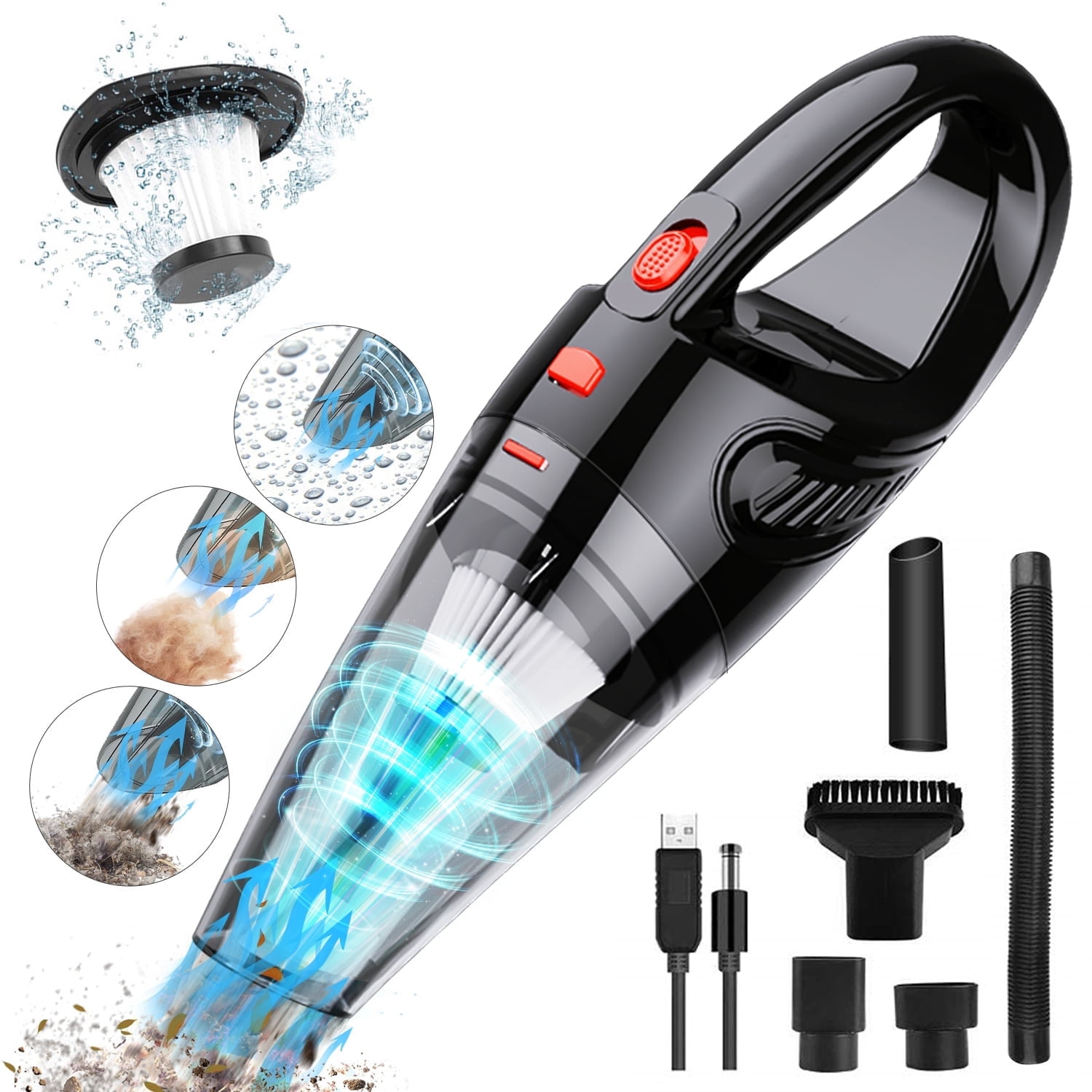
Effective filtration prevents fine particulate matter, pollen, and dust mites from escaping through the exhaust vent. Models equipped with a High-Efficiency Particulate Air (HEPA) filter capture 99.97% of particles down to 0.3 microns. Multi-stage cyclone filtration systems separate large debris from fine dust before it reaches the filter, preventing premature clogging and maintaining consistent suction throughout the cleaning cycle.
Essential Attachments and Their Practical Applications
The true value of a versatile handheld vacuum lies in its accessory lineup. Each attachment serves a distinct mechanical purpose, engineered to optimize airflow and physical leverage for specific cleaning scenarios.
| Attachment Type | Primary Use Case | Mechanism / Advantage |
|---|---|---|
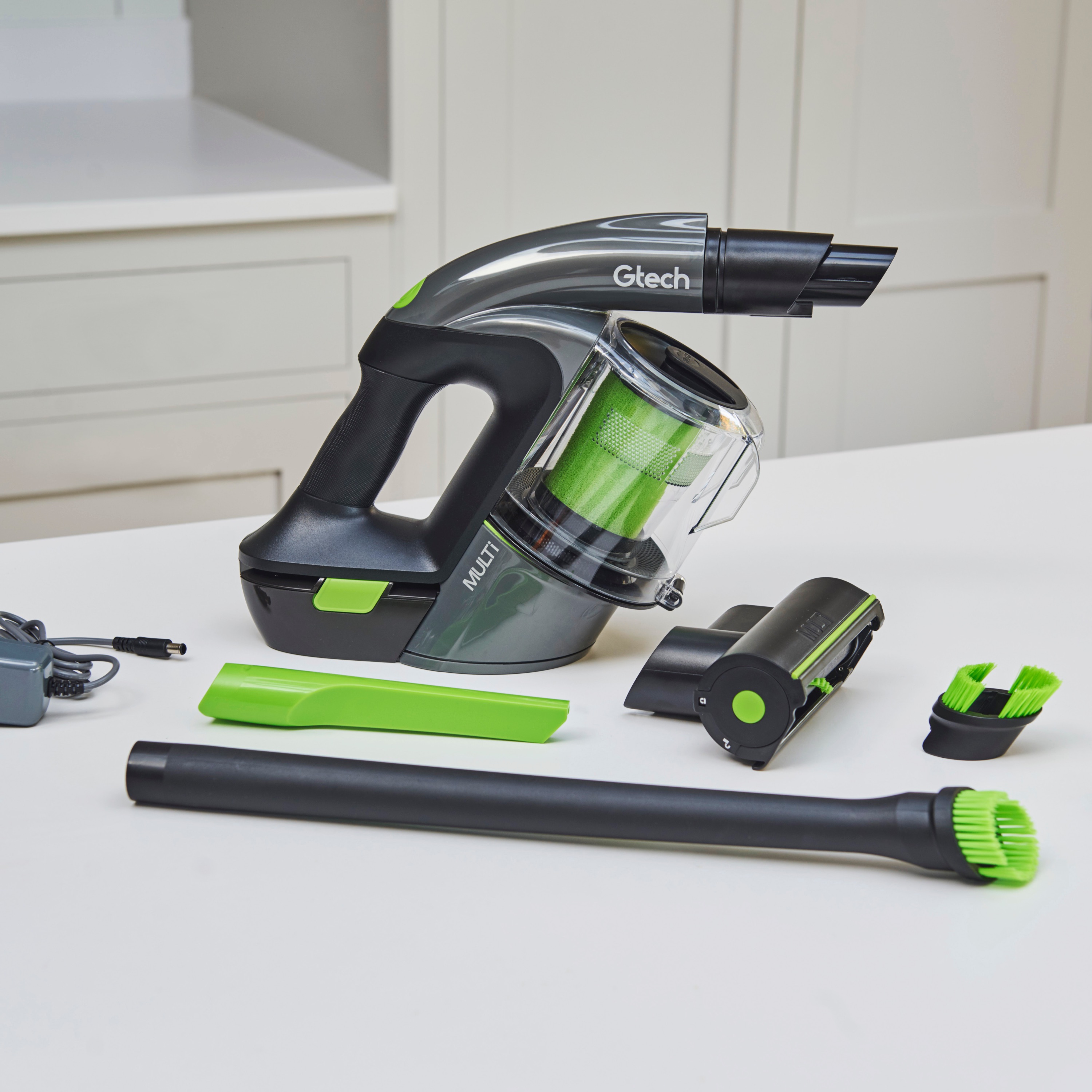
| Motorized Pet Tool | Upholstery, stairs, car seats | Features a rotating brush roll to physically agitate and lift embedded pet hair and deep-seated dirt. |
| Crevice Tool | Tight gaps, couch cushions, car vents | Concentrates airflow into a narrow aperture to pull debris out of deep, inaccessible spaces. |
| Dusting Brush | Air vents, keyboards, lampshades | Soft bristles dislodge light surface dust while protecting delicate finishes from scratching. |
| Flexible Extension Hose | Overhead areas, engine bays, tight car consoles | Provides physical reach and flexibility without requiring the user to maneuver the heavy motor body into tight spots. |
| Upholstery Wide Tool | Mattresses, large fabric surfaces | Broad intake nozzle covers more surface area quickly, designed for flat fabric applications. |
Motorized Mini-Brushes vs. Passive Brushes
Passive plastic nozzles rely entirely on the vacuum's airflow to pull hair and lint off surfaces. On dense fabrics like automotive carpeting or velvet upholstery, static friction often exceeds passive suction power. Motorized mini-brushes utilize a dedicated internal electric motor or an air-driven turbine to spin a brush bar at high speeds, slapping and lifting fibers to release trapped debris. For households with shedding pets, a motorized tool is a non-negotiable requirement.
Crevice Tools and Flexible Hoses
Standard crevice tools vary in length; longer variants reach deeper beneath car seat rails and refrigerator gaps. Some models feature a slide-over dusting brush, combining two tools into one. Flexible extension hoses, meanwhile, isolate the weight of the vacuum motor from the cleaning tip, allowing users to snake the nozzle into cramped automotive dashboards or elevated shelving units with ease.
Comparing Leading Handheld Vacuums with Attachments
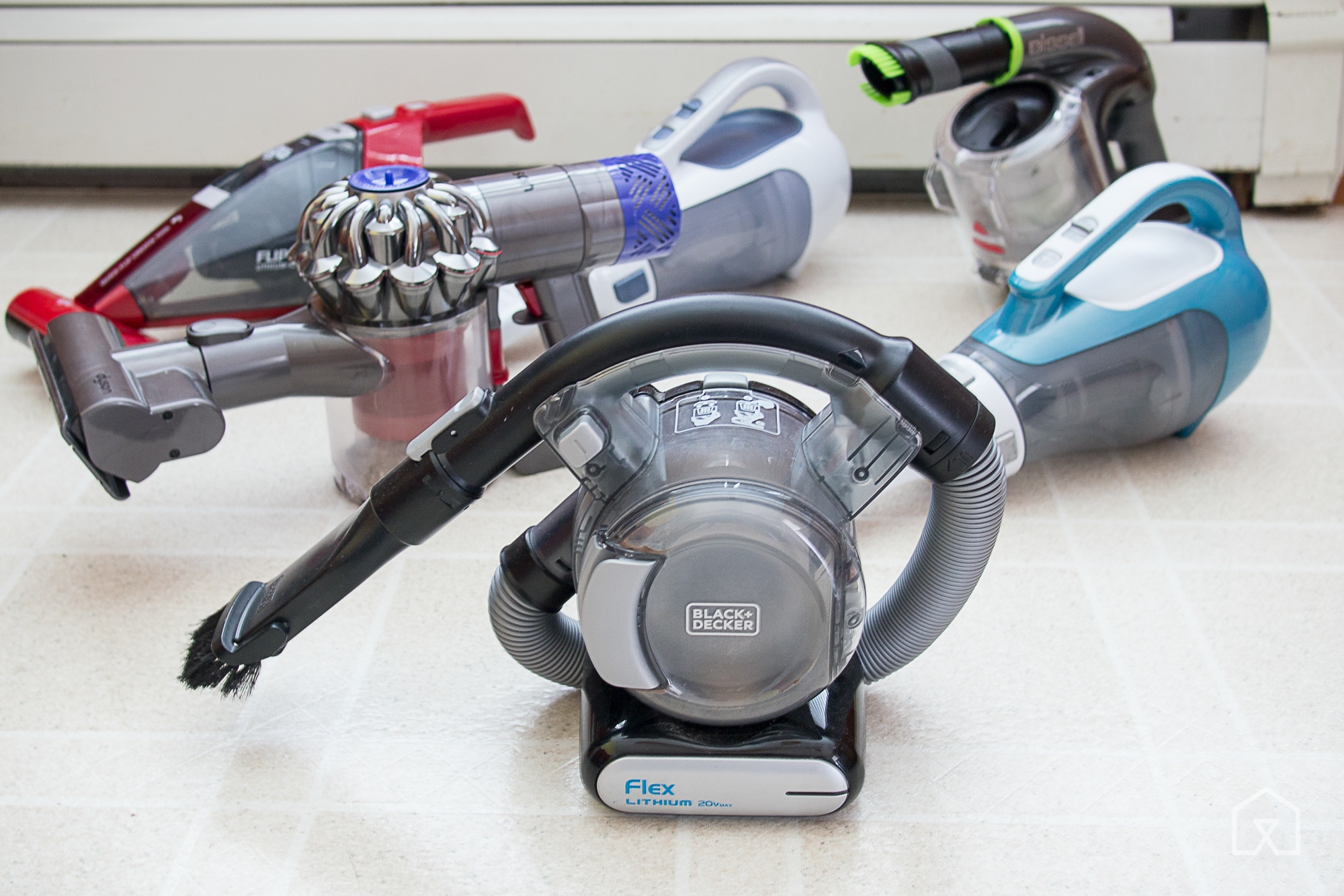
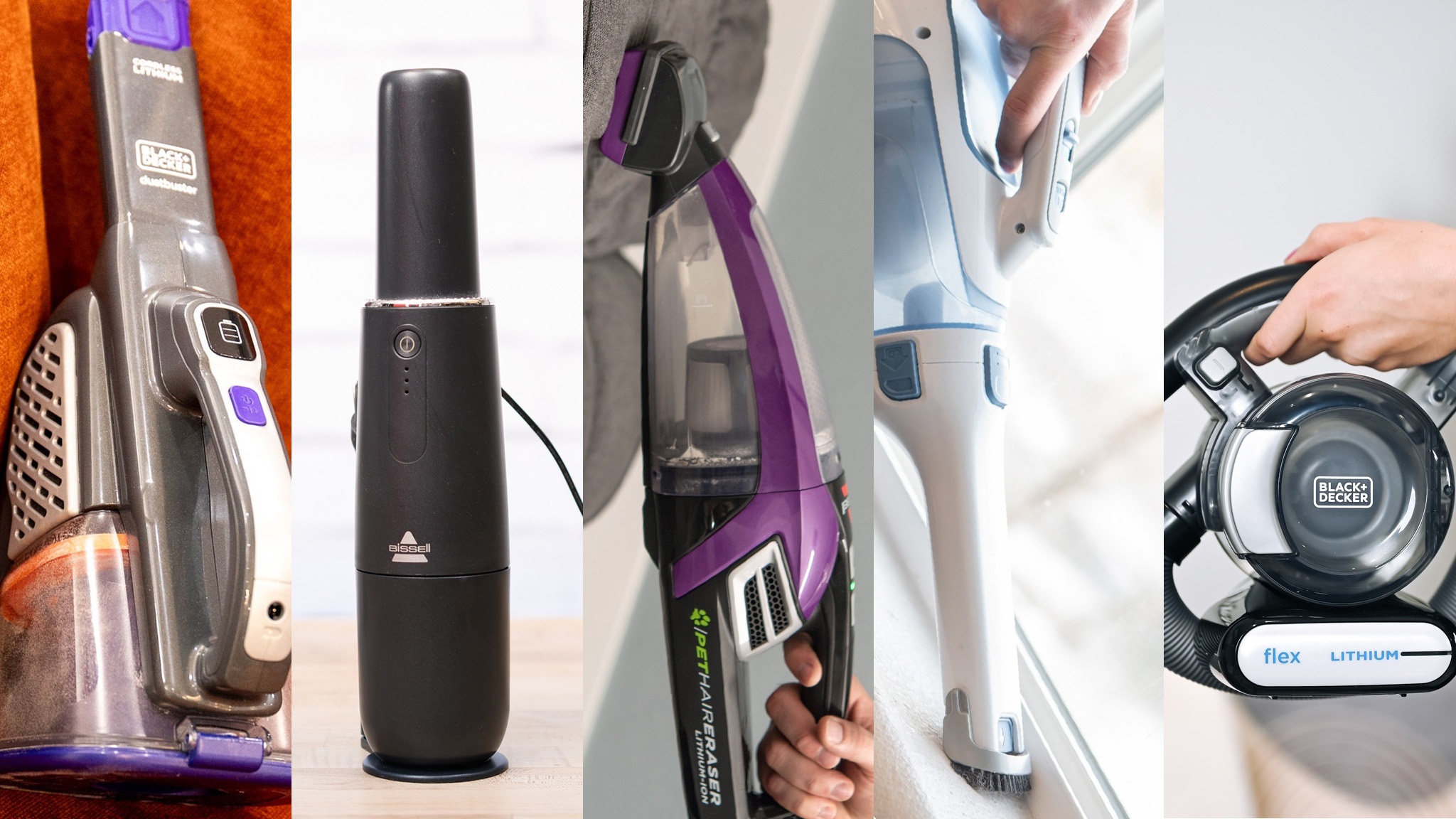
To assist in selecting the right device, the following comparison outlines prominent handheld vacuums equipped with robust attachment suites, focusing on their physical specifications and core strengths.
| Model | Weight | Notable Attachments Included | Primary Strength | Power / Runtime Trade-off |
|---|---|---|---|---|
| Dyson Gen5detect / Handheld Variants | ~3.5 lbs | Hair screw tool, combination tool, built-in crevice tool | Exceptional suction power and advanced particle detection. | High power significantly reduces runtime in boost mode (approx. 10 mins). |
| Shark WandVac System | ~1.4 lbs | Multi-surface pet tool, duster crevice tool | Ultra-lightweight design with a sleek charging dock. | Smaller dust cup capacity requires frequent emptying during large tasks. |
| Black+Decker Dustbuster AdvancedClean+ | ~3.4 lbs | Extendable crevice tool, flip-up brush, pet brush | High-capacity dust bowl and strong reach for everyday messes. | Bulkier frame makes overhead cleaning more fatiguing. |
| Anker Eufy HomeVac H30 | ~1.8 lbs | 2-in-1 crevice tool, motorized pet brush | Balanced weight-to-power ratio with fast USB-C charging. | Smaller debris bin; filter requires frequent washing to maintain airflow. |
Evaluating Build Quality, Ergonomics, and Maintenance
Beyond raw technical specifications, physical design choices dictate whether a vacuum remains a convenient tool or becomes an awkward chore to operate. Ergonomic balance is critical: a handheld vacuum with a rear-heavy motor can strain the wrist during extended cleaning sessions, while a front-heavy design alters the center of gravity and increases arm fatigue.
Dust Bin Capacity and Emptying Mechanisms
Handheld vacuums feature compact collection bins, typically ranging from 0.1 to 0.7 liters. Units with smaller bins demand frequent trips to the trash can, which can interrupt cleaning flow. Furthermore, look for hygienic one-touch emptying mechanisms that release the bottom flap directly into the bin without requiring the user to manually pull hair and debris out of the inner cyclone shroud.
Filter Maintenance and Washability
Bagless handheld vacuums rely heavily on washable foam and pleated filters. Over time, fine dust coats the filter pores, choking off airflow and causing the motor to run hotter and less efficiently. Buyers should inspect how easily the filter assembly can be removed, washed under tap water, and dried. Manufacturers typically recommend drying filters for 24 hours before reinstallation to prevent mold growth and motor damage.
Common Mistakes When Choosing and Using Handheld Vacuums
Navigating the market for portable cleaning devices involves avoiding several frequent pitfalls regarding expectations and upkeep.
- Prioritizing Runtime Over Suction for Heavy Tasks: Selecting a vacuum solely because it runs for 30 minutes on low power often leads to frustration when it fails to lift heavy pet hair or gravel from car mats. Match power output requirements to the intended mess.
- Neglecting Filter Upkeep: Operating a handheld vacuum with a clogged or damp filter drastically diminishes suction performance and can permanently burn out the electric motor.
- Ignoring Storage and Charging Integration: Units that lack a stable docking station or wall mount often end up tucked away in closets with dead batteries when an unexpected spill occurs. Choose a model with accessible, hassle-free charging storage.
- Expecting Upright Performance: Handheld vacuums with attachments excel at spot cleaning, stairs, vehicles, and upholstery, but they are not engineered to replace a full-sized upright or stick vacuum for deep-cleaning large wall-to-wall carpeted rooms.
Frequently Asked Questions
Can a handheld vacuum with attachments replace a full-size vacuum?
For homes with hard floors and minimal carpeting, a powerful handheld or convertible stick vacuum can handle routine maintenance. However, due to smaller dust cups, narrower cleaning paths, and shorter battery runtimes, they cannot match the deep-cleaning capacity and endurance of a corded upright vacuum across large living spaces.
How do I clean pet hair out of the vacuum's motorized brush roll?
Turn off and unplug the vacuum before maintenance. Many modern motorized pet tools feature a quick-release brush bar that can be pulled out. Use a pair of scissors to carefully slice along the designated groove where hair wraps around the roller, then pull the loosened strands free by hand.
Are lithium-ion batteries in handheld vacuums replaceable?
In most consumer handheld vacuums, the battery pack is integrated into the handle housing and is not designed for easy end-user replacement. Once the battery cell capacity degrades significantly after several years of charge cycles, the entire unit often requires replacement, making warranty terms and brand reliability critical considerations.
What is the difference between air watts and motor wattage?
Motor wattage measures the total electrical power consumed by the motor, whereas air watts measure the actual pneumatic suction efficiency—combining airflow speed and air volume pulled through the nozzle. Air watts provide a much more accurate reflection of real-world cleaning performance than motor wattage alone.
Final Recommendations for Buyers
When purchasing the best handheld vacuum with attachments, focus on your primary cleaning environment. If automotive detailing and upholstery care are your main priorities, prioritize models featuring a motorized mini-brush and a flexible hose. For quick kitchen cleanups, prioritize lightweight maneuverability, a large debris capacity, and an accessible charging dock that keeps the device ready for daily use. Verify filter washability and check warranty coverage to ensure long-term reliability for your investment.
Image Gallery