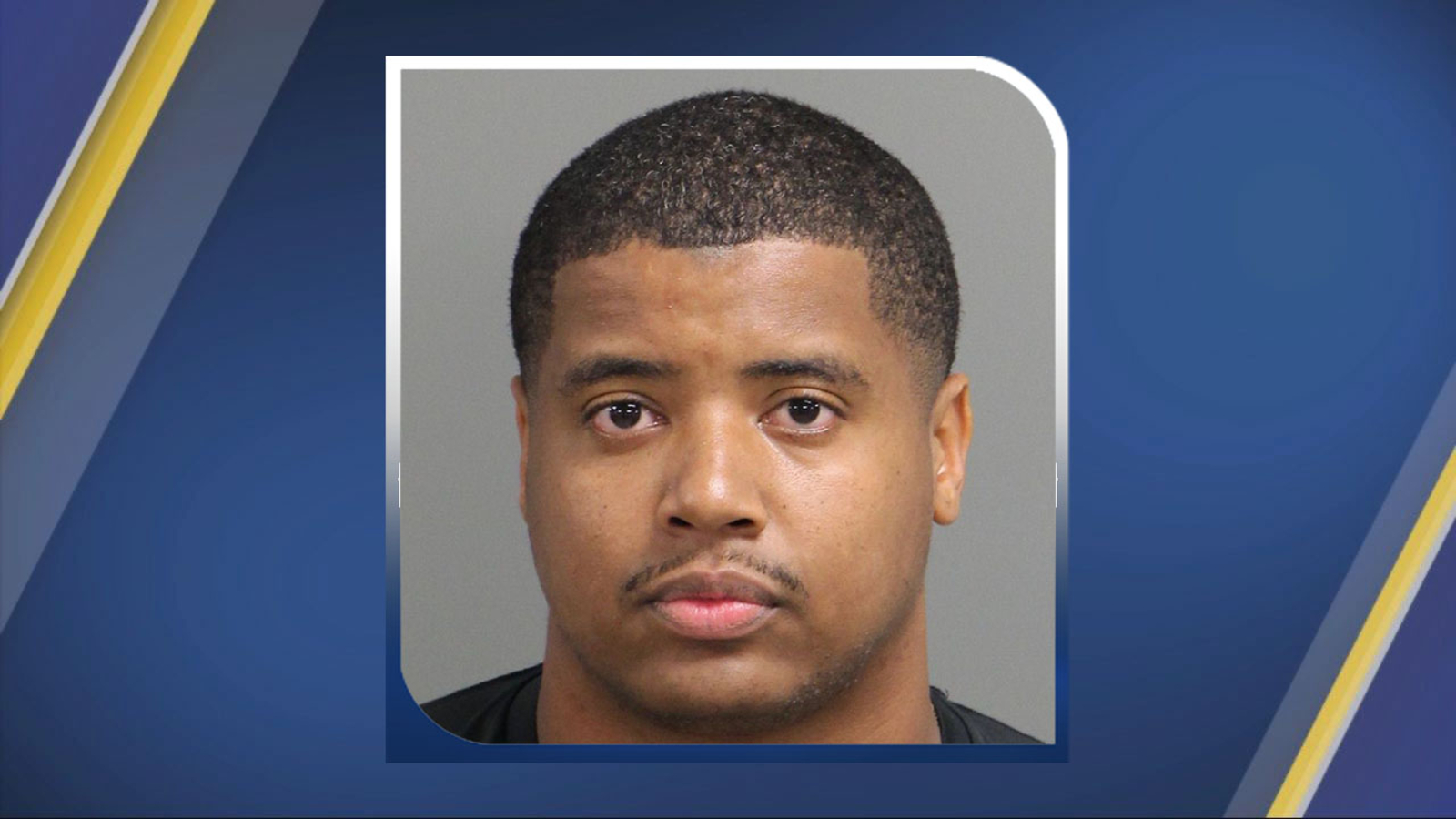
Wake County Mugshots 2026: Official Arrest Records and Inmate Search Guide
Navigating the criminal justice and public records system in North Carolina requires understanding state disclosure statutes, county agency jurisdictions, and digital tracking portals. Individuals seeking information regarding recent a...
Navigating the criminal justice and public records system in North Carolina requires understanding state disclosure statutes, county agency jurisdictions, and digital tracking portals. Individuals seeking information regarding recent arrests, bookings, and photographic records within Wake County must navigate specific databases maintained by local law enforcement and state judicial divisions.
Contents
Public access to arrest registries serves statutory transparency functions under North Carolina law, while specific administrative checks prevent the exploitation of public criminal history data. The operational procedures, digital repositories, statutory guardrails, and legitimate methodologies governing Wake County mugshots and arrest records reflect updated compliance standards established across local judicial divisions.
Navigating Wake County Public Records: The 2026 Statutory Framework
Arrest bookings and custodial processing in Wake County operate under statutory mandates established by the North Carolina General Assembly. Record classification, public access thresholds, and digital retention limits are controlled by state statutes to balance administrative transparency with statutory privacy safeguards.
North Carolina Public Records Law and Photographic Custodial Data
Under North Carolina General Statutes (NCGS) § 132-1.4, records of criminal investigations and records of criminal intelligence information are generally exempt from general public disclosure. However, NCGS § 132-1.4(c) explicitly clarifies that arrest information—including the arrested party's name, age, address, charges, date and time of arrest, arresting agency, and booking details—constitutes public record.
Booking photographs (commonly designated as mugshots) captured during the custodial intake process are managed under administrative public record standards. While detention facilities generate these photographs to establish physical identity, confirm biometric integrity, and catalog inmate intake, their public dissemination is strictly governed.
The North Carolina General Assembly enacted NCGS § 14-401.24 to eradicate predatory publishing schemes. This statute expressly prohibits any individual, commercial operator, or publishing firm from demanding or accepting pecuniary compensation or any other consideration to remove, alter, or conceal a booking photograph from a website or publication. Commercial web crawlers that scrape arrest photographs and solicit removal fees face statutory civil liability, civil penalties, and potential criminal penalties under North Carolina law.
Wake County Detention and Processing Infrastructure
Wake County processes all individuals arrested by the Wake County Sheriff's Office (WCSO), the Raleigh Police Department, the Cary Police Department, campus police units, and local municipal law enforcement agencies through centralized facilities:
- Wake County Detention Center (Main Facility): Located at 3301 Hammond Road, Raleigh, NC 27603. This facility handles the vast majority of primary custodial intakes, processing, magistrate hearings, initial appearances, and secure housing.
- Wake County Public Safety Center: Located at 330 S. Salisbury Street, Raleigh, NC 27601. Primarily utilized for judicial transport, central processing overflow, and magistrate administration adjacent to the downtown courthouses.
- Wake County Justice Center: Located at 300 S. Salisbury Street, Raleigh, NC 27601. Hosts the Clerk of Superior Court, district and superior courtrooms, and public-access record terminals for active case records.
How to Search Wake County Arrest Records and Booking Photos
Locating real-time booking information requires direct interface with official county repositories rather than secondary commercial aggregators, which frequently contain obsolete or unverified information.
Step 1: The Wake County Sheriff's Office Inmate Search Portal
The primary official platform for locating recent bookings in Wake County is the Wake County Sheriff's Office Inmate Search Portal. This database updates on a periodic administrative cycle directly from the facility's Jail Management System (JMS).
- Navigate to the official Wake County Sheriff's Office portal.
- Select the Inmate Search / Arrest Inquiry interface.
- Enter the subject's legal identifying criteria: Full Legal Last Name, Legal First Name, or Booking/Inmate Reference Number.
- Filter the search query by booking date ranges to isolate individuals detained within a specific 24-to-72-hour window.
- Access the individual profile to review custodial status, current housing assignment, primary and secondary criminal charges, secured or unsecured bond amounts, and scheduled initial court appearance dates.
Step 2: The North Carolina eCourts Judicial Portal
For formal charging instruments, citations, indictments, and pending criminal court calendars, researchers must access the statewide eCourts system managed by the North Carolina Administrative Office of the Courts (NCAOC). Wake County operates comprehensively on this platform.
- Access the official NC eCourts Portal (Odyssey Public Access).
- Select Smart Search to query statewide and county-specific court records.
- Designate the judicial venue filter specifically to Wake County - District Court or Wake County - Superior Court.
- Input the defendant’s legal name or specific Case File Number (e.g., 26CR or 26CRS series).
- Review the public summary to track active warrants, dismissed charges, grand jury true bills, post-conviction orders, and next scheduled appearance dates before a presiding judge.
Step 3: Direct On-Site Inquiries at the Wake County Clerk of Court
When an arrest has occurred within minutes and digital portals exhibit system caching delays, public records can be verified in person at the Wake County Justice Center:
Wake County Clerk of Superior Court - Criminal Division
Physical Address: 300 S. Salisbury Street, 1st Floor, Raleigh, NC 27601
Operating Schedule: Monday through Friday, 8:30 AM to 5:00 PM EST
Operational Function: Provides access to public index terminals containing unredacted criminal warrants, initial magistrate orders, conditions of pretrial release, and certified docket transcripts.
Repository Comparison: Official County Databases vs. Third-Party Portals
Navigating arrest data requires identifying which platform maintains official legal validity. The comparison below details the operational, legal, and functional differences across primary sources.
| Data Source | Managing Authority | Real-Time Accuracy | Photographic Records Included | Commercial Fee Requirement | Legal Evidentiary Value |
|---|---|---|---|---|---|
| Wake County Sheriff JMS Portal | Wake County Sheriff's Office | High (Refreshes automatically based on custody status) | Yes (Current custodial bookings only) | Free / No Charge | Official administrative custody record |
| NC eCourts Portal (Odyssey) | NC Administrative Office of the Courts | High (Certified court management record) | No (Focuses strictly on judicial filings and charging instruments) | Free / Public Access | Certified public court record |
| NCDAC Offender Public Information | NC Dept. of Adult Correction | High (Restricted to post-conviction state prison inmates) | Yes (State-retained historical photos) | Free / No Charge | Official state correctional record |
| Wake County Clerk Terminals | Clerk of Superior Court | Absolute (Real-time docket updates) | No (Textual filings and paper arrest jackets only) | Free (Statutory copy fees apply for printouts) | Certified court certified transcript |
| Third-Party Data Scrapers | Private Commercial Entities | Low to Moderate (Prone to outdated and non-expunged data) | Frequently (Scraped without real-time synchronization) | Often predatory (Regulated by NCGS § 14-401.24) | Zero evidentiary standing |
Legal Rights Regarding Record Expunction and Mugshot Removal
An arrest does not equal a criminal conviction. Individuals whose cases result in dismissals, findings of "not guilty," or no-bills by a grand jury maintain statutory rights to restore their public record profiles under North Carolina law.
Criminal Record Expunction Under North Carolina Law
The North Carolina General Statutes provide robust procedures for expunging arrest records and related booking data:
- NCGS § 15A-146 (Dismissals and Acquittals): If an arrest within Wake County culminates in a voluntary dismissal by the District Attorney, a dismissal pursuant to deferred prosecution, or an outright acquittal at trial, the defendant is eligible to petition for an expunction of the arrest record, charging instrument, and custodial fingerprints and photographs.
- NCGS § 15A-145 (First-Time Nonviolent Offenses): Provides structured pathways for expunging certain nonviolent misdemeanor or felony convictions after statutory waiting periods and verified demonstration of community rehabilitation.
- Inter-Agency Notification Mandate: Once an Expunction Order is signed by a Wake County District or Superior Court Judge and processed by the North Carolina State Bureau of Investigation (NCSBI), a formal administrative directive is issued to all relevant agencies—including the Wake County Sheriff's Office and the North Carolina Department of Adult Correction—mandating the permanent deletion of physical and digital arrest files, indexing entries, and booking photographs from all state-controlled public interfaces.
Enforcing Takedowns Against Commercial Mugshot Portals
Commercial mugshot aggregators utilize automated bots to ingest booking rosters from public systems. When an individual obtains an expungement or when records contain errors, commercial websites often fail to update their private databases automatically.
Under NCGS § 14-401.24, publishing companies that condition the removal of booking photographs upon payment commit a Class 1 misdemeanor and expose their businesses to private civil litigation under North Carolina's Unfair and Deceptive Trade Practices Act (NCGS § 75-1.1). Affected individuals possess the legal right to submit formal, written takedown demands citing certified dismissal orders or expunction judgments without paying any administrative, editorial, or processing fees.
Frequently Asked Questions
Where can I view recent Wake County arrest mugshots online for free?
You can search recent arrest data at no cost directly through the Wake County Sheriff's Office Inmate Search portal. This official directory provides verified custody records, processing timestamps, formal charges, and intake photographs for individuals currently housed within the Wake County Detention Center.
The WCSO online portal is the primary resource for active inmate rosters. Once an individual is released on bond, placed under pretrial supervision, or transferred to another jurisdiction, their active custody profile may be archived or removed from the primary public roster based on county administrative retention protocols.
How quickly does an arrest show up on the Wake County inmate database?
Arrest and booking data typically appear within two to four hours following initial intake at the Wake County Detention Center on Hammond Road.
Delays may occur if an individual requires emergency medical evaluation prior to intake, if identification cannot be immediately verified via fingerprint biometrics, or during periods of elevated intake volume following law enforcement field operations across Raleigh and surrounding municipalities.
Is it legal for private websites to charge money to remove a Wake County mugshot?
No, it is strictly illegal under North Carolina General Statutes § 14-401.24 for any commercial website or individual to demand or accept payment to take down, remove, or hide a booking photograph.
Violations of this statute constitute a criminal offense and provide grounds for statutory civil actions under North Carolina consumer protection laws. Legitimate takedowns must be processed upon receipt of formal verification of case dismissal, acquittal, or court-ordered expunction without financial conditions.
What is the difference between records at the Wake County Detention Center and the Wake County Justice Center?
The Wake County Detention Center maintains operational custody records, current inmate rosters, and booking photographs, whereas the Wake County Justice Center manages the permanent judicial records of criminal proceedings.
While the detention center tracks who is physically incarcerated and their immediate bond conditions, the Clerk of Superior Court at the Justice Center maintains the formal charging instruments, judge-issued warrants, evidentiary motions, trial calendars, and official case dispositions.
Can an employer view my Wake County arrest record if the charges were dismissed?
If a criminal case was officially dismissed but has not yet been formally expunged by judicial order under NCGS § 15A-146, the arrest and subsequent dismissal remain visible on public court registries and commercial background checks.
To ensure an arrest record, associated magistrate filings, and intake identifiers are permanently removed from public background databases, an individual must obtain a court-approved expunction order, which is subsequently transmitted to the State Bureau of Investigation and county arresting agencies.
Verifying Public Records and Accessing Official Case Management
Accurate verification of criminal records requires consulting official county resources to prevent misinformation, extortionate web practices, and obsolete public listings. For authenticated case filings, certified dispositions, and formal calendar assignments, access the official North Carolina eCourts portal or visit the Wake County Justice Center directly. Individuals seeking the removal of outdated or unverified records following an acquittal, dismissal, or resolution should consult a licensed North Carolina attorney to petition for a formal, court-ordered expunction under the North Carolina General Statutes.
Image Gallery