Why Basic Foundation Repair Insurance Matters: Protecting Your Home’s Structural Integrity
Foundation repair insurance is vital because standard homeowners policies typically exclude damage caused by soil settlement, expansion, or hydrostatic pressure. In 2026, as shifting climate patterns accelerate soil instability, having...
Foundation repair insurance is vital because standard homeowners policies typically exclude damage caused by soil settlement, expansion, or hydrostatic pressure. In 2026, as shifting climate patterns accelerate soil instability, having specific structural endorsements prevents catastrophic out-of-pocket expenses, ensures the home remains insurable, and protects the property's long-term market value against high-cost structural failures.
Contents
The Structural Reality of Residential Foundations
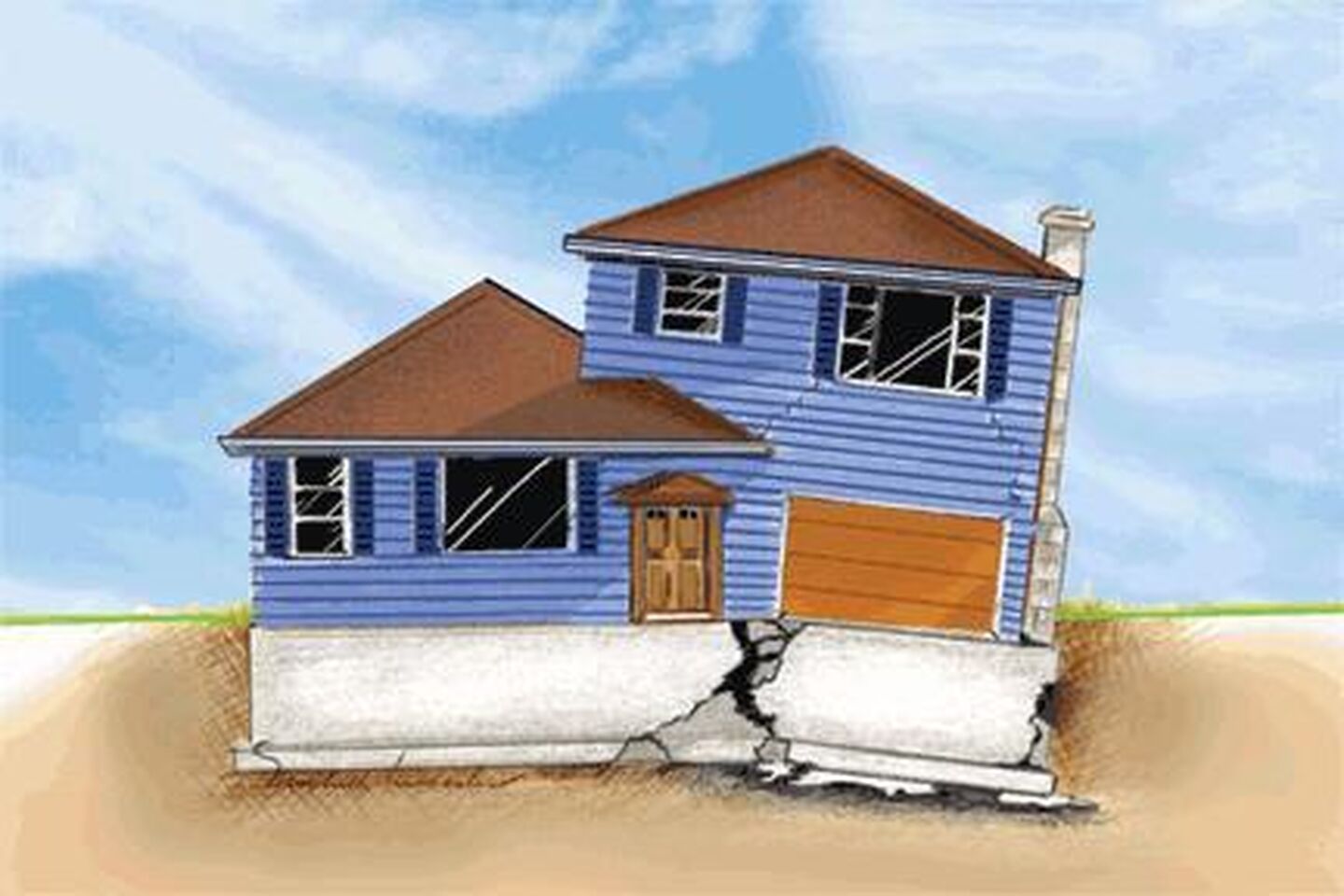
The foundation is the most critical component of any building, serving as the interface between the structure and the earth. It distributes the weight of the entire house, ensuring that the walls remain plumb and the floors stay level. However, because it is buried or in direct contact with the ground, it is subject to constant environmental stressors that are often invisible to the naked eye until significant damage has already occurred.
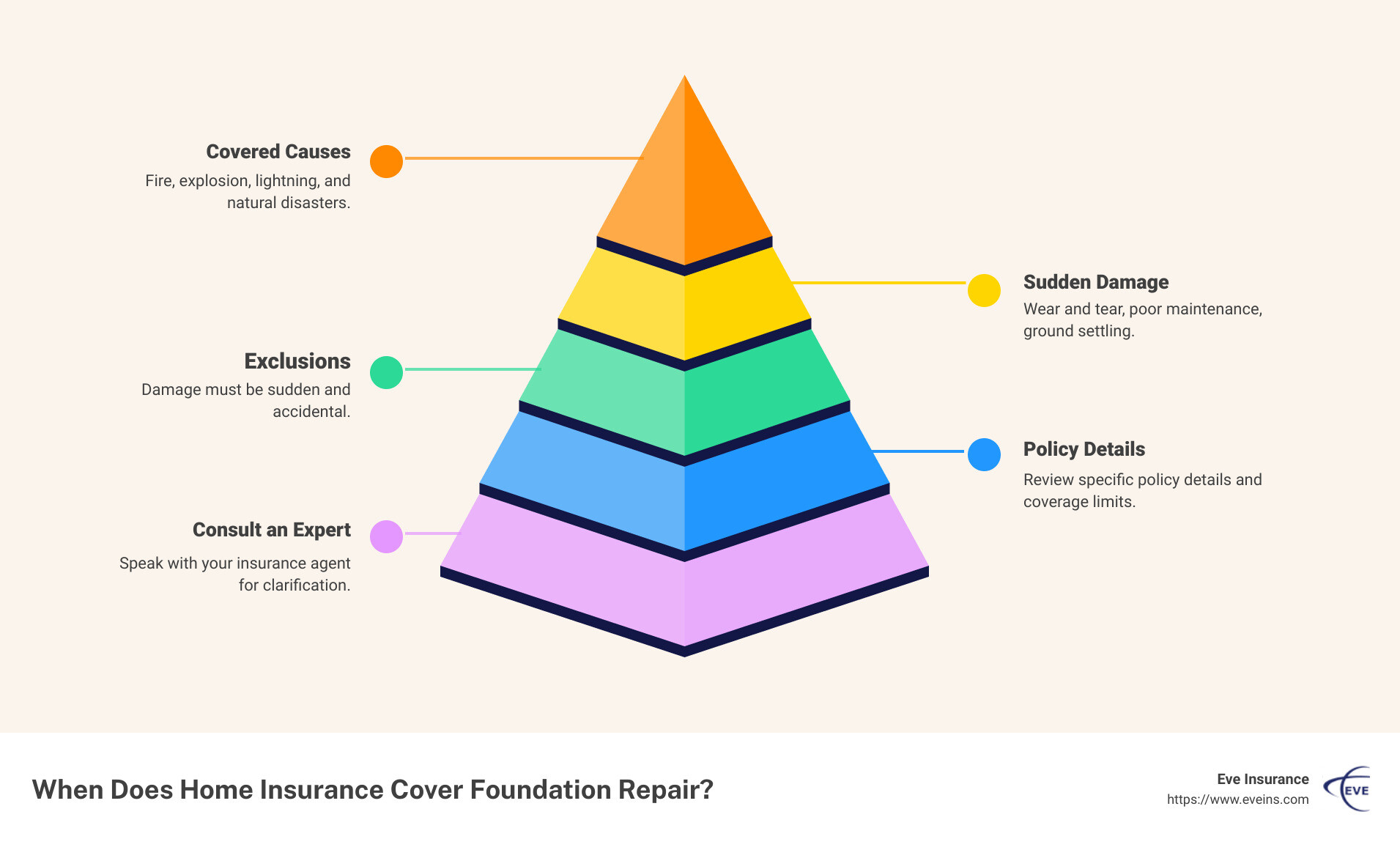
In 2026, many homeowners are discovering that the "all-risk" terminology in their standard HO-3 policies is somewhat of a misnomer regarding the ground beneath their feet. Standard policies are designed to cover "sudden and accidental" perils—think fire, lightning, or falling objects. They are not designed to cover the slow, methodical movement of the earth or the gradual deterioration of concrete and steel. This gap in coverage is precisely why specialized foundation repair insurance, often found as a supplemental rider or endorsement, has become a cornerstone of modern risk management for property owners.
Understanding the "Why" behind this insurance starts with acknowledging that a home is a dynamic structure. It breathes, shifts, and reacts to its environment. Without a financial safety net specifically tailored to the unique risks of the foundation, a homeowner is essentially self-insuring against one of the most expensive repairs a residential property can ever require.
Common Causes of Foundation Failure in 2026
To appreciate why basic foundation insurance matters, one must understand the primary drivers of structural damage. By 2026, we have seen a marked increase in foundation-related claims due to extreme weather cycles that alternate between prolonged droughts and intense precipitation.
Soil Expansion and Contraction
Many regions are built on "expansive clay" soils. These soils act like a sponge; they swell when they absorb water and shrink when they dry out. This constant cycle of swelling and shrinking exerts immense pressure on concrete slabs and pier-and-beam foundations. Over several seasons, this movement can cause the foundation to crack or "heave." Insurance that covers these specific soil transitions is rare in basic policies but is the primary reason why specialized endorsements are sought after.
Hydrostatic Pressure
When the ground around a foundation becomes saturated with water, it creates hydrostatic pressure. This pressure pushes against the foundation walls, leading to bowing, inward tilting, or horizontal cracking. In 2026, localized flooding events have made hydrostatic pressure a leading cause of basement wall failure. Standard flood insurance covers some of this, but it rarely covers the structural repair of the foundation itself unless the damage is a direct result of a federally declared flood event.
Plumbing Leaks (Slab Leaks)
A frequent but often overlooked cause of foundation damage is the failure of plumbing lines running beneath the concrete slab. If a freshwater pipe or a sewer line leaks, it can wash away the supporting soil (causing a void) or cause the soil to expand unevenly. Basic foundation repair insurance often includes or links to "Slab Leak" coverage, which pays for the costly process of tearing out and replacing the concrete to access the pipes.
The Gap: Why Your Standard Policy Likely Falls Short
Most homeowners assume that if their house starts cracking, their insurance will fix it. This is a dangerous assumption. According to the National Association of Insurance Commissioners (NAIC), standard homeowners policies specifically exclude "earth movement," which includes settling, cracking, shrinking, bulging, or expanding of the foundation.
The reason for this exclusion is the "maintenance" clause. Insurance companies view foundation settling as a foreseeable result of natural processes or poor maintenance rather than an accidental event. If you live in an area prone to sinkholes or earthquakes, you are likely aware of the need for separate policies. However, the "middle ground" damage—damage caused by a leaking pipe under the house or a neighbor's poorly directed drainage—often falls into a gray area where the homeowner is left unprotected without a foundation-specific endorsement.
By 2026, the cost of labor and materials for structural stabilization (such as hydraulic piering or high-pressure poly-leveling) has risen significantly. A basic foundation repair job that might have cost $8,000 five years ago can easily exceed $15,000 today. Without insurance, these costs can lead to financial ruin or the inability to sell the property.
Comparing Coverage Options for Foundation Protection
When seeking foundation protection, it is important to distinguish between different types of financial products. Not all "foundation insurance" is the same. The following table highlights the differences between standard coverage and the specialized options available in 2026.
| Coverage Type | Primary Focus | Foundation Coverage Scope | Best For |
|---|---|---|---|
| Standard HO-3 Policy | Fire, Theft, Wind | Generally zero, unless a covered peril (like fire) causes the collapse. | Basic protection only. |
| Foundation/Water Endorsement | Water backup and slab leaks | Covers access to plumbing and structural damage caused by specific leaks. | Most homeowners in urban areas. |
| Earth Movement Rider | Natural soil shifts | Covers settling, sinking, and upheaval due to non-seismic earth movement. | Homes built on expansive clay. |
| Home Warranty (Structural) | Workmanship and materials | Covers defects in the original construction of the foundation. | New construction or recently renovated homes. |
| Flood Insurance (NFIP) | Rising surface water | Covers structural damage directly resulting from an external flood event. | Properties in designated flood zones. |
The Financial Impact of Foundation Failure
The financial argument for basic foundation repair insurance is rooted in the "Severity vs. Frequency" model. While foundation failures may not happen as frequently as a broken window or a minor roof leak, the severity of a failure is almost always high.
In 2026, the appraisal of a home is heavily tied to its structural integrity report. If a foundation issue is discovered during a home inspection, the value of the home can drop by 10% to 20% immediately, even if the repair cost is lower. This is because buyers fear "latent defects"—unseen problems that might arise later. Having an insurance policy that covers repairs ensures that the work is done by licensed professionals and often comes with a transferable warranty, which preserves the home's resale value.
Furthermore, lenders are increasingly scrutinized regarding the collateral for their loans. If a foundation issue is severe enough to threaten the stability of the home, a lender may require immediate repairs to maintain the mortgage agreement. Insurance provides the liquidity needed to address these requirements without depleting the homeowner's retirement or emergency savings.
Key Requirements for Securing Foundation Coverage
Securing this type of insurance in 2026 is not as simple as checking a box. Insurers have become more sophisticated in their underwriting processes, often utilizing satellite imagery and historical soil data to determine risk levels. To qualify for basic foundation repair insurance, homeowners must typically meet several prerequisites:
- Professional Inspection: Many insurers require a baseline structural engineering report or a certified foundation inspection before they will attach a rider to a policy. This ensures the home doesn't have pre-existing damage.
- Proper Drainage Maintenance: Policyholders are often required to maintain "positive drainage," meaning the ground must slope away from the foundation at a specific grade (usually 6 inches of drop over the first 10 feet).
- Gutter Systems: Functioning gutters and downspouts that direct water at least 5 to 10 feet away from the base of the house are frequently a condition of coverage.
- Tree Management: In 2026, underwriters are looking closely at the proximity of large trees to the foundation. Root systems can suck moisture out of the soil, causing localized shrinkage and settling.
Failure to meet these maintenance standards can lead to a "denial of claim" based on negligence, even if you have the proper insurance rider. Therefore, the insurance serves as a partner to active home maintenance, not a replacement for it.
Regional Variations and Why Location Matters
The importance of foundation insurance varies significantly by geography. In 2026, certain "hot zones" for foundation issues have emerged due to changing environmental conditions.
- The Sun Belt (Texas, Oklahoma, Arizona): These areas often deal with highly expansive clay. Here, "foundation watering" (using soaker hoses to keep soil moisture consistent) is a common practice, and insurance riders for earth movement are considered essential rather than optional.
- The Coastal Plains (Florida, Carolinas): The primary concern here is sandy soil erosion and sinkhole activity. Basic foundation insurance in these regions often needs to be paired with specific sinkhole catastrophic collapse coverage.
- The Rust Belt (Ohio, Pennsylvania): Older homes with stone or brick-and-mortar foundations are susceptible to freeze-thaw cycles. Here, insurance matters most for hydrostatic pressure and basement wall stabilization.
Understanding your local geology is the first step in determining which specific foundation endorsement is necessary for your property.
Frequently Asked Questions
Does standard homeowners insurance cover foundation cracks?
Generally, no. Standard policies treat cracks as a result of "wear and tear" or "settling," both of which are excluded. Coverage only applies if the crack was caused by a covered peril, such as a gas explosion or a vehicle crashing into the home. For coverage against natural settling, you need a specific earth movement or structural endorsement.
How much does it cost to add foundation insurance in 2026?
The cost varies based on the home's value and location, but a typical endorsement for water backup, slab leak access, and limited foundation repair usually ranges from $150 to $500 per year. Compared to the $20,000+ cost of a major foundation piering job, this is considered a high-value investment.
Can I get insurance if my foundation is already damaged?
It is very difficult to get coverage for a pre-existing condition. Most insurers will require the damage to be repaired and certified by a structural engineer before they will offer a policy. Some specialty insurers may offer coverage, but the premiums will be significantly higher, and the existing damage will be excluded from future claims.
What is the difference between a foundation warranty and foundation insurance?
A foundation warranty is typically issued by a repair company or a builder and covers defects in their work or materials. Foundation insurance (or a policy rider) is much broader, covering damage caused by external factors like plumbing leaks or specific types of soil movement, regardless of who built the foundation.
Is foundation damage covered by flood insurance?
Only if the damage is a direct result of the floodwaters. For example, if a flood washes away the soil under your home (scouring), the National Flood Insurance Program (NFIP) may cover the structural repair. However, it will not cover damage from "seepage" or moisture that enters the foundation over time.
Practical Recommendation: Next Steps for Homeowners
If you are concerned about your home's structural health in 2026, your first step should be to review your current Declarations Page of your insurance policy. Look specifically for "Exclusions" related to earth movement and water.
Next, contact your agent to ask about a Foundation and Water Backup Endorsement. Even if it doesn't cover every type of soil shift, these riders often cover the most common "trigger" events, such as slab leaks and hydrostatic pressure from sewer backups. Finally, invest in a professional foundation inspection every three to five years. By identifying small cracks early and having the right insurance in place, you can prevent a minor maintenance issue from becoming a permanent financial burden.
Image Gallery