Nicola Coughlan’s Penelope Featherington: Analyzing the Character Arc and Global Impact in Bridgerton
Nicola Coughlan’s portrayal of Penelope Featherington is the narrative and emotional anchor of Netflix’s Bridgerton. Initially introduced as a peripheral "wallflower," Penelope’s dual identity as the scandalous columnist Lady Whistledo...
Nicola Coughlan’s portrayal of Penelope Featherington is the narrative and emotional anchor of Netflix’s Bridgerton. Initially introduced as a peripheral "wallflower," Penelope’s dual identity as the scandalous columnist Lady Whistledown transforms her into the show’s most complex protagonist. Her evolution from a marginalized observer to a powerful public voice and romantic lead has significantly redefined modern period dramas and expanded the dialogue around body positivity and female agency in the entertainment industry.
Contents
The Duality of Penelope Featherington: Wallflower and Power Broker
At the heart of Penelope Featherington’s role is a profound duality that drives the primary conflict of the series. For much of the first two seasons, Penelope exists on the fringes of the "ton," often ignored by her peers and stifled by her overbearing mother, Portia Featherington. However, this invisibility serves as her greatest tactical advantage. By being overlooked, Penelope is granted unfettered access to the secrets, scandals, and vulnerabilities of London’s elite.
As Lady Whistledown, Penelope exercises a level of social and economic power that was virtually unattainable for women in the Regency era. She is not merely a gossip; she is a self-made entrepreneur who manages a complex printing and distribution network. This role allows her to manipulate the social market, influencing the "marriage mart" and holding the powerful Bridgerton family accountable. Nicola Coughlan balances this duality by portraying Penelope with a mix of timid vulnerability and sharp, calculated intelligence. The tension between her public persona—often dressed in the "citrus" yellows her mother demands—and her private authority as a writer provides the series with its most compelling long-term narrative arc.
Season 3: The Transition from Observer to Protagonist
By 2026, the cultural footprint of Bridgerton Season 3 remains a landmark moment for the franchise. This season marked Penelope’s transition from a supporting character to the primary romantic lead alongside Colin Bridgerton (Luke Newton). This shift was not just a romantic milestone but a thematic "glow-up" that focused on internal validation rather than just external transformation.
In Season 3, Penelope decides to take agency over her life, seeking a husband to escape her mother’s household while simultaneously attempting to reconcile her secret identity. The "Polin" (Penelope and Colin) story arc challenged traditional romance tropes by exploring the "friends-to-lovers" dynamic through the lens of mutual intellectual respect. Coughlan’s performance during this transition was lauded for its nuance, as she navigated the heartbreak of her fractured friendship with Eloise Bridgerton while finding the courage to step into the spotlight. This season solidified Penelope as the "main character" of the entire Bridgerton universe, proving that the quietest person in the room is often the most significant.
The "Nicola Coughlan Effect" and Industry Impact
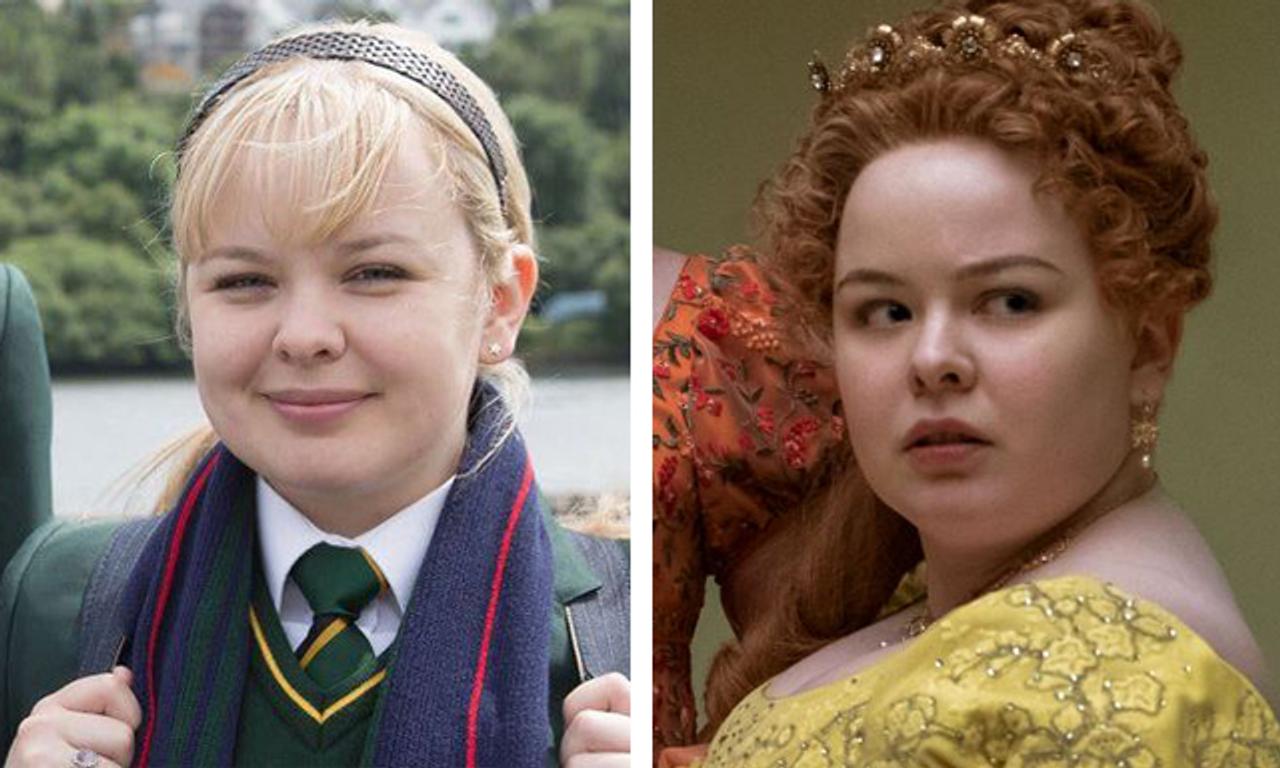
Nicola Coughlan’s impact extends far beyond the scripts of Shonda Rhimes’ production. Her casting and subsequent success have triggered what many industry analysts call the "Nicola Coughlan Effect." Before Bridgerton, the "leading lady" in period romances was almost exclusively cast within a very narrow range of body types and aesthetic standards. Coughlan, an Irish actress who gained fame in the sitcom Derry Girls, broke these barriers by proving that a plus-size actress could lead a global #1 romantic series without her weight being the central plot point.
Her impact is visible in several key areas:
- Body Positivity and Representation: Coughlan has been a vocal advocate for body neutrality, insisting that Penelope’s story be about her wit, her heart, and her mistakes, rather than her dress size. This has resonated deeply with a global audience, making Penelope one of the most relatable characters in modern television.
- The Rise of Irish Talent: Coughlan is part of a wave of Irish actors—alongside the likes of Paul Mescal and Barry Keoghan—who have dominated Hollywood in the mid-2020s. Her success has brought increased attention to the talent coming out of the Irish theatre and television scene.
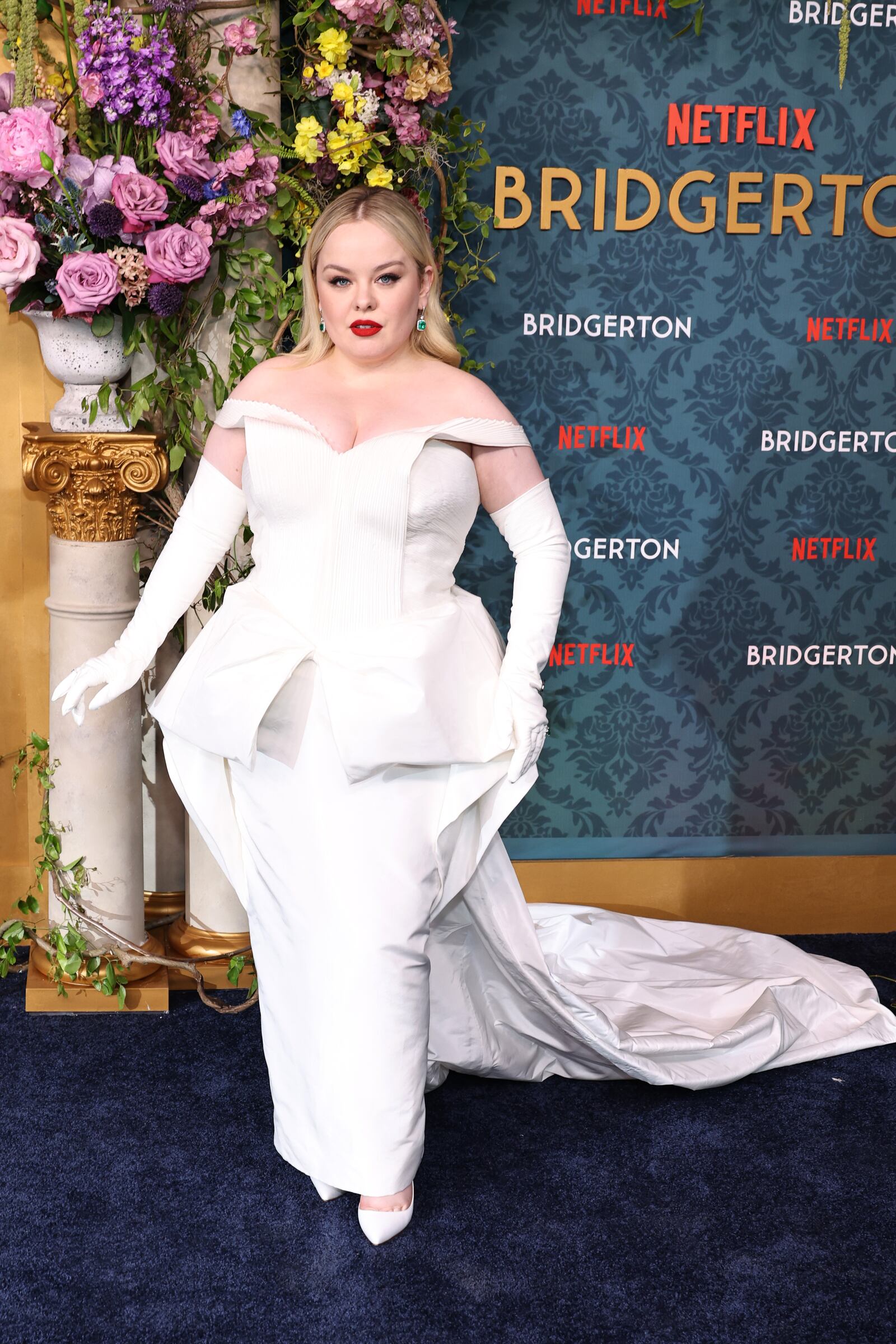
- Fashion and "Regencycore": As Penelope’s wardrobe evolved from garish yellows to the sophisticated "Bridgerton Blue" and emerald greens, Coughlan became a high-fashion icon. Her appearances at the Met Gala and in global fashion campaigns (such as Skims) have bridged the gap between historical characterization and modern editorial influence.
Narrative Significance of Lady Whistledown’s Revelation
The revelation of Penelope’s identity to the other characters—specifically Eloise in Season 2 and Colin in Season 3—served as the primary catalyst for the show’s deconstruction of "perfection" in the ton. Unlike other characters who seek to uphold the status quo, Penelope’s work as Whistledown frequently dismantles it.
Her role serves as a critique of the Regency social structure. By 2026, looking back at the series' progression, it is clear that Penelope represents the "modern woman" trapped in a historical setting. She is a working professional in an era that forbade it, a woman of independent means in a society built on patriarchal inheritance, and a critic of a system she is forced to participate in. Her impact on the plot is such that every major character's trajectory—from Daphne's reputation to Anthony's marriage—has been shaped by Penelope’s pen.
Evolution of Penelope Featherington: A Seasonal Comparison
The following table outlines the progression of Penelope’s character across the first three seasons of Bridgerton, highlighting her changing status and internal growth.
| Feature | Season 1 | Season 2 | Season 3 |
|---|---|---|---|
| Social Status | Overlooked Wallflower | Jealous Observer | Confident Protagonist |
| Wardrobe Palette | Harsh Citrus Yellows | Muted Yellows/Floral | "Bridgerton Blue" & Emerald |
| Primary Goal | Keeping the Whistledown Secret | Protecting Eloise / Maintaining Power | Finding a Husband / Reconciliation |
| Relationship with Colin | Unrequited Crush | Supportive Friend | Romantic Partners / Husband |
| Whistledown Identity | Fully Secret (to audience at end) | Revealed to Eloise | Revealed to Colin and the Ton |
| Economic Power | Building Wealth in Secret | Managing Assets / Bribery | Fully Independent / Legitimacy |
Penelope’s Role in the Evolving Series (2024–2026)
Following the conclusion of her leading season, Penelope’s role has shifted from the "seeker" to the "matriarchal influencer." In the subsequent seasons (including Benedict’s and Eloise’s arcs), Penelope remains a fixture of the Bridgerton household. Her impact now manifests as a mentor figure for the younger Bridgerton siblings.
Furthermore, her role as a mother to the new Lord Featherington has brought her arc full circle. She has successfully secured her family's future—a task her father failed at and her mother struggled with—using only her intellect and her earnings as a writer. This transition from a girl who was mocked by the Featherington sisters to the woman who holds the family’s title and fortune is perhaps the most satisfying conclusion to her character's development.
Frequently Asked Questions
Does Nicola Coughlan do the voice for Lady Whistledown?
While Nicola Coughlan portrays Penelope Featherington on screen, the voiceover for the Lady Whistledown columns is provided by the legendary Dame Julie Andrews. This creative choice represents the "voice" that Penelope adopts in her writing—mature, sophisticated, and authoritative—which differs from her soft-spoken public persona.
How did Nicola Coughlan’s role change the "wallflower" trope?
Traditionally, the "wallflower" in literature is a passive character who waits to be noticed. Coughlan’s Penelope subverts this by being the most active player in the series. She does not wait for life to happen to her; she records, critiques, and manipulates the world around her, proving that being "unseen" is a position of power.
What was the significance of Penelope’s wardrobe change in Season 3?
The shift from yellow to blue and green symbolized Penelope’s break from her mother’s control and her alignment with the Bridgerton family. It also mirrored her maturation; the new colors were more flattering to her complexion and silhouette, signaling her readiness to be seen as a romantic lead rather than a child.
Is Penelope Featherington considered a villain by some fans?
Penelope is a "gray" character. Her actions as Lady Whistledown have caused genuine harm to characters like Marina Thompson and Eloise Bridgerton. However, this complexity is what makes her role so impactful. She is allowed to be flawed, ambitious, and occasionally selfish, which is a level of character depth often denied to female leads in the romance genre.
How has Nicola Coughlan’s performance impacted viewership?
Season 3, which focused on Penelope, broke several streaming records for Netflix, often attributed to the "Polin" fanbase and Coughlan’s massive social media presence. Her ability to engage with fans while maintaining high-caliber dramatic acting has made her one of Netflix’s most valuable assets.
Practical Recommendation for Viewers and Analysts
To fully appreciate the impact of Nicola Coughlan’s role, viewers should revisit Season 1 with the knowledge that Penelope is Lady Whistledown. Observing her presence in the background of major scenes reveals the meticulousness of Coughlan’s performance—her eyes are always moving, her ears always open. For those interested in the craft of acting or media representation, Penelope Featherington serves as a definitive case study in how a supporting character can, through consistency and nuance, become the heart of a global phenomenon. As the series continues into 2026, Penelope stands as a testament to the power of the written word and the importance of diverse storytelling in the digital age.
Image Gallery