The Anatomy of the Bond Villain: Defining the Antagonist in the James Bond Franchise
The James Bond franchise relies on the Bond villain as a structural necessity, functioning as an ideological and physical mirror to 007. These antagonists are defined by their grandiosity, distinct psychological pathology, and clear-cu...
The James Bond franchise relies on the Bond villain as a structural necessity, functioning as an ideological and physical mirror to 007. These antagonists are defined by their grandiosity, distinct psychological pathology, and clear-cut opposition to the established geopolitical order, providing a high-stakes challenge that justifies Bond’s lethal, intelligence-driven methodology.
Contents
The Structural Necessity of the Antagonist
In the Eon Productions iteration of the James Bond series, the protagonist functions within a rigid framework of institutional loyalty and personal detachment. Consequently, the antagonist must be more than a mere criminal; they must be a "super-villain" whose reach exceeds that of localized law enforcement. This necessity stems from the nature of the genre: a spy thriller requires a threat that transcends borders, justifying the involvement of an international intelligence asset like 007.
The definition of a Bond villain is rooted in the contrast between their excessive ambition and Bond’s clinical execution of duty. While Bond is an agent of the state, the villain is almost exclusively an agent of disruption—be it through SPECTRE’s nihilistic power-seeking, individual megalomania, or ideological extremism. Without an antagonist capable of threatening the global status quo, the narrative stakes would collapse, rendering Bond’s specialized skill set redundant.
Defining Characteristics: Archetypes and Tropes
The "Bond villain" is a specific archetype that has evolved since the 1962 release of Dr. No. While individual portrayals vary, several core attributes consistently define the antagonist:
1. The Pursuit of Hegemony
Most Bond villains are characterized by a desire to reshape the world in their own image. This is often manifested through technological superiority or the acquisition of WMDs (Weapons of Mass Destruction). The scale of their ambition is intentionally absurd, forcing the audience to suspend disbelief in favor of high-concept excitement.
2. The Physical or Psychological "Mark"
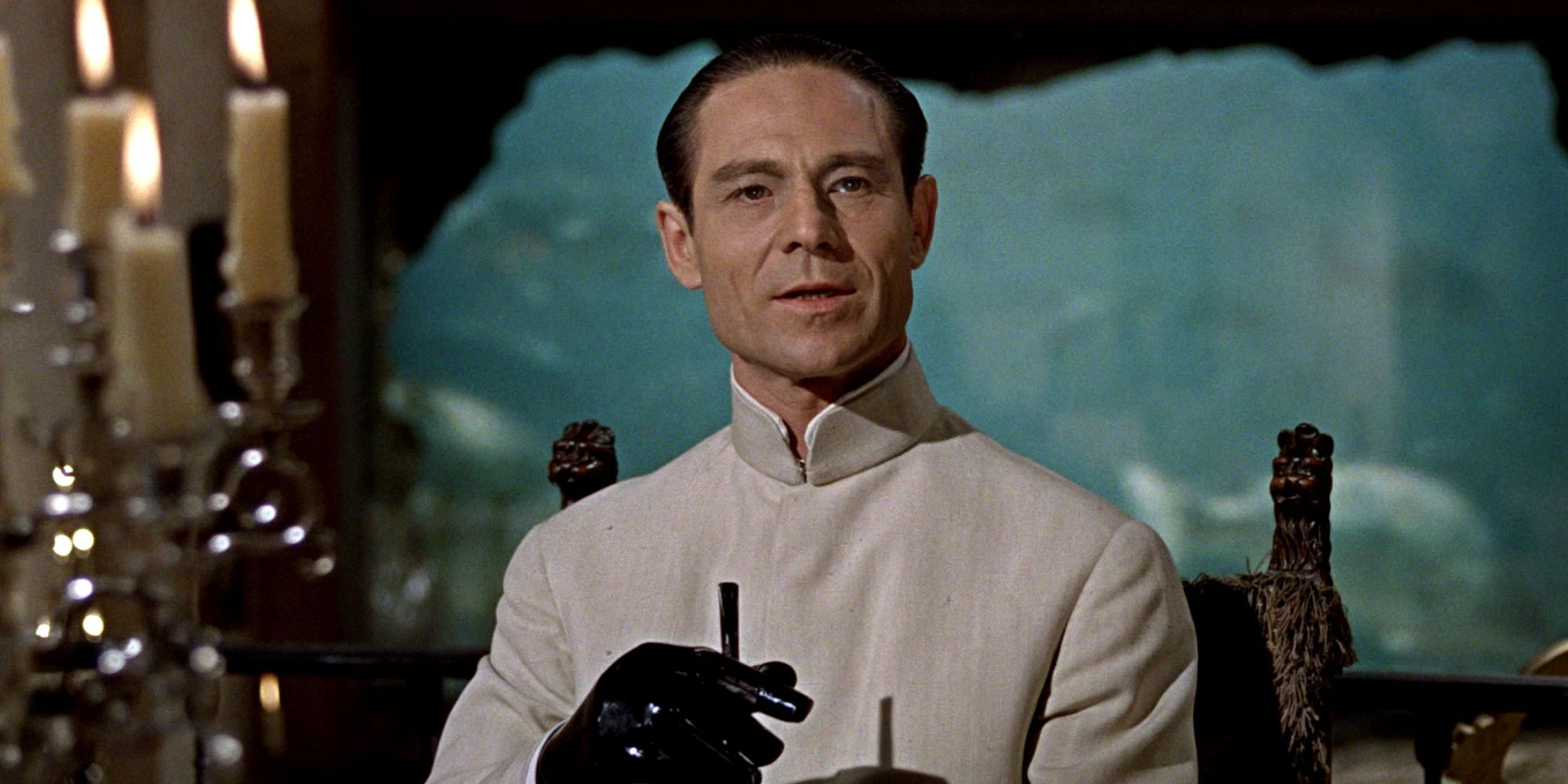
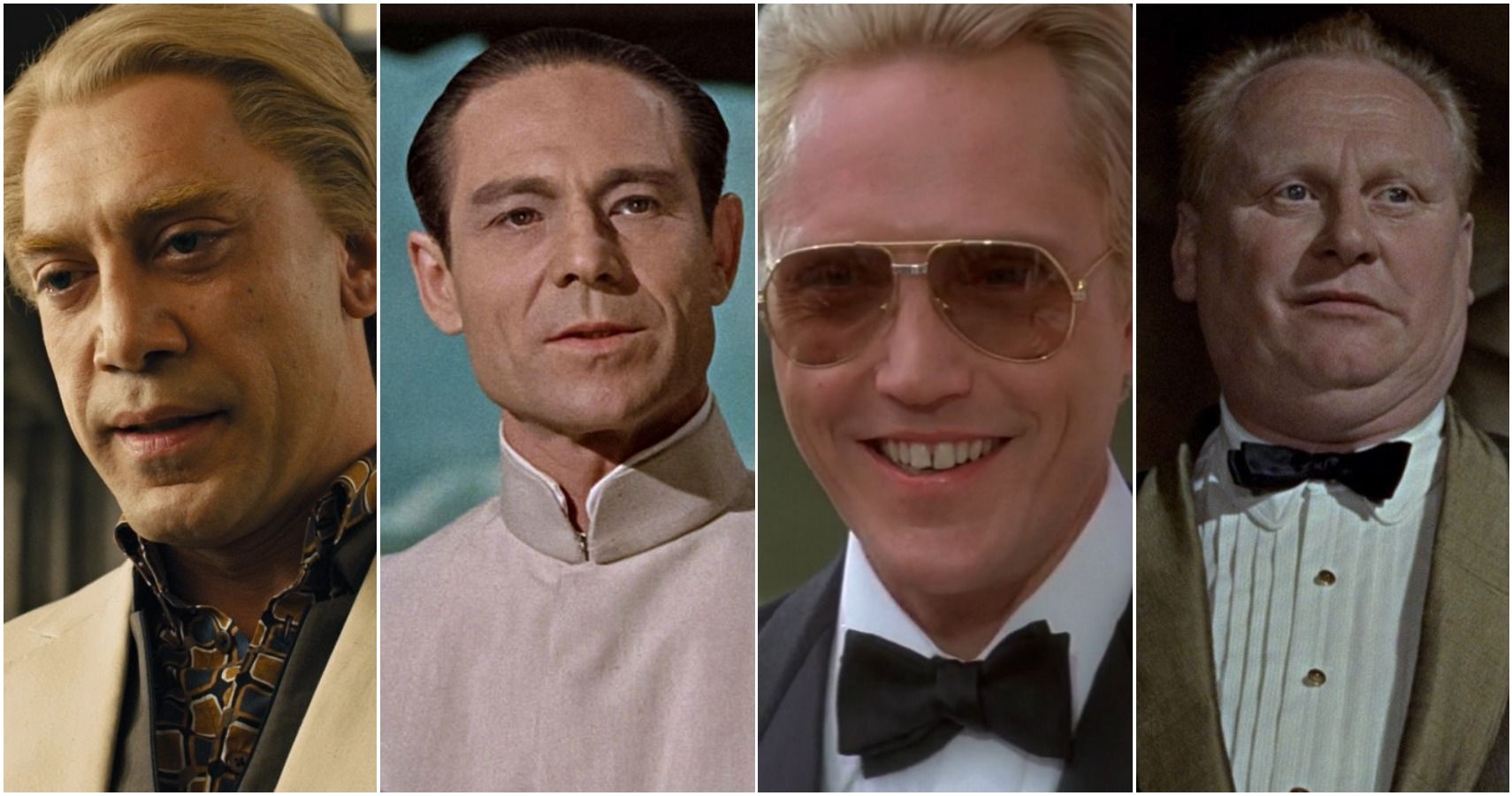
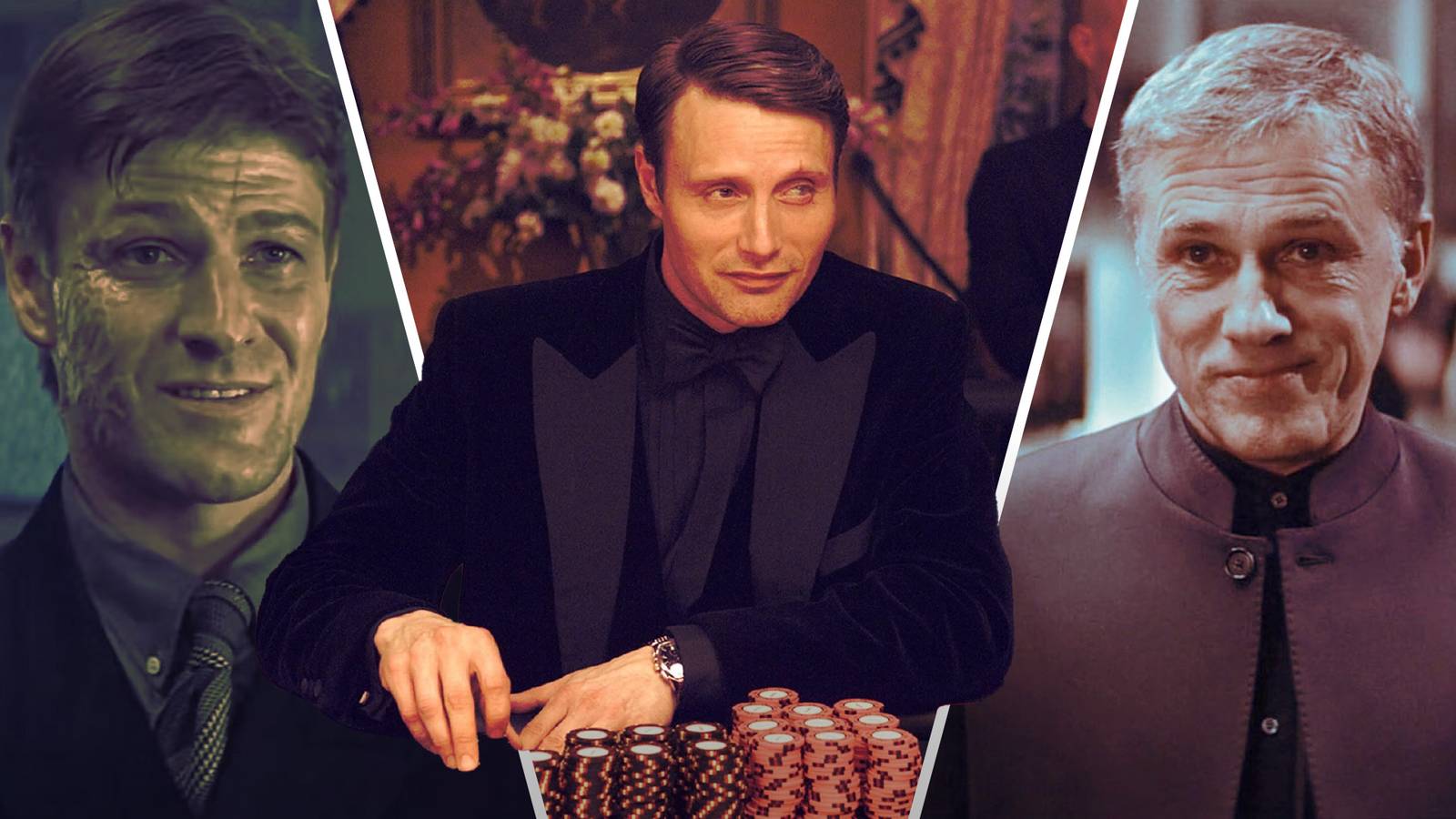
A visual or behavioral signature is essential. From Ernst Stavro Blofeld’s iconic facial scarring—a trope solidified in the 1960s—to the psychological trauma often fueling Le Chiffre or Raoul Silva, the antagonist is rarely a "blank slate." This feature serves to externalize their inner malice, making them instantly recognizable as the source of the film's tension.
3. The Controlled Environment
Bond villains almost exclusively operate from a "lair"—a remote, impenetrable base of operations. This is a technical and narrative requirement; the lair serves as a microcosm of the villain’s worldview, filled with guards, specialized technology, and a trap designed to prolong Bond’s demise. This spatial control mirrors the villain's hubris, as they believe they have effectively removed the possibility of outside interference.
Evolution of the Antagonist: From Cold War to Modernity
The antagonist's identity has shifted significantly to reflect the geopolitical climate of the time. The transition from the mid-20th century to the 2020s demonstrates how the franchise recalibrates the concept of "the enemy."
| Era | Primary Motivation | Archetype Example | Context |
|---|---|---|---|
| 1960s–70s | Global destabilization | Ernst Stavro Blofeld | Cold War era power plays |
| 1980s | Economic/Resource monopoly | Max Zorin / Franz Sanchez | Privatized greed and drugs |
| 1990s | Media and hyper-capitalism | Elliot Carver | The rise of the 24-hour news cycle |
| 2000s–2020s | Digital/Cyber terrorism | Raoul Silva / Lyutsifer Safin | Surveillance and information war |
The "Bond Villain" vs. The "Henchman"
It is vital to distinguish between the primary antagonist and the secondary enforcement, often referred to as the "henchman." While the villain drives the plot and defines the threat, the henchman provides the physical spectacle. Characters such as Oddjob or Jaws provide a tangible, non-intellectual threat that Bond must physically overcome, whereas the primary villain remains a cerebral and distant figure for the majority of the runtime. The relationship between these two roles creates a tiered hierarchy of danger: the henchman is the obstacle to be cleared; the villain is the ultimate goal to be neutralized.
The Psychological Mirror: Why Bond Needs the Villain
The most effective Bond villains act as psychological foils. In Skyfall (2012), Raoul Silva is presented as a "dark mirror" of Bond himself—a former agent abandoned by the institution he served. This definition transcends the tropes of a simple megalomaniac and moves into character-driven drama. By pitting Bond against an antagonist who shares his history and training, the franchise moves from standard spy fiction into an exploration of the cost of loyalty.
The antagonist is therefore not just an obstacle to be destroyed but a cautionary tale of what happens when the principles of intelligence work are discarded. When Bond defeats these villains, he is not merely preventing a crime; he is asserting that his own moral code—however flawed—is superior to the nihilism of his opponent.
Common Tropes and Their Narrative Utility
Critics and fans alike often cite specific tropes as the hallmark of a Bond villain. While some have fallen out of favor, they served (and continue to serve) specific narrative functions:
- The Monologue: Contrary to being a "mistake," the villain’s habit of explaining their plan serves to bridge the gap between their complex, high-concept goal and the audience’s need for clarity.
- The Elaborate Execution: These sequences serve as the "ticking clock" of the action genre. By placing Bond in an inescapable situation, the writer forces Bond to rely on improvisation, which is the cornerstone of the character’s appeal.
FAQ: Understanding the Bond Antagonist
1. Is the Bond villain always a member of an organization? Not necessarily. While groups like SPECTRE or Quantum provide a recurring structure, many of the most effective villains, such as Goldfinger or Alec Trevelyan, act out of individualistic, personal motivations that supersede organizational ties.
2. Why are Bond villains often portrayed as wealthy or sophisticated? Wealth and sophistication provide the necessary resources to conduct a global operation while remaining "above" standard criminal law. It creates a class conflict that frames Bond—a government employee—as a champion of the common good against the unchecked hubris of the elite.
3. Does every Bond villain die at the end of the film? Historically, yes. The narrative structure of the franchise typically demands a definitive resolution to the threat. However, characters like Blofeld have appeared in multiple films, establishing a tradition of the "arch-nemesis" who returns to challenge Bond's endurance over time.
4. How has technology changed the "Bond villain"? Early villains relied on physical hardware (lasers, rockets, submarines). Modern villains have shifted toward digital warfare, cyber-espionage, and data control. The core intent remains the same—wielding immense power to force change—but the delivery mechanism has evolved to match modern anxieties.
5. Are female Bond villains handled differently? Female antagonists in the series have historically been used to subvert the expectation of the "Bond girl." While rare, characters like Rosa Klebb or Elektra King use sexuality and subversion to exploit Bond's traditional vulnerabilities, forcing him to engage with his own biases to succeed.
Practical Guidance for Analysis
When analyzing a Bond villain, look beyond the surface-level scheme. Evaluate the antagonist based on their proximity to Bond’s own psyche. A villain is most effective when they do not just threaten the world, but when they threaten Bond’s internal logic. By examining the antagonist through their ideological alignment—or lack thereof—readers can better understand why the villain is the essential ingredient in the success of the James Bond franchise.
Next time you watch a 007 film, identify the "point of divergence." At what moment did the villain cease to be a person and become a force of nature? Recognizing this turning point is the key to understanding how the franchise maintains its tension across sixty years of cinematic history.
Image Gallery