The Life and Legacy of Roger Troutman: Understanding the Tragic End of a Funk Icon
Roger Troutman, the legendary frontman of the funk band Zapp and a pioneering master of the talk box, is not alive. He passed away on April 25, 1999, at the age of 47. His death resulted from a tragic murder-suicide involving his broth...
Roger Troutman, the legendary frontman of the funk band Zapp and a pioneering master of the talk box, is not alive. He passed away on April 25, 1999, at the age of 47. His death resulted from a tragic murder-suicide involving his brother and business partner, Larry Troutman, in Dayton, Ohio.
Contents
The loss of Roger Troutman was a seismic event in the world of R&B, funk, and hip-hop. As of 2026, his influence remains a cornerstone of modern music production, with his signature "talk box" sound echoing through decades of hits. To understand why his absence is still felt so profoundly, one must examine the circumstances of his passing, his technical innovations, and the enduring "Dayton Sound" he helped create.
The Tragic Events of April 25, 1999
The death of Roger Troutman remains one of the most shocking tragedies in music history because of its domestic nature. On the morning of April 25, 1999, Roger was found shot several times outside his recording studio, Troutman Sound Labs, on Salem Avenue in Dayton, Ohio. Despite being rushed to Good Samaritan Hospital, he succumbed to his wounds during surgery.
Shortly after the discovery of Roger’s body, his brother, Larry Troutman, was found dead in a car a few blocks away. Larry had died from a self-inflicted gunshot wound to the head. The weapon used in both shootings was found with Larry, leading investigators to conclude that Larry had shot Roger before taking his own life.
Investigating the Motive
The motive behind the murder-suicide was never fully clarified by a single piece of evidence, but several factors pointed toward internal family and business tensions. The Troutman brothers were not just bandmates; they were partners in Troutman Enterprises, a multifaceted business venture that included real estate and construction.
- Financial Pressures: At the time, the family business was reportedly facing significant financial strain. Larry, who served as the manager and handled the legal and financial aspects of their careers, was under immense pressure to keep the ventures afloat.
- Sibling Rivalry and Disagreements: There were reports of growing friction regarding the direction of the business and the allocation of funds.
- The Pressure of Success: While Roger was the creative force, Larry was the administrative backbone. The divergence in their roles—and the stress of maintaining a high-profile music career alongside a struggling construction business—is believed to have contributed to the breaking point.
The Technical Mastery of the Talk Box
When people search for whether Roger Troutman is alive, they are often searching for the soul behind the mechanical voice that defined "California Love" and "Computer Love." Roger did not invent the talk box—an effect pedal that allows a musician to shape the sound of an instrument with their mouth—but he perfected it.
Talk Box vs. Vocoder vs. Auto-Tune
It is a common technical misconception that Roger Troutman used a vocoder or early Auto-Tune. In reality, his setup was much more physical and difficult to master.
- The Signal Chain: Roger typically used a Yamaha DX100 synthesizer or a Moog. The sound from the synth was sent into a "talk box" (often a custom-modified Golden Throat or Heil unit).
- The Mechanism: The talk box contains a driver that sends the sound through a plastic tube. Roger would place the tube in his mouth, using his throat, tongue, and lips to shape the synthesizer’s notes into speech-like sounds.
- The Skill Requirement: Unlike modern pitch-correction software, the talk box requires the performer to "mouth" the words without actually using their vocal cords, while simultaneously playing the melody on a keyboard. Roger’s ability to achieve clear diction and soulful "runs" through a plastic tube remains unparalleled.
The "Dayton Sound" and Zapp’s Influence
Roger Troutman was the centerpiece of the band Zapp, which he formed with his brothers Larry, Lester, and Terry. Emerging from Dayton, Ohio—a city so prolific in the genre it was dubbed "The Land of Funk"—Zapp brought a heavy, synth-driven sound that departed from the horn-heavy funk of the 1970s.
Impact on West Coast Hip-Hop
By the early 1990s, Roger’s music experienced a massive resurgence through hip-hop sampling. His work became the foundational DNA for G-Funk. Producers like Dr. Dre and DJ Quik utilized the "Roger Sound" to create the laid-back, melodic atmosphere associated with West Coast rap.
His collaboration on 2Pac’s 1995 hit "California Love" introduced Roger to a new generation. In that track, his talk box hook became one of the most recognizable motifs in the history of the genre. Even in 2026, whenever a producer uses a talk box to create a "funky" vibe, they are directly paying homage to the template Roger established.
Key Discography and Commercial Milestones
The following table outlines the most significant releases from Roger Troutman’s career, both with Zapp and as a solo artist.
| Year | Artist/Project | Notable Tracks | Impact/Certification |
|---|---|---|---|
| 1980 | Zapp | "More Bounce to the Ounce" | Defined the "Heavy Funk" sound; Gold certification. |
| 1981 | Roger (Solo) | "I Heard It Through the Grapevine" | Reached #1 on Billboard R&B charts; revolutionized the cover song. |
| 1982 | Zapp II | "Dance Floor," "Doo Wa Ditty" | Solidified the band's dominance in dance clubs. |
| 1985 | Zapp IV | "Computer Love" | A foundational track for modern R&B and Neo-Soul. |
| 1987 | Roger (Solo) | "I Want to Be Your Man" | A crossover pop hit, reaching #3 on the Billboard Hot 100. |
| 1995 | 2Pac feat. Roger | "California Love" | Global #1 hit; nominated for two Grammys. |
Why Roger Troutman Matters in 2026
Even though Roger Troutman has been deceased for over a quarter-century, his presence is still felt in modern production suites. The rise of "Retrowave" and the continued popularity of 80s-inspired synth-pop have kept the talk box in high demand.
Artists like Bruno Mars, Anderson .Paak, and Thundercat have all drawn inspiration from the Troutman aesthetic. Furthermore, the technical challenge of the talk box ensures that Roger remains a "musician’s musician." While AI and software can emulate the sound, the physical dexterity required to perform like Roger remains a high bar for contemporary performers.
The Preservation of Troutman Sound Labs
In Dayton, efforts have been made periodically to preserve the history of the Troutman family. While the original studios have faced the wear of time, the "Dayton Funk Center" and various local initiatives ensure that the story of Roger Troutman is not just one of a tragic end, but of a brilliant, innovative career that changed the trajectory of American music.
Frequently Asked Questions
How did Roger Troutman die?
Roger Troutman died on April 25, 1999, from multiple gunshot wounds. He was shot by his brother, Larry Troutman, in a murder-suicide outside their recording studio in Dayton, Ohio. Roger was 47 years old at the time of his death.
Did Roger Troutman use Auto-Tune?
No, Roger Troutman did not use Auto-Tune. He used a device called a talk box, specifically models like the Electro-Harmonix Golden Throat. The talk box uses a physical tube to direct sound into the mouth, which the performer then shapes into words. This is a distinct mechanical process from the digital pitch-shifting of Auto-Tune.
What happened to the band Zapp after Roger died?
After Roger’s death, the remaining brothers and band members eventually reformed to keep his legacy alive. While they could never truly replace Roger’s unique talk box performance, they continue to perform as Zapp (or the Zapp Band), touring globally and performing the classic hits for longtime fans.
Why is Roger Troutman so famous in the hip-hop community?
Roger is revered in hip-hop because his music provided the "sonic architecture" for the G-Funk era. His tracks were sampled hundreds of times by artists like Dr. Dre, Snoop Dogg, Eazy-E, and Ice Cube. His guest appearance on "California Love" is considered one of the greatest features in rap history.
Where is Roger Troutman buried?
Roger Troutman is interred at the Woodland Cemetery and Arboretum in Dayton, Ohio. His grave has become a site of pilgrimage for funk fans and musicians who travel to Dayton to honor the "King of the Talk Box."
Final Recommendation for Fans and Researchers
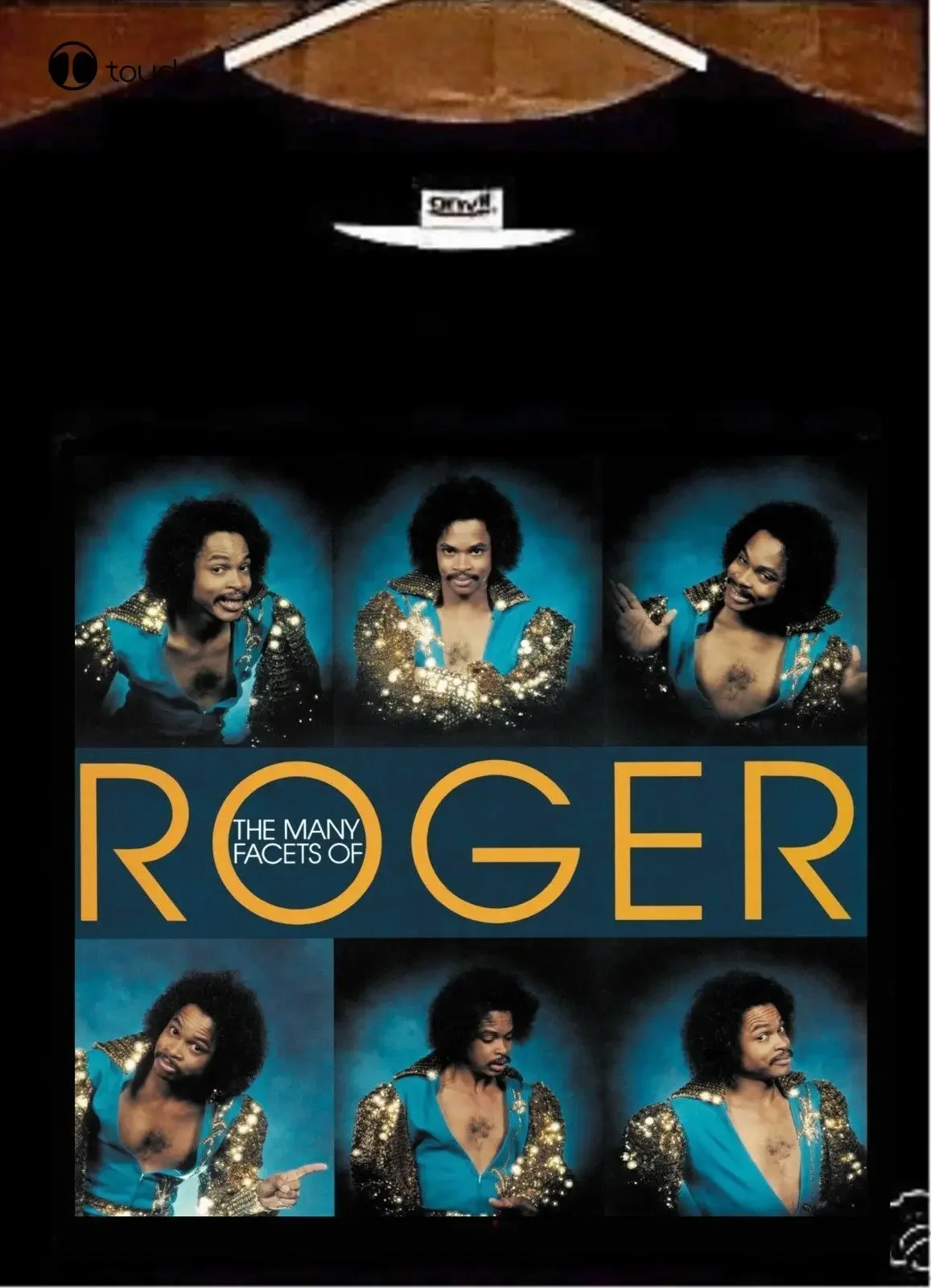
For those looking to explore the depth of Roger Troutman’s work beyond the hits, it is highly recommended to listen to the album Zapp II and his solo debut The Many Facets of Roger. To see his technical skill in action, archival concert footage from the early 1980s provides the best evidence of his mastery over the talk box and his incredible energy as a multi-instrumentalist.
Image Gallery