Flexible Direct Life Insurance Providers: A 2026 Guide to Customizable Coverage
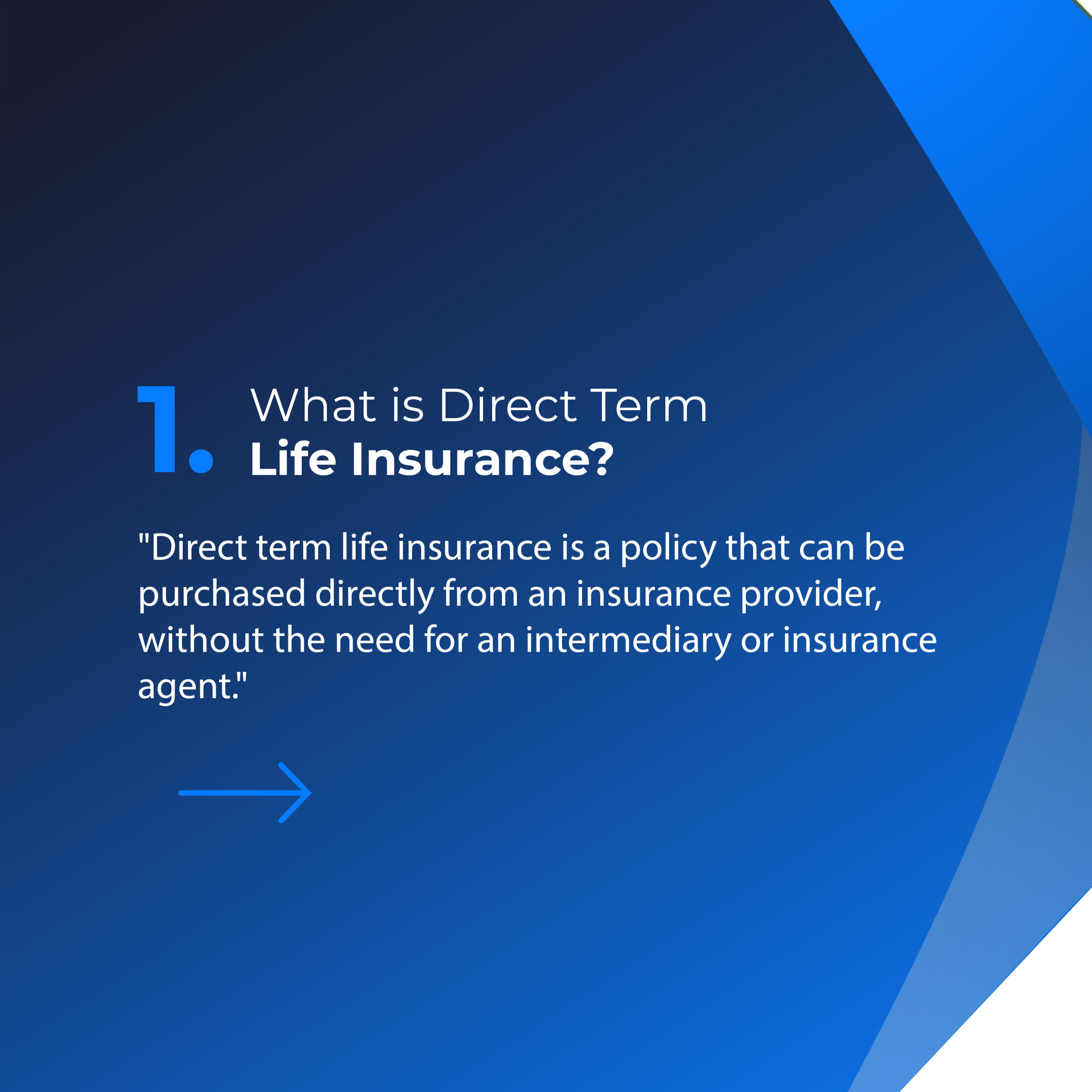
Flexible direct life insurance providers offer consumers the ability to purchase and manage policies online or via mobile applications without the intervention of a traditional insurance agent. In 2026, these providers specialize in mo...
Flexible direct life insurance providers offer consumers the ability to purchase and manage policies online or via mobile applications without the intervention of a traditional insurance agent. In 2026, these providers specialize in modular coverage, allowing policyholders to adjust death benefits, modify premium payment schedules, and add or remove riders as their financial circumstances evolve.
Contents
Selecting a life insurance provider in 2026 involves more than just comparing monthly premiums. As the industry has shifted toward digital-first models, the "flexibility" of a policy now encompasses how easily a user can scale coverage up or down, the speed of algorithmic underwriting, and the integration of real-time health data to influence policy terms. Direct-to-consumer (DTC) platforms have matured, offering sophisticated products that were once only available through complex, agent-brokered contracts.
The Evolution of Direct Life Insurance Flexibility
Historically, direct life insurance was synonymous with "simple" term life policies—fixed payments for a fixed period. However, by 2026, flexible direct life insurance providers have expanded their portfolios to include "modular" term and universal life products. This evolution is driven by the demand for financial products that can react to life events such as marriage, the birth of a child, or the payoff of a mortgage.
Flexibility in the current market manifests in three primary ways:
- Coverage Volatility: The ability to "ladder" or scale the death benefit without undergoing a new medical exam for every increase.
- Payment Adaptability: Options to pause premiums or utilize "flexible premium" structures common in Universal Life (UL) policies, now managed via direct-access dashboards.
- Rider Customization: The capability to toggle living benefits, such as chronic illness or terminal illness riders, directly through a digital interface.
Identifying Top Flexible Direct Providers in 2026
When evaluating providers, it is essential to distinguish between those that offer simple digital applications and those that provide true policy flexibility. The following categories of providers dominate the 2026 landscape:
Digital-Native Insurtechs
Companies like Ladder, Ethos, and Bestow have pioneered the "direct" model. Ladder, for instance, is well-known for its signature feature that allows policyholders to decrease their coverage (and thus their premium) instantly online, or apply to "ladder up" as their income grows. These providers typically use algorithmic underwriting, meaning many applicants receive a decision in minutes by allowing the provider to access digital health records and prescription histories.
Established Carriers with Direct Arms
Traditional giants like MassMutual (via Haven Life), Prudential, and New York Life have developed robust direct-to-consumer portals. These providers offer the financial stability of a century-old institution combined with the flexibility of modern software. Their flexible products often include "Convertible Term" options, which allow a policyholder to switch from a direct term policy to a permanent life policy without a new medical evaluation, provided the conversion happens within a specific timeframe.
Membership-Based Providers
Organizations such as USAAn and certain credit union-affiliated insurers provide direct flexible life insurance tailored to specific demographics. These policies often feature "Life Event Riders," which automatically allow for coverage increases during major milestones like buying a home, reflecting a different type of flexibility rooted in contract language rather than just digital UI.
Key Features of Flexible Direct Policies
To truly solve the problem of finding the right provider, one must understand the specific technical features that constitute a "flexible" policy in 2026.
- Algorithmic Underwriting: This is the backbone of direct providers. By using AI to analyze data points from the Medical Information Bureau (MIB), motor vehicle records, and even consumer credit attributes, providers can offer "no-exam" policies. Flexibility here means the speed of acquisition; you are not tethered to a three-week medical exam waiting period.
- Modular Riders: In 2026, riders are often "unbundled." A policyholder might start with a basic term policy and later add a Waiver of Premium rider (which pays the premium if the insured becomes disabled) or a Child Term rider through the provider’s app.
- Dynamic Premium Adjustment: Some direct universal life providers allow for premium flexibility. If a policyholder experiences a lean financial month, they can reduce their payment to the minimum required to cover the cost of insurance, provided there is sufficient cash value or the policy allows for such variance.
Comparison of Flexible Direct Insurance Features (2026)
The table below outlines how different types of flexible direct providers compare across key metrics as of mid-2026.
| Provider Type | Underwriting Speed | Flexibility Mechanism | Best For | Typical Product |
|---|---|---|---|---|
| Insurtech (e.g., Ladder) | Instant / Minutes | Laddering (Up/Down) | Young Professionals | Modular Term |
| Legacy Direct (e.g., Haven) | 24–48 Hours | Conversion Options | Families | Term to Permanent |
| DTC Universal Life | 1–3 Days | Adjustable Premiums | Wealth Management | Variable/Universal |
| Group/Affinity Direct | Minutes | Life Event Increases | Veterans/Members | Simplified Issue |
Prerequisites for Applying Directly
Before engaging with a flexible direct life insurance provider, applicants should ensure they meet certain digital and financial prerequisites:
- Digital Identity Verification: Most providers require a high-confidence digital ID (such as a verified state ID or biometric check) to process applications instantly.
- Consent for Data Sharing: To avoid a physical medical exam, you must provide consent for the insurer to access your electronic health records (EHR) and pharmacy benefit manager (PBM) data.
- Financial Clarity: Know your "Human Life Value" or the specific debt obligations (mortgage, tuition) you intend to cover. Flexibility is only useful if you have a baseline target for your coverage.
Common Pitfalls and Troubleshooting
While direct providers offer convenience, there are risks associated with bypassing a human agent.
- Under-Insuring: Without an agent to perform a comprehensive needs analysis, many users select the cheapest "flexible" option, which may not account for inflation or long-term estate taxes.
- Misinterpreting "No-Exam": "No-exam" does not mean "no-underwriting." If the algorithmic check finds a discrepancy in your health history, the "direct" process may stall, requiring a manual review that can take weeks.
- Policy Lapsing: Flexible premium policies require active management. If you utilize the flexibility to pay lower premiums for too long, the policy may lack the cash value to sustain itself, leading to an unintended lapse in coverage.
Financial and Legal Considerations
Disclaimer: Life insurance regulations vary by jurisdiction. In the United States, insurance is regulated at the state level (e.g., NY DFS or California DOI). Ensure your chosen provider is licensed in your state of residence.
In 2026, the tax advantages of life insurance (tax-free death benefits under IRC Section 101(a)) remain a primary driver for these purchases. Flexible direct providers must still comply with Modified Endowment Contract (MEC) rules, which limit how much cash can be put into a policy without losing its tax-advantaged status. If you are using a flexible premium product, monitor your contributions to ensure you do not inadvertently trigger a MEC status.
Frequently Asked Questions
Can I really increase my coverage without a new medical exam? Yes, many flexible direct providers offer "Guaranteed Insurability Riders" or "Laddering" features. These allow you to increase your death benefit at specific intervals or life events (like marriage) without undergoing a full new medical underwriting process, though your premium will increase based on your attained age.
What happens if I can't afford my premium this month? If you have a flexible direct Universal Life policy, you may be able to lower or skip a payment if the policy has enough accumulated cash value to cover the monthly cost of insurance. For Term policies, some providers offer a "Grace Period" or a "Waiver of Premium" rider if the non-payment is due to a disability.
Are direct-to-consumer providers as financially stable as traditional companies? Most major insurtechs are either backed by massive reinsurers (like Munich Re or Swiss Re) or are digital storefronts for established carriers (like MassMutual). Always check the A.M. Best or S&P financial strength rating of the underlying underwriter before purchasing.
Is my data safe with these digital providers? By 2026, direct providers are subject to stringent data protection laws (such as CCPA/CPRA in California or GDPR-like frameworks elsewhere). They use encrypted APIs to fetch medical data, and most do not "store" your raw medical files but rather the risk score derived from them.
Can I cancel a direct policy at any time? Yes. Direct policies are generally "at-will" contracts. If you cancel a term policy, coverage simply ends. If you cancel a flexible permanent policy, you may receive the "Surrender Value," which is the cash value minus any applicable surrender charges or outstanding loans.
Practical Recommendation
If you prioritize ease of use and the ability to adjust your coverage as your career progresses, start with a digital-native insurtech like Ladder or Ethos. These platforms are specifically engineered for the "direct" experience. However, if your financial situation is complex—involving estate planning or business succession—look for a legacy carrier’s direct portal that allows you to start with a flexible term policy but provides a clear path to convert into a permanent policy later in life.
Before committing, use a comparison tool to verify that the "flexible" features don't come at the cost of significantly higher administrative fees. In 2026, the best value lies in providers that offer zero-fee adjustments for coverage scaling.
Image Gallery