Comprehensive Guide to What Mt. Pleasant Foundation Repair Companies Offer in 2026
Mt. Pleasant foundation repair services offer a comprehensive suite of structural solutions including helical and push pier installation, crawl space encapsulation, and polyurethane concrete leveling. These services are specifically en...
Mt. Pleasant foundation repair services offer a comprehensive suite of structural solutions including helical and push pier installation, crawl space encapsulation, and polyurethane concrete leveling. These services are specifically engineered to address the unique challenges of coastal soil, high humidity, and shifting water tables common in the South Carolina Lowcountry and similar geographical regions.
Contents
The Critical Role of Specialized Foundation Repair in Mt. Pleasant
Foundation integrity in Mt. Pleasant is not merely a matter of structural stability; it is a necessity for preserving property value in a region characterized by sandy loam, high water tables, and significant seismic and storm risks. As we navigate 2026, the technology behind foundation restoration has evolved to become more non-invasive and durable.
The local geography necessitates a deep understanding of how water interacts with the soil. In many parts of Mt. Pleasant, the ground is prone to "settlement," where the house sinks unevenly, or "heave," where the soil expands and pushes the foundation upward. Professional repair companies offer more than just a "fix"; they provide long-term engineering solutions designed to bypass unstable topsoil and anchor structures to competent load-bearing strata.
Primary Structural Stabilization Services
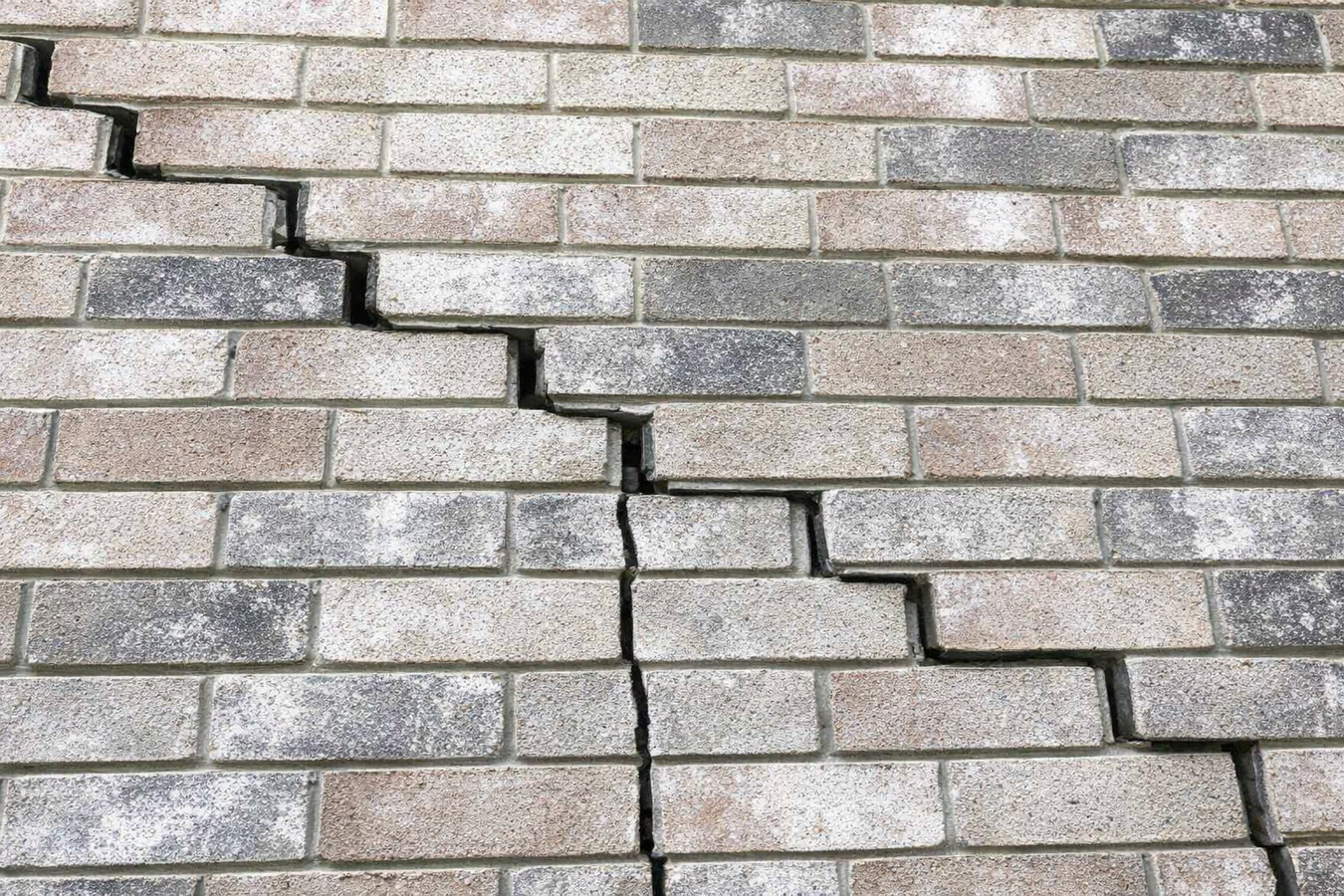
When a home shows signs of structural failure—such as stair-step cracks in brickwork, doors that no longer latch, or uneven floors—structural stabilization is the first line of defense. In 2026, the industry standard relies heavily on steel piering systems.
Helical Pier Installation
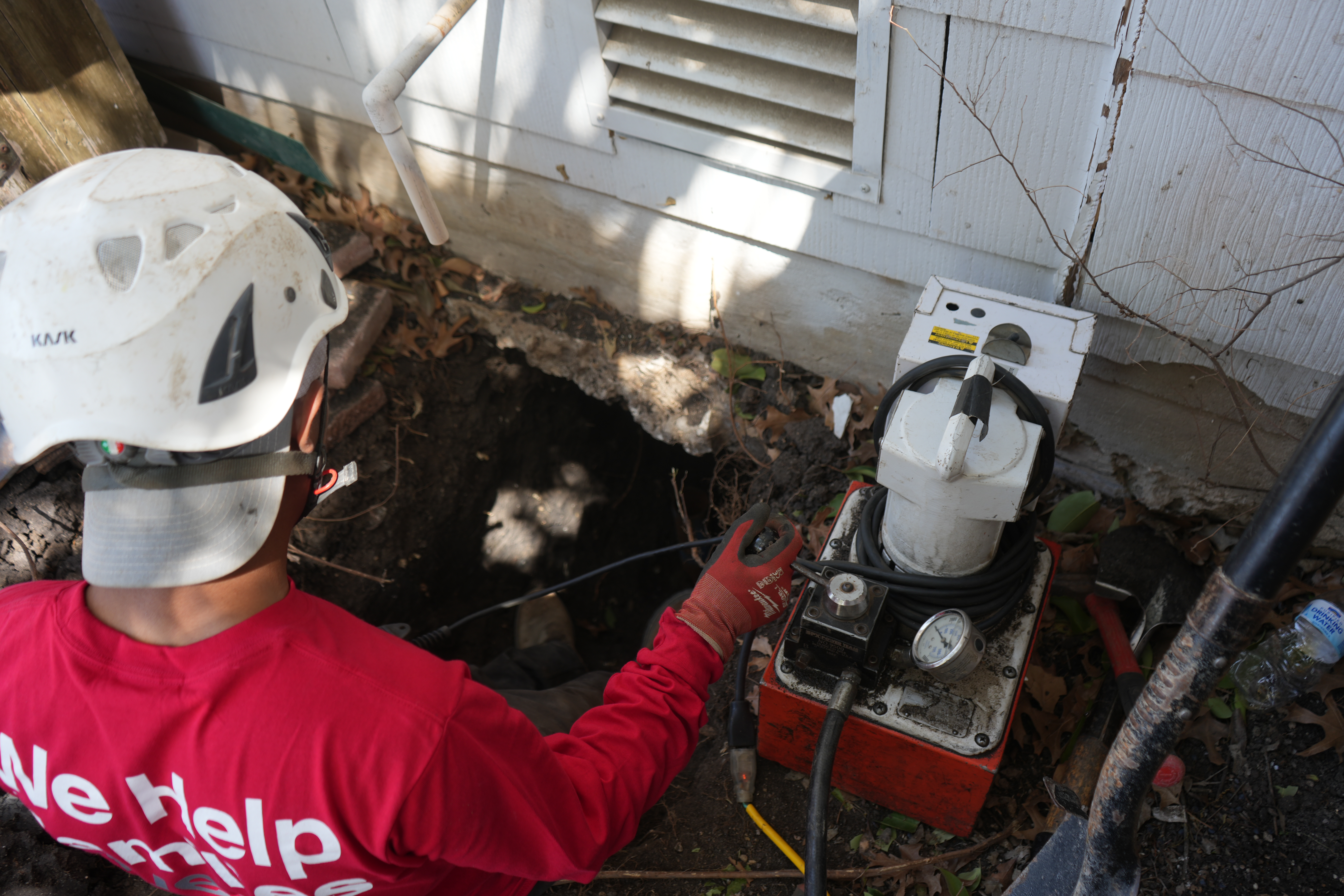
Helical piers are perhaps the most common offering for Mt. Pleasant residents. These are steel shafts with round flighting (helices) that are "screwed" into the ground using hydraulic machinery.
- Why they are used: Unlike traditional concrete footings, helical piers do not rely on the weight of the structure to be installed. They are ideal for the lighter residential loads and the sandy/marshy soils found near the coast.
- The Process: Technicians torque the piers deep into the earth until they reach a predetermined depth or resistance level that can support the home's weight. Once installed, heavy-duty steel brackets are attached to the foundation's footing, and the weight of the house is transferred to the piers.
Steel Push Piers
For heavier structures or locations where the soil allows for deep driving, steel push piers are the preferred choice. These rely on the actual weight of the building to be "pushed" into the ground.
- Engineering Benefit: They provide a verifiable load test during installation. As the pier is pushed, the hydraulic pressure used indicates exactly how much weight that pier can support.
- Long-Term Results: Push piers are designed to reach the "Cooper River Marl" or other stable geological layers deep beneath the surface, ensuring the home never settles again.
Crawl Space Encapsulation and Moisture Management
In the humid climate of Mt. Pleasant, foundation repair companies almost always offer crawl space encapsulation. The health of the foundation is inextricably linked to the moisture levels beneath the home.
Vapor Barrier Installation
Modern encapsulation involves more than just laying plastic on the ground. It requires a heavy-duty, reinforced polyethylene barrier (usually 12-mil to 20-mil thickness) that covers the floor and wraps up the foundation walls. This creates a "sealed envelope" that prevents ground moisture from evaporating into the wooden floor joists.
Dehumidification and Sump Pumps
A sealed crawl space without mechanical ventilation can actually trap moisture. Therefore, professional offerings include:
- Commercial-Grade Dehumidifiers: These units are designed to maintain a consistent relative humidity (usually below 55%) to prevent wood rot and mold growth.
- Sump Pump Systems: In low-lying areas of Mt. Pleasant, heavy rains can lead to standing water. High-capacity sump pumps with battery backups are installed to evacuate water before it can saturate the soil around the foundation.
Concrete Leveling and Lifting (Polyjacking)
Traditional "mudjacking"—which uses a heavy slurry of sand and cement—has largely been replaced in 2026 by polyurethane foam injection, commonly known as polyjacking. Mt. Pleasant foundation repair companies offer this for driveways, pool decks, and interior slabs.
The Advantages of Polyjacking
- Lightweight: The high-density foam adds almost no weight to the soil, which is crucial in areas where the soil is already prone to settling under heavy loads.
- Waterproof: Unlike mudjacking material, polyurethane foam will not wash away or erode when exposed to groundwater.
- Fast Cure Time: Homeowners can typically drive on a leveled driveway within 15 to 30 minutes of the application.
- Minimal Intrusion: The injection holes are roughly the size of a penny, making the repair nearly invisible once patched.
Wall Stabilization and Seismic Retrofitting
Given the proximity to the Charleston seismic zone, many Mt. Pleasant foundation repair firms offer specialized reinforcement for basement walls (where applicable) and crawl space pillars.
Carbon Fiber Reinforcement
For walls that are beginning to bow or crack due to hydrostatic pressure (the pressure of water-saturated soil pushing against the foundation), carbon fiber straps are a cutting-edge solution. These straps are bonded to the wall using high-strength epoxy. Carbon fiber is stronger than steel and does not stretch, providing a permanent fix that can be easily painted over.
PowerBraces and Wall Anchors
In cases of severe bowing, adjustable steel I-beams known as PowerBraces are installed. These are attached to the floor joists and the concrete floor, allowing for gradual tightening to potentially return the wall to its original vertical position over time.
Comparison of Common Foundation Repair Methods
The following table outlines the typical applications and expectations for the services offered by Mt. Pleasant foundation repair specialists in 2026.
| Service | Primary Purpose | Best Soil Conditions | Expected Lifespan |
|---|---|---|---|
| Helical Piers | Lifting and stabilizing sinking foundations | Sandy, loose, or loamy coastal soil | Lifetime (75+ years) |
| Push Piers | Stabilizing heavy structures to bedrock | Deep clay or dense soil layers | Lifetime (75+ years) |
| Polyjacking | Leveling sidewalks, driveways, and slabs | Any soil with voids or erosion | 10–20 years (soil dependent) |
| Encapsulation | Preventing wood rot and mold growth | High-humidity, flood-prone areas | 15–20 years (liner life) |
| Carbon Fiber | Stopping foundation wall bowing/cracking | Expansive clay or high water table | Lifetime of the structure |
The Inspection and Diagnostic Process
A critical part of what these companies offer is the initial diagnostic phase. In 2026, reputable firms utilize advanced tools to ensure accuracy before any dirt is moved.
- Z-Level Surveys: Technicians use high-precision altimeters to map the floor's elevation throughout the house, identifying exactly where the settlement has occurred down to the millimeter.
- Moisture Mapping: Using infrared cameras and moisture meters, inspectors identify "hot spots" behind walls or under floors where water intrusion is occurring.
- Soil Analysis: Some complex projects may require a geotechnical engineer to perform a "boring test" to determine the depth of the load-bearing strata.
Frequently Asked Questions
How much does foundation repair typically cost in Mt. Pleasant?
Costs vary significantly based on the number of piers required and the severity of the damage. In 2026, a single helical pier typically costs between $2,500 and $4,500. A full crawl space encapsulation for an average-sized home can range from $8,000 to $18,000. It is important to view these costs as an investment in the home's structural integrity and resale value.
Can foundation repair be done during the rainy season?
Yes, most Mt. Pleasant foundation repair companies operate year-round. However, certain services like polyjacking or exterior excavation may be slightly delayed by extreme tropical weather or flooding. Piering systems are generally unaffected by surface rain because the work happens deep underground.
Does homeowners insurance cover foundation repair?
Generally, standard homeowners insurance policies do not cover foundation repair caused by earth movement, settlement, or hydrostatic pressure. Coverage is usually only available if the damage was caused by a covered peril, such as a sudden pipe burst. It is essential to review your specific policy and consider supplemental flood or earthquake insurance.
How long does a typical foundation repair project take?
Most residential projects, such as installing 5–10 piers or performing a full crawl space encapsulation, are completed within 3 to 5 business days. Concrete leveling (polyjacking) is usually completed in a single day.
Will foundation repair damage my landscaping?
While some disturbance is inevitable, especially for exterior piering or drainage work, modern companies use specialized, small-footprint machinery designed to minimize impact. In many cases, only small areas around the foundation's perimeter need to be excavated, and many companies offer "hand-digging" options for sensitive areas.
Practical Recommendation for Homeowners
If you suspect foundation issues, the most important next action is to schedule a professional inspection that includes a relative elevation survey. Do not wait for cracks to widen; in the coastal environment of Mt. Pleasant, minor settlement can quickly accelerate during hurricane season or periods of heavy drought. Ensure that any company you hire provides a transferable lifetime warranty on piering systems and is familiar with the specific building codes and geological challenges of the South Carolina Lowcountry.
Image Gallery