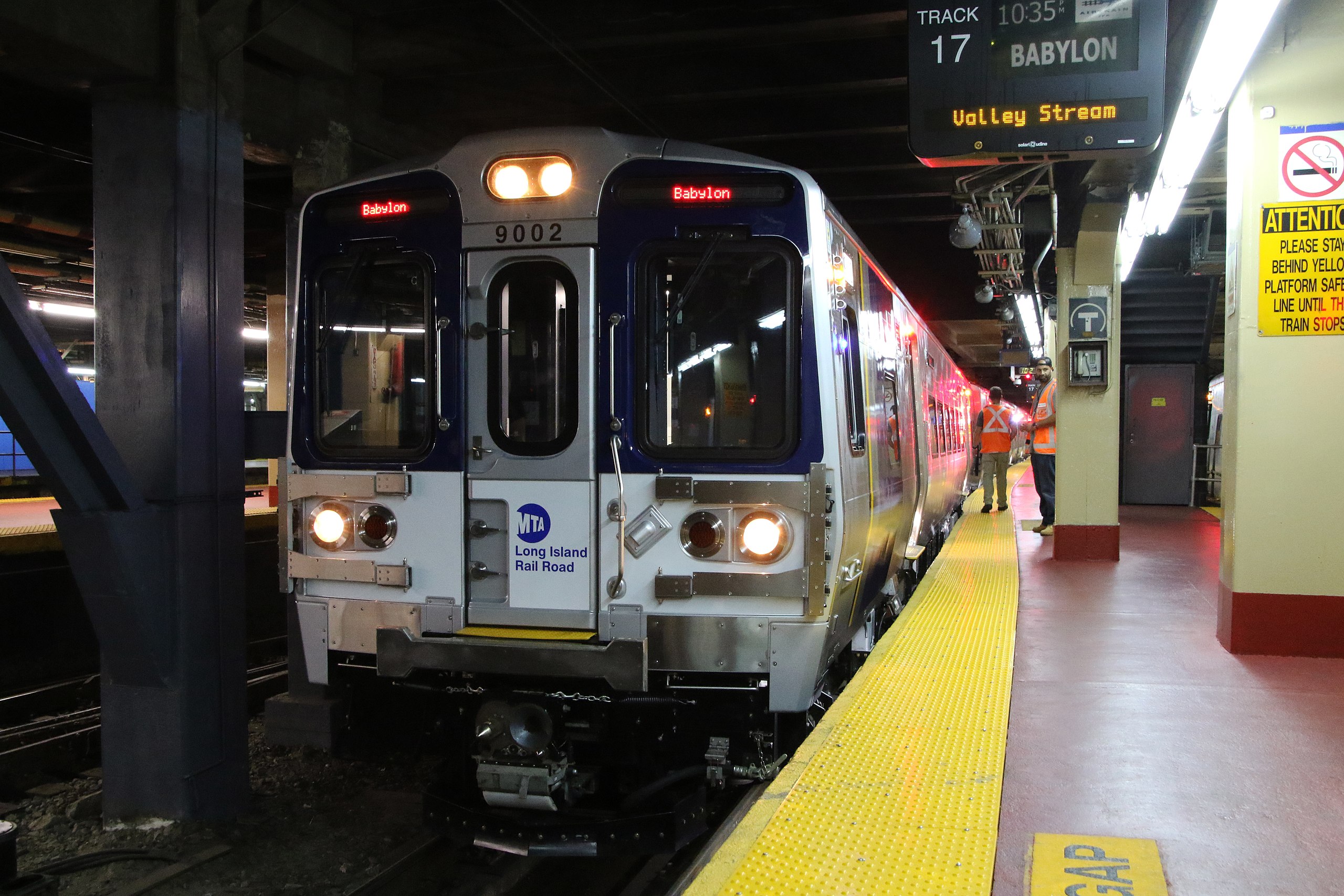
LIRR MTA Schedule Guide 2026: Long Island Rail Road Timetables, Routes, and Terminal Connections
Navigating the Long Island Rail Road (LIRR) requires understanding dual-Manhattan terminal operations, branch-specific patterns, and synchronized transfer hubs across Nassau, Suffolk, Queens, Brooklyn, and Manhattan. As North America’s...
Navigating the Long Island Rail Road (LIRR) requires understanding dual-Manhattan terminal operations, branch-specific patterns, and synchronized transfer hubs across Nassau, Suffolk, Queens, Brooklyn, and Manhattan. As North America’s busiest commuter railroad, the Metropolitan Transportation Authority (MTA) operates an intricate network moving hundreds of thousands of riders daily. Whether boarding at Montauk or transferring at Jamaica, mastering the LIRR MTA schedule ensures seamless travel across the New York metropolitan area.
Contents
Dual-Terminal Network Architecture: Penn Station and Grand Central Madison
The full operational integration of Grand Central Madison alongside New York Penn Station provides two distinct Manhattan destinations for Long Island commuters. Timetables are organized around designated Manhattan arrival points, making it essential to confirm your terminal prior to departure.
New York Penn Station (West Side)
Located between Seventh and Eighth Avenues from 31st to 33rd Streets, Penn Station connects commuters directly to:
- New York City Subway trunk lines: 1, 2, 3 (Seventh Avenue) and A, C, E (Eighth Avenue)
- Regional rail transfers: NJ TRANSIT and Amtrak Northeast Corridor
- Midtown West corporate corridors, Hudson Yards, and the Moynihan Train Hall complex
Grand Central Madison (East Side)
Situated beneath the historic Grand Central Terminal along Madison Avenue between 43rd and 48th Streets, this deep-cavern terminal offers direct rail access to Manhattan's East Side. Key connection advantages include:
- Immediate indoor walking transfers to Metro-North Railroad lines (Hudson, Harlem, and New Haven)
- Direct connections to subway lines: 4, 5, 6 (Lexington Avenue), 7 (Flushing Line), and the 42nd Street Shuttle (S)
- Proximity to Midtown East corporate headquarters, minimizing cross-town subway and bus transfers
Atlantic Terminal (Brooklyn Hub)
Atlantic Terminal serves as Downtown Brooklyn’s primary connection point at Flatbush and Atlantic Avenues. Rather than running direct through-service from most outer Long Island branches, the MTA relies on frequent, dedicated shuttle runs connecting Jamaica and Atlantic Terminal, providing rapid access to the 2, 3, 4, 5, B, D, N, Q, and R subway lines.
Understanding the 11 Branches of the LIRR Network
The Long Island Rail Road divides service across eleven distinct passenger branches. Service frequencies and terminal routings vary significantly based on track geography, electrification, and equipment capabilities.
[Port Washington] ──┐ [Ronkonkoma] ──┼── [Jamaica Hub] ──┬── [Penn Station] [Babylon] ──┤ ├── [Grand Central Madison] [Port Jefferson] ──┤ └── [Atlantic Terminal] [Montauk] ──┘
1. Port Washington Branch
The only branch that does not pass through the Jamaica transfer hub. It runs directly through Northern Queens (Flushing, Bayside) into Woodside, split-routing directly to Penn Station and Grand Central Madison. Fully electrified, it offers consistent peak and off-peak service.
2. Main Line Corridor (Ronkonkoma, Huntington/Port Jefferson, Oyster Bay, Greenport)
- Ronkonkoma Branch: A high-speed, dual-track electrified spine through central Suffolk County. It provides direct service to both Manhattan terminals and connects to Long Island MacArthur Airport via local transit links at Ronkonkoma.
- Huntington and Port Jefferson Branch: Electrified up to Huntington Station. Diesel-electric dual-mode trains provide direct Manhattan service or require across-the-platform diesel transfers at Huntington for passengers continuing east to Stony Brook and Port Jefferson.
- Oyster Bay Branch: Partially electrified up to East Williston; diesel shuttle or direct diesel-electric service operates east to Locust Valley and Oyster Bay.
- Greenport Branch (Ronkonkoma to Greenport Scoot): A non-electrified diesel territory extending across the North Fork with limited daily departures.
3. South Shore Corridor (Babylon, Montauk, Long Beach, Far Rockaway)
- Babylon Branch: The highest-density electrified branch on the South Shore. Operates frequent expresses and locals to both Penn Station and Grand Central Madison, while functioning as the transfer spine for outer Montauk diesel trains.
- Montauk Branch: Extends eastward through the Hamptons to Montauk. Powered by dual-mode diesel locomotives, offering scheduled express options alongside seasonal Hamptons Cannonball configurations.
- Long Beach Branch: Fully electrified, branching south from Valley Stream through Lynbrook to the barrier island.
- Far Rockaway Branch: Fully electrified local service navigating south-central Nassau County into Queens.
4. Central & Eastern Feeder Branches (Hempstead, West Hempstead)
- Hempstead Branch: Electrified local corridor providing steady urban commuter rail coverage terminates in downtown Hempstead.
- West Hempstead Branch: Specialized suburban shuttle line providing targeted rush-hour connections and off-peak branch services into Jamaica and Brooklyn.
2026 LIRR Operational Branch Comparison
The following table provides verified service specifications across primary LIRR lines, detailing direct Manhattan access points, propulsion requirements, and baseline scheduling patterns.
| Branch Line | Manhattan Terminals Served Directly | Electrification Status | Peak Service Frequency (Typical) | Key Major Transfer Hubs |
|---|---|---|---|---|
| Port Washington | Penn Station & Grand Central Madison | 100% Third Rail Electrified | 10–15 Minutes | Woodside |
| Babylon | Penn Station & Grand Central Madison | 100% Third Rail Electrified | 5–10 Minutes | Jamaica, Rockville Centre |
| Ronkonkoma | Penn Station & Grand Central Madison | 100% Third Rail Electrified | 10–15 Minutes | Jamaica, Mineola, Hicksville |
| Huntington | Penn Station & Grand Central Madison | 100% Third Rail Electrified | 10–15 Minutes | Jamaica, Mineola, Hicksville |
| Port Jefferson (East of Huntington) | Limited Direct (Dual-Mode Equipment) | Non-Electrified (Diesel / Dual-Mode) | 30–60 Minutes | Huntington, Jamaica |
| Long Beach | Penn Station & Grand Central Madison | 100% Third Rail Electrified | 15–20 Minutes | Jamaica, Lynbrook |
| Hempstead | Penn Station & Grand Central Madison | 100% Third Rail Electrified | 15–20 Minutes | Jamaica, Floral Park |
| Far Rockaway | Penn Station & Grand Central Madison | 100% Third Rail Electrified | 20–30 Minutes | Jamaica, Valley Stream |
| West Hempstead | Grand Central Madison (Peak) / Shuttle | 100% Third Rail Electrified | 30–60 Minutes | Jamaica, Valley Stream |
| Oyster Bay | Limited Direct (Dual-Mode Equipment) | Non-Electrified East of East Williston | 30–60 Minutes | Mineola, Jamaica |
| Montauk | Limited Direct (Dual-Mode Equipment) | Non-Electrified East of Babylon | 60–120 Minutes | Babylon, Jamaica |
Peak vs. Off-Peak Timetable Dynamics and Fare Structures
Understanding how timetables classify your departure time directly determines ticket pricing, seating capacity, and express routing configurations.
Official MTA Peak Windows
Fare enforcement strictly classifies train runs according to published weekday departure times:
- Morning Peak: Weekday trains scheduled to arrive at western terminals (Penn Station, Grand Central Madison, Atlantic Terminal, Long Island City, Hunterspoint Avenue) between 6:00 AM and 10:00 AM.
- Evening Peak: Weekday trains scheduled to depart western terminals between 4:00 PM and 8:00 PM.
- Off-Peak: All other weekday travel times, including holidays and all weekend travel.
Peak Status DeterminationPeak ticket validation is governed by the scheduled departure time of your train from your origin station, not the time you board or purchase the ticket. If your train is running late into a peak window, off-peak tickets remain valid if the scheduled departure was outside the peak timeframe.
CityTicket Regional Program
For trips entirely within New York City limits (Zones 1 and 3, including Penn Station, Grand Central Madison, Atlantic Terminal, Jamaica, Woodside, Flushing, Forest Hills, and Kew Gardens), the MTA offers the flat-rate CityTicket. This program provides heavily discounted travel for intra-city commuters compared to standard zone pricing, featuring separated Peak and Off-Peak pricing tiers.
Accessing Real-Time Schedules: Digital Tools and Strategic Transfer Practices
While printed pocket timetables remain available at major customer hubs, MTA schedules adapt to real-time track updates, infrastructure repairs, and dynamic train routing via digital tools.
Leveraging the MTA TrainTime App
The official MTA TrainTime application serves as the authoritative source for real-time schedule tracking and ticketing:
- Real-Time Track Assignments: Penn Station track assignments appear approximately 10 to 12 minutes prior to departure. Grand Central Madison displays track assignments up to 20 minutes prior due to deep escalator transition times.
- Car-by-Car Capacity Indicators: Visual graphics display seating availability on arriving trains, allowing passengers to position themselves along platforms to board less-crowded train cars.
- Integrated GPS Location Maps: Commuters can track the physical movement of approaching consists between interlocking switches.
Navigating the Jamaica Station Transfer Protocol
Jamaica Station is the operational heart of the LIRR. Hundreds of daily connections rely on the station’s elevated, eight-track platform complex:
- Across-the-Platform (Cross-Platform) Transfers: Timetables frequently pair coordinated trains on opposing sides of the same island platform (e.g., Track 4 to Track 5). Doors open concurrently on both sides to allow rapid foot transfers within two to three minutes.
- Overhead Bridge/Mezzanine Transfers: If a schedule indicates a change of trains requiring a platform shift (e.g., Track 2 to Track 7), allow at least four to six minutes to ascend the stairs, escalators, or elevators to the enclosed mezzanine and descend to the target platform.
- Holding Policy Restrictions: Due to high-density headways through the East River Tunnels, departing Manhattan-bound trains cannot wait indefinitely for delayed feeder trains. Monitor overhead digital display screens for dynamic reassignments if inbound consists experience terminal approach delays.
Navigating Seasonal Timetables, Planned Maintenance, and Delays
Schedules undergo systemic revisions throughout the year to align with seasonal demand patterns and critical maintenance projects.
- Summer Additions: The South Shore and Montauk branches feature seasonal timetable adjustments, including expanded Friday afternoon eastbound expresses, dedicated Hamptons shuttle networks, and augmented Sunday night returns.
- Winter Weather Adjustments: Severe winter storms typically prompt the MTA to implement tiered emergency operating timetables, prioritizing core third-rail routes over lightly traveled diesel branch ends.
- Track Work and Interlocking Rehabilitation: Midday track maintenance between Jamaica and Queens Village, or infrastructure work near the Harold Interlocking in Long Island City, regularly modifies intermediate departure times by three to seven minutes. Always refresh digital schedules prior to departure on weekends.
Frequently Asked Questions
How do I check if my LIRR train goes to Penn Station or Grand Central Madison?
Look at the destination listed on your branch timetable or the MTA TrainTime app, which marks the Manhattan terminal directly as "Penn Station" (NYP) or "Grand Central Madison" (GCM). On physical station departures boards, the destination alternates between the specific Manhattan terminal and the train number.
Can I use a Grand Central Madison ticket to travel to Penn Station?
Yes. Commuter rail tickets issued to or from "Manhattan" or "Zone 1" are valid interchangeably at either New York Penn Station or Grand Central Madison at no additional charge.
What is the fastest way to transfer at Jamaica Station?
Check the TrainTime app or listen to the onboard conductor's arrival announcement for arriving track numbers. If your transfer train is across the same platform, exit and walk directly across. If it is on another track, use the central mezzanine escalators and elevators to cross platforms.
What happens if I board a Peak train with an Off-Peak ticket?
You will be required to pay the fare difference to the conductor onboard. Purchasing this step-up onboard does not incur a surcharge, but you will pay the full cash or credit step-up fare to bring your ticket up to the full peak rate.
How early should I arrive at Grand Central Madison to catch a train?
Arrive at least 10 to 15 minutes prior to scheduled departure. Grand Central Madison is located up to 14 stories beneath street level, and navigating the escalators from the main Grand Central dining concourse or street-level entrances takes approximately five to eight minutes.
Optimizing Your Daily Commute
Navigating the Long Island Rail Road efficiently comes down to pairing real-time digital routing with a solid understanding of the system's terminal design and transfer rules. By checking current track allocations, leveraging off-peak windows, and confirming whether your train heads to Penn Station or Grand Central Madison, you can streamline your daily travel across the New York metropolitan region. Open your MTA TrainTime app before reaching the station platform, confirm your train's scheduled western terminal, and travel with total operational confidence.
Image Gallery