Understanding the Orb Ghost Definition
In the context of paranormal research, an orb ghost is defined as a circular, often translucent anomaly captured in photographs or video, traditionally interpreted as a manifestation of spirit energy or a soul. Scientifically, however,...
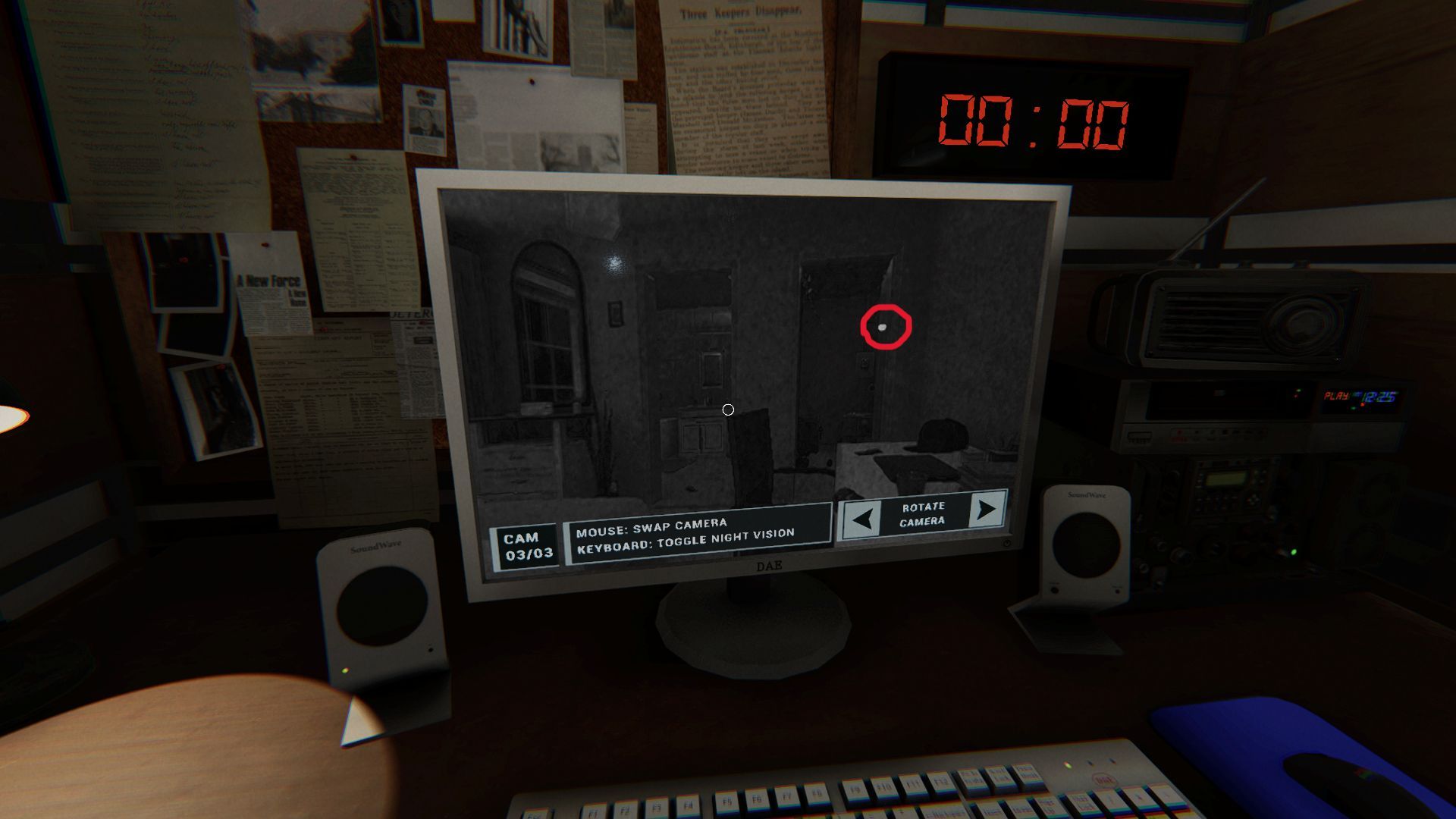
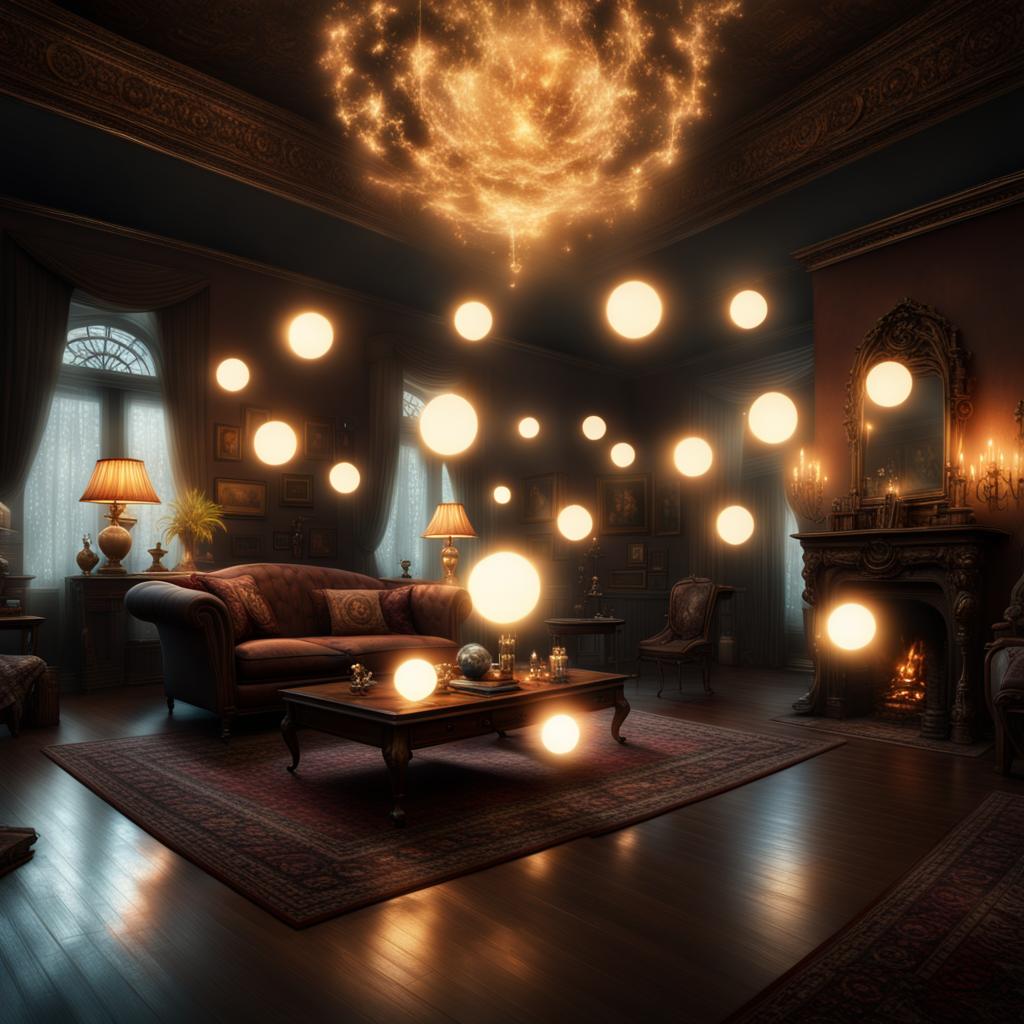
In the context of paranormal research, an orb ghost is defined as a circular, often translucent anomaly captured in photographs or video, traditionally interpreted as a manifestation of spirit energy or a soul. Scientifically, however, these shapes are defined as "backscatter," occurring when light from a flash reflects off airborne particles like dust, moisture, or insects.
Contents
Defining the Orb Ghost: Spiritual and Scientific Perspectives
To understand the orb ghost definition, one must navigate two distinct frameworks: the paranormal and the optical. For researchers in the field of spiritualism and ghost hunting, an orb is considered the simplest form of a spirit manifestation. It is theorized that spirits choose this shape because it requires the least amount of energy to maintain, much like how a drop of water naturally forms a sphere due to surface tension.
Conversely, the scientific community and professional photographers define these anomalies through the lens of physics. The term "orbiculates" is sometimes used to describe these artifacts. This occurs because the camera’s flash is positioned very close to the lens. When a tiny particle of dust or a microscopic water droplet floats just inches in front of the lens, it is illuminated by the flash but remains out of focus. This creates a "circle of confusion," which appears on the sensor as a glowing, semi-transparent disc.
By 2026, the proliferation of high-sensitivity smartphone sensors and LiDAR technology has changed how these orbs are analyzed. Modern software can often distinguish between a three-dimensional light source and a flat photographic artifact, yet the debate between the supernatural and the technical remains a cornerstone of paranormal study.
The Core Characteristics of a Spirit Orb
Proponents of the paranormal theory argue that not all circular anomalies are created equal. To meet the definition of a "true" spirit orb rather than a photographic artifact, researchers often look for specific characteristics that defy standard optical explanations.
Luminosity and Internal Structure
A common defining feature of a purported ghost orb is its internal complexity. While a dust particle typically appears as a flat, uniform, or grainy disc, a spirit orb is often described as having a "nucleus" or a textured surface. Some researchers claim to see "faces" or "fields" within the orb, suggesting it is a contained entity of energy rather than a simple reflection.
Movement Patterns
While dust and moisture are subject to air currents—moving in linear or drifting patterns—spirit orbs are defined by their ability to change direction abruptly. Observers often report orbs that hover, move against the wind, or appear to react to human interaction. In video evidence, an orb that makes a 90-degree turn or accelerates suddenly is frequently cited as a genuine paranormal occurrence.
Self-Illumination
The most significant distinction in the orb ghost definition is the source of light. A photographic orb is reactive; it only appears because a flash or external light source hit a particle. A true spirit orb is theorized to be self-illuminated. In 2026, ghost hunters utilize thermal imaging and full-spectrum cameras to see if these orbs emit their own heat or light frequency independent of the camera’s flash.
Comparing Spirit Orbs and Environmental Artifacts
Distinguishing between a genuine anomaly and an environmental factor is the primary task of any serious investigator. The following table outlines the key differences used to categorize these phenomena.
| Feature | Spirit Orb (Theoretical) | Dust/Environmental (Scientific) |
|---|---|---|
| Light Source | Self-luminous or internal glow | Reflects external flash or light |
| Path of Travel | Intelligent, erratic, or purposeful | Drifting, linear, or following air currents |
| Transparency | Often solid or has a defined center | Usually semi-transparent or "fuzzy" |
| Environmental Context | Occurs in "active" or "haunted" areas | High in dusty, humid, or outdoor areas |
| Size/Scale | Can vary significantly in size | Generally small and uniform in a single shot |
| Frequency | Rare and isolated | Multiple orbs appear simultaneously (the "snow" effect) |
The Role of Technology in Defining Orbs
The history of the orb ghost definition is inextricably linked to the evolution of camera technology. During the era of film photography, orbs were relatively rare. When they did appear, they were often dismissed as "light leaks" or processing errors.
The "orb boom" began with the mass adoption of compact digital cameras in the late 1990s and early 2000s. Because these cameras were designed with the flash situated very close to the lens, the frequency of backscatter increased exponentially. This led to a surge in reported ghost sightings, which in turn forced the paranormal community to tighten its definitions.
As of 2026, high-resolution 8K video and advanced infrared sensors have allowed for more rigorous screening. Many anomalies that were once defined as ghosts are now easily identified as:
- Pollen and Spores: Common in outdoor investigations, particularly in spring.
- Moisture/Micro-droplets: Often seen in damp locations like basements or old tunnels.
- Insects: Small gnats or flies can appear as "streaking orbs" if they move across the frame during a long exposure.
Color Interpretations in Orb Theory
Within the niche of spiritualism, the color of an orb is often used to further define its nature. While there is no scientific basis for these claims, they are a standard part of the paranormal lexicon.
- White or Clear: These are the most common and are generally defined as neutral energy or "trapped" spirits who are not yet aware of their surroundings.
- Blue: Often associated with protection, high spiritual energy, or the presence of a "guide."
- Green: Interpreted by some as a sign of a healing spirit or a connection to nature and the earth.
- Red or Orange: Frequently viewed with caution, these colors are sometimes defined as restless, angry, or warned-against entities, though others interpret them simply as high-energy spirits.
- Black or Grey: These are often defined as "shadow orbs" and are generally associated with negative or low-vibrational energy.
Investigators are cautioned to remember that digital sensors often produce "chromatic aberration" or "lens flare," which can artificially color a white light source based on the angle of the lens.
How to Conduct an Orb Verification
For those looking to capture or define an orb in their own research, a structured verification process is essential. Following these steps helps eliminate common false positives.
- Clean the Environment: Before starting, ensure the area is as dust-free as possible. In outdoor settings, be mindful of wind and humidity levels.
- Lens Maintenance: Use a microfiber cloth to ensure the camera lens is free of smudges, fingerprints, or condensation.
- Multiple Angles: If an orb is captured, try to photograph the same space immediately from a different angle. A spirit orb may remain in the "physical" space, while a dust particle will have moved or disappeared.
- Controlled Lighting: Attempt to capture images without a flash. Using a tripod and a long exposure with ambient or infrared light reduces the chance of creating backscatter.
- Corroborative Evidence: An orb is rarely considered definitive proof on its own. It should be backed by other data, such as EVP (Electronic Voice Phenomena) recordings, temperature drops, or electromagnetic field (EMF) spikes.
Common Mistakes in Identifying Orbs
One of the most frequent errors in understanding the orb ghost definition is "Pareidolia." This is the human tendency to see faces or patterns in random data. Because orbs often have textured surfaces due to the "Airy disk" diffraction pattern of light, the human brain often perceives a face within the circle.
Another mistake is ignoring the "camera strap" factor. In many cases, a blurred, glowing shape in a photo is simply the camera’s own wrist strap or a strand of the photographer's hair dangling in front of the lens and being illuminated by the flash. These are often long and "wispy," leading to definitions of "ectoplasmic mist" when they are merely physical obstructions.
FAQs
What is the most common cause of orbs in photos?
The most common cause is backscatter, which is the reflection of the camera's flash off microscopic particles like dust, water droplets, or small insects. These particles are too close to the lens to be in focus, resulting in a blurred, circular shape.
Can you see ghost orbs with the naked eye?
Most definitions of ghost orbs categorize them as photographic anomalies, but some people report seeing "light flickers" or "floating sparks" with the naked eye. In these cases, they are often referred to as "balls of light" (BOLs) rather than orbs, as orbs are specifically associated with lens-based capture.
Why do orbs only show up in digital photos?
Orbs are more common in digital photos because compact digital cameras have the flash located very close to the lens. This proximity makes it easier for light to bounce off particles directly back into the sensor. However, they can and do appear in film photography, though less frequently.
Do different orb colors mean different things?
In paranormal lore, colors like blue are seen as protective, while red might indicate a warning. However, from a technical standpoint, colors in orbs are usually caused by light refraction through moisture or "chromatic aberration" within the camera lens itself.
Is an orb proof of a haunting?
Within the scientific community, orbs are not considered proof of the supernatural. Within the paranormal community, an orb is generally viewed as "interesting evidence" that requires further corroboration from other tools like EMF meters or audio recorders before a site is defined as haunted.
Practical Recommendation for Investigators
To truly understand the orb ghost definition in your own research, you must adopt a "skeptic-first" approach. Always assume an orb is a dust particle or a reflection until you can prove otherwise through movement analysis, lack of external light sources, or simultaneous sensor readings. By 2026, the standard for evidence has moved beyond the simple photograph; focus your efforts on capturing high-frame-rate video and environmental data to support any visual anomalies you encounter.
Image Gallery