Understanding How Minnesota Workers’ Compensation Settlements Work in 2026
In Minnesota, a workers’ compensation settlement is a voluntary agreement where an injured employee receives a lump-sum payment in exchange for closing out specific portions of their claim. These agreements, usually finalized through a...
In Minnesota, a workers’ compensation settlement is a voluntary agreement where an injured employee receives a lump-sum payment in exchange for closing out specific portions of their claim. These agreements, usually finalized through a "Stipulation for Settlement," require approval by a compensation judge to ensure they are fair and conform to Minnesota Statutes Chapter 176.
Contents
The process of settling a workers' compensation claim in Minnesota is governed by a complex set of statutes designed to balance the needs of the injured worker with the liability concerns of the insurer. Unlike a jury trial for a personal injury case, workers' compensation is a "no-fault" system. This means you do not have to prove your employer did something wrong to receive benefits, but in exchange, the types of compensation you can receive are strictly limited by law. Understanding how these settlements are structured, valued, and approved is essential for any worker navigating the system in 2026.
The Foundation of a Minnesota Workers’ Comp Settlement
A settlement is not a requirement of the law; it is a contract. Neither the insurance company nor the injured worker can force the other to settle. Most settlements in Minnesota occur once the worker has reached Maximum Medical Improvement (MMI). MMI is the point at which a doctor determines that the worker's condition has stabilized and no further significant improvement is expected, even with additional treatment.
Settling before reaching MMI is generally discouraged. If you settle while your medical condition is still volatile, you may inadvertently give up the right to payment for a surgery or treatment that becomes necessary six months later. In 2026, medical costs and rehabilitation services continue to rise, making the timing of a settlement a critical financial decision.
The Two Primary Types of Settlements
When you enter negotiations, you will likely encounter two main frameworks for a settlement:
- Full, Final, and Complete Settlement: This is the most common type. In this scenario, the worker receives a one-time lump sum and, in exchange, gives up all future rights to wage loss benefits, vocational rehabilitation, and, most importantly, medical expenses. Once the judge signs the Award on Stipulation, the case is effectively closed forever.
- Partial Settlement (Medical Remains Open): Many workers choose to settle their claims for wage loss and disability (TTD, TPD, and PPD) but "carve out" or leave open their right to future medical care. This is common for workers who have sustained back or joint injuries that may require future injections, physical therapy, or hardware replacement.
Calculating the Value of Your Claim
The value of a Minnesota workers’ compensation settlement is not based on "pain and suffering," which is a common misconception. Instead, it is a calculation of the potential future benefits the insurance company would likely have to pay if the case remained open.
1. Permanent Partial Disability (PPD)
PPD is a payment for the permanent loss of function of a body part. In Minnesota, this is determined by the Permanent Partial Disability Schedule, which assigns a percentage rating to specific injuries. For example, a total loss of a thumb or a specific level of spinal impairment corresponds to a specific dollar amount. If your doctor assigns a 10% PPD rating to your back, the insurer owes a specific statutory amount based on that percentage.
2. Future Wage Loss Benefits
If your injury prevents you from returning to your high-paying pre-injury job, you may be entitled to Temporary Partial Disability (TPD) or Temporary Total Disability (TTD). When settling, your attorney will project how many more weeks of these benefits you might have received and attempt to secure a portion of that total in a lump sum. In 2026, with the fluctuating labor market in the Twin Cities and greater Minnesota, calculating "earning capacity" is a focal point of these negotiations.
3. Future Medical Expenses
This is often the largest variable. If you are settling your medical rights, the settlement must account for the cost of every prescription, doctor's visit, and potential surgery you might need for the rest of your life related to the work injury.
4. Vocational Rehabilitation
If you cannot return to your previous employer, the insurer is responsible for helping you find new work through a Qualified Rehabilitation Consultant (QRC). The cost of these services can be included in the settlement value.
The Role of the Stipulation for Settlement
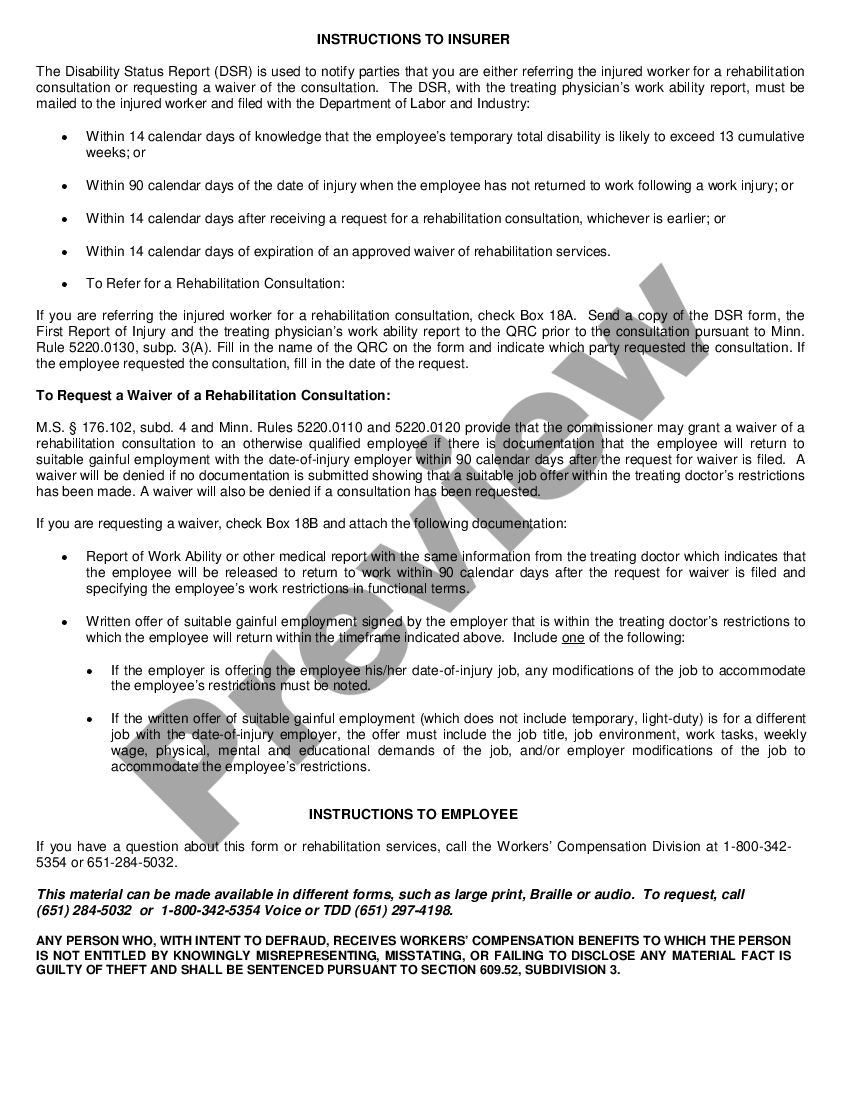
Once the parties agree on a dollar amount, the defense attorney typically drafts a legal document called a Stipulation for Settlement. This is a detailed contract that outlines the history of the injury, the benefits already paid, the disputes between the parties (e.g., whether the injury is permanent), and exactly which rights the worker is giving up.
In Minnesota, these documents are highly scrutinized. If a worker is not represented by an attorney, the Department of Labor and Industry (DLI) or the Office of Administrative Hearings (OAH) will review the document with extreme care to ensure the worker isn't being taken advantage of. Even with an attorney, a compensation judge must review the file and issue an "Award on Stipulation" before any check can be cut.
| Feature | Full, Final, and Complete | Settlement with Medical Open |
|---|---|---|
| Wage Loss Rights | Permanently Closed | Permanently Closed |
| Medical Rights | Permanently Closed | Remains Open (Insurers pay as you go) |
| Rehabilitation Rights | Permanently Closed | Usually Closed |
| Settlement Amount | Higher (Lump sum includes medical buy-out) | Lower (Lump sum only covers disability) |
| Risk Factor | High (You pay for all future care) | Low (Insurer still covers related care) |
| Finality | Absolute | Partial |
Specialized Considerations: MSAs and Third-Party Claims
Settling a Minnesota workers' comp claim in 2026 often involves navigating federal requirements, particularly regarding Medicare.
Medicare Set-Asides (MSA)
If you are currently a Medicare beneficiary or have a "reasonable expectation" of becoming one within 30 months, and you are settling your future medical rights, you must consider Medicare's interests. The parties may need to create a Medicare Set-Aside (MSA) account. This is a portion of the settlement money specifically "set aside" to pay for future injury-related medical care that would otherwise be covered by Medicare. This ensures that the federal government isn't stuck paying for bills that the workers' comp insurer should have covered.
Naig Settlements and Third-Party Liability
Sometimes, a work injury is caused by a third party (for example, a car accident while you were driving for work). In these cases, you might have both a workers' comp claim and a personal injury lawsuit against the other driver. A "Naig" settlement (named after a famous MN court case) allows you to settle your claims against the third party for things not covered by workers' comp (like pain and suffering) while still keeping your workers' comp claim active.
Attorney Fees and Costs in Minnesota
One of the most transparent aspects of the Minnesota system is how attorneys are paid. By statute, attorney fees in workers' compensation cases are typically contingent. In 2026, the standard fee is 20% of the first $225,000 of the settlement, and it is usually withheld from the settlement check and paid directly to the lawyer by the insurer.
This "contingency" model means the worker does not pay hourly fees upfront. If the attorney does not secure a settlement or an award of benefits, they generally do not get paid. This system allows injured workers, who may be struggling financially due to missed work, to access high-quality legal counsel.
The Approval Process at the Office of Administrative Hearings (OAH)
After the Stipulation for Settlement is signed by the employee, the employer, and the insurer, it is submitted to the Minnesota Office of Administrative Hearings. A compensation judge reviews the document. The judge's primary role is to ensure the settlement is "in the best interest of the employee."
If the judge finds the settlement is fair, they will sign the Award on Stipulation. From the date this award is served and filed, the insurance company typically has 30 days to issue the payment. If the payment is late, the insurer may be subject to penalties under Minnesota law.
Common Mistakes to Avoid During Settlement
- Settling Before MMI: As mentioned, settling while you are still recovering can lead to a massive financial shortfall if you eventually need a surgery that wasn't factored into the settlement.
- Failing to Disclose All Affected Body Parts: If you hurt your back and your hip in the same fall, but the settlement only mentions the back, you may lose the right to claim benefits for the hip later.
- Ignoring Social Security Offsets: If you receive Social Security Disability (SSDI), a workers' comp lump sum can cause a "reduction" in your monthly SSDI checks. Skilled attorneys use specific "Hartman" or "Sciarotta" language in the settlement to minimize this offset.
- Underestimating Future Medical Costs: With the inflation of medical services in 2026, a $50,000 medical buyout that seems large today might be exhausted by a single surgery and follow-up physical therapy three years from now.
Frequently Asked Questions
Is my workers’ compensation settlement taxable in Minnesota?
No. Under current tax codes in 2026, workers' compensation settlements are generally exempt from federal and state income tax. This is because they are considered compensation for personal physical injuries rather than earned income.
Can I reopen my claim after I settle?
If you signed a "Full, Final, and Complete" settlement that was approved by a judge, it is nearly impossible to reopen the claim. Minnesota courts only allow this in very rare circumstances involving mutual mistake, newly discovered evidence, or fraud. This is why the "Best Interest" review by the judge is so vital.
How long does the settlement process take?
Once the parties agree on a number, it usually takes 2–4 weeks to draft the documents, another 1–2 weeks for the judge to approve it, and up to 30 days for the check to arrive. Total time from agreement to check in hand is typically 45–75 days.
Do I have to quit my job to settle my claim?
Often, yes. Most insurance companies will require a "voluntary resignation" as a condition of a full and final settlement. They do this to avoid future claims if you were to aggravate the same injury while continuing to work for the same employer.
What happens if the insurance company denies my claim?
You can still settle a denied claim. This is often called a "Stumne" or "TBD" (To Be Determined) settlement. Because the insurer is not admitting liability, these settlements are often for a lower amount than an admitted claim, but they provide the worker with a guaranteed payout rather than risking a total loss at a hearing.
Practical Next Steps for Injured Workers
If you are considering a settlement in Minnesota, your first step should be to request a current medical report from your primary treating physician regarding your MMI status and any permanent restrictions. Once you have a clear picture of your medical future, you can compare that against the statutory benefits available under Minnesota Statutes Chapter 176.
Before signing any Stipulation for Settlement, it is highly recommended to consult with a qualified workers' compensation attorney. They can provide a "valuation" of your claim by calculating potential future wage loss and medical exposures, ensuring that the insurance company's offer is grounded in the reality of your long-term needs.
Image Gallery