Who is Dying From Coronavirus in 2026? Demographic and Health Risk Factors
In 2026, coronavirus fatalities primarily occur among individuals over 75, the severely immunocompromised, and those with multiple untreated comorbidities like heart disease or advanced diabetes. While widespread vaccination has lowere...
In 2026, coronavirus fatalities primarily occur among individuals over 75, the severely immunocompromised, and those with multiple untreated comorbidities like heart disease or advanced diabetes. While widespread vaccination has lowered the overall mortality rate, waning immunity and lack of timely access to antiviral treatments remain significant factors for high-risk populations.
Contents
As we navigate the endemic phase of COVID-19 in 2026, the profile of those succumbing to the virus has shifted from the broad-based mortality seen in 2020 to a more specific, predictable demographic. The virus, primarily through its various evolved subvariants, continues to exploit vulnerabilities in the human immune system, particularly where "hybrid immunity"—a combination of vaccination and prior infection—has begun to fade. Understanding who remains at risk is essential for personal health management and public health policy.
The Dominant Factor: Advanced Age and Immunosenescence
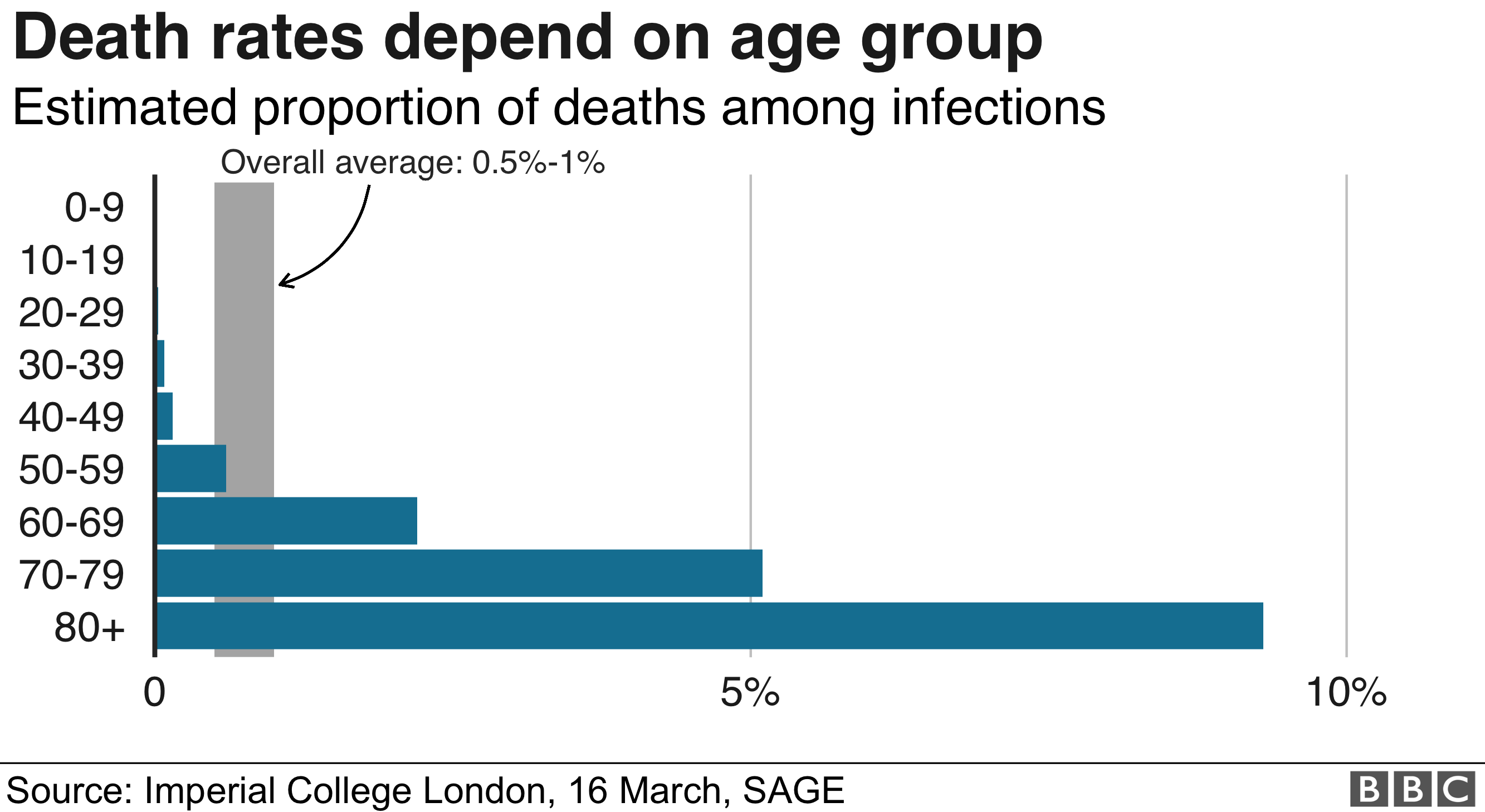
Age remains the single most significant predictor of mortality from coronavirus. Even with the availability of updated 2025-2026 seasonal boosters, the biological reality of aging presents a hurdle that medicine has yet to fully overcome. This phenomenon is known as immunosenescence, the gradual deterioration of the immune system as humans age.
For those aged 85 and older, the risk of death is hundreds of times higher than for young adults. In this age bracket, the body’s "naive" T-cells, which are responsible for recognizing new viral threats, are in short supply. Furthermore, the inflammatory response in older adults tends to be more erratic. When an elderly patient contracts the virus, their body may produce a "cytokine storm"—an overproduction of immune cells that attacks the lungs and other organs—even if the viral load itself is relatively low.
The risk is not distributed equally across all elderly individuals. Frailty, a clinical syndrome characterized by decreased reserve and resistance to stressors, plays a massive role. In 2026, data suggests that an 80-year-old with high physical mobility and a robust nutritional status has a significantly better survival outlook than a 70-year-old with advanced frailty or sedentary lifestyle complications.
The Role of Comorbidities in 2026
While age is the primary factor, underlying health conditions—comorbidities—frequently act as the catalyst for fatal outcomes. In 2026, the medical community focuses on several key conditions that significantly increase the risk of severe COVID-19.
Chronic Cardiovascular and Respiratory Diseases
Heart disease and chronic obstructive pulmonary disease (COPD) remain the top contributors to coronavirus deaths. SARS-CoV-2 is not merely a respiratory virus; it is a vascular one. It attacks the endothelial lining of blood vessels. For a patient with existing hypertension or coronary artery disease, this vascular stress can lead to heart attacks or strokes during the acute phase of the infection.
Obesity and Metabolic Syndrome
Obesity remains a critical risk factor due to its relationship with chronic inflammation. Adipose tissue (body fat) expresses high levels of ACE2 receptors, which the virus uses as an entry point. In patients with a high Body Mass Index (BMI), the virus can linger longer in the body, and the physical weight on the chest can complicate the mechanical process of breathing, leading to faster progression toward Acute Respiratory Distress Syndrome (ARDS).
Type 2 Diabetes and Glycemic Control
Diabetes impairs the immune response and slows down the healing process. In 2026, research indicates that it is not just the presence of diabetes, but the uncontrolled nature of blood glucose that predicts death. Patients who maintain a stable A1C level show significantly higher survival rates than those with fluctuating or high glucose levels when they enter the hospital.
The Immunocompromised Population
A distinct group that continues to face high mortality rates consists of the immunocompromised. This includes cancer patients undergoing active chemotherapy, organ transplant recipients on immunosuppressant drugs, and individuals with advanced HIV.
For these individuals, the standard vaccination protocols often fail to elicit a sufficient antibody response. While the general population in 2026 relies on their immune "memory," immunocompromised patients may never develop that memory. Consequently, they remain vulnerable to severe disease regardless of how many booster shots they have received. In many fatal cases within this group, the virus is able to replicate unchecked for weeks, leading to multi-organ failure.
The use of prophylactic monoclonal antibodies and early-intervention antivirals like Paxlovid has decreased deaths in this group, but access and timing remain barriers. If treatment is not started within the first 48 to 72 hours of symptom onset, the mortality risk for an immunocompromised person remains disproportionately high.
Vaccination Status and Waning Immunity
In 2026, the definition of "unvaccinated" has evolved. While very few people have never received a single dose, many are considered "under-vaccinated"—meaning they have not received an updated booster in over 12 months.
Mortality in 2026 is increasingly seen in individuals who rely on "old" immunity. The virus has continued to drift genetically, and the antibodies generated by 2021 or 2022 vaccines are largely ineffective at preventing infection or severe disease from 2026 variants.
| Risk Group | Primary Mortality Driver | 2026 Status/Context | Relative Risk |
|---|---|---|---|
| Seniors (80+) | Immunosenescence & Frailty | Highest risk group; requires frequent boosting. | Extreme |
| Immunocompromised | Poor vaccine response | Reliant on early antiviral intervention. | High |
| Under-vaccinated | Waning antibody levels | Those without 2025-2026 seasonal updates. | Moderate |
| Chronic Lung Disease | Respiratory failure (ARDS) | Vulnerable to even mild viral loads. | Moderate |
| Healthy Young Adults | Genetic predisposition (Rare) | Extremely low mortality in 2026. | Minimal |
Socioeconomic and Healthcare Access Disparities
Geography and socioeconomic status continue to influence who dies from coronavirus. In 2026, a significant portion of deaths occur in rural areas or marginalized communities where access to modern healthcare facilities is limited.
The primary issue is the "treatment gap." While the virus is manageable for many, those who live far from a hospital or who lack health insurance often delay seeking care. By the time a high-risk individual seeks medical attention for breathing difficulties, the window for effective antiviral treatment has usually closed. Furthermore, "Long COVID" complications can weaken the cardiovascular systems of marginalized populations over time, making them more susceptible to a secondary or tertiary reinfection.
Why Healthy, Vaccinated People Rarely Die in 2026
It is important to emphasize that for the vast majority of the population—young, middle-aged, and healthy older adults who are up-to-date on their vaccinations—coronavirus is no longer a leading cause of death. The combination of evolved cellular immunity (T-cells and B-cells) and the decreased virulence of current circulating strains has turned COVID-19 into a manageable risk for the general public.
Most deaths in 2026 are the result of a "perfect storm": a vulnerable host (elderly or sick), a lack of recent immunological priming (no recent booster), and a delay in medical intervention (no antivirals). When these three factors align, the virus remains lethal.
Frequently Asked Questions
Are children still at risk of dying from coronavirus in 2026? The risk for children remains exceptionally low. Fatalities in pediatric populations are almost exclusively limited to children with severe underlying conditions, such as congenital heart defects or profound neurological impairments. For the healthy pediatric population, the virus typically manifests as a mild respiratory infection.
Does having "Long COVID" increase the risk of dying from a new infection? Evidence in 2026 suggests that Long COVID can indirectly increase mortality risk by placing chronic stress on the heart and lungs. If an individual with existing Long COVID-related cardiovascular strain contracts a new variant, their body has less "reserve" to fight off the acute inflammation, potentially leading to more severe outcomes.
How effective are the 2026 antivirals at preventing death? Antivirals like Paxlovid and newer 2026-gen protease inhibitors are highly effective, reducing the risk of death by over 80% in high-risk groups. However, their efficacy is strictly time-dependent; they must be administered very early in the infection cycle to stop viral replication before organ damage begins.
Can you still die from coronavirus if you have been boosted recently? While a recent booster significantly reduces the risk, it does not eliminate it for the most vulnerable. For someone who is 90 years old or has a failing immune system, the vaccine may provide enough protection to prevent death, but it is not a 100% guarantee. In these cases, the vaccine is one layer of a multi-layered defense that includes masking in high-risk settings and rapid testing.
Is the mortality rate in 2026 higher or lower than the flu? In 2026, the mortality rate for coronavirus has stabilized and is comparable to a severe influenza season. However, because coronavirus is more contagious and can spread year-round rather than just in winter, the total number of annual deaths can still exceed those of the flu in certain regions.
Recommended Next Steps: To minimize risk in 2026, individuals in high-risk categories should ensure they receive the annual seasonal COVID-19 booster, similar to the flu shot. Additionally, having a "test-to-treat" plan—knowing exactly where to get antivirals immediately upon a positive test—is the most effective way to prevent a severe infection from becoming fatal. Consult with a healthcare provider to assess your specific risk profile and ensure your underlying conditions are well-managed.
Medical Disclaimer: This article is for informational purposes and does not constitute medical advice. Always seek the advice of a physician or other qualified health provider with any questions regarding a medical condition.
Image Gallery