Understanding Life Insurance Claim Requirements in the State of Texas
When a loved one passes away, navigating the financial aftermath can be overwhelming, particularly regarding life insurance proceeds. In the state of Texas, you are not legally required by the government to file a claim; however, life...
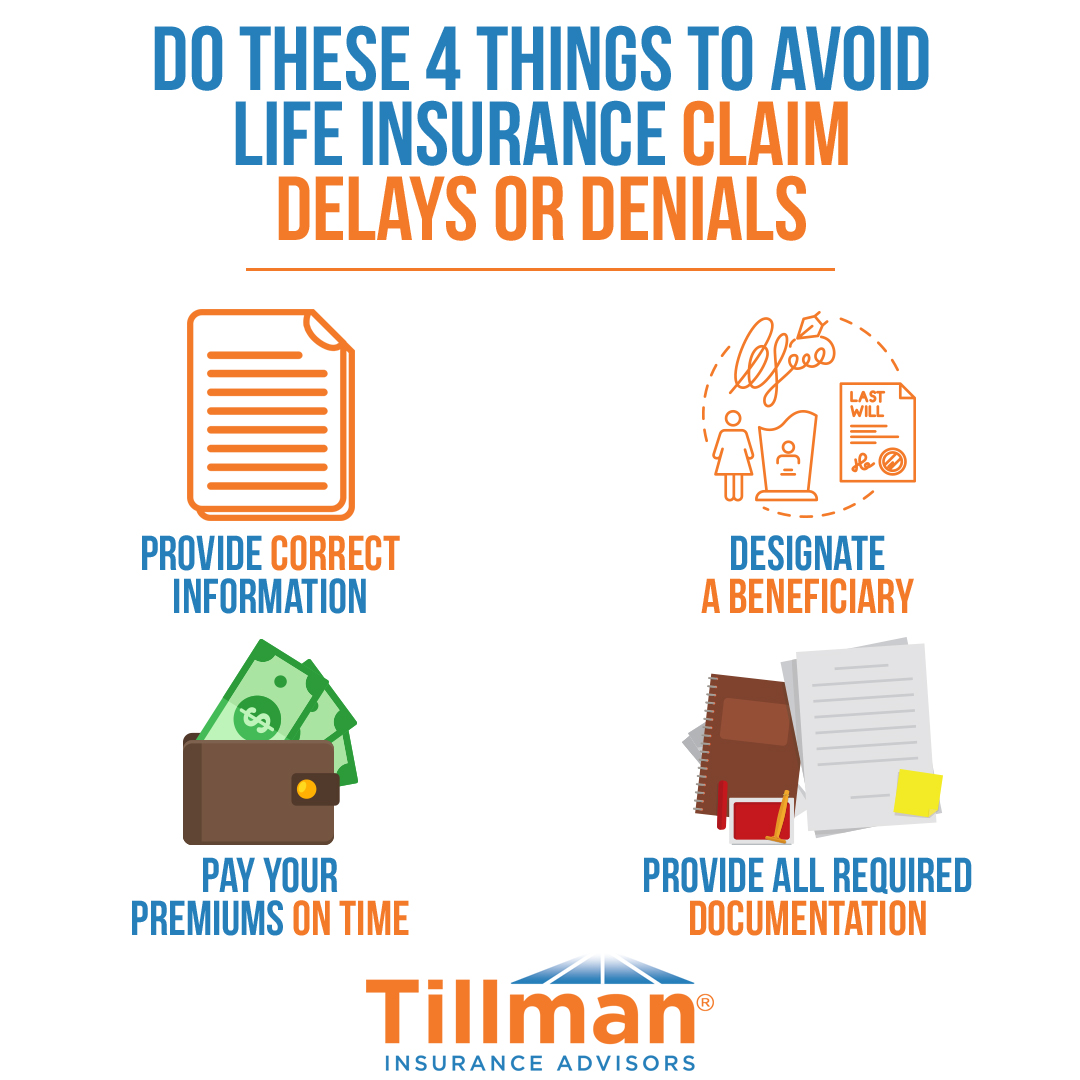
When a loved one passes away, navigating the financial aftermath can be overwhelming, particularly regarding life insurance proceeds. In the state of Texas, you are not legally required by the government to file a claim; however, life insurance companies do not automatically disburse funds upon a policyholder's death. The responsibility to initiate the process, provide necessary documentation, and officially request the payout falls entirely on the designated beneficiary.
Contents
The Role of the Beneficiary in Texas
In Texas, life insurance is a contractual agreement between the policyholder and the insurance company. The state’s insurance laws, overseen by the Texas Department of Insurance (TDI), regulate how insurers must operate, but they do not mandate that survivors "claim" money in a legal sense of compulsion. Instead, the contract specifies that the insurer must pay the death benefit once proof of death and the policy terms are verified.
If you are the named beneficiary, you are the only person empowered to start this process. The insurance company has no legal obligation to track down beneficiaries or initiate contact until they have been formally notified of the policyholder's death. Consequently, if you do not submit a claim, the death benefit will remain with the insurer indefinitely, potentially eventually being turned over to the state as "unclaimed property."
Why You Must Actively Initiate the Process
Life insurance companies are not typically aware of a policyholder's death unless they receive formal notification. While some companies may periodically check the Social Security Administration’s Death Master File, this is not a universal guarantee of discovery.
As a beneficiary, you must take the lead. This involves:
- Locating the Policy: Finding the physical or digital documentation of the policy.
- Contacting the Carrier: Notifying the insurer of the death to trigger their internal claims department.
- Providing Proof of Death: Supplying a certified copy of the death certificate, which acts as the official evidence required to unlock the policy.
Failure to act can lead to complications. If a beneficiary does not come forward, the insurance company may eventually be required by law to transfer the funds to the Texas Comptroller of Public Accounts as unclaimed property. While you can reclaim assets from the state, it is a far more cumbersome process than dealing directly with the insurance provider.
Essential Steps to Filing a Claim in Texas
To ensure a smooth payout process, follow these established administrative steps. Note that while procedures vary slightly between companies, the core requirements remain consistent under Texas law.
1. Obtain Multiple Certified Death Certificates
Always request more copies than you think you need. Funeral directors can usually assist in securing these. Insurance companies, financial institutions, and government agencies all require certified copies—not photocopies—to process their respective requirements.
2. Contact the Insurance Company
Reach out to the insurer’s claims department. You will need the policy number and the deceased’s Social Security number. If you cannot find the policy number, the insurer can often search for a policy using the deceased's name, birth date, and Social Security number.
3. Complete the Claimant’s Statement
The insurer will provide a specific "Claimant’s Statement" form. This document requires you to provide your contact information, your relationship to the deceased, and your election of how you wish to receive the funds (e.g., a lump sum, monthly installments, or a retained asset account).
4. Submit Supporting Documents
Beyond the death certificate, the company may ask for other documentation depending on the circumstances of the death or the age of the policy. Common requirements include:
- Original Policy Document: If available, this helps expedite verification.
- Police or Medical Examiner Reports: Required if the death occurred due to an accident or was sudden/unexplained.
- Proof of Identity: As the beneficiary, you must prove you are the legal recipient named on the policy.
Comparison of Claim Processes and Considerations
| Factor | Requirement | Impact of Delay |
|---|---|---|
| Notification | Beneficiary must contact insurer | Potential loss of contact with active policy |
| Documentation | Certified death certificate required | Claims processing cannot begin |
| Claim Submission | Required to receive funds | Funds may be sent to state unclaimed property |
| Verification | Insurer reviews policy terms | Delays in payment if info is inconsistent |
Addressing Challenges and Common Hurdles
The process is usually straightforward, but Texas policyholders occasionally encounter obstacles that require extra attention.
Contested Claims: If an insurance company suspects fraud or believes the policyholder made material misrepresentations on the initial application, they may launch an investigation. In Texas, the "contestability period"—usually the first two years of a policy—allows the insurer to investigate if the information provided at the time of purchase was inaccurate.
Missing Policies: If you believe a policy exists but cannot find it, you can use the National Association of Insurance Commissioners (NAIC) Life Insurance Policy Locator Service. This tool helps match beneficiaries with unclaimed life insurance policies across the United States, including those issued by Texas-based insurers.
Delays in Processing: Under Texas law, insurance companies are required to pay legitimate claims in a timely manner. If a company experiences excessive delays without a reasonable justification, the Texas Department of Insurance can intervene. Always document the dates of your communications and the names of the representatives you speak with at the insurance company.
Understanding Tax Implications
While you are not "required" by the state to claim the money in a regulatory sense, it is important to understand the financial consequences of doing so. In the vast majority of cases, life insurance proceeds are not considered taxable income for the beneficiary under federal tax law. However, if you choose to receive the money in installments rather than a lump sum, the interest earned on those payments might be taxable. Always consult with a tax professional or a certified financial planner to understand your specific tax obligations before selecting a payment method.
Frequently Asked Questions
What happens if I never claim the life insurance? If you fail to claim the benefits, the insurance company will eventually be legally obligated to report the funds as unclaimed property. They will transfer these assets to the Texas Comptroller of Public Accounts. You can then search for and claim these funds through the state’s official "Claim It Texas" website.
Do I need an attorney to claim life insurance? In most cases, no. If the policy is clear, the beneficiary is correctly named, and the death is not contested, you should be able to process the claim yourself. Legal counsel is only recommended if the insurance company denies the claim, if there is a dispute between multiple potential beneficiaries, or if the estate is involved in complex probate litigation.
Is there a deadline to file a claim in Texas? While there is no specific "statute of limitations" on filing a claim, waiting too long can make the process significantly more difficult. Records may be archived or destroyed, and the money may be transferred to the state as unclaimed property. It is best to file the claim as soon as you have obtained the death certificate.
What if the deceased had a policy from a defunct insurance company? If the company that issued the policy no longer exists, it was likely acquired or merged into another firm. You can contact the Texas Department of Insurance to help identify the successor company that assumed the liabilities of the original insurer.
Are life insurance proceeds part of the estate? Generally, no. If you are named as the specific beneficiary on the policy, the death benefit bypasses the probate process and goes directly to you. However, if the "estate" is named as the beneficiary, or if there is no named beneficiary, the proceeds will become part of the probate estate and will be distributed according to the deceased’s will or Texas state law.
Final Recommendations and Next Actions
If you are currently holding a life insurance policy or are the beneficiary of one, start by creating a dedicated folder for all documentation. Verify the contact information for the insurance carrier listed on the policy documents. Do not wait for the company to reach out to you; their records may be outdated, and they have no proactive duty to locate you.
If you are unsure where to begin, request a certified death certificate immediately, as this is the foundational document for all insurance actions. Should you encounter a dispute or an unreasonable delay from the insurer, you can file a formal complaint with the Texas Department of Insurance to seek assistance in resolving the matter. Taking proactive steps ensures that the financial security intended for you by the policyholder is protected and secured in a timely manner.
Image Gallery