The History and Legacy of the Armenian Youth Federation
The Armenian Youth Federation (AYF), founded in 1933, is the oldest and most influential youth organization in the Armenian diaspora. Established by General Karekin Njdeh, its mission is to preserve Armenian culture, promote political...
The Armenian Youth Federation (AYF), founded in 1933, is the oldest and most influential youth organization in the Armenian diaspora. Established by General Karekin Njdeh, its mission is to preserve Armenian culture, promote political advocacy for the Armenian Cause (Hai Tahd), and foster a commitment to a free, independent, and united Armenia.
Contents
The Foundations of the Armenian Youth Federation (1933)
The origin of the Armenian Youth Federation is inextricably linked to the aftermath of the Armenian Genocide and the subsequent fall of the first Republic of Armenia in 1920. Following these cataclysmic events, the Armenian Revolutionary Federation (ARF) sought to organize the youth in the diaspora to prevent assimilation and maintain the quest for national liberation.
In 1933, the ARF dispatched General Karekin Njdeh, a celebrated military commander and philosopher, to the United States. Njdeh’s primary objective was to galvanize the children of the genocide survivors. He traveled across the United States, visiting Armenian communities and preaching a philosophy he called Tzeghagron (devotion to the race/nation). This ideology emphasized national pride, self-reliance, and the duty of every Armenian to serve their people.
On January 14, 1933, in Boston, Massachusetts, Njdeh formally established the Armenian Youth Federation of America. The first convention was held in 1934, setting the stage for a structured, disciplined organization that would eventually expand globally. Originally known as the ARF Youth, the organization eventually adopted the name Armenian Youth Federation (AYF) and, in the Eastern United States, the Armenian Youth Federation-Youth Organization of the Armenian Revolutionary Federation (AYF-YOARF).
The Five Pillars: The AYF’s Strategic Framework
To achieve its goals, the AYF structured its activities around five core pillars. These pillars have remained constant for nearly a century, providing a roadmap for the development of "Ungers" (members/comrades).
- Educational: Members engage in deep study of Armenian history, the Armenian language, and current political affairs. This ensures that the youth are not only culturally aware but intellectually equipped to defend Armenian interests.
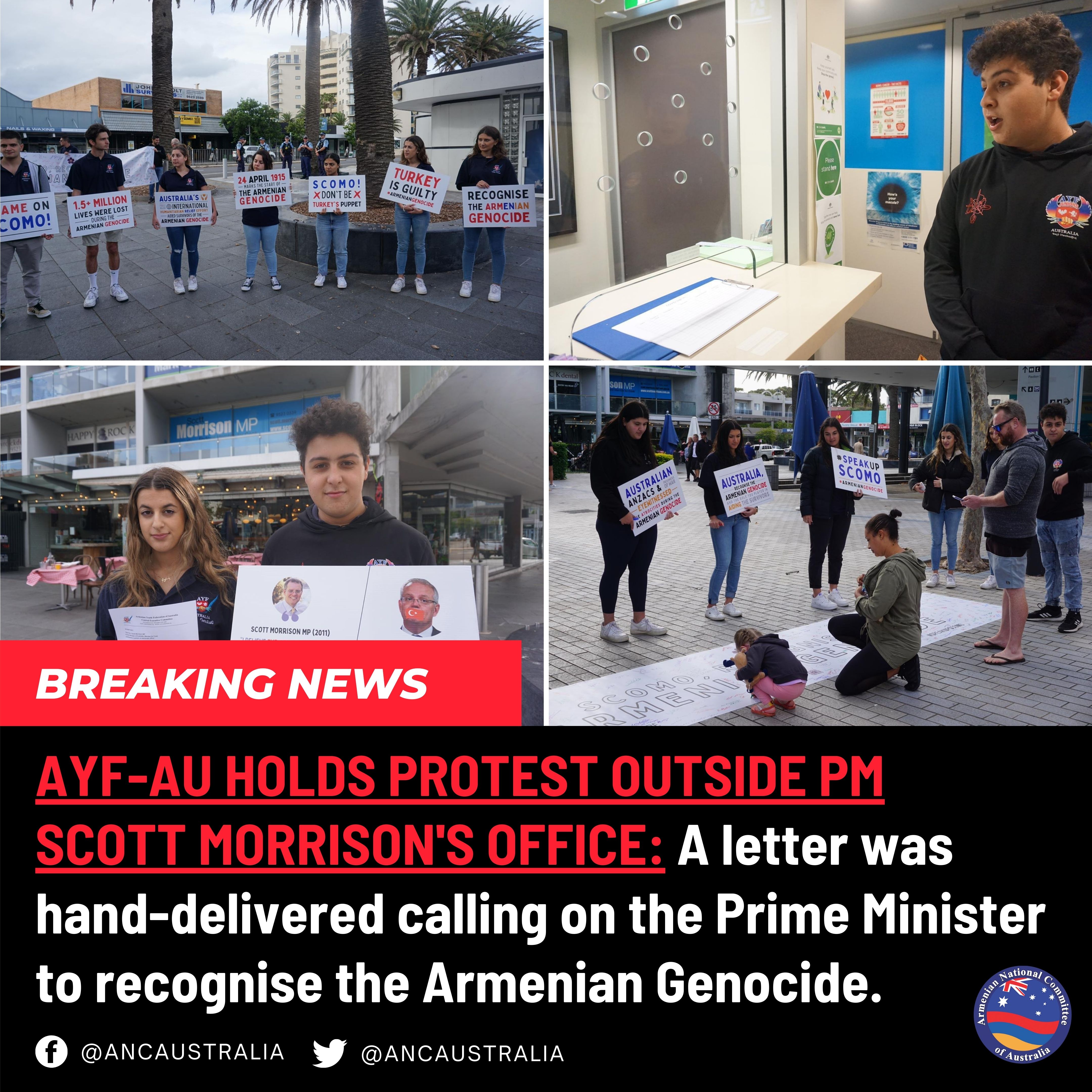
- Political: The AYF serves as a grassroots engine for the Armenian Cause. This includes advocating for the international recognition of the Armenian Genocide and supporting the self-determination of the people of Artsakh (Nagorno-Karabakh).
- Cultural: Preservation of traditions through dance, music, art, and literature is central to the AYF experience. Cultural events provide a space where the Armenian identity is celebrated and passed to the next generation.
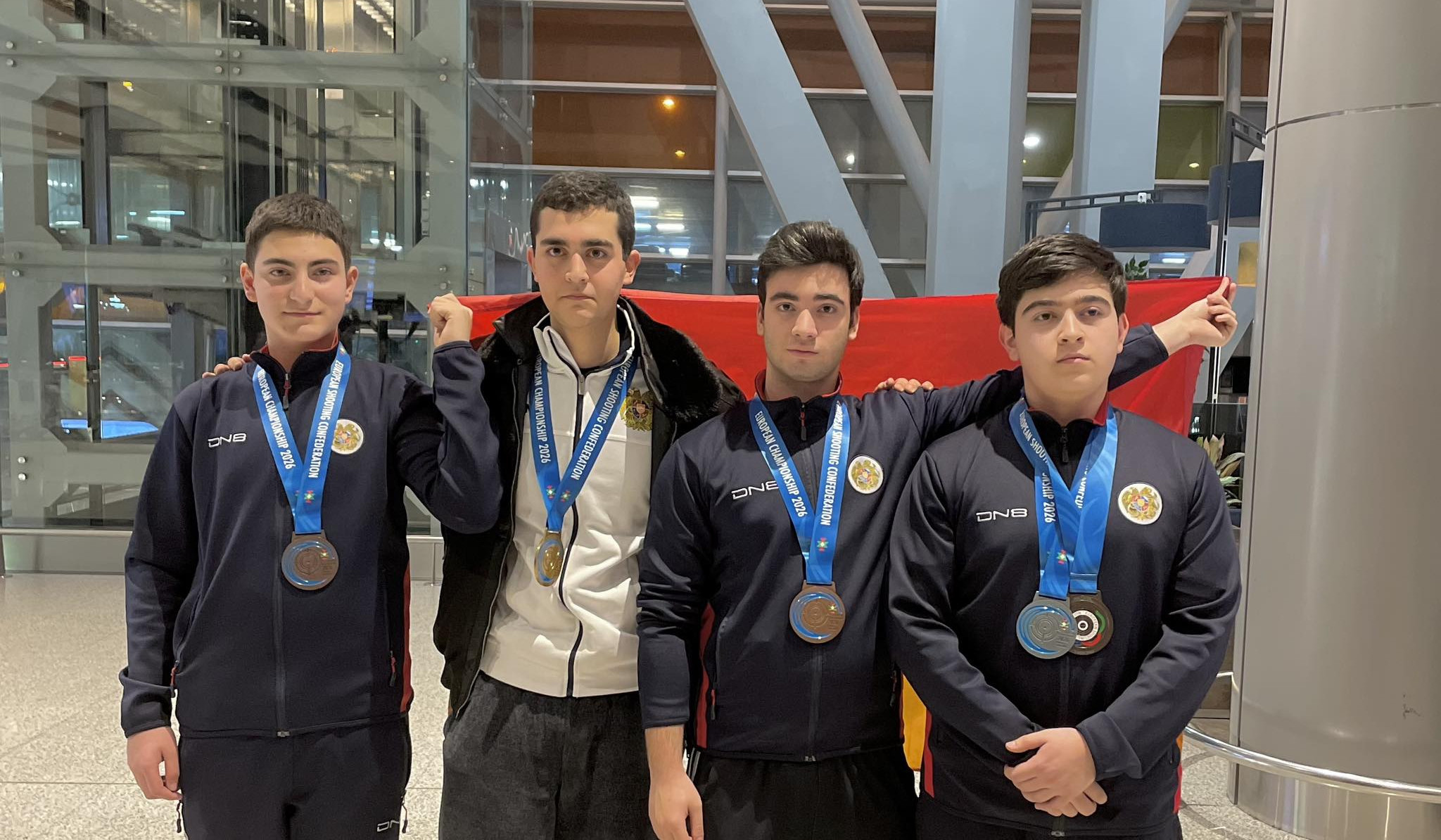
- Athletic: Athletics are viewed as a means of fostering discipline, teamwork, and physical fitness. The AYF Olympics, held annually since 1934, is the cornerstone of this pillar.
- Social: By creating a tight-knit community, the AYF provides a support system for Armenian youth, ensuring that their social lives are rooted in their heritage.
The Institutionalization of the AYF (1940s–1960s)
Following its inception, the AYF transitioned from a fledgling movement into a robust institution. During the 1940s and 1950s, the organization focused on building infrastructure that would sustain its mission for decades.
The AYF Olympics
The first AYF Olympic Games took place in 1934 in Brockton, Massachusetts. What began as a small track and field meet evolved into a massive multi-sport event that attracts thousands of participants and spectators every Labor Day weekend. As of 2026, the AYF Olympics remains the largest athletic gathering in the Armenian diaspora, serving as both a competitive arena and a massive social reunion for families across North America.
Camp Haiastan
In 1951, the AYF established Camp Haiastan in Franklin, Massachusetts. This was a landmark achievement, providing the first permanent summer camp for Armenian youth in the United States. The camp was designed to immerse children in Armenian culture, language, and communal living. It became the blueprint for numerous other Armenian camps globally, emphasizing that the survival of the diaspora depended on the formative experiences of its children.
Political Activism and the Cold War Era
During the Cold War, the AYF’s political stance was defined by its opposition to the Soviet occupation of Armenia. While some segments of the diaspora accepted the Soviet Armenian state, the AYF and its parent organization, the ARF, maintained that Armenia must be truly independent. This period was marked by significant internal community tensions, but it also solidified the AYF’s role as a staunch defender of the Armenian tricolor flag (Red, Blue, Orange) at a time when it was banned in the homeland.
In the 1960s and 1970s, as the 50th anniversary of the Armenian Genocide approached, the AYF shifted its focus toward global awareness and justice. The organization played a pivotal role in the "wake-up call" of the Armenian people, moving from a period of mourning to a period of active demand for reparations and recognition.
Response to National Crises (1988–1994)
The late 20th century presented the AYF with its most significant challenges since its founding. Three major events reshaped the organization’s trajectory:
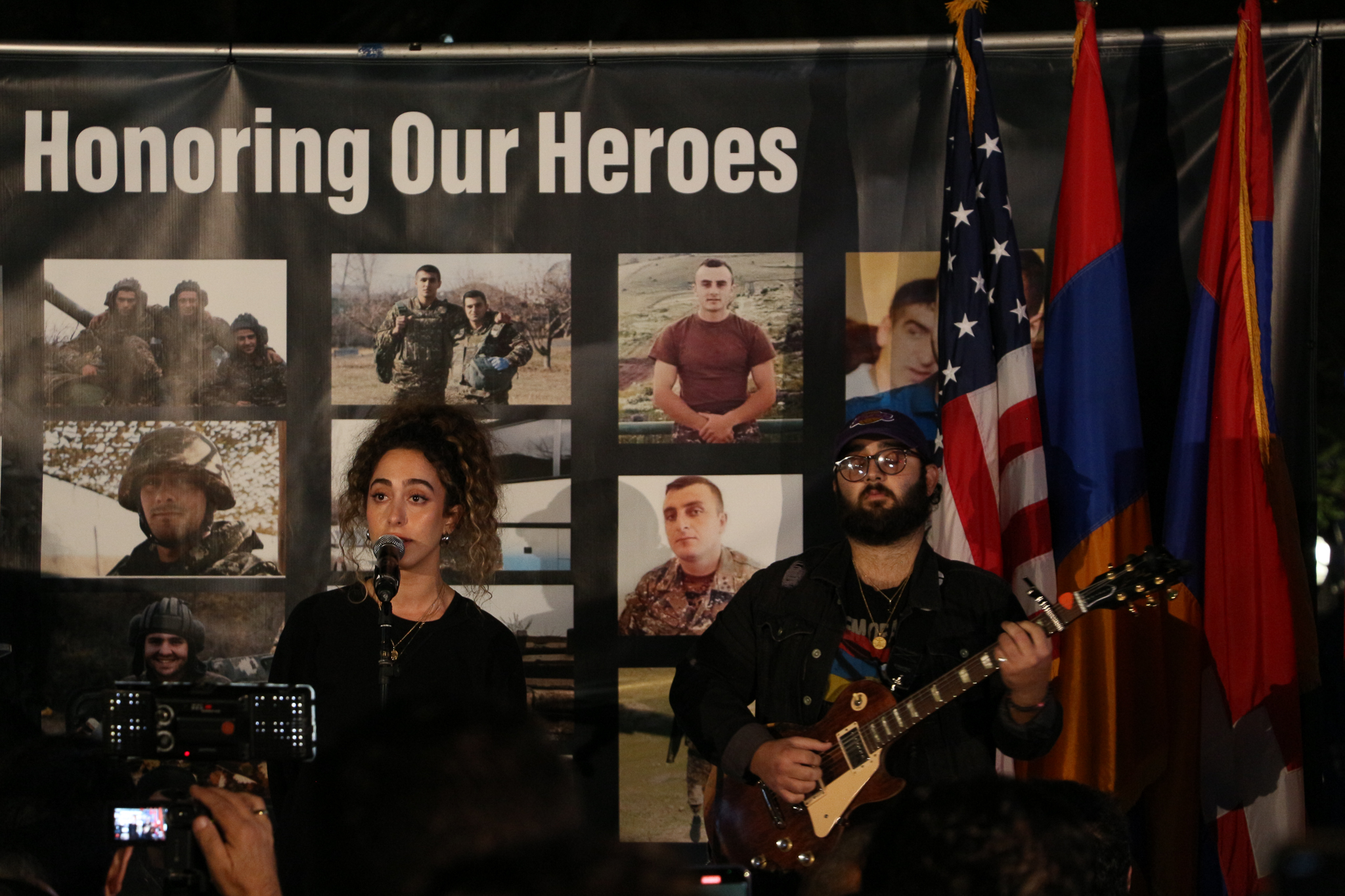
- The 1988 Spitak Earthquake: The AYF mobilized immediately, raising funds and sending volunteers to the disaster zone to assist in relief efforts.
- The Independence of Armenia (1991): With the fall of the Soviet Union, the AYF’s dream of a free Armenia became a reality. The organization pivoted from advocating for independence to supporting the state-building process.
- The First Artsakh War: The AYF played a crucial role in providing humanitarian aid and political support for the Armenians of Nagorno-Karabakh as they fought for their right to live on their ancestral lands.
During this period, the AYF established the "AYF Youth Corps," a program that sends diaspora youth to Armenia and Artsakh to run summer camps for underprivileged children. This program bridges the gap between the diaspora and the homeland, fostering direct connections between youth in both spheres.
Historical Milestones and Development
| Era | Key Focus | Notable Achievement |
|---|---|---|
| 1930s | Foundation & Identity | Establishment by Karekin Njdeh; first AYF Olympics (1934). |
| 1950s | Institutional Growth | Opening of Camp Haiastan (1951); expansion of Junior chapters. |
| 1970s | Political Advocacy | Rise of the "Hai Tahd" movement and genocide recognition efforts. |
| 1990s | Homeland Connection | Mobilization for Artsakh; launch of the AYF Youth Corps program. |
| 2020s | Modern Crisis Management | Humanitarian response to the 2020 and 2023 Artsakh conflicts. |
The AYF in the 21st Century (Current Status 2026)
As of 2026, the Armenian Youth Federation continues to adapt to a rapidly changing geopolitical landscape. The total ethnic cleansing of Artsakh in 2023 marked a tragic turning point in Armenian history, and the AYF has been at the forefront of the response. The organization’s current efforts are focused on the "Right to Return" for the people of Artsakh and ensuring the security of the Republic of Armenia's remaining borders.
The AYF’s organizational structure now includes a sophisticated digital advocacy arm. Utilizing social media and modern campaigning tools, the AYF collaborates closely with the Armenian National Committee of America (ANCA) to influence foreign policy and combat anti-Armenian aggression. Despite the challenges of the modern era, the membership remains robust, with chapters operating across North America, Europe, the Middle East, and Australia.
Structural Organization: Juniors and Seniors
The AYF is divided into two main categories to ensure age-appropriate programming:
- AYF Juniors (Ages 8–16): The Junior organization focuses on the fundamentals of Armenian identity. Through local chapter meetings, they learn history, folk songs, and community leadership. The goal is to prepare them for the responsibilities of Senior membership.
- AYF Seniors (Ages 17–28): The Senior organization is the executive and activist arm. Seniors manage their own local chapters, organize regional events, and lead political demonstrations. The Senior level emphasizes organizational management, public speaking, and political strategy.
This tiered system ensures a continuous leadership pipeline, where older members mentor the younger generation, preserving the organizational memory and mission.
Frequently Asked Questions
Who was Karekin Njdeh and why did he found the AYF?
General Karekin Njdeh was a military strategist and a key figure in the defense of the Armenian province of Syunik. He founded the AYF in 1933 to organize the youth of the diaspora, fearing that without a structured movement, the children of genocide survivors would lose their identity and the motivation to fight for a free Armenia.
How is the AYF related to the Armenian Revolutionary Federation (ARF)?
The AYF is the official youth wing of the ARF (Dashnaktsutyun). While the AYF operates with its own elected leadership and local autonomy, it shares the ideological goals of the ARF, specifically regarding the Armenian Cause and national sovereignty.
Can non-Armenians join the AYF?
Membership is generally reserved for those of Armenian descent or those who are part of the Armenian community through marriage or other deep ties, as the organization's primary focus is the preservation of Armenian heritage and identity. However, many AYF events are open to the public to foster broader awareness of Armenian issues.
What is the significance of the AYF Olympics?
The AYF Olympics is more than a sports competition; it is a vital social and cultural institution. It allows Armenian youth from different cities and states to build lifelong friendships, reinforcing the communal bonds that prevent assimilation in the diaspora.
What are the AYF's current priorities in 2026?
The current priorities include providing aid to displaced families from Artsakh, advocating for international sanctions against those responsible for ethnic cleansing, and strengthening the "Youth Corps" programs to ensure diaspora youth remain connected to the Republic of Armenia.
Practical Next Actions for Potential Members or Supporters
For those interested in the Armenian Youth Federation, the following steps are recommended:
- Locate a Chapter: Visit the official regional websites (such as ayf.org for the Eastern U.S. or ayfwest.org for the Western U.S.) to find the nearest local chapter.
- Attend an Educational: Most chapters host open educational nights where guests can learn about specific historical or political topics.
- Support Advocacy Efforts: If you are over the age of membership, you can support the AYF’s mission by donating to the AYF Legacy Fund or participating in ANCA-led advocacy campaigns.
- Volunteer for Youth Corps: Eligible seniors (ages 18+) should consider applying for the summer internship programs in Armenia to gain firsthand experience in the homeland.
Image Gallery