How to See Your Blind Spot: Practical Techniques for Safer Driving
To effectively see your blind spot, you must correctly adjust your side-view mirrors to overlap minimally with your rearview mirror while physically turning your head to verify the area before changing lanes. Relying solely on mirror r...
To effectively see your blind spot, you must correctly adjust your side-view mirrors to overlap minimally with your rearview mirror while physically turning your head to verify the area before changing lanes. Relying solely on mirror reflections is insufficient due to the inherent optical limitations of standard convex and flat automotive mirrors.
Contents
The Science of Vehicle Blind Spots
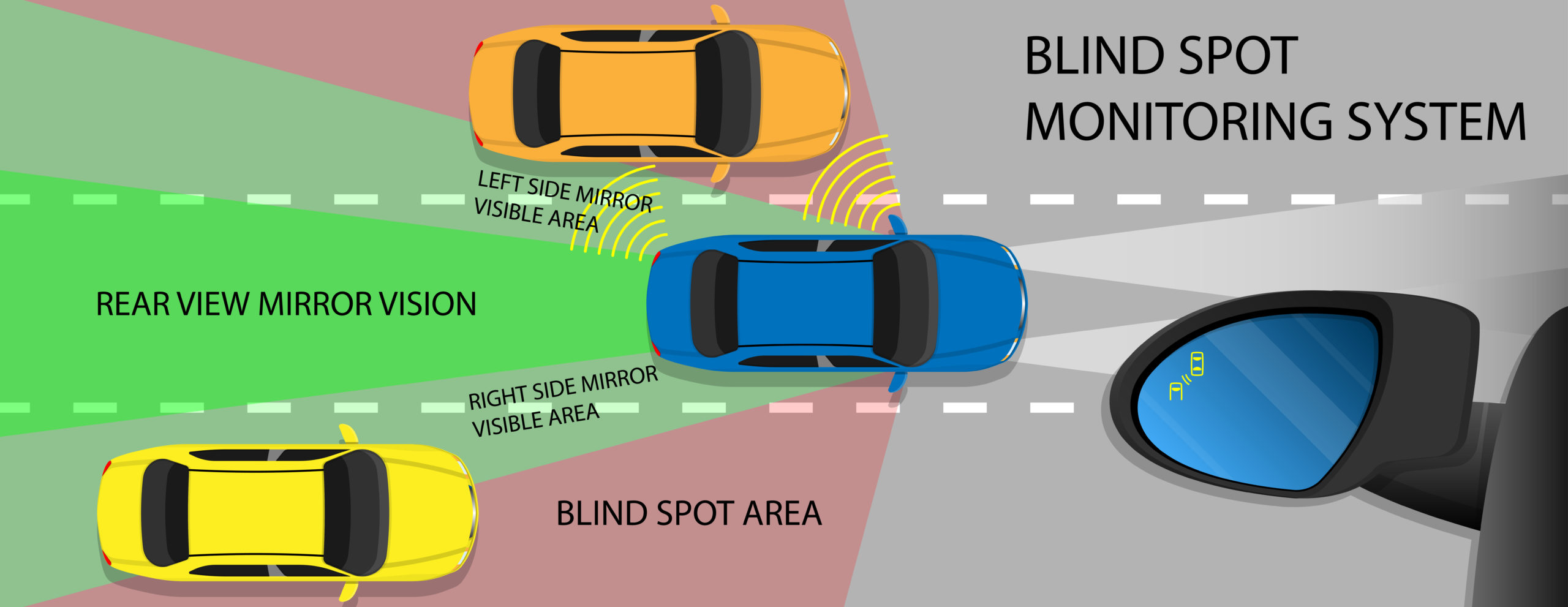
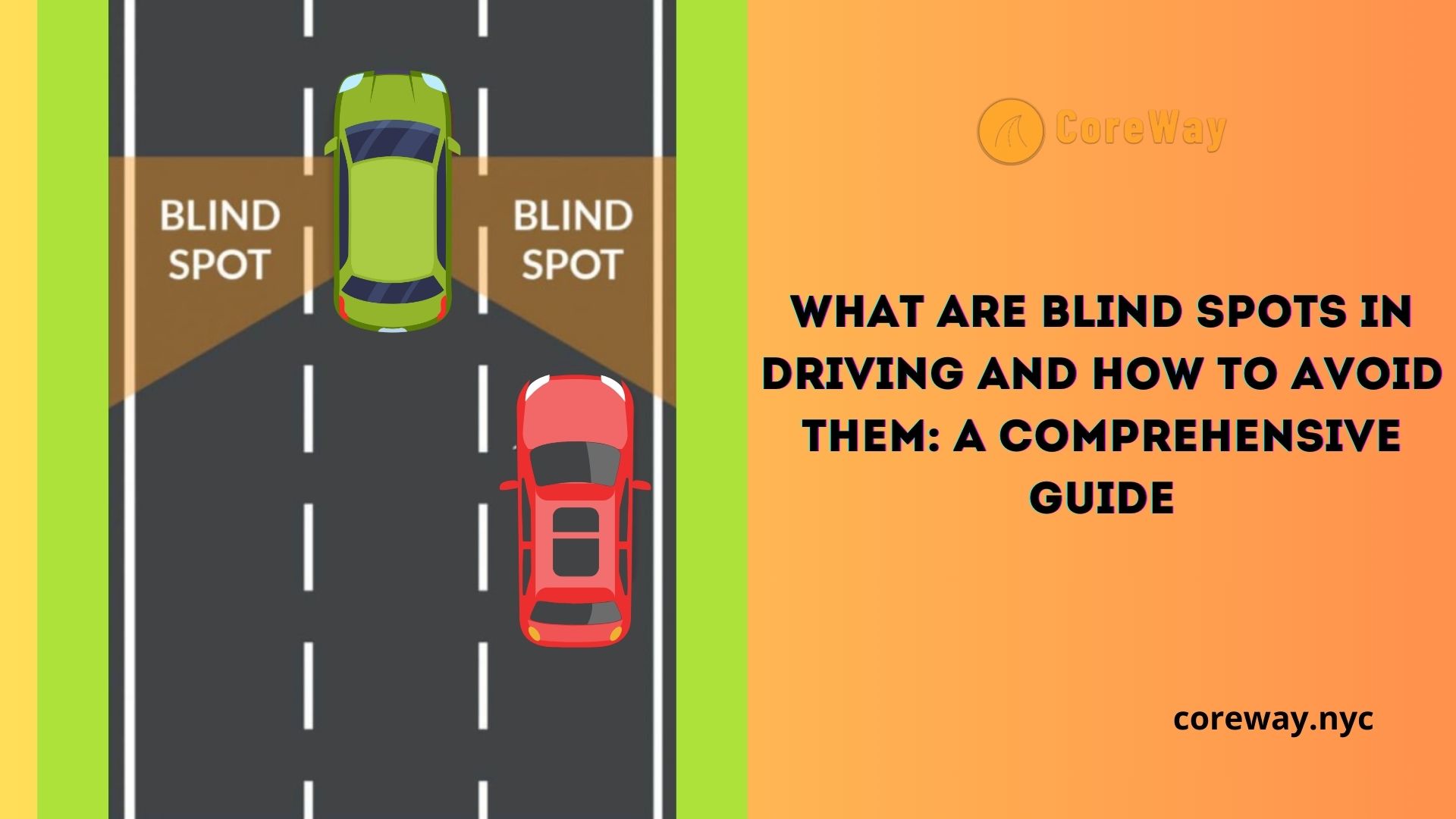
A blind spot is an area around a vehicle that cannot be directly observed by the driver while looking through the front or side-view mirrors. In modern passenger vehicles, these gaps are created by the vehicle’s "C-pillars"—the structural supports located between the rear doors and the back window—as well as the physical limitations of mirror geometry.
Most standard passenger vehicles are equipped with a flat interior rearview mirror and two exterior side mirrors. Flat mirrors provide a true sense of distance but have a narrow field of view, while the slightly convex shape of passenger-side mirrors provides a wider view at the expense of distance perception. Even with these tools, there is a physical "arc" on either side of the vehicle where a car, motorcycle, or cyclist can exist without appearing in any reflective surface. Eliminating these gaps requires a combination of proper equipment calibration and defensive driving habits.
Calibrating Your Mirrors for Maximum Coverage
Many drivers adjust their side mirrors so they can see the side of their own car. While this provides a reference point for parking, it is inefficient for highway driving, as it causes the side mirror to replicate much of the view already covered by the interior rearview mirror. By adjusting your mirrors outward, you can expand your field of vision significantly.
The SAE Mirror Adjustment Method
The Society of Automotive Engineers (SAE) recommends a mirror configuration that minimizes the overlap between your rearview and side mirrors:
- Rearview Mirror: Adjust your interior mirror so that it frames the entire rear window. This should be your primary tool for monitoring traffic directly behind you.
- Driver-Side Mirror: Lean your head against the driver-side window. Adjust the mirror until you can just barely see the edge of your own vehicle’s rear fender.
- Passenger-Side Mirror: Lean your head toward the center of the vehicle (roughly above the center console). Adjust the mirror until you can just barely see the edge of your passenger-side rear fender.
Once adjusted, objects behind you will move from your rearview mirror to your side mirror as they pass your vehicle, and then into your direct peripheral vision as they pull alongside you. This creates a seamless "panoramic" effect that effectively shrinks the blind spot.
The Necessity of the "Head Check"
No matter how well your mirrors are calibrated, relying on them exclusively is a safety risk. Automotive engineers and safety instructors consistently emphasize the "head check"—a brief, deliberate turn of the head to look through the side windows before committing to a lane change.
A head check serves as a final verification that the lane is clear. It is the only way to account for variables that mirrors might miss, such as:
- High-speed vehicles: A vehicle approaching in a neighboring lane at a significantly higher speed may enter and exit your blind spot in a fraction of a second.
- Low-profile vehicles: Motorcycles and small subcompact cars can easily be obscured by the frame of your own car if you do not shift your vantage point.
- Environmental obstacles: Nighttime glare, heavy rain, or fog can distort mirror reflections, making a direct visual check the most reliable source of information.
Comparison of Blind Spot Mitigation Tools
| Method | Primary Benefit | Limitation |
|---|---|---|
| Proper Mirror Adjustment | Increases field of view without cost | Requires habit change and initial calibration |
| Physical Head Check | Provides definitive visual confirmation | Briefly removes eyes from forward traffic |
| Blind Spot Monitoring (BSM) | Provides electronic alerts of proximity | Can lead to over-reliance; system failure risk |
| Convex Spot Mirrors | Expands peripheral view | Distorts distance, making cars appear further away |
Advanced Driver Assistance Systems (ADAS)
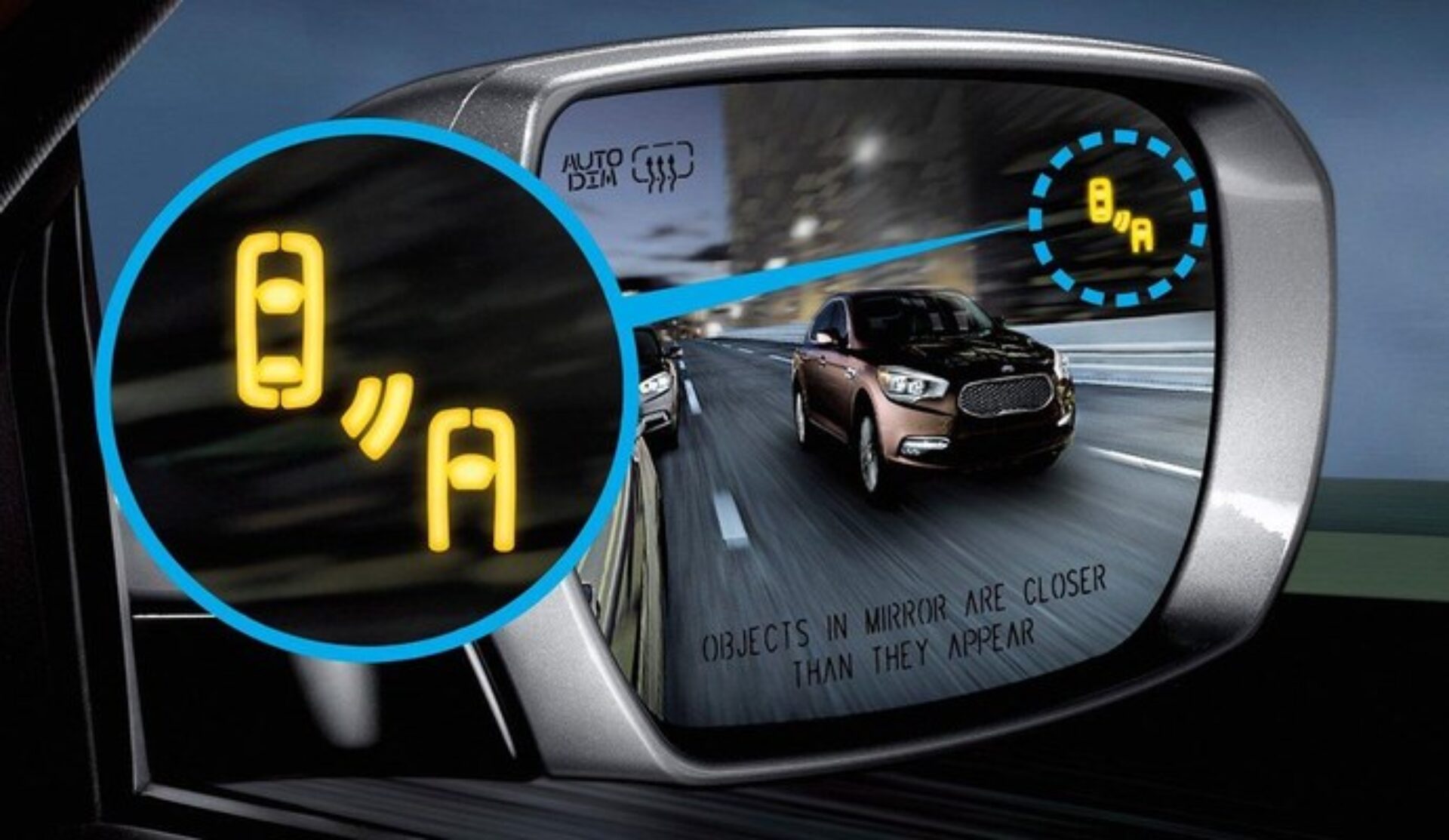
As of 2026, many new vehicles come equipped with Blind Spot Monitoring (BSM) systems. These systems use radar or ultrasonic sensors mounted in the rear bumper or side panels to detect vehicles in adjacent lanes. When an object is detected, the system typically illuminates a warning light on the corresponding side mirror or emits an audible chime.
While these systems are highly effective, they should be treated as an enhancement to—not a replacement for—manual checks. BSM systems are programmed with specific "detection zones"; if a vehicle is approaching very rapidly or is positioned at a certain angle, the sensors may not register the presence of the vehicle in time to warn you. Always use BSM as a secondary verification tool, keeping your eyes on the road and maintaining your manual shoulder-check routine.
Common Mistakes to Avoid
Drivers often fall into patterns that inadvertently increase the size of their blind spots or reduce their reaction time. Avoiding these common errors is critical:
- The "Side-Mirror-As-Reference" Trap: Continuously checking a mirror that shows the side of your own car does not show you traffic; it only shows you that your car is still there. If you cannot see the adjacent lane, your mirror is not serving its primary purpose.
- Delayed Signaling: Many drivers turn on their signal at the exact moment they begin to move the steering wheel. Signaling should be the final step after you have verified the lane is clear, giving you time to observe the space and allow others to react to your intentions.
- The "Slow-Crawl" Lane Change: When moving across lanes, do so with enough speed and purpose to clear the blind spot quickly. If you drift slowly, you stay in the blind spot of faster vehicles for a longer duration, increasing the risk of a collision.
Related Safety Questions
Does adding a wide-angle "bubble" mirror actually help?
Adding small, circular convex mirrors (often called "spot mirrors") to your existing side mirrors can significantly increase your peripheral field of view. However, these distort distance. Use them as a tool to confirm the presence of a vehicle, but rely on your internal mirror to judge how quickly that vehicle is approaching before moving over.
Why do my blind spots seem larger at night?
At night, the contrast between the dark exterior and the bright headlights of trailing vehicles can cause "blooming" or glare in your mirrors. This makes it difficult to distinguish the contours of a car. Increased caution and longer, more deliberate head checks are required during night driving.
Should I trust the blind spot warning light 100%?
No. Sensors can be affected by weather conditions, debris on the bumper, or even software glitches. Furthermore, some systems have "blind spots within the blind spot" where objects may not be detected if they are in a very specific position relative to your rear quarter-panel.
Is a head check necessary if I have a camera-based system?
Some modern vehicles display a video feed of the side lane on the dashboard when the turn signal is activated. While this is an excellent tool, cameras can also be obscured by mud, rain, or glare. A physical check remains the gold standard for safety.
Final Recommendation
The safest way to manage your blind spots is to implement a layered strategy. First, adjust your side mirrors using the SAE method to maximize your reflective coverage. Second, maintain a consistent habit of performing a "shoulder check" by glancing over your shoulder toward the blind spot before initiating a lane change. Finally, use your vehicle’s electronic monitoring systems as a secondary data point. By integrating these practices, you minimize the "unknowns" on the road and provide yourself with the maximum amount of information to make safe driving decisions.
Image Gallery