Alligator Encounters at Florida Walmarts: Safety Protocols, Notable Incidents, and Wildlife Management
Encounters with alligators at Florida Walmart locations occur primarily because these retail centers are frequently constructed near retention ponds and drainage canals, which serve as natural habitats for Florida's estimated 1.3 milli...
Encounters with alligators at Florida Walmart locations occur primarily because these retail centers are frequently constructed near retention ponds and drainage canals, which serve as natural habitats for Florida's estimated 1.3 million alligators. When an alligator is spotted near a storefront or in a parking lot, management typically initiates a lockdown or restricted access protocol and contacts the Florida Fish and Wildlife Conservation Commission (FWC) to deploy a licensed nuisance alligator trapper.
Contents
The Intersection of Retail Development and Alligator Habitats
In Florida, the presence of an alligator in a high-traffic retail area like Walmart is less a sign of "nature gone wild" and more a consequence of urban planning and environmental geography. Florida law requires large commercial developments, such as big-box retail centers, to include substantial stormwater management systems. These systems usually take the form of retention ponds.
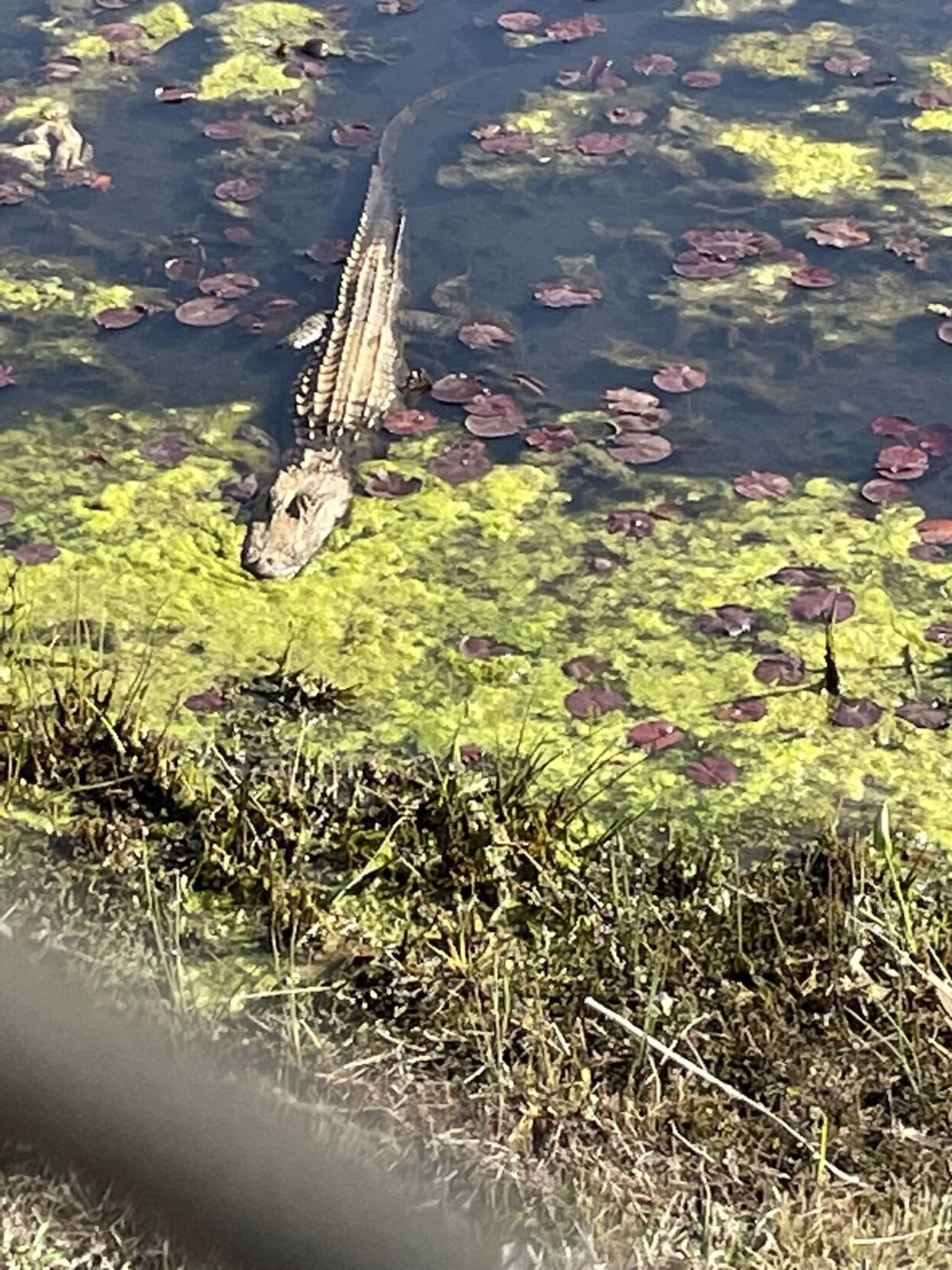
These man-made bodies of water are designed to collect runoff from the massive asphalt parking lots characteristic of Walmart properties. Because these ponds often connect to larger canal systems or natural wetlands, they become corridors for wildlife. Alligators use these water networks to move between territories, especially during specific times of the year.
Why Walmart Locations are Specifically Prone to Sightings
Walmart stores are often strategically placed near major highway interchanges and on large tracts of land that were formerly wetlands. The combination of high-intensity parking lot lighting—which attracts insects and, subsequently, smaller prey—and the proximity to water makes these locations incidental stopovers for wandering reptiles.
Furthermore, the "automatic door" mechanism used by most retail giants can occasionally be triggered by the movement of a large animal, leading to situations where alligators approach the vestibule area, though they rarely enter the main sales floor due to the high volume of human activity and noise.
Documented Incidents of Alligators at Florida Walmarts
Over the past decade, several high-profile incidents have captured public attention. These events serve as case studies for how local law enforcement and wildlife officials handle large predators in public spaces.
The Apopka Vestibule Incident (2013)
One of the most famous occurrences took place in Apopka, Florida. A 6-foot alligator was filmed repeatedly triggering the automatic sensors of the Walmart entrance. The animal remained in the vestibule area, preventing customers from entering or exiting through those specific doors. Local police cordoned off the area until an FWC-contracted trapper arrived. This incident highlighted the need for retailers to have established "wildlife on premises" protocols.
The Winter Haven Parking Lot Encounter (2017)
In Winter Haven, a much larger alligator—estimated at nearly 10 feet—was spotted roaming through the Walmart parking lot during the early morning hours. In this instance, the alligator was not seeking entry but was moving between two nearby retention ponds. The size of the animal posed a significant risk to motorists and pedestrians, leading to a rapid response from the Winter Haven Police Department.
Other Notable Regional Occurrences
While Walmart is the most frequently cited due to its ubiquity, similar encounters have been documented at other major retailers in cities like Orlando, Fort Myers, and Jacksonville. These events typically follow a pattern: the animal is spotted during the transition between night and day, or during the peak of the spring mating season.
Understanding the Statewide Nuisance Alligator Program (SNAP)
When an alligator appears at a business like Walmart, the Florida Fish and Wildlife Conservation Commission (FWC) manages the situation through the Statewide Nuisance Alligator Program (SNAP). As of 2026, the program continues to be the primary mechanism for resolving human-alligator conflicts.
The Definition of a "Nuisance" Alligator
An alligator is legally classified as a "nuisance" if it meets two specific criteria:
- It is at least 4 feet in length.
- It is perceived as a threat to people, pets, or property.
Alligators smaller than 4 feet are generally not considered a threat unless they are in an enclosed space (like a store vestibule). If a small alligator is found in a Walmart parking lot near a pond, the FWC typically advises leaving it alone, as it will likely return to the water on its own.
The Trapping and Removal Process
Once Walmart management or local police call the Nuisance Alligator Hotline (1-866-FWC-GATOR), a contracted trapper is dispatched. These trappers are not state employees but are private contractors authorized to remove specific animals.
| Phase | Action | Responsibility |
|---|---|---|
| Identification | Reporting the size and location of the alligator. | Walmart Management / Public |
| Containment | Cordoning off the area to prevent human interaction. | Local Police / Store Security |
| Dispatch | Issuing a permit for the specific animal's removal. | FWC SNAP |
| Extraction | Safely capturing and removing the alligator from the site. | Licensed Nuisance Trapper |
| Disposition | Euthanasia or (rarely) relocation to a farm/zoo. | Licensed Nuisance Trapper |
It is important to note that nuisance alligators are rarely relocated to the "wild." Because alligators have strong homing instincts, a relocated alligator will often attempt to return to its capture site, crossing roads and residential areas in the process. Consequently, most captured nuisance alligators are harvested for their meat and hide or transferred to alligator farms.
Biological Drivers of Urban Alligator Movement
To understand why an alligator ends up at a Walmart, one must understand the seasonal biology of the species. Alligator behavior is heavily influenced by temperature and the reproductive cycle.
Mating Season (April - June)
The majority of Walmart sightings occur during the spring. During this time, male alligators become highly mobile as they search for mates. They often travel long distances overland or through drainage pipes, leading them into parking lots and residential walkways.
Foraging and Temperature Regulation
Alligators are ectothermic (cold-blooded). In the cooler months or early morning hours, they may move onto sun-warmed asphalt—like a Walmart parking lot—to regulate their body temperature. Additionally, during periods of heavy rain or drought, alligators move between water sources to find more stable environments or better hunting grounds.
Legal Obligations and Public Safety Guidelines
Florida law is very specific regarding human interaction with alligators. Both the public and corporate entities like Walmart must adhere to these regulations to ensure safety and legal compliance.
Florida Statute 372.667: Prohibition of Feeding
It is a criminal offense in Florida to feed alligators. When alligators are fed by humans, they lose their natural wariness and begin to associate people with food. This "habituation" is often the underlying cause of an alligator approaching a store entrance or lingering in a parking lot. If Walmart employees or customers are found feeding wildlife in the retention ponds, the business can face significant fines.
Best Practices for Customers and Staff
If you encounter an alligator at a retail location, follow these safety protocols:
- Maintain Distance: Keep at least 60 feet of distance between yourself and the animal. Alligators can lunge at high speeds over short distances.
- Do Not Corner the Animal: An alligator in a parking lot is likely stressed. Providing it with a clear path to the nearest water source is often the fastest way to resolve the situation without professional intervention.
- Keep Pets Away: Alligators are opportunistic predators and often view small dogs or cats as prey. Walmart shoppers with pets should keep them on a short leash and away from the edges of retention ponds.
- Report, Don't Interact: Do not attempt to "shoo" the alligator or throw objects at it. Notify store management immediately.
Comparing Incidents: Location and Outcome Data
The following table outlines the typical characteristics of alligator encounters in Florida retail environments based on historical data trends through 2026.
| Location Type | Common Size | Primary Cause | Typical Outcome |
|---|---|---|---|
| Store Vestibule | 4–6 Feet | Disorientation / Automatic Doors | Professional Trapping |
| Parking Lot (Open) | 6–10 Feet | Migration between ponds | Police Escort / Trapping |
| Retention Pond Edge | Any size | Natural Habitat | No action (unless aggressive) |
| Loading Docks | 5–8 Feet | Seeking shade or shelter | Professional Trapping |
Why Alligators "Wait" at the Doors
A common question in these news stories is why the alligator appears to be "waiting" for the door to open. Research into crocodilian behavior suggests this is not predatory intent against shoppers. Instead, the cool air blowing out from the store's air conditioning or the vibration of the automatic door motors may attract the animal. Furthermore, the glass doors reflect the surrounding environment, and the alligator may simply be trying to move toward what it perceives as an open space or a reflection of water.
Frequently Asked Questions
Can an alligator actually get inside a Walmart?
Yes, it is physically possible for an alligator to enter a store if the automatic doors are triggered. However, documented cases show that they usually stop in the vestibule (the area between the two sets of doors). The bright lights, loud music, and high ceiling of the interior sales floor are typically overstimulating and deterrent to the animal.
What should I do if I see an alligator in a parking lot?
Do not approach it to take photos or videos. Immediately enter the store and inform a member of management or a security guard. If you are in your vehicle, stay inside. Call the FWC Nuisance Alligator Hotline if the store management has not already done so.
Is it common for alligators to be in Walmart ponds?
In Florida, it is safer to assume that any body of fresh or brackish water—including the pond in front of a Walmart—contains an alligator. Most of the time, these "resident" alligators are small and stay away from humans. They only become a problem when they grow large enough to be a nuisance or when they are fed by people.
Why doesn't the FWC just move the alligator to a swamp?
The FWC's policy is based on the biological reality that relocation is rarely successful. Alligators have a powerful instinct to return to their home territory. Moving a 9-foot alligator 50 miles away often results in the animal wandering through unfamiliar neighborhoods and crossing highways to get back, which creates more danger than the original situation.
Does Walmart have a specific "alligator policy"?
While Walmart does not publicize a specific "Alligator Manual," their standard emergency procedures cover "Wildlife on Premises." This includes securing the area, evacuating the immediate vicinity if necessary, and contacting local wildlife authorities or law enforcement.
Recommendations for Residents and Visitors
When shopping at Florida retail locations, especially those in suburban or rural areas, remain vigilant in the parking lot during dawn, dusk, and nighttime hours. Avoid walking near the edges of retention ponds, and never allow children to play near the water's edge behind the store. By respecting the natural behavior of Florida's wildlife and adhering to FWC guidelines, the risk of a dangerous encounter remains extremely low, despite the occasional "Florida man" headline.
Image Gallery