The Evolution and Standardization of the Orange Jumpsuit in Prison Systems for 2026
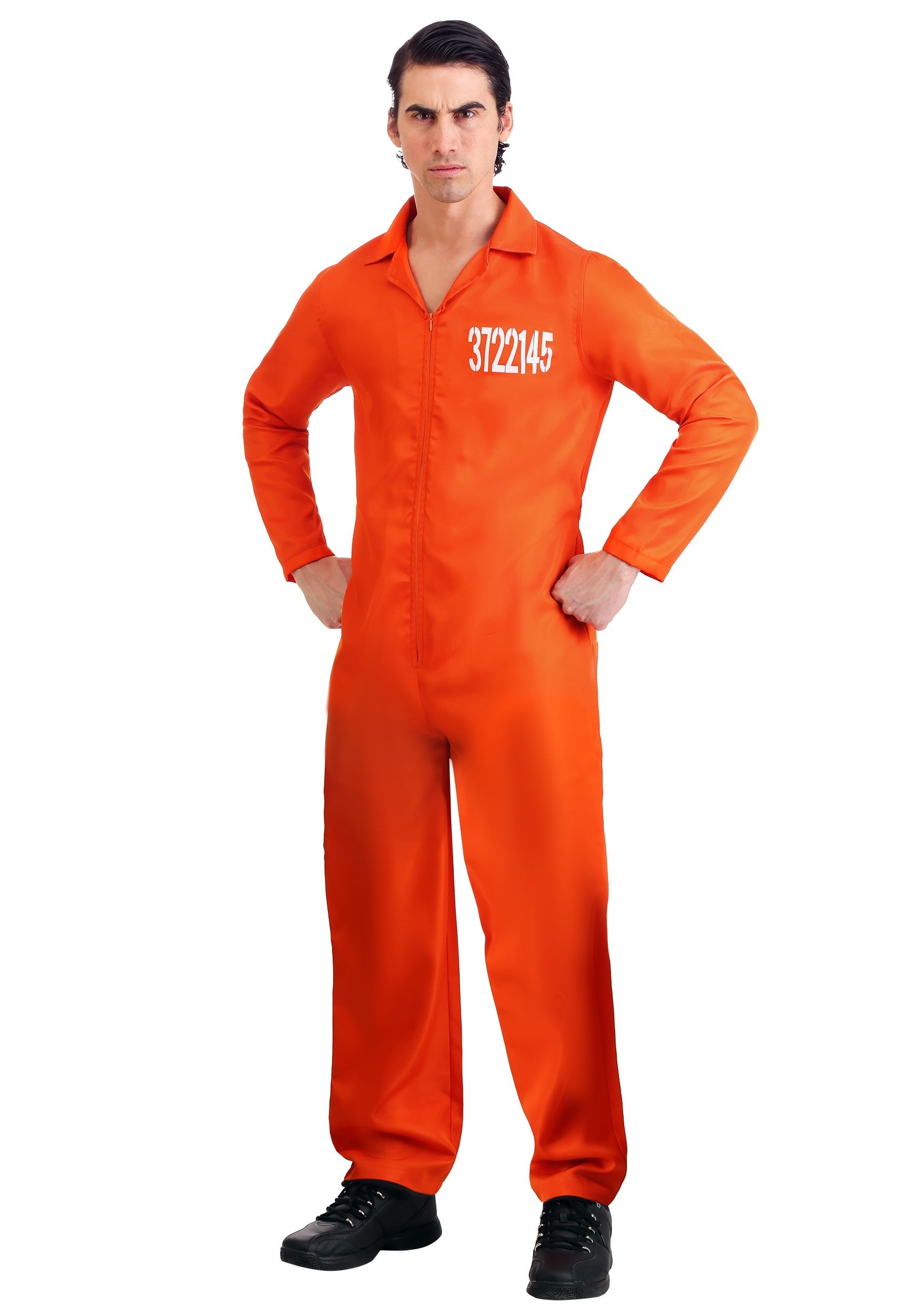
The orange jumpsuit has become an enduring cultural symbol of the correctional system, instantly recognizable in media, news, and public discourse. Beyond its cinematic portrayal, the standard-issue bright orange jumpsuit serves a very...
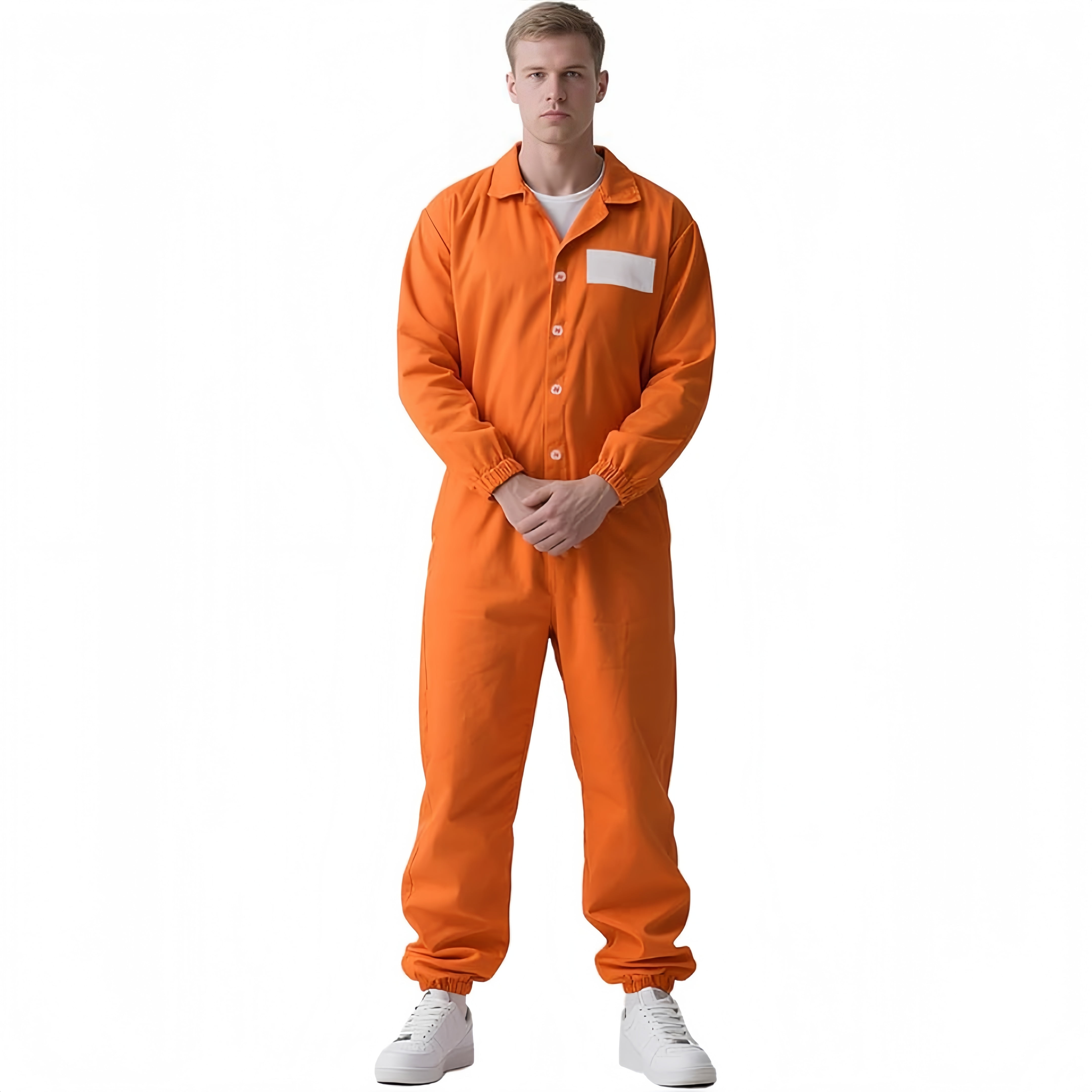
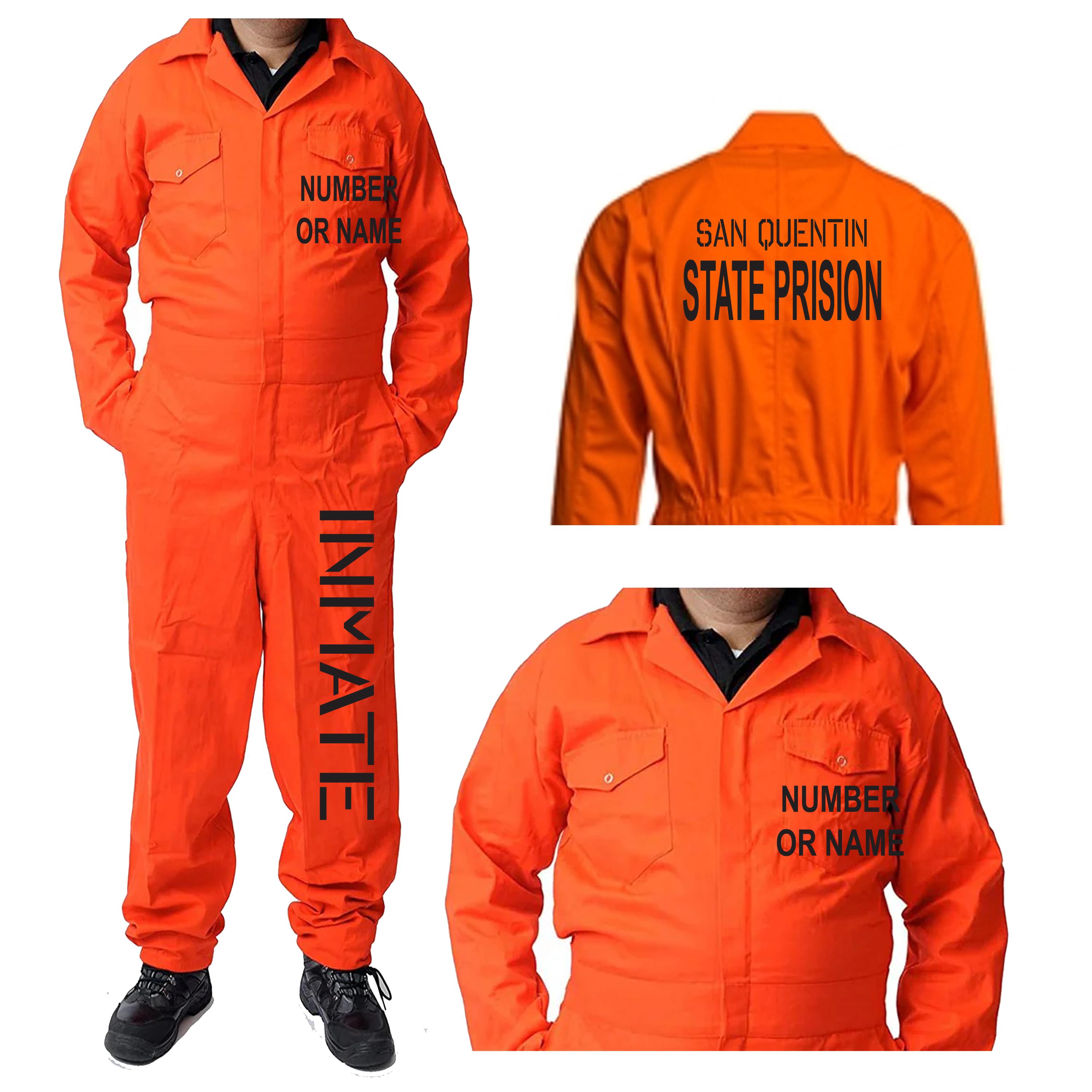
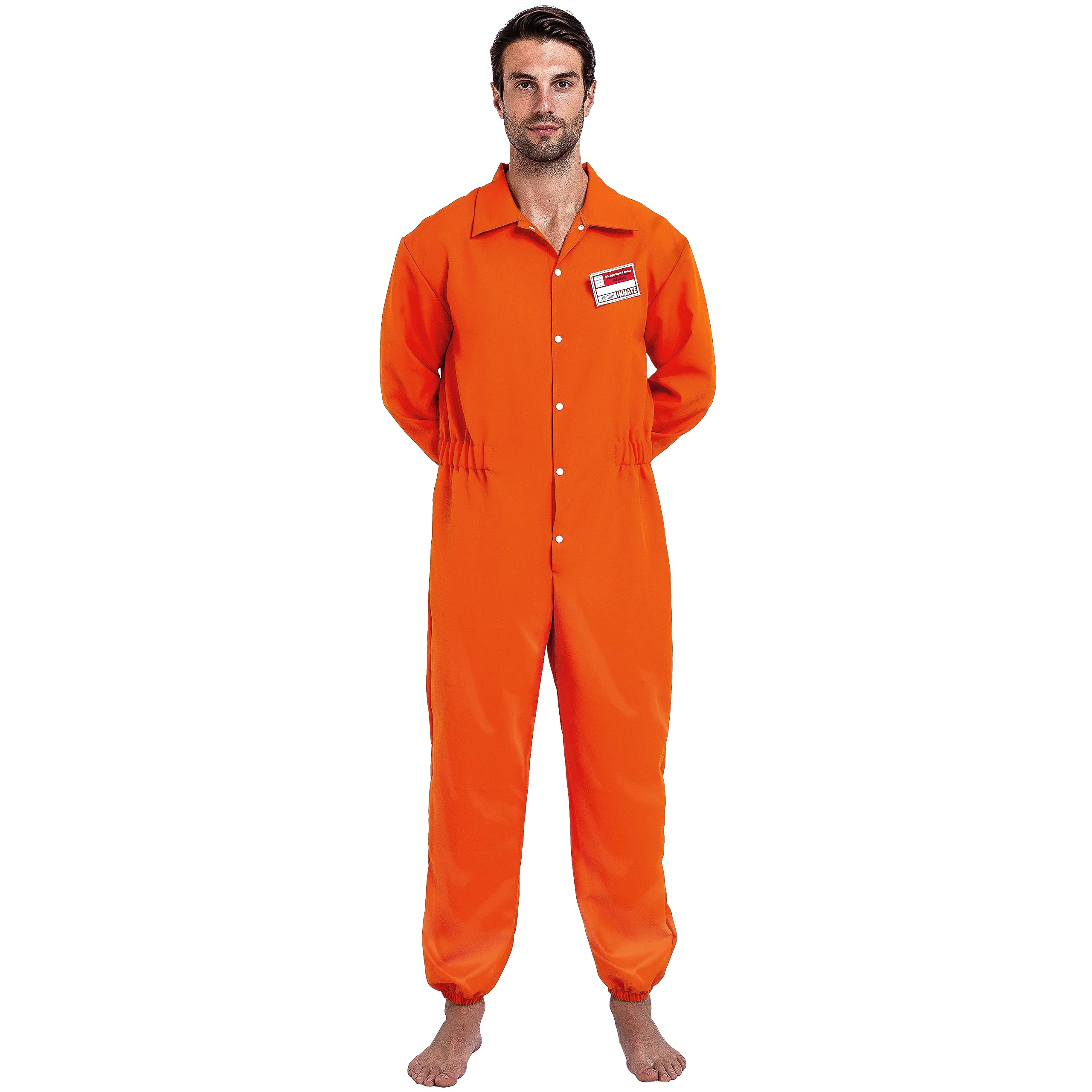
The orange jumpsuit has become an enduring cultural symbol of the correctional system, instantly recognizable in media, news, and public discourse. Beyond its cinematic portrayal, the standard-issue bright orange jumpsuit serves a very specific administrative, operational, and security function within modern correctional facilities in 2026. Understanding why correctional institutions utilize high-visibility attire requires examining institutional safety protocols, classification models, supply chain logistics, and the ongoing debate surrounding prisoner rights and psychological impacts.
Contents
The Operational Purpose of High-Visibility Correctional Attire
Correctional facilities house diverse populations with varying security classifications, medical needs, and legal statuses. The implementation of standardized clothing, specifically bright orange garments, is a core component of institutional management.
Facility administrators rely on color-coded clothing systems to instantly identify an individual's status within the prison environment. While maximum-security units may utilize different color schemes—such as red for administrative segregation or yellow for protective custody—bright orange is predominantly assigned to specific classification tiers, high-risk transport details, or intake and booking processing areas in county jails and holding facilities.
The primary tactical advantages of the orange jumpsuit include:
- Instant Visual Identification: High-visibility neon and safety orange fabrics allow correctional officers to spot inmates immediately across wide yards, cell blocks, or recreation areas.
- Deterrence to Escape: In the event of a breach or unauthorized movement, bright orange clothing makes individuals easily distinguishable from civilian staff, contractors, and visitors.
- Reduction of Contraband Smuggling: One-piece jumpsuits eliminate complex pockets and layered garments where unauthorized items, weapons, or contraband can be concealed.
- Standardized Intake Processing: Upon arrival at a local jail or state processing center, civilian clothing is cataloged and stored, and incoming detainees are immediately issued standardized jumpsuits to maintain uniformity.
Material Specifications, Manufacturing, and Supply Chain Realities
The procurement of correctional textiles is a multi-million-dollar industry governed by strict state and federal purchasing guidelines. In 2026, correctional institutions demand textiles that balance durability, cost-efficiency, and security compliance.
Most standard-issue prison jumpsuits are constructed from heavy-duty polyester-cotton blends (typically 65% polyester and 35% cotton). This specific ratio ensures resistance to tearing during physical altercations or daily labor tasks while withstanding industrial-grade high-temperature laundering and sanitation cycles.
| Garment Specification | Standard Operational Requirement | Purpose in Correctional Environment |
|---|---|---|
| Fabric Composition | 65% Polyester / 35% Cotton Twill | Balances tensile strength with breathable comfort for daily wear. |
| Closure Mechanism | Heavy-duty brass or heavy resin zippers / Velcro flaps | Prevents tampering and eliminates detachable metal parts that could be fashioned into weapons. |
| Color Fastness | High-grade vat dyes resistant to chlorine bleach | Ensures garments maintain high-visibility orange through hundreds of industrial wash cycles. |
| Pocket Configuration | Minimal or zero exterior pockets | Eliminates hiding spaces for contraband, shanks, or unauthorized communication notes. |
Comparative Analysis: Jumpsuits Versus Two-Piece Correctional Uniforms
Correctional systems continually evaluate whether one-piece jumpsuits or two-piece shirt-and-pant combinations better serve facility needs. Each option presents distinct advantages and operational drawbacks.
One-Piece Orange Jumpsuits:
- Pros: Faster distribution during mass intake; minimal inventory tracking (only one item to size and issue per inmate); superior security against concealed contraband due to the absence of waistbands and multiple pockets.
- Cons: Can be uncomfortable for long-term wear across varying body types; less professional appearance during external court transports where public perception is a factor.
Two-Piece Uniforms:
- Pros: Offers better sizing flexibility for tall or short frames; often utilized for general population inmates who have earned lower security classifications or work assignments.
- Cons: Increased laundry sorting complexity; waistbands and multiple pockets require more rigorous pat-down and strip-search protocols.
Psychological Implications and Modern Correctional Debates
The mandatory wearing of standardized prison attire, particularly the ubiquitous orange jumpsuit, is a subject of ongoing debate among criminologists, human rights advocates, and correctional psychologists.
Critics argue that institutional clothing reinforces depersonalization. By stripping individuals of personal style, color choice, and individuality, uniform policies can contribute to feelings of hopelessness and institutionalization. Furthermore, the public display of individuals in bright orange jumpsuits during court appearances—often referred to in legal advocacy as "trial by orange"—has faced increasing scrutiny for potentially violating the presumption of innocence before juries.
Conversely, correctional administrators emphasize that uniformity neutralizes visible gang affiliations, socioeconomic status markers, and brand-name clothing competition within the facility. When every inmate wears identical attire, internal hierarchies driven by external wealth are minimized, fostering a more uniform operational environment.
Step-by-Step Intake and Issuance Workflow
When an individual enters a correctional facility, the processing of personal property and the issuance of institutional clothing follow a rigorous protocol to maintain safety and accountability.
- Property Confiscation and Inventory: Upon booking, all civilian clothing, jewelry, and personal belongings are removed, cataloged, and secured in a designated property room.
- Hygiene and Health Screening: The incoming individual undergoes a medical and mental health screening, followed by mandatory showering and delousing procedures if required by facility policy.
- Clothing Sizing and Issuance: Staff issue standard-weight orange jumpsuits, undergarments, socks, and slip-on footwear (typically rubber slide sandals or canvas shoes without laces).
- Property Documentation: The serial numbers and quantities of issued items are logged into the facility management database to ensure accountability upon release or transfer.
- Periodic Exchange: Jumpsuits are periodically collected on a scheduled exchange cycle (usually two to three times per week) and laundered in industrial facilities using high-temperature sanitation protocols.
Frequently Asked Questions
Why are prison jumpsuits specifically bright orange?
Bright orange is utilized because it provides maximum visual contrast against natural and architectural backgrounds, ensuring that inmates can be easily spotted by security staff both indoors and outdoors.
Do all inmates wear orange jumpsuits in prison?
No, color coding varies significantly by jurisdiction and security level. While local jails frequently use orange for general intake or holding, long-term state and federal prisons often assign different colors (such as khaki, green, or blue) based on security classification, work assignments, or housing units.
Can inmates alter or customize their jumpsuits?
Any form of clothing alteration, tailoring, or unauthorized marking is strictly prohibited in correctional facilities and is typically classified as a disciplinary infraction due to security and identification concerns.
Are orange jumpsuits used during court appearances?
While historically common, modern legal standards in many jurisdictions discourage or prohibit parading defendants in visibly marked prison garb or jumpsuits before a jury to protect the constitutional right to a fair trial.
How are prison jumpsuits cleaned and maintained?
Jumpsuits are collected in bulk, washed in industrial-grade commercial laundry machines using high-heat cycles and industrial detergents to eliminate pathogens, and repaired or replaced as fabric degradation occurs.
Conclusion and Strategic Facility Management
The orange jumpsuit remains a foundational element of facility management and security infrastructure across correctional institutions. Balancing the strict demands of public safety, visual accountability, and operational efficiency requires administrators to maintain rigorous standards in textile procurement and inventory control. For deeper insights into correctional standards, facility logistics, and institutional compliance frameworks, consult current updates from accredited correctional associations.
Image Gallery