Why Does Kroger Offer MoneyGram Services? A Complete Guide to Grocery Store Financial Services
Kroger provides MoneyGram services to serve as a comprehensive "one-stop shop" for its customers, leveraging high foot traffic to drive ancillary revenue through service fees. By offering money transfers, bill payments, and money order...
Kroger provides MoneyGram services to serve as a comprehensive "one-stop shop" for its customers, leveraging high foot traffic to drive ancillary revenue through service fees. By offering money transfers, bill payments, and money orders, Kroger increases customer loyalty and captures the business of the unbanked and underbanked populations who require physical locations for cash-based financial transactions.
Contents
In the retail landscape of 2026, the boundary between a traditional supermarket and a neighborhood financial center has almost entirely vanished. Kroger, one of the largest grocery retailers in the United States, has solidified its position in this space through a long-standing partnership with MoneyGram. This relationship is not merely a convenience for shoppers; it is a calculated business strategy designed to maximize the utility of the store's physical footprint.
The Strategic Importance of Retail Financial Services
The primary reason Kroger hosts MoneyGram services is to increase "dwell time" and visit frequency. Grocery stores operate on notoriously thin profit margins, often between 1% and 3%. To bolster these figures, retailers look toward service-based income. Financial services like those provided by MoneyGram offer a reliable stream of high-margin revenue that does not require the inventory overhead associated with physical goods.
When a customer enters a Kroger to send a domestic wire transfer or pay a utility bill, they are significantly more likely to purchase groceries or household essentials during the same visit. This concept, known as "cross-selling," transforms a simple financial errand into a larger retail transaction. For Kroger, the MoneyGram desk is a magnet that pulls in demographics that might otherwise visit a dedicated check-cashing store or a post office.
Furthermore, by 2026, the retail environment has become increasingly competitive. With the rise of e-commerce and direct-to-consumer delivery, physical stores must provide "sticky" services that cannot be easily replicated online by a third party. While digital wallets are prevalent, a substantial portion of the population still relies on cash. Providing a secure, reputable location to convert that cash into a digital transfer or a paper money order keeps Kroger relevant in an evolving economy.
Serving the Unbanked and Underbanked Populations
A critical driver for MoneyGram’s presence in Kroger is the service it provides to the unbanked and underbanked. According to data from the Federal Deposit Insurance Corporation (FDIC), millions of American households do not have a traditional checking or savings account. These individuals rely on "alternative financial services" (AFS) to manage their daily lives.
For these consumers, Kroger functions as their primary bank. MoneyGram allows them to:
- Send Remittances: Many workers send a portion of their earnings to family members in other countries. MoneyGram’s global network is essential for these international transfers.
- Pay Bills: For those without online banking, paying the electric or water bill often requires a physical service point that can process cash payments to corporate billers.
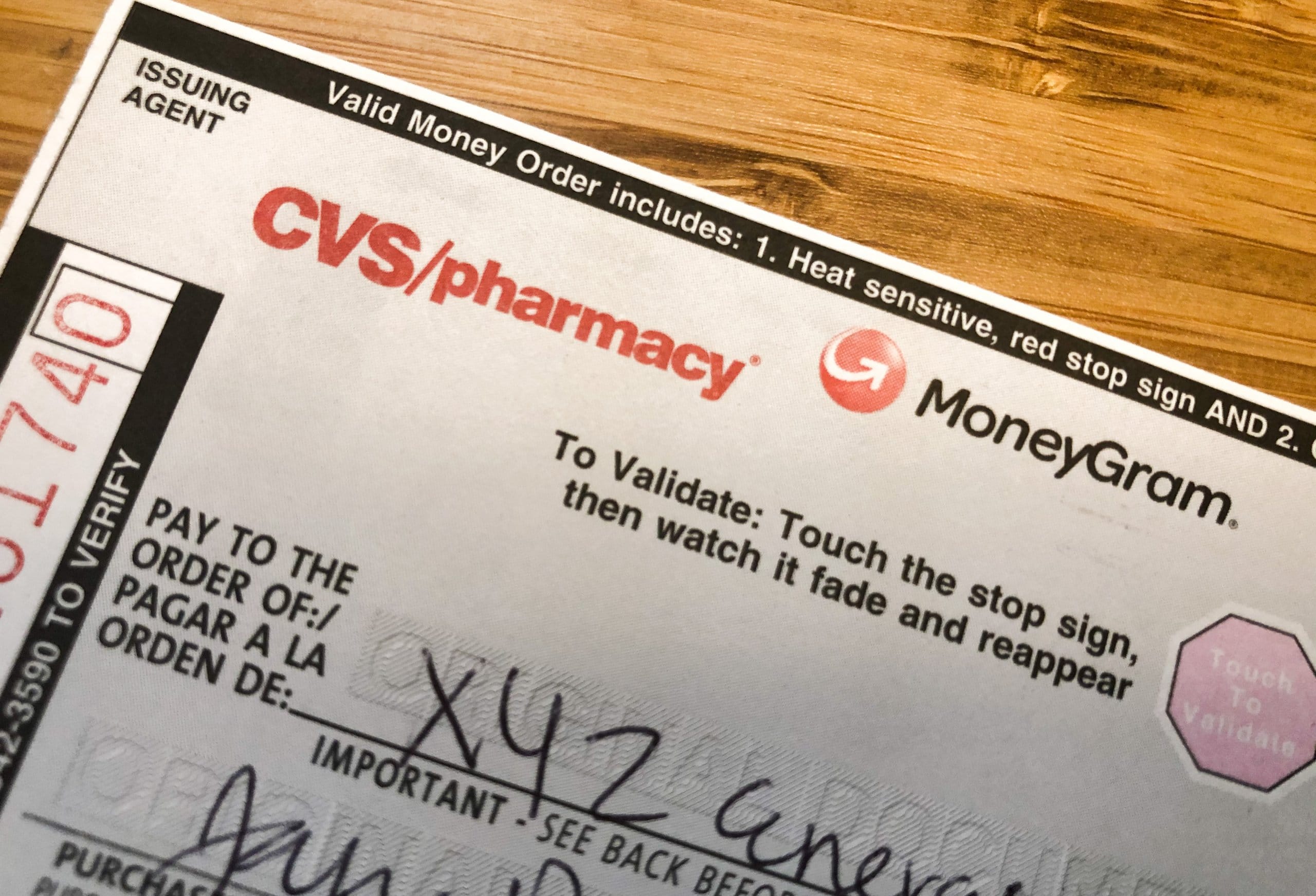
- Purchase Money Orders: Money orders are frequently required for rent payments or government fees when a personal check is not an option or is not accepted.
By hosting these services, Kroger fulfills a vital community role. The trust associated with the Kroger brand name provides a sense of security for customers who might be wary of smaller, independent check-cashing outlets.
The Mechanics of the Kroger-MoneyGram Partnership
Kroger does not operate the financial backend of these transactions itself. Instead, it acts as an "agent" for MoneyGram. In this arrangement, MoneyGram provides the technological infrastructure, the regulatory compliance framework, and the global payout network. Kroger provides the physical location, the front-end staffing at the "Money Services" desk, and the primary customer interaction.
This partnership is mutually beneficial. MoneyGram gains access to thousands of high-traffic locations without having to lease dedicated storefronts. Kroger, in turn, receives a commission on every transaction fee charged to the customer. This fee-sharing model is a low-risk way for the retailer to participate in the multi-billion dollar remittance and bill-pay industry.
In 2026, these systems are more integrated than ever. Kroger’s "Money Services" terminals are often synced with the store's loyalty program, allowing customers to earn fuel points or specialized rewards for their financial transactions, further incentivizing them to choose Kroger over a competitor like Walmart or a local pharmacy.
Comparing Financial Services at Kroger
To understand why a customer would choose Kroger for MoneyGram services, it is helpful to look at the specific offerings and how they compare in terms of utility and accessibility.
| Service Type | Primary Use Case | Typical Processing Time | Key Requirement |
|---|---|---|---|
| Money Transfer | Sending funds to friends or family (Domestic/Intl) | Minutes to 3 Business Days | Government-issued ID |
| Money Order | Secure payment for rent or official documents | Immediate (Paper Document) | Cash or Debit Card |
| Bill Payment | Paying utilities, credit cards, or auto loans | Same-day or Next-day | Biller Account Number |
| Check Cashing | Converting payroll or government checks to cash | Immediate | Verification via Third-party |
Regulatory Compliance and Security
Operating a MoneyGram station is not as simple as setting up a cash register. Kroger must adhere to strict federal and state regulations. As an agent of a Money Services Business (MSB), Kroger is subject to the Bank Secrecy Act (BSA) and "Know Your Customer" (KYC) requirements.
This means Kroger employees at the money services desk are trained to identify signs of money laundering, structuring (breaking large transactions into smaller ones to avoid reporting), and consumer fraud. When a customer sends a large amount of money, they are required to provide identification, which is logged into a national database managed by MoneyGram.
These security measures protect both the consumer and the retailer. In an era where elder fraud and "romance scams" are sophisticated, the face-to-face interaction at a Kroger service desk serves as a final line of defense. Staff are often trained to ask clarifying questions if a transaction seems suspicious, potentially saving customers from losing significant sums to scammers.
Convenience and Operational Hours
Another reason Kroger maintains this service is the sheer convenience of operational hours. While traditional banks often close by 5:00 PM and have limited Saturday hours, Kroger Money Services desks are typically open from early morning until late evening, seven days a week.
This accessibility is paramount for the "gig economy" workforce and shift laborers who may not be able to visit a bank during standard business hours. The ability to cash a paycheck and immediately send a money transfer at 8:00 PM on a Sunday is a value proposition that few other institutions can match.
Frequently Asked Questions
Can I send money internationally from any Kroger?
Most Kroger locations equipped with a Money Services desk allow for international transfers through the MoneyGram network. However, the specific countries available and the maximum transfer limits may vary based on state regulations and MoneyGram’s current international agreements. You will need the recipient's full legal name as it appears on their ID and their location.
What are the fees for MoneyGram services at Kroger?
Fees are not fixed and depend on the type of service, the amount being sent, and the destination. For example, a domestic money order typically carries a small flat fee (often under $2.00), while a wire transfer fee is calculated as a percentage of the total amount or a tiered flat rate. It is always advisable to ask for a fee estimate at the counter before initiating the transaction.
Do I need a bank account to use MoneyGram at Kroger?
No, one of the primary advantages of using MoneyGram at Kroger is that it does not require a bank account. You can complete most transactions using cash or a debit card. This makes it an essential service for individuals who prefer to operate in a cash-based economy or who do not meet the requirements to open a traditional bank account.
Is there a limit on how much money I can send?
Yes, there are limits imposed by both MoneyGram and federal regulations. Daily limits for transfers without additional documentation usually hover around $3,000, but this can vary. For very large transactions, you may be required to provide additional proof of the source of funds and more detailed personal information to comply with Anti-Money Laundering (AML) laws.
Can I receive money at a Kroger MoneyGram desk?
Yes, Kroger stores generally allow customers to pick up cash transfers sent via MoneyGram. You will need the reference number provided by the sender and a valid, government-issued photo ID. It is important to check the specific "Money Services" hours of your local store, as they may differ from the general grocery store hours.
Practical Recommendations for Customers
If you plan to use MoneyGram services at Kroger, the most important step is to arrive prepared. Always bring a valid, unexpired government-issued photo ID, such as a driver's license or passport. If you are paying a bill, ensure you have the exact account number and the correct name of the billing entity.
For those looking to save on fees, consider using the MoneyGram website or mobile app to "stage" your transaction before arriving at the store. Many retailers allow you to start the process on your phone and simply finish the payment at the cash desk, which can sometimes reduce the time spent in line and potentially offer lower digital-entry fee rates.
Kroger’s commitment to providing these services ensures that it remains a central pillar of the community's daily life, offering much more than just the food on the shelves. As of 2026, the synergy between retail and finance at Kroger continues to be a benchmark for the industry.
Image Gallery