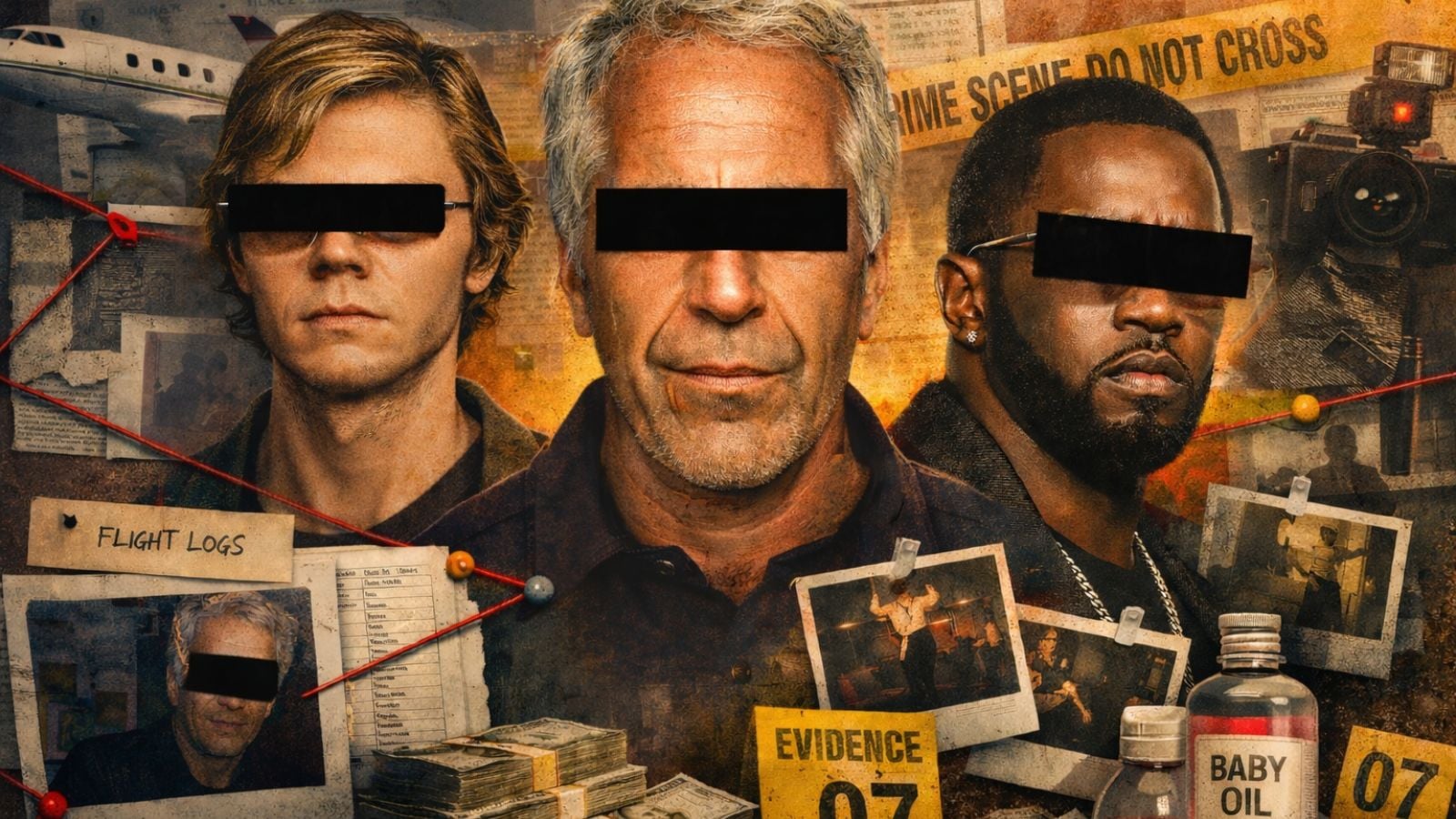
Stars and Scandals: How Celebrities and Crime Collide
When high-profile figures face criminal allegations, the standard legal process transforms into a public spectacle. The intersection of celebrity status, legal liability, and media exposure creates unique dynamics in the courtroom and...
When high-profile figures face criminal allegations, the standard legal process transforms into a public spectacle. The intersection of celebrity status, legal liability, and media exposure creates unique dynamics in the courtroom and court of public opinion. When stars and scandals collide, criminal defense strategies, prosecutorial incentives, and public relations tactics must operate simultaneously under unprecedented public scrutiny.
Contents
The Mechanics of Celebrity Crime and Public Scrutiny
The intersection of celebrity culture and criminal justice is not a modern anomaly, but its structural mechanics have intensified significantly. High-profile criminal cases involve a distinct interplay between public interest, commercial media incentives, and legal procedures.
When a prominent actor, musician, athlete, or executive is accused of a crime, the legal proceeding ceases to be a routine state or federal matter. Instead, it becomes a media event where every filing, court appearance, and evidentiary motion is analyzed by commentators, legal experts, and the public.
This public scrutiny creates a dual-forum reality for the defense and prosecution:
- The Judicial Forum: The official courtroom governed by procedural rules, statutory law, formal rules of evidence, and the constitutional rights of the accused.
- The Media Forum: The un-adjudicated public square operating in real-time on television, digital news outlets, podcasts, and social media networks, where rules of evidence do not apply.
Managing these simultaneous forums requires legal teams to coordinate closely with communications strategists. A victory in court can be ruined by permanent damage to professional reputation, while aggressive public relations efforts can risk offending judges or violating gag orders.
Legal Dynamics: How Fame Alters Prosecution and Defense
Celebrity status fundamentally changes how criminal investigations and prosecutions unfold. While the foundational principles of criminal procedure mandate equal justice under the law, the practical reality involves distinct operational differences for high-profile defendants.
- High-Profile Case Dynamics
- Judicial Forum
- Rules of Evidence
- Constitutional Protections
- Presumption of Innocence
- Media Forum
- Real-Time Opinion
- Unfiltered Speculation
- Court of Public Opinion
- Integrated Defense & PR Strategy
- Judicial Forum
1. Investigative and Prosecutorial Incentives
District attorneys, federal prosecutors, and law enforcement agencies face heightened institutional pressure when investigating public figures. On one hand, prosecutors must demonstrate that famous individuals do not receive preferential treatment, which can lead to meticulous evidence gathering and conservative plea-bargaining positions. On the other hand, high-profile indictments bring immense professional exposure to law enforcement officials, creating incentives that must be carefully balanced against potential prosecutorial overreach.
2. Legal Defense Resources and Strategy
Celebrity defendants generally possess financial resources that exceed those available to standard criminal defendants. These resources enable the retention of top-tier criminal defense attorneys, independent forensic experts, jury consultants, and private investigators. Defense teams in high-profile cases frequently conduct mock trials, extensive witness preparation, and sophisticated digital forensics analysis long before trial commences.
3. The Risk of a "Celebrity Tax"
Conversely, fame presents significant legal disadvantages. Judges may issue stricter bail conditions or harsher sentences to signal to the public that the judicial system remains uninfluenced by wealth or status. Additionally, prosecutors may be less inclined to offer standard diversion programs or reduced charges, fearing public backlash or accusations of favoritism.
Managing Dual Fronts: Legal Defense vs. Crisis Public Relations
In a high-profile criminal proceeding, traditional legal advice—such as advising a client to remain completely silent—frequently conflicts with crisis public relations strategies designed to protect ongoing business relationships, endorsements, and future earnings.
| Legal Defense Priority | Crisis PR Priority |
|---|---|
| Strict silence & procedural control | Immediate statement to control narrative |
| Minimize evidentiary disclosures | Transparency to restore public trust |
| Strict compliance with court rules | Reassuring partners, sponsors, and fans |
The Conflict of Priorities
Legal counsel prioritizes avoiding self-incrimination and preserving evidentiary objections. Defense attorneys prefer their clients to make no public statements, as any unsworn comment can be introduced by prosecutors as admission of guilt or used for cross-examination impeachment.
Crisis PR specialists prioritize narrative management. In the modern news cycle, prolonged silence is often interpreted by the public as an admission of wrongdoing. PR teams frequently advocate for immediate public statements, written apologies, or press conferences to control the initial news cycle and reassure commercial partners.
Coordinated Crisis Management
To navigate these competing demands, legal and communications teams must establish clear protocols:
- PR Statements Must Pass Legal Review: No press release, social media post, or statement to journalists should occur without explicit approval from defense counsel.
- Focus on Process Over Substantive Admissions: Public statements generally focus on procedural integrity, respect for the legal process, and expressions of confidence in eventual exoneration, rather than debating specific evidentiary details.
- Third-Party Advocacy: Specialized crisis firms leverage independent legal experts and media commentators to present favorable legal interpretations to the press without exposing the defendant to direct cross-examination risks.
Courtroom Mechanics in High-Profile Cases
When high-profile cases go to trial, judicial officers employ specialized procedural mechanisms to protect the defendant's right to a fair trial while accommodating public and media interest.
Jury Selection and Voir Dire
Selecting an impartial jury is one of the most complex challenges in celebrity trials. Most prospective jurors have encountered news coverage, social media discussions, or public commentary regarding the case prior to entering the courtroom.
Courts use expanded jury questionnaires and extensive voir dire (jury examination) to identify deep-seated biases. Jury consultants analyze responses to assess whether potential jurors can set aside media exposure and decide the case strictly on court-admitted evidence.
Cameras, Gag Orders, and Sequestration
Judges have broad discretion in managing courtroom access and public information flow:
- Gag Orders: Restrict attorneys, law enforcement personnel, witnesses, and the defendant from making public statements about the case outside the courtroom.
- Media Access Rules: Controlling whether audio, video, or still photography is permitted in the courtroom to prevent proceedings from becoming theatrical spectacles.
- Jury Sequestration: Isolating jurors from external news, internet access, and family contact during a trial to ensure outside reporting does not influence deliberations.
Comparing Standard Criminal Cases vs. High-Profile Celebrity Trials
| Procedural / Strategic Dimension | Standard Criminal Proceeding | High-Profile Celebrity Proceeding |
|---|---|---|
| Media & Public Exposure | Minimal to non-existent local coverage | Global media presence, live blogging, and social media commentary |
| Defense Resources | Public defender or solo private practitioner | Multi-attorney team, private investigators, forensic experts, and jury consultants |
| Public Relations Strategy | Unnecessary; defense focuses strictly on court filings | Integrated crisis PR firm managing media inquiries and corporate relationships |
| Jury Selection (Voir Dire) | Standard pool selection completed in hours or one day | Extensive questionnaires, prolonged examination, and pre-trial bias screening |
| Prosecutorial Discretion | Routine plea negotiations and standard sentencing recommendations | Heightened public scrutiny; lower willingness to offer favorable plea deals |
| Judicial Oversight | Standard courtroom management rules | Special orders on media access, gag orders, expanded security, and potential sequestration |
Historical Shift: Media Evolution and Public Perception
The dynamic between celebrities and the criminal justice system has evolved alongside communications technology. Understanding this evolution helps put modern legal scandals into perspective.
| 1990s: Broadcast Era | 2020s–2026: Digital Era |
|---|---|
| Scheduled news broadcasts | 24/7 social media commentary |
| Mainstream journalists | Citizen sleuths & podcasts |
| Controlled press access | Direct social platforming |
The Broadcast Era (1990s)
The 1990s established the modern template for televised criminal proceedings. Dedicated cable networks brought live courtroom proceedings directly into homes. Coverage relied on mainstream news anchors and verified legal analysts, creating a structured narrative around daily trial developments.
The Digital Era (2020s–2026)
Today, media coverage is decentralized and continuous. Social media platforms, independent true-crime podcasts, citizen sleuths, and streaming services shape public opinion outside traditional journalistic standards.
Information—and misinformation—spreads instantly. Video snippets of witness testimony are shared without context, creating viral reactions that can influence public opinion in real time. This environment presents new challenges for defense counsel attempting to shield clients from pre-judgment.
Frequently Asked Questions
Can a celebrity receive a fair trial given intense media coverage?
Yes, courts employ procedural safeguards designed to protect trial fairness. These include extensive voir dire to screen for bias, change-of-venue motions to move the trial to a less exposed location, clear jury instructions to ignore media reporting, and protective gag orders on trial participants.
Why do celebrities often hire separate crisis PR teams during legal proceedings?
While criminal defense lawyers handle courtroom procedure and legal motions, crisis PR professionals manage public narrative, corporate partnerships, media inquiries, and long-term brand protection. Because trial strategies often require silence, PR teams help communicate appropriate, legally screened updates to external stakeholders.
Does public opinion affect actual trial verdicts?
Legally, verdicts must be based exclusively on evidence presented inside the courtroom. However, psychological research suggests intense external media exposure can subconsciously influence how jurors evaluate witness credibility and evidence, which is why defense attorneys work to minimize pre-trial publicity.
What is a gag order, and how does it work in high-profile cases?
A gag order is a judicial directive prohibiting attorneys, court staff, witnesses, or litigants from speaking publicly about an ongoing case. If a party violates a gag order, the judge can issue civil or criminal contempt penalties, including fines or imprisonment.
Why are prosecutors sometimes reluctant to offer plea bargains to public figures?
Prosecutorial offices face public oversight. In high-profile cases, offering a highly favorable plea deal can trigger public criticism and accusations of unequal justice. As a result, prosecutors may insist on formal convictions or trial proceedings to maintain public trust in the justice system.
Actionable Guidance for Legal and Media Analysts
Analyzing or navigating high-profile criminal cases requires a disciplined methodology to distinguish between legal substance and media commentary:
- Evaluate Primary Court Documents: Rely on filed indictments, formal motions, written judicial orders, and official trial transcripts rather than unverified media reports or social media leaks.
- Separate Legal Guilt from Public Opinion: Recognize that public consensus in the media forum operates under different standards of proof than the "beyond a reasonable doubt" standard required in criminal court.
- Monitor the Alignment of PR and Defense Strategy: Observe whether press statements align with filed defense motions. Misalignment between public statements and trial strategy often signals internal friction within a legal team.
- Track Judicial Orders Early: Review early pre-trial hearings regarding gag orders, camera access, and witness protection. These decisions set the operational framework for the entire trial.
Image Gallery