Choosing a Back Sex Position for Maximum Comfort and Control
Choosing the right back sex position involves balancing spinal alignment with the desired level of physical leverage. Whether opting for supine (on-the-back) or rear-entry styles, prioritizing ergonomic support through pillows and cont...
Choosing the right back sex position involves balancing spinal alignment with the desired level of physical leverage. Whether opting for supine (on-the-back) or rear-entry styles, prioritizing ergonomic support through pillows and controlled pelvic tilting ensures a sustainable experience that minimizes joint strain while maximizing intimacy, depth, and overall physical agency during the encounter.
Contents
Understanding the Ergonomics of Back-Focused Positions
In 2026, the conversation around sexual wellness has evolved to prioritize physical longevity and ergonomic safety just as much as pleasure. When we discuss "back positions," we generally refer to two distinct categories: supine positions (where one partner is lying on their back) and rear-entry positions (where one partner is approached from behind). Both categories offer unique advantages for comfort and control, but they require different mechanical approaches to avoid common issues like lower back strain, hip fatigue, or knee discomfort.
Control in this context refers to the ability to manage the depth, speed, and angle of penetration. Comfort refers to the ability to maintain the position without pain or premature fatigue. Achieving both simultaneously requires an understanding of "neutral spine" alignment. A neutral spine helps distribute weight evenly across the vertebrae and discs, preventing the localized pressure that often leads to post-coital soreness. For those managing chronic conditions or simply looking to enhance their experience, choosing a position based on these mechanical principles is essential for a high-quality intimate life.
Supine Positions: Enhancing Comfort on the Back
Supine positions, most notably the traditional missionary and its many variations, are often undervalued for their potential for control. However, by making minor adjustments to leg placement and torso elevation, the partner on the bottom can exert significantly more influence over the rhythm and depth of the encounter.
The Power of Pelvic Elevation
The most common mistake in supine positions is lying completely flat on a mattress. This can lead to an exaggerated arch in the lower back (lumbar spine), which may cause discomfort over time. By placing a firm pillow or a dedicated orthopedic wedge under the hips, the pelvis is tilted upward. This "pelvic tilt" accomplishes two things: it narrows the angle of entry for better stimulation and takes the pressure off the lower back. In terms of control, this elevation allows the partner on the bottom to use their glutes and core to meet their partner’s thrusts, turning a passive position into an active, collaborative movement.
Leg Placement and Joint Support
Comfort is heavily dictated by hip flexibility. For those with tighter hip flexors, keeping legs flat or slightly bent is often more sustainable than the high-leg "ankle-on-shoulders" variations. To maximize control while maintaining comfort, the partner on the back can wrap their legs around their partner’s waist. This "closed" position provides a point of leverage, allowing the bottom partner to pull their partner closer or push them away to regulate depth. If knee pain is a factor, placing pillows under the knees can prevent overextension and allow for a more relaxed state.
Rear-Entry Positions: Mastering Control from Behind
Rear-entry positions, frequently referred to as "doggy style" or its derivatives, are the gold standard for control over depth and speed. However, they are also the most demanding on the wrists, knees, and lower back. Optimizing these for comfort in 2026 involves moving away from high-impact "all-fours" stances toward more supported variations.
The Modified "Lazy Dog" for Stability
Traditional doggy style requires the partner in front to support their weight on their hands and knees. This can quickly lead to wrist fatigue. To increase comfort, the partner in front can drop down onto their elbows or forearms. This shift lowers the center of gravity and flattens the back, reducing the "swayback" effect that causes lumbar pain. From this lower position, the partner in front still retains control by being able to push back against their partner or shift their hips side-to-side, while the partner behind gains a more stable base for consistent pacing.
The Prone Position for Deep Intimacy
The prone position—lying flat on the stomach while the partner enters from behind—offers the maximum amount of surface contact and a high degree of control over depth. Because the bodies are closely aligned, there is less room for erratic movement, which can be beneficial for those who prefer a slower, more deliberate pace. For comfort, placing a pillow under the pelvis is crucial here as well; it prevents the lower back from dipping too far and aligns the spinal column. This position is particularly effective for those who want to feel the full weight and presence of their partner without the need for athletic balancing.
The Role of Accessories in 2026 Sexual Wellness
As we look at the landscape of sexual health in 2026, the use of assistive devices has become mainstream. These are no longer viewed as "novelties" but as essential tools for ergonomic success. Choosing a back sex position for comfort and control is significantly easier when you utilize the right equipment.
| Accessory | Primary Benefit | Level of Control | Best For |
|---|---|---|---|
| Orthopedic Wedge | Spinal alignment and pelvic tilt | High (bottom partner) | Supine/Missionary |
| Stability Bolster | Reduces weight on wrists/knees | Medium | Rear-entry/Doggy Style |
| Body Pillow | Side-lying support and leg spacing | High (both partners) | Spooning |
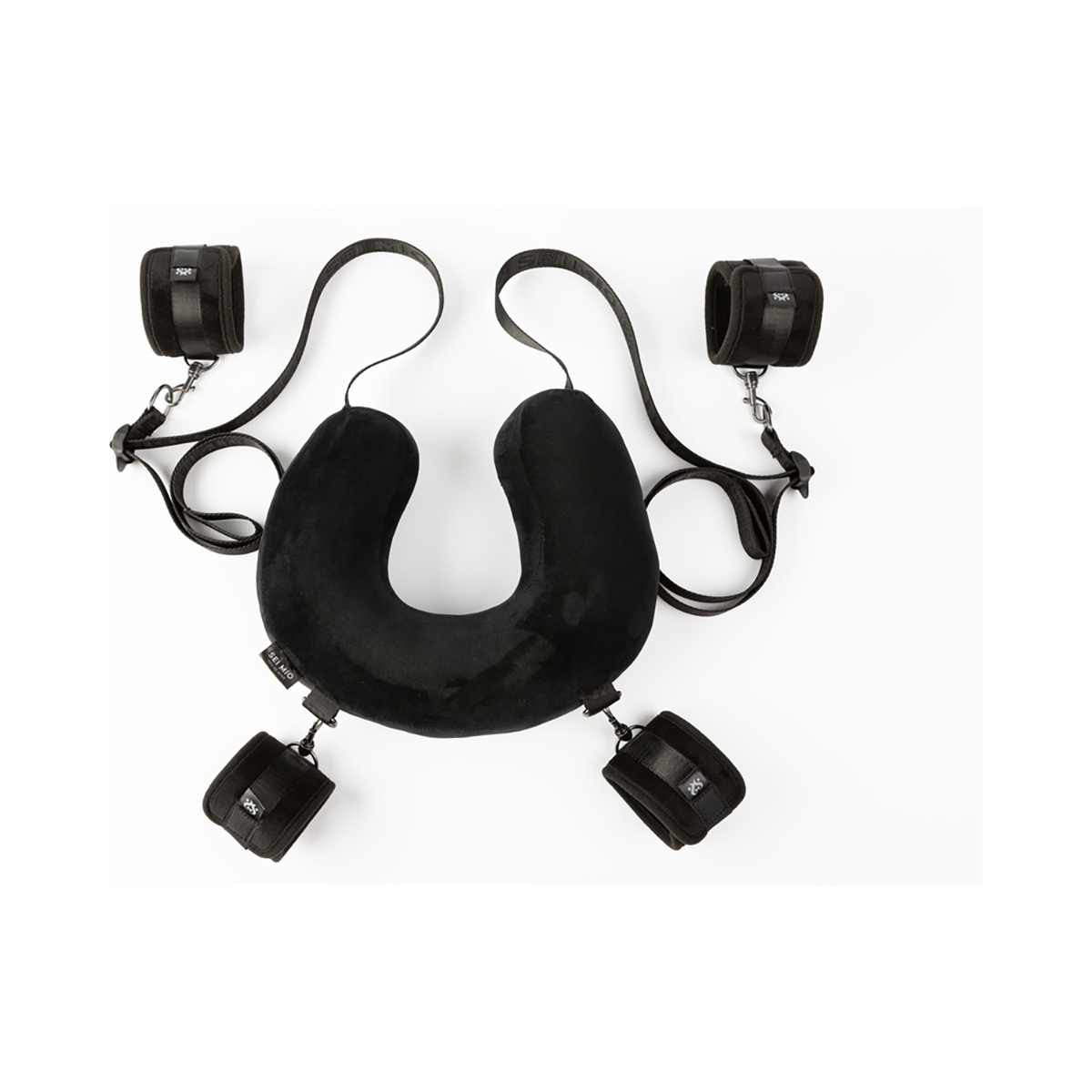
| Sex Swing/Harness | Zero-gravity weight distribution | Maximum | Mobility-limited users |
Using a wedge pillow, for instance, allows for a "set and forget" approach to comfort. Once the angle is established, partners can focus entirely on the sensation and emotional connection rather than adjusting their bodies to avoid pain. Similarly, a bolster can take the strain off the knees in rear-entry positions, allowing the encounter to last longer without physical distress.
The Spooning Position: The Ultimate Comfort-Control Hybrid
If the goal is to maximize comfort while maintaining a high degree of control over intimacy, the side-lying "spooning" position is often the superior choice. This position allows both partners to lie on their sides, one behind the other.
From a comfort perspective, spooning is virtually unmatched. It requires almost no balance or weight-bearing effort from either partner. The spine remains in a neutral, side-lying posture, and the bed provides full-body support. For added comfort, placing a pillow between the knees helps keep the hips square, which is vital for anyone with sciatica or hip bursitis.
In terms of control, spooning allows for easy access to the entire body. The partner in front can control the depth by shifting their hips or moving their legs, while the partner behind can use their hands for additional stimulation. Because the movements are horizontal rather than vertical, the pace tends to be more rhythmic and sustainable, making it an ideal choice for long sessions or for those recovering from fatigue.
Navigating Physical Limitations and Pain
When choosing a position for comfort and control, one must account for specific physical limitations. Chronic back pain, arthritis, and cardiovascular health can all influence which position is "best."
- Lower Back Pain (LBP): For those with LBP, positions that favor a neutral or slightly rounded spine (like spooning or modified missionary with knees to chest) are generally preferred over positions that require an arched back (like traditional doggy style).
- Knee and Hip Issues: High-friction or high-weight-bearing positions should be avoided. The supine position with pillows under the knees or the side-lying spooning position are the most joint-friendly options.
- Stamina Concerns: Positions where the bed supports the majority of the weight allow for longer duration. Using furniture or pillows to "propping" one's body can help conserve energy.
In all cases, the "control" element should include the ability to stop or change the angle instantly if a sharp pain occurs. This requires a level of communication and trust that is the foundation of any comfortable sexual experience.
Frequently Asked Questions
Which back position is best for someone with a herniated disc?
The spooning (side-lying) position is generally considered the safest for individuals with a herniated disc. It maintains the spine in a neutral alignment and prevents the excessive flexion (bending forward) or extension (arching backward) that can exacerbate disc pressure. Always consult with a physical therapist to determine which specific movements are safe for your unique injury.
How can I increase control during rear-entry positions if I have weak wrists?
If wrist strength is an issue, move from your hands to your forearms. By placing your elbows on the bed or a firm stack of pillows, you redistribute your weight across a larger surface area. You can also use a "triangular" approach by leaning your chest against the headboard or a pile of pillows, which removes the need for arm support entirely.
Does using a wedge pillow really make a difference for comfort?
Yes, a wedge pillow is one of the most effective tools for sexual ergonomics. It provides a consistent, firm angle that a standard feather pillow cannot match. By elevating the pelvis, it changes the "angle of incidence" for penetration, which often leads to better internal stimulation with less physical effort from either partner.
Is "Prone Bone" safe for the lower back?
The prone position (lying on your stomach) can be tough on the lower back if the back is allowed to arch excessively. To make it safe and comfortable, place a pillow under your lower abdomen/pelvis. This flattens the lumbar curve and protects the spinal discs from being pinched during the movement.
How do we transition between positions without losing the "control" element?
Transitioning slowly is key. Maintain physical contact during the shift, and use your core muscles rather than jerky movements to change your orientation. If you are using props like pillows, have them staged within reach before you begin, so you don't have to break the rhythm to find support.
Practical Recommendation for 2026
For the best results in 2026, start your session by incorporating ergonomic props before you feel fatigue. Don't wait for your back to hurt or your knees to ache before reaching for a pillow. We recommend starting with a Modified Missionary using a hip wedge for approximately 10-15 minutes, then transitioning into a Side-Lying Spooning position to maintain intimacy while allowing the body to rest. This progression ensures that the "control" remains a choice of pleasure rather than a struggle against physical exhaustion. Always communicate with your partner about the "feel" of the angle; a shift of just one or two inches can be the difference between a strained muscle and a perfect encounter.
Image Gallery