Understanding What Foundation Repair KY Costs Really Are in 2026
Foundation repair costs in Kentucky typically range from $3,500 to $15,000 for standard residential projects, though major structural interventions can exceed $25,000. These figures fluctuate based on the specific geological conditions...
Foundation repair costs in Kentucky typically range from $3,500 to $15,000 for standard residential projects, though major structural interventions can exceed $25,000. These figures fluctuate based on the specific geological conditions of the region, the type of foundation—such as poured concrete versus block—and the severity of the shifting, settling, or water damage present at the site.
Contents
The Geological Reality of Kentucky Foundations
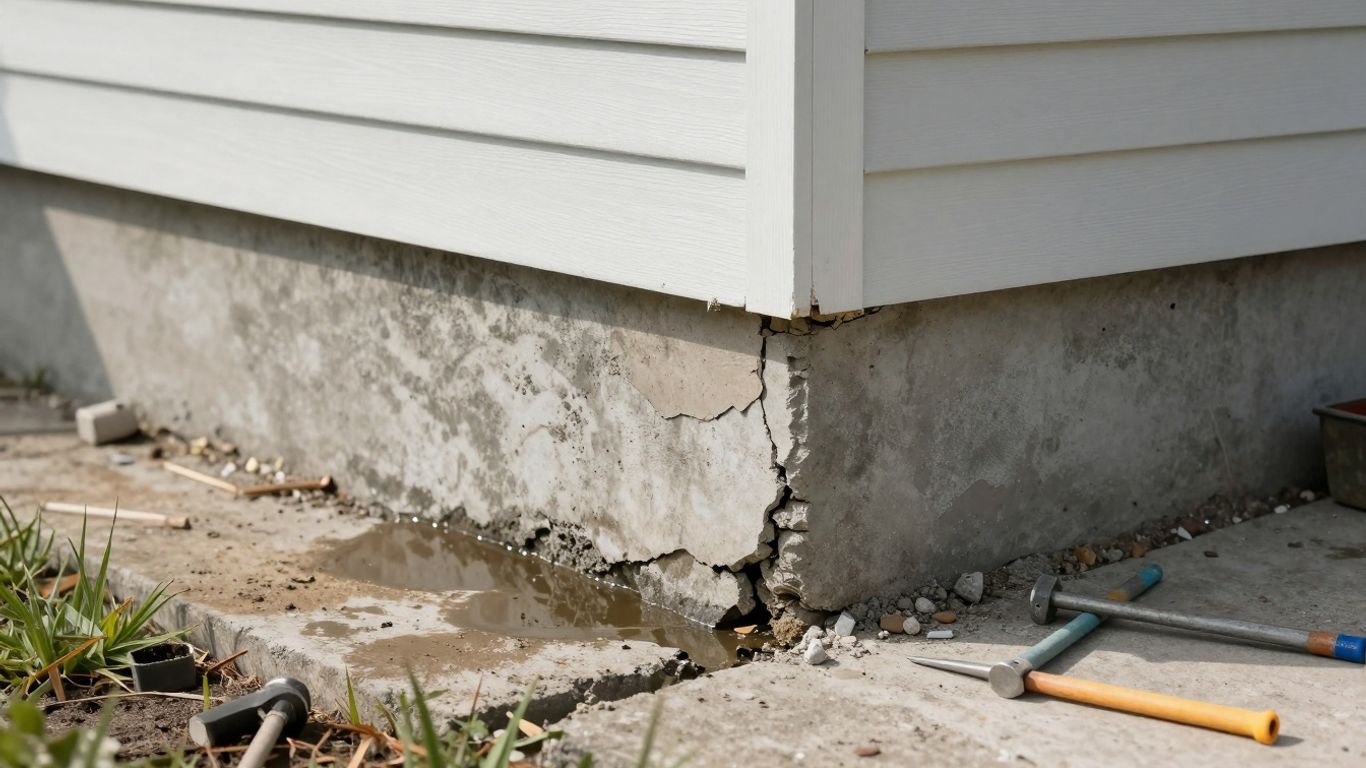
Kentucky presents unique challenges for residential and commercial foundations. Much of the state sits on karst topography, characterized by limestone bedrock that is prone to sinkholes and shifting soil moisture levels. When assessing what foundation repair KY costs really are, homeowners must first recognize that the state's clay-heavy soil expands during wet seasons and shrinks during droughts. This constant cycle of expansion and contraction exerts immense pressure on basement walls and crawl space footings, often leading to horizontal cracking, bowing walls, or uneven floors.
Unlike regions with stable, sandy soil, Kentucky requires specialized geotechnical awareness. Repair contractors must account for the depth to bedrock and the stability of the surrounding water table. Because these environmental variables are non-negotiable, the cost is rarely dictated by the contractor’s markup alone, but by the engineering requirements necessary to bridge the gap between your home’s load-bearing walls and stable earth.
Breakdown of Repair Methodologies and Pricing
To understand the investment required, it is essential to distinguish between localized patching and true structural stabilization. Surface-level repairs, such as epoxy injections for minor cracks, are relatively inexpensive but often fail to address the root cause of movement. Structural repairs, which guarantee the integrity of the home, involve invasive mechanical work.
Common Structural Repair Techniques
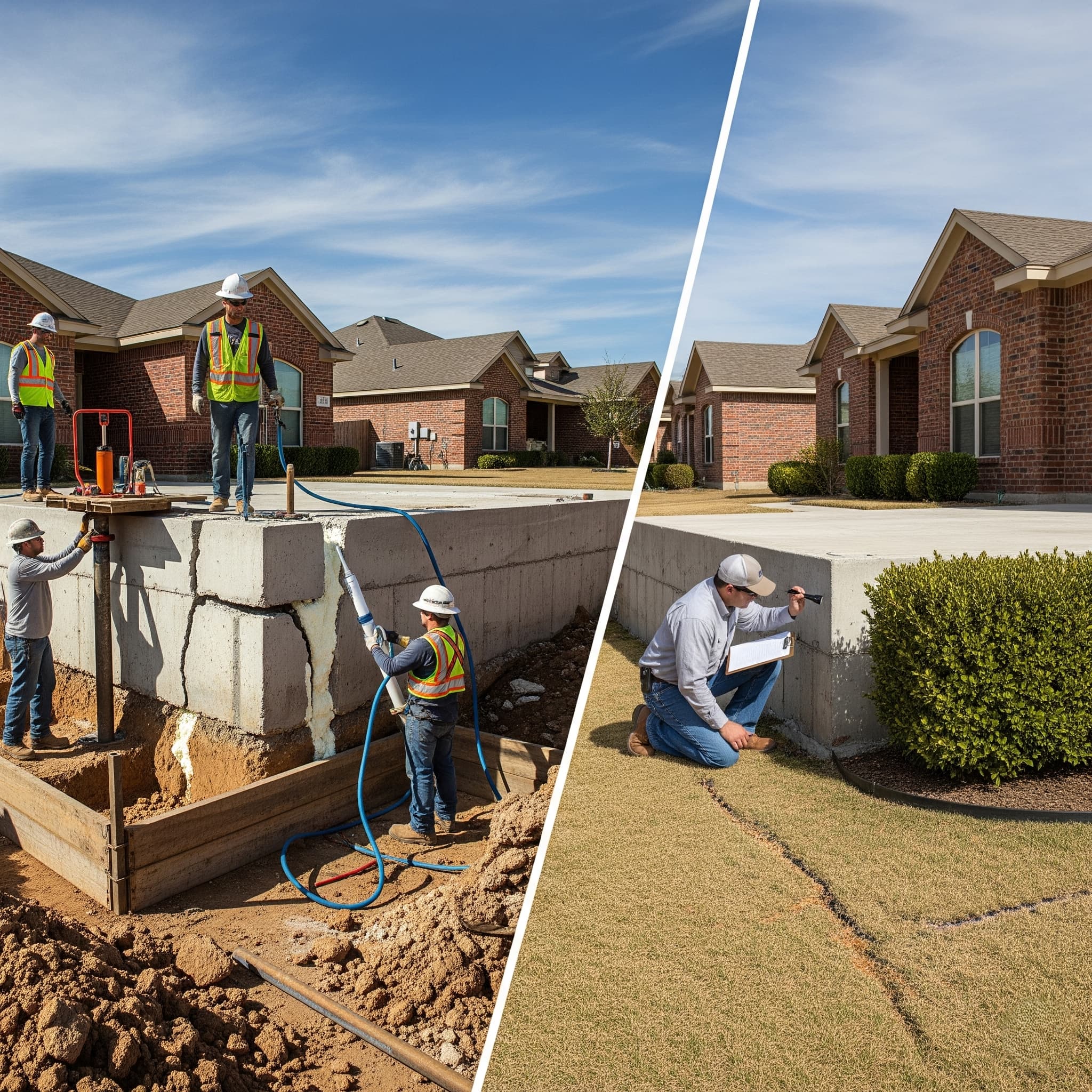
- Piering Systems: This is the industry standard for sinking foundations. Steel piers or helical piles are driven deep into the ground until they hit bedrock or load-bearing strata. These piers then support the weight of the foundation, allowing the home to be lifted or stabilized. This is the most expensive, yet most permanent, solution.
- Carbon Fiber Straps: Used primarily for bowing basement walls, these straps are epoxied to the interior of the wall to prevent further inward movement. This is a cost-effective alternative to excavation for walls that have not yet failed significantly.
- Wall Anchors: These utilize an exterior earth plate connected to an interior wall plate via a steel rod. By tightening the rod, the wall is anchored into more stable soil further away from the house.
- Mudjacking or Slab Jacking: For concrete slabs that have settled, contractors inject a slurry of concrete or specialized foam through small holes in the slab to raise it back to its original position.
Comparative Cost Table for Kentucky Foundation Repairs
| Repair Method | Estimated Cost Range | Best For |
|---|---|---|
| Epoxy Crack Injection | $500 – $1,500 | Minor, non-structural leaks |
| Carbon Fiber Straps | $800 – $1,500 per strap | Bowing walls (early stage) |
| Wall Anchors | $1,000 – $2,500 per anchor | Bowing walls (mid-stage) |
| Helical/Steel Piers | $2,000 – $4,500 per pier | Settling foundations (structural) |
| Mudjacking/Foam Leveling | $2,500 – $6,000 | Settled driveways or slabs |
Note: The figures above reflect 2026 market estimates for materials and labor in Kentucky. Prices vary based on local labor rates and specific project complexity.
Factors That Influence Your Final Quote
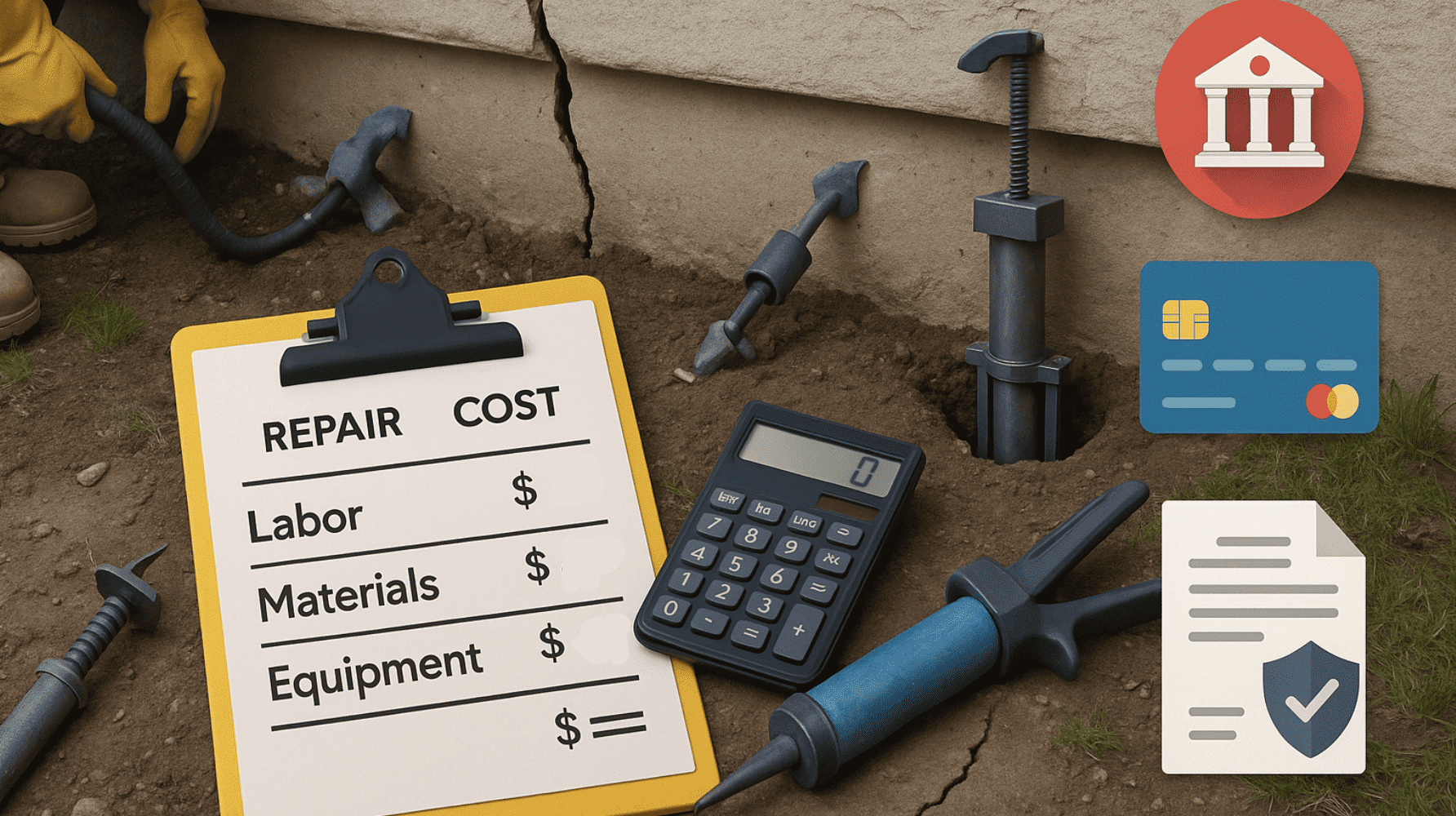
Beyond the method chosen, several variables can dramatically inflate the cost of your project. If you are researching these costs for a budget estimate, consider these "invisible" factors that contractors will evaluate during a site visit.
Access and Obstruction If your foundation is located in an area where heavy machinery cannot reach, the labor cost will increase. Hand-digging or utilizing smaller, less efficient equipment increases the man-hours required for the project. Similarly, if your home has a finished basement, the cost to remove and replace drywall, electrical wiring, or plumbing to access the repair site will be an additional expense that many homeowners forget to factor into the repair budget.
Engineering and Permitting In many Kentucky municipalities, structural repairs require a permit and, occasionally, an assessment by a licensed structural engineer. Professional engineer reports can cost between $500 and $1,500. While this is an additional upfront cost, it is a critical safety measure. An engineer provides a verified plan that ensures the repair is not merely cosmetic but actually holds the structure correctly, potentially saving you from a repeat repair cycle in five years.
Soil Condition and Depth to Bedrock If your foundation requires piers, the depth of your home’s footings relative to stable ground is the primary cost driver. In areas of Kentucky where bedrock is deep, contractors may need to use more steel piling sections to reach a stable load-bearing point. Every additional foot of depth adds to the material costs.
Avoiding Common Mistakes in Vendor Selection
The foundation repair industry is often subject to high-pressure sales tactics. It is vital to distinguish between a "consultant" who wants to sell you an expensive piering system and an expert who identifies the most efficient solution for your specific issue.
Always ask for a breakdown of the repair strategy. If a company suggests piers, ask them how they determined the load-bearing capacity of the soil. Be wary of companies that demand full payment upfront or those that do not provide a clear, multi-year warranty on their work. In Kentucky, reputable contractors will often offer transferable warranties, which can be an asset when selling your home in the future.
Frequently Asked Questions
How can I tell if my foundation issue is structural or cosmetic? Cosmetic cracks are typically thin (hairline) and do not change over time. Structural issues, however, are characterized by cracks wider than 1/8 inch that appear in a "stair-step" pattern on masonry or that move horizontally. Other signs include doors and windows that stick, floors that feel uneven, or chimney separation.
Does homeowners insurance cover foundation repairs? Generally, standard homeowners insurance policies in Kentucky do not cover foundation repair caused by settling or ground movement. If your foundation was damaged by a specific, sudden event—such as a burst pipe that washed away the soil beneath your house—you might have a claim, but "wear and tear" or "natural settlement" are rarely covered.
Is it safe to wait before repairing a foundation? Foundation problems are almost always progressive. While a small crack might seem manageable today, water intrusion will degrade the steel reinforcement (rebar) inside your concrete over time. Addressing the issue early often saves money by preventing the need for more invasive, expensive stabilization methods later.
How long does a typical foundation repair take? Simple crack injections can be completed in a single day. More extensive structural work, such as installing a system of steel piers or wall anchors, typically takes between three to five business days, depending on the accessibility of the work area and weather conditions.
Should I hire a general contractor or a foundation specialist? Foundation repair is a highly specialized trade. While a general contractor may be cheaper, they often lack the specialized equipment and engineering expertise required to address sub-surface soil movement. Hiring a specialized foundation firm ensures you have access to industry-specific warranties and equipment designed for these tasks.
Next Action: Verification and Site Evaluation
If you suspect your foundation is failing, the first objective, actionable step is to schedule an inspection with at least three independent, reputable foundation repair contractors. Do not rely on a single quote. During these visits, ensure that the contractors explain the mechanism of the repair—why their suggested method solves the specific movement your home is exhibiting. Once you receive your quotes, compare them not just by total price, but by the method of repair, the warranty provided, and the reputation of the firm. If the scope of work seems overwhelming, hiring an independent structural engineer before signing a contract with any repair company provides an unbiased, third-party assessment of exactly what your home needs.
Image Gallery