The Best Modern Record Player: A Verdict on Performance and Trade-Offs
Selecting the best modern record player requires balancing the nostalgic appeal of analog playback with the convenience and technical precision of contemporary engineering. Today’s market is defined by a dichotomy between plug-and-play...
Selecting the best modern record player requires balancing the nostalgic appeal of analog playback with the convenience and technical precision of contemporary engineering. Today’s market is defined by a dichotomy between plug-and-play convenience and the modular, high-fidelity setups favored by audiophiles. Determining the right machine involves evaluating build quality, cartridge compatibility, and the integration of digital features like Bluetooth or USB output against the pure, unaltered signal path favored by purists.
Contents
Understanding the Modern Vinyl Landscape
The vinyl revival of the 2010s and 2020s has fundamentally changed the hardware ecosystem. Unlike the mid-20th-century market, which relied on established heavyweights, the modern market features a mix of boutique high-end manufacturers, rejuvenated legacy brands, and mass-market electronics companies.
When evaluating a record player in 2026, you are essentially choosing between three distinct classes of hardware:
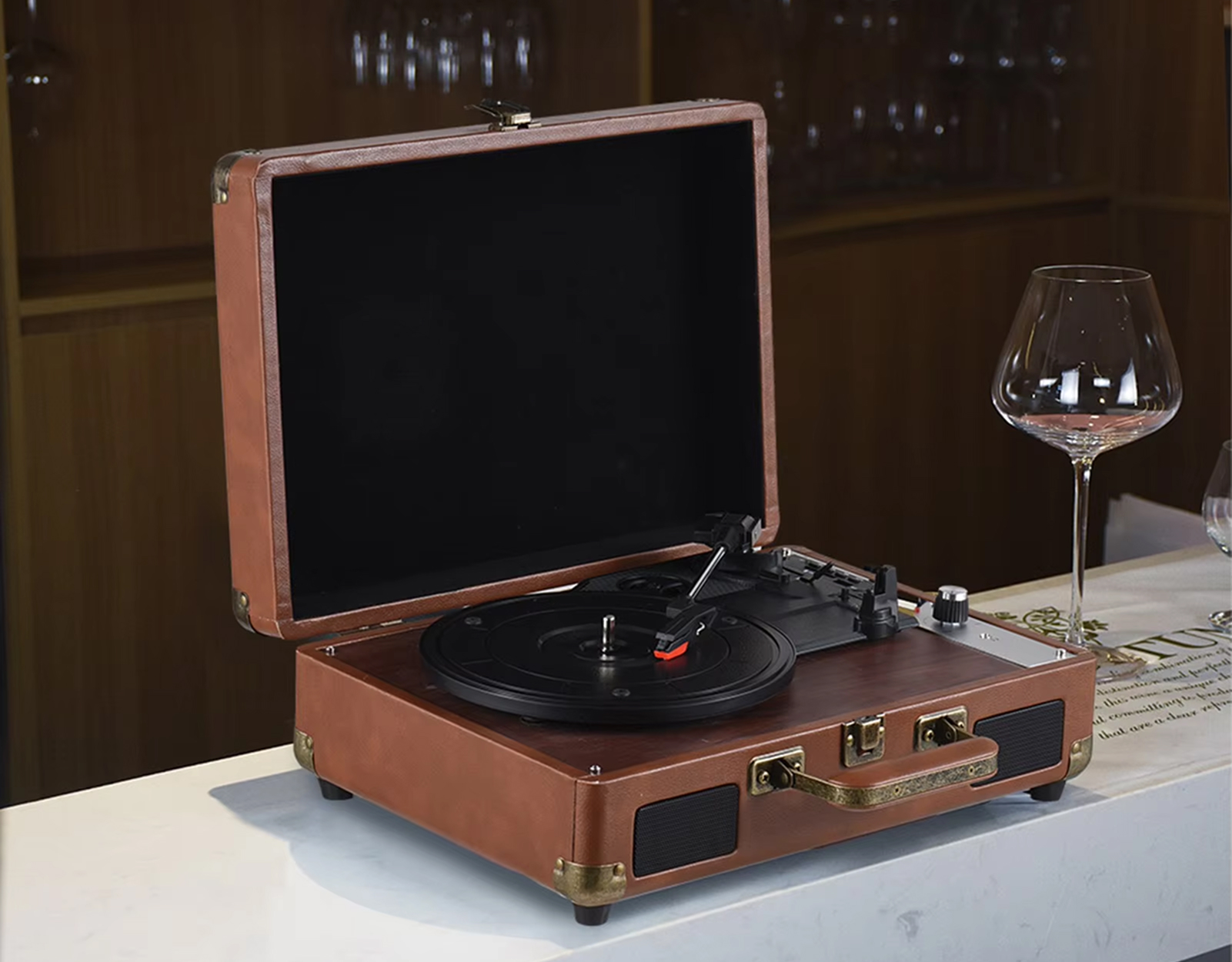
- The Entry-Level Integrated System: These often include built-in speakers and potentially Bluetooth connectivity. While accessible, they frequently trade off sound quality and record longevity due to non-adjustable tracking force.
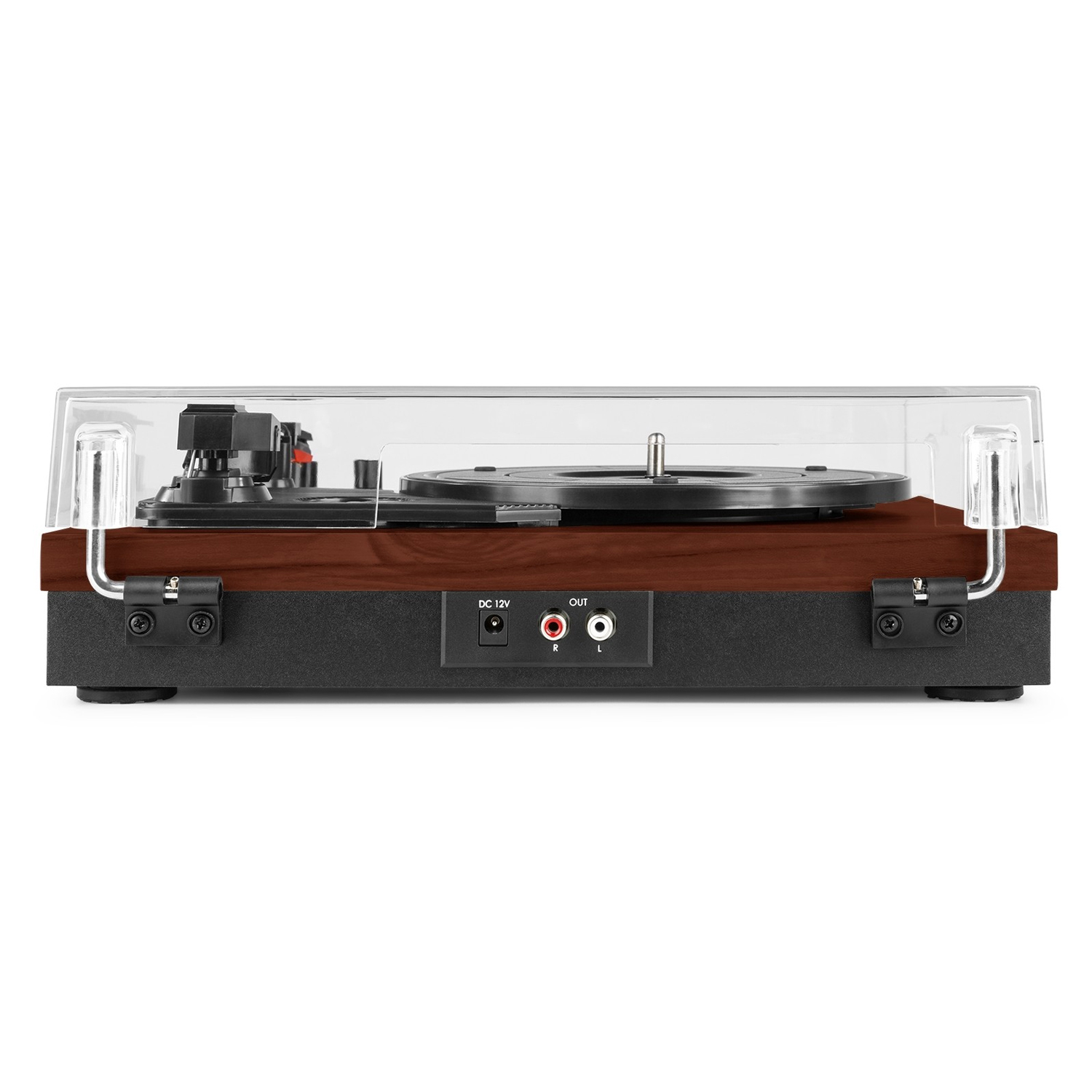
- The "Modern Hi-Fi" Deck: Designed for those who want quality without complexity. These units usually feature a pre-mounted cartridge, an internal phono preamp, and a solid, vibration-damped plinth.
- The Enthusiast/Audiophile Modular Deck: These require the user to source a separate phono stage, amplifier, and speakers. They provide the highest performance potential but demand a higher financial and technical investment.
Core Trade-Offs: Convenience Versus Fidelity
The primary conflict in modern turntable design is the trade-off between "convenience features" and "signal purity." Many entry-level and mid-range modern players include a built-in phono preamplifier (phono stage) and an Analog-to-Digital Converter (ADC) for USB recording.
- Integrated Phono Stages: These save space and money, as you do not need to purchase a separate box to boost the phono signal to line level. However, integrated circuits are often susceptible to electrical noise from the motor or internal power supply, which can slightly degrade the signal-to-noise ratio compared to a high-quality external unit.
- Bluetooth Connectivity: While convenient for wireless listening, Bluetooth technology inherently compresses audio data. If you are playing high-quality vinyl through a wireless speaker, you are essentially discarding the primary benefit of vinyl—its uncompressed analog nature—at the final stage of the signal chain.
- Automatic vs. Manual Operation: Automatic turntables offer the safety of a mechanical arm lift, preventing the stylus from lingering in the lead-out groove. Manual turntables have fewer moving parts, reducing the potential for mechanical failure and unwanted vibrations, but require the user to manually cue the start and end of the record.
Technical Specifications to Evaluate
Before purchasing, identify these critical hardware specifications to ensure long-term equipment compatibility and record preservation.
Adjustable Tracking Force and Anti-Skate
Never invest in a record player that lacks a counterweight or an adjustable tracking force mechanism. A fixed-weight tonearm—often found in budget-priced "suitcase" players—cannot be calibrated. If the weight is too high, it accelerates wear on your vinyl; if it is too low, the stylus will skip, which can cause deep scratches in the record grooves.
Cartridge Compatibility
Look for a headshell that uses a standard half-inch mount. This allows you to upgrade your cartridge later. The cartridge and stylus are the most important components in your signal chain; the ability to upgrade from an entry-level moving magnet (MM) cartridge to a high-performance model is a hallmark of a long-lasting, serious deck.
Wow and Flutter
"Wow" refers to slow pitch fluctuations, while "flutter" refers to rapid, high-frequency pitch variations. A reputable manufacturer will list these specs in their technical manual. Lower percentages (typically below 0.2% weighted) indicate a more stable motor and platter assembly.
Comparative Hardware Overview
| Feature Category | Integrated/Entry-Level | Enthusiast/Modular | Key Verdict |
|---|---|---|---|
| Setup Time | < 10 Minutes | 1–3 Hours | Convenience vs. Precision |
| Component Quality | Plastic/Lightweight | MDF/Metal/Damped | Longevity and Resonance |
| Upgrade Path | Limited/None | Extensive | Modularity is Key |
| Sound Signature | Variable | High Fidelity | Signal Chain Integrity |
Common Pitfalls and Mistakes
The most frequent mistake buyers make is overlooking the importance of vibration isolation. A turntable is a highly sensitive electromechanical device; if placed on the same surface as your speakers, the vibrations will travel back into the stylus, causing a feedback loop that manifests as muddy, distorted bass.
Another common error is the failure to properly level the turntable. Using a simple bubble level, ensure the plinth (the base) is perfectly horizontal. Even a slight tilt can cause uneven pressure on the stylus, leading to channel imbalance and excessive wear on one side of the record groove.
Maintenance and Longevity
Modern turntables, particularly those with belt-drive systems, require periodic maintenance. The rubber belt will stretch over time, typically requiring replacement every 3 to 5 years, depending on usage. Stylus life is generally estimated at 500 to 1,000 playing hours. Keeping a record brush and stylus cleaner on hand is not merely a suggestion; it is a prerequisite for maintaining the sound quality that you paid for when you invested in your hardware.
Frequently Asked Questions
Does a more expensive turntable actually sound better? In many cases, yes. Higher-end turntables use better materials for the platter and plinth to reduce resonance, more precise motor controls to ensure speed stability, and better tonearm bearings to allow the stylus to track the groove more accurately. However, the law of diminishing returns applies; after a certain point, gains become incremental.
Do I need an external phono preamp if my record player has one built-in? If your player has a built-in preamp, you can connect it directly to active speakers or an auxiliary input on an amplifier. If you want to upgrade your sound later, you can bypass the internal preamp by switching it to "Line/Phono" (if a switch is present) or simply upgrading to a turntable without an internal preamp and pairing it with a high-end external phono stage.
Is belt-drive better than direct-drive for a modern user? Belt-drive turntables isolate the platter from the motor, which generally results in less noise transfer. Direct-drive turntables offer better speed consistency and are preferred by DJs for their ability to start/stop quickly. For home listening, belt-drive is typically viewed as the standard for high-fidelity audio.
Can a modern record player damage my vintage vinyl? Only if the tracking force is set incorrectly or the stylus is worn out. Provided you use a turntable with a balanced tonearm and replace your stylus according to manufacturer guidelines, modern turntables are perfectly safe for rare or vintage records.
Why does my audio sound thin or weak? This is almost always a result of a missing or mismatched phono preamp. A turntable puts out a very weak signal that must be amplified and equalized (the RIAA curve) before it reaches your speakers. If you plug a turntable directly into a standard auxiliary input without a phono stage, the sound will be thin and lack all bass.
Final Recommendation
The "best" record player is the one that aligns with your involvement level. If you seek a simple, high-quality audio experience, choose a reputable "Modern Hi-Fi" deck with an integrated preamp and a replaceable cartridge. This provides a balance of convenience and upgradeability. If your priority is the absolute fidelity of your music collection, allocate your budget toward a dedicated, modular manual turntable, and invest the remaining funds into an external phono stage and high-quality passive speakers. Always prioritize a table that allows for adjustable tracking force; it is the single most important factor in protecting your investment in music.
Image Gallery