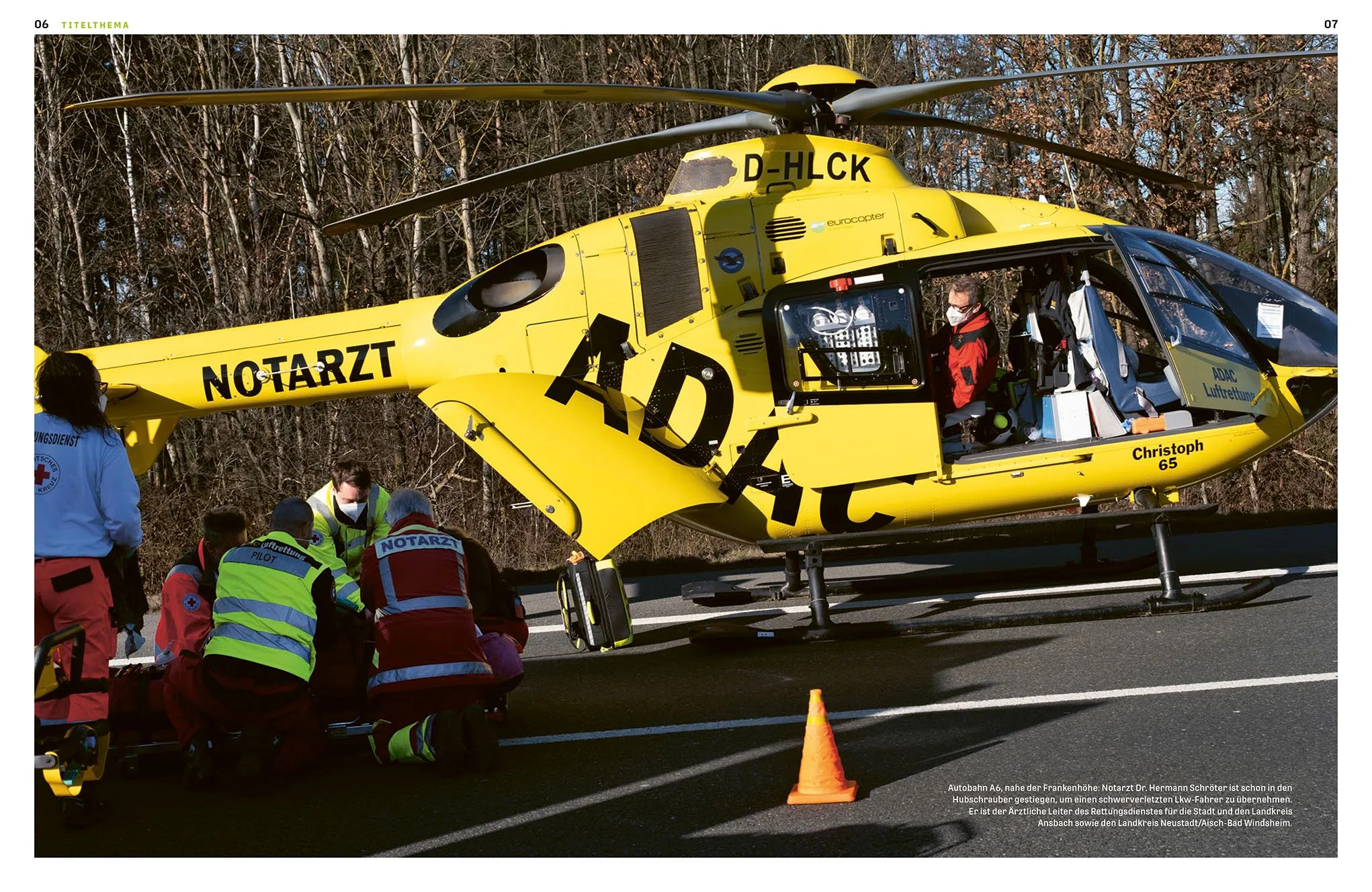
Documentary Rescue Revealed: How Filmmakers Uncover the Realities of Search and Extraction Operations
Documentaries focusing on rescue operations reveal the declassified logistics, psychological pressure, and technical innovations behind real-world search and extraction missions. By combining archival footage, expert interviews, and ta...
Documentaries focusing on rescue operations reveal the declassified logistics, psychological pressure, and technical innovations behind real-world search and extraction missions. By combining archival footage, expert interviews, and tactical reconstructions, these non-fiction films expose the hidden risks, operational failures, and heroic decisions that media headlines frequently omit during live disaster coverage.
Contents
From Breaking News to Investigative Non-Fiction
When a life-threatening disaster occurs, real-time news reporting necessarily focuses on immediate updates: survivor counts, location coordinates, and emotional human-interest angles. However, broadcast news rarely has the time or access required to explain how complex rescues actually succeed or fail. The investigative rescue documentary fills this gap by stepping back from the initial media noise to analyze the underlying mechanics of search and recovery operations.
Documentary filmmakers spend months or years securing declassified operational logs, helmet-camera feeds, radio communication transcripts, and internal post-incident reviews. By placing these primary artifacts into chronological context, non-fiction films reconstruct the precise timeline of events. Viewers gain insight into the micro-decisions made under extreme duress—such as calculating remaining oxygen supplies in low-visibility environments, assessing structural integrity in collapsed buildings, or adjusting flight vectors during dynamic mountain weather shifts.
Furthermore, these films often reveal the stark contrast between public perception and operational reality. What appears to the public as a seamless execution is frequently disclosed to be a series of improvised solutions, tactical gambles, and high-risk technical workarounds devised on the fly by specialized teams when standard protocols fail.
Core Technical Domains Uncovered in Rescue Documentaries
Search and rescue (SAR) encompasses highly technical disciplines, each presenting distinct physical, environmental, and physiological challenges. Documentaries focused on specialized extractions highlight how technical teams adapt engineering and medical principles to overcome extreme environments.
| Subterranean (Cave Diving) | High-Altitude (Alpine Flight) | Maritime (Deep-Water ROV) | USAR (USAR) |
|---|
1. Subterranean and Cave Extractions
Subterranean rescues represent some of the most complex operations in human history due to pitch-black conditions, tight squeezes, and sub-surface hydraulic hazards. Documentaries investigating subterranean operations—such as the 2018 Tham Luang cave rescue in Thailand—detail the rigorous physics and physiological hurdles involved in cave diving:
- Gas Mixture Management: Divers must calculate specific breathing gas blends (such as Trimix or Nitrox) to avoid oxygen toxicity or nitrogen narcosis at variable depths.
- Visibility and Navigation: Continuous guide lines (guidelines) are essential; losing contact with a line in zero-visibility silt conditions almost always proves fatal.
- Medical Logistics: Moving non-diver casualties through narrow, water-filled passages requires groundbreaking medical interventions, including medical sedation protocols to prevent panic-induced drowning during transit.
2. High-Altitude and Alpine Search and Rescue
Alpine rescues place intense demands on rotary-wing aviation and mountain guide logistics. Investigative films focusing on alpine environments highlight the physical limitations of high-altitude operations:
- Density Altitude and Rotor Sag: As altitude increases and air density drops, helicopter engine performance and rotor lift decrease significantly, limiting payload capacity and hover stability.
- Dynamic Hoist Operations: Winch rescues from sheer cliff faces require precise synchronization between the pilot, hoist operator, and ground crew to manage pendulum effects and sudden wind shear.
- Thermal and Optical Sensor Integration: Modern rescue aircraft utilize Forward-Looking Infrared (FLIR) arrays to detect body heat signatures beneath canopy cover or avalanche debris.
3. Deep-Sea and Maritime Operations
Maritime and deep-water salvage documentaries reveal the deep-sea engineering required to operate thousands of feet below sea level. These productions focus on the mechanical systems used in high-pressure aquatic environments:
- Remotely Operated Vehicles (ROVs): Uncrewed submersibles equipped with high-definition cameras, multi-beam sonar, and robotic manipulators conduct deep-water search grids where human divers cannot survive.
- Saturation Diving: For deep-water repairs or recoveries within human diving limits, saturation divers live in pressurized surface habitats for weeks, breathing helium-oxygen mixes to prevent decompression sickness.
- Hyperbaric Medical Care: Rescued personnel recovered from high-pressure environments require immediate transfer to hyperbaric chambers to slowly decompress and manage systemic arterial gas embolisms.
4. Urban Search and Rescue (USAR)
Urban search and rescue operations following earthquakes, structural collapses, or industrial explosions rely on heavy engineering, acoustic monitoring, and canine detection:
- Structural Shoring and Breaching: Teams install hydraulic, pneumatic, or wooden shoring systems to stabilize dynamic structural rubble before searchers enter void spaces.
- Acoustic and Seismic Sensors: Sensitive listening arrays pick up faint vibrations or tapping sounds made by trapped survivors beneath tons of reinforced concrete.
- Canine SAR Operations: Air-scent and disaster-search dogs locate live human scent in complex rubble piles, directing heavy-breaching teams to specific target coordinates.
Tactical Matrix: Comparing Rescue Disciplines
The table below summarizes the key technical hurdles, primary equipment, and critical operational insights revealed across different documentary rescue domains.
| Rescue Domain | Primary Environmental Hazards | Specialized Technical Gear | Key Tactical Decision Points | Revealed Operational Insights |
|---|---|---|---|---|
| Subterranean / Cave | Zero visibility, cold water, restricted passages, flooding risks | Dual-rebreathers, static guide lines, specialized patient sedation | Deciding between waiting out floodwaters or attempting underwater transport | Standard diving protocols often fail in zero-visibility squeezes; customized gear modifications are mandatory. |
| High-Altitude / Alpine | Thin air, sudden wind shifts, freezing temperatures, avalanche risk | FLIR cameras, high-altitude rotary aircraft, dynamic winch hoists | Deciding whether hover-out-of-ground-effect (HOGE) extraction is safe given fuel load | Engine power margins shrink rapidly at high density altitudes, requiring weight minimization. |
| Deep-Sea / Maritime | Extreme hydrostatic pressure, hypothermia, open-ocean swells | Deep-water ROVs, side-scan sonar, hyperbaric chambers | Choosing between automated ROV intervention vs. manned saturation diving | Sonar signature interpretation requires specialized training to distinguish target debris from natural seabed features. |
| Urban (USAR) | Secondary collapse, hazardous materials, confined space toxic air | Hydraulic shoring, acoustic seismic detectors, search canines | Risk assessment: weight-bearing timber shoring vs. rapid structural breaching | Heavy equipment can shift load balance, threatening trapped survivors; manual micro-tunneling is often safer. |
Psychological, Ethical, and Operational Realities
Beyond technical hardware, documentaries uncovering rescue operations explore the intense psychological dynamics experienced by command staff and front-line rescuers.
The Burden of Incident Command and Triage
In mass-casualty or high-risk extraction scenarios, overall incident command follows structured frameworks like the Incident Command System (ICS). Command officers must continuously evaluate the risk-to-benefit ratio: weighing the probability of saving a life against the risk posed to rescue personnel. Documentaries often feature candid interviews with incident commanders reflecting on the agonizing decision to halt operations due to secondary hazards, such as incoming storm fronts, structural instability, or toxic atmospheric readings.
Ethics of Disaster Documentary Filmmaking
Filmmakers documenting active or recent rescues face severe ethical responsibilities:
- Informed Consent and Victim Privacy: Capturing individuals at their most vulnerable demands strict adherence to consent standards. Responsible producers obscure sensitive medical details and avoid exploitatively dramatizing human suffering.
- Non-Interference with Operations: Camera crews in active operational zones must maintain strict non-interference with emergency responders. Modern productions increasingly rely on body-worn cameras and uncrewed aerial vehicles (UAVs) to record footage without burdening command assets.
- Authenticity vs. Dramatization: A primary critique of broadcast television docudrama is the insertion of artificial suspense. Leading non-fiction documentary directors prioritize procedural accuracy, allowing genuine operational tension—such as technical delays, radio interference, and equipment re-calibration—to drive the narrative.
How Documentaries Expose Failures and Drive Systemic Reform
Documentaries do not merely celebrate success; they act as public record instruments that expose systemic vulnerabilities and push regulatory change.
Identifying Inter-Agency Communication Gaps
Many investigative rescue films detail how multi-agency responses break down due to incompatible radio frequencies, overlapping jurisdictional authority, or conflicting chain-of-command structures. Exposing these bottlenecks on screen puts pressure on emergency management agencies to standardize communications protocols and adopt unified command frameworks.
Highlighting Equipment Limitations
When specialized gear fails during critical operations, documentaries highlight the exact technical failure points. Documented cases of structural collapse or deep-water failures have directly influenced safety equipment manufacturers to redesign harness systems, improve battery life in thermal imaging units, and refine emergency rebreather systems.
Official Investigations and Public Accountability
The evidence gathered by documentary journalists often mirrors or complements official post-incident investigations conducted by statutory bodies such as the National Transportation Safety Board (NTSB) or the United States Coast Guard. By translating complex engineering reports into accessible visual media, documentaries ensure that safety recommendations are understood by the broader public, driving institutional accountability.
Evaluating Rescue Documentaries for Technical Accuracy
With the abundance of non-fiction programming available, viewers and researchers must critically evaluate the authenticity of rescue documentaries. Use the following framework to separate rigorous technical reporting from sensationalized dramatization:
- DOCUMENTARY ACCURACY EVALUATION
- Primary Source Verification
- On-duty operational staff
- Official logbooks/telemetry
- Peer-reviewed safety reports
- Visual Material Assessment
- Authentic operational footage
- Clear labeling of reenactments
- Unedited audio transmissions
- Primary Source Verification
- Verify Source Authority: Look for primary interviews with actual field operatives, incident commanders, and technical specialists directly involved in the mission, rather than third-party commentators or dramatic narrators.
- Examine Archival Integrity: Determine whether operational footage is authentic helmet-cam, body-cam, or dash-cam recording, or if it consists of restaged reenactments. High-quality documentaries explicitly label dramatized recreations.
- Cross-Reference Official Reports: Compare claims made in the documentary with formal public records, such as civil defense debriefs, mountain rescue association incident logs, or maritime investigation reports.
- Assess Commercial Bias: Evaluate whether the documentary was funded or controlled by entities with a financial or reputational stake in the narrative, which may result in minimizing human error or operational oversights.
Frequently Asked Questions
How do documentary crews obtain access to restricted rescue operations?
Filmmakers secure access by establishing formal media agreements, embedded access clearances, or public records requests with government and civilian rescue agencies. Production teams must sign liability waivers and demonstrate that their presence will not interfere with active command structures or endanger rescue personnel.
What distinguishes an investigative rescue documentary from a docudrama?
An investigative rescue documentary relies strictly on authentic archival footage, verified telemetry, official radio logs, and unscripted primary-source interviews. A docudrama uses professional actors, scripted dialogue, and dramatized scenes to visually recreate events, prioritizing narrative pacing over exact procedural accuracy.
Why are certain operational details omitted from public rescue documentaries?
Details are typically excluded due to operational security, ongoing legal proceedings, privacy rights of victims and their families, or non-disclosure agreements surrounding proprietary military or tactical technology. Sensitive radio transmissions containing private medical data are routinely redacted under privacy guidelines.
How has camera technology changed the production of rescue documentaries?
The development of ultra-compact action cameras, lightweight thermal sensors, and high-resolution uncrewed aerial vehicles (UAVs) allows filmmakers to capture real-time footage inside dangerous environments—such as burning structures, high-altitude climbs, or narrow cave passages—without adding weight or operational distraction for rescue teams.
How do documentary makers handle trauma when interviewing survivors and rescuers?
Ethical documentary directors use trauma-informed interviewing techniques. This involves providing interviewees control over the interview setting, granting options to pause or discontinue questioning, avoiding leading questions that trigger distress, and ensuring psychological support resources are made available during and after production.
Practical Recommendations for Viewers and Researchers
For individuals seeking to study search and rescue logistics or evaluate rescue media critically, consider the following actionable steps:
- Study Official Incident Reports: Supplement film viewing by consulting official databases maintained by entities like the National Search and Rescue Committee (NSARC) or national mountain safety councils to review primary telemetry and official post-incident findings.
- Support Volunteer Rescue Organizations: Many subterranean, mountain, and wilderness extractions are carried out by volunteer organizations. Support certified non-profit teams such as the National Association for Search and Rescue (NASAR) or local alpine rescue units through training donations and public awareness.
- Analyze Technical Media Critically: When watching non-fiction rescue content, look for clear disclosures regarding restaged footage, check for primary operational sources in the credits, and scrutinize whether complex physical realities are accurately portrayed or oversimplified for dramatic effect.
Image Gallery