Analyzing the Net Worth of Chris James and Deadmau5: Financial Realities in Modern Electronic Music
While direct financial transparency varies significantly between underground contributors and global superstar DJs, the combined economic footprint of producer-vocalist Chris James and electronic music icon Deadmau5 spans millions of d...
While direct financial transparency varies significantly between underground contributors and global superstar DJs, the combined economic footprint of producer-vocalist Chris James and electronic music icon Deadmau5 spans millions of dollars generated through touring, master rights, publishing, and technology ventures. Deadmau5—born Joel Thomas Zimmerman—commands a substantial multi-million dollar fortune built over two decades of chart-topping independent releases, massive festival headlining fees, and high-value tech innovations, whereas Chris James maintains a more targeted, project-dependent net worth derived from high-profile songwriting credits, vocal collaborations, and production work within the global dance music ecosystem.
Contents
Evaluating the individual financial standings of these two figures requires looking past sensationalized internet estimates and examining the actual structures of modern electronic music economies. While public net worth trackers often aggregate conflicting data without verifying real estate, royalty distributions, or corporate assets, understanding how artists of different tiers monetize their intellectual property provides a clearer picture of their respective economic positions in the industry.
The Financial Architecture of Modern Electronic Music
To understand the net worth of figures like Deadmau5 and collaborators such as Chris James, one must examine the diverse revenue streams that sustain independent electronic music artists. Unlike legacy rock acts or mainstream pop stars who rely heavily on major-label distribution networks and traditional radio play, independent electronic producers and touring vocalists operate within a multifaceted business model.
Primary Revenue Streams for Independent Producers
- Touring and Live Performance: Live shows remain the primary engine of wealth generation for headline DJs. Ticket sales, merchandise, and festival guarantees constitute the bulk of annual earnings.
- Master Rights and Publishing: Owning the underlying composition (publishing) and the specific audio recording (master) allows artists to capture recurring passive income from streaming services like Spotify and Apple Music, alongside synchronization licensing for television, film, and video games.
- Brand Partnerships and Tech Ventures: Hardware integrations, software plugin developments, and corporate sponsorships offer lucrative alternative income channels for technologically proficient artists.
For major headliners, these streams accumulate into multi-million dollar portfolios. For featured vocalists and co-writers like Chris James, earnings are typically structured around performance royalties, negotiated flat fees for top-line writing, and percentage-based shares of master or publishing rights on specific collaborative tracks.
Deadmau5 (Joel Zimmerman): Economic Profile of a Global Icon
Deadmau5 stands as one of the most commercially successful independent electronic music artists of the twenty-first century. Rather than signing traditional multi-album contracts with major conglomerates, Zimmerman retained ownership of his master recordings early in his career through his label, mau5trap. This strategic independence significantly magnifies his long-term net worth, as he captures a vastly higher percentage of streaming revenue and licensing fees compared to label-signed peers.
Touring Scale and Festival Economics
At his peak touring capacity, Deadmau5 commands six-figure performance fees per headline set. His elaborate stage productions—most notably the iconic LED "cube" installations—require substantial capital investment but allow him to command top-tier festival billing and high ticket prices for arena-scale headlining tours across North America and Europe. These live operations generate consistent multi-million-dollar gross revenues annually.
Catalog Valuation and mau5trap Records
The establishment of mau5trap in 2007 created an enterprise asset encompassing not only his own extensive catalog—including global hits like "Strobe," "Ghosts 'n' Stuff," and "The Veldt"—but also a roster of developing electronic artists. Music catalogs of this stature hold significant institutional value, frequently commanding substantial valuations if partially or fully monetized through private equity or catalog acquisition firms.
Technological and Entrepreneurial Ventures
Beyond music production, Zimmerman has diversified his financial portfolio into technology and gaming. His ventures include investments in audio software development, virtual reality environments, and high-end streaming equipment. These secondary business interests insulate his wealth from the cyclical nature of live touring and provide steady corporate dividends.
Chris James: Vocal Contribution and Collaborative Value
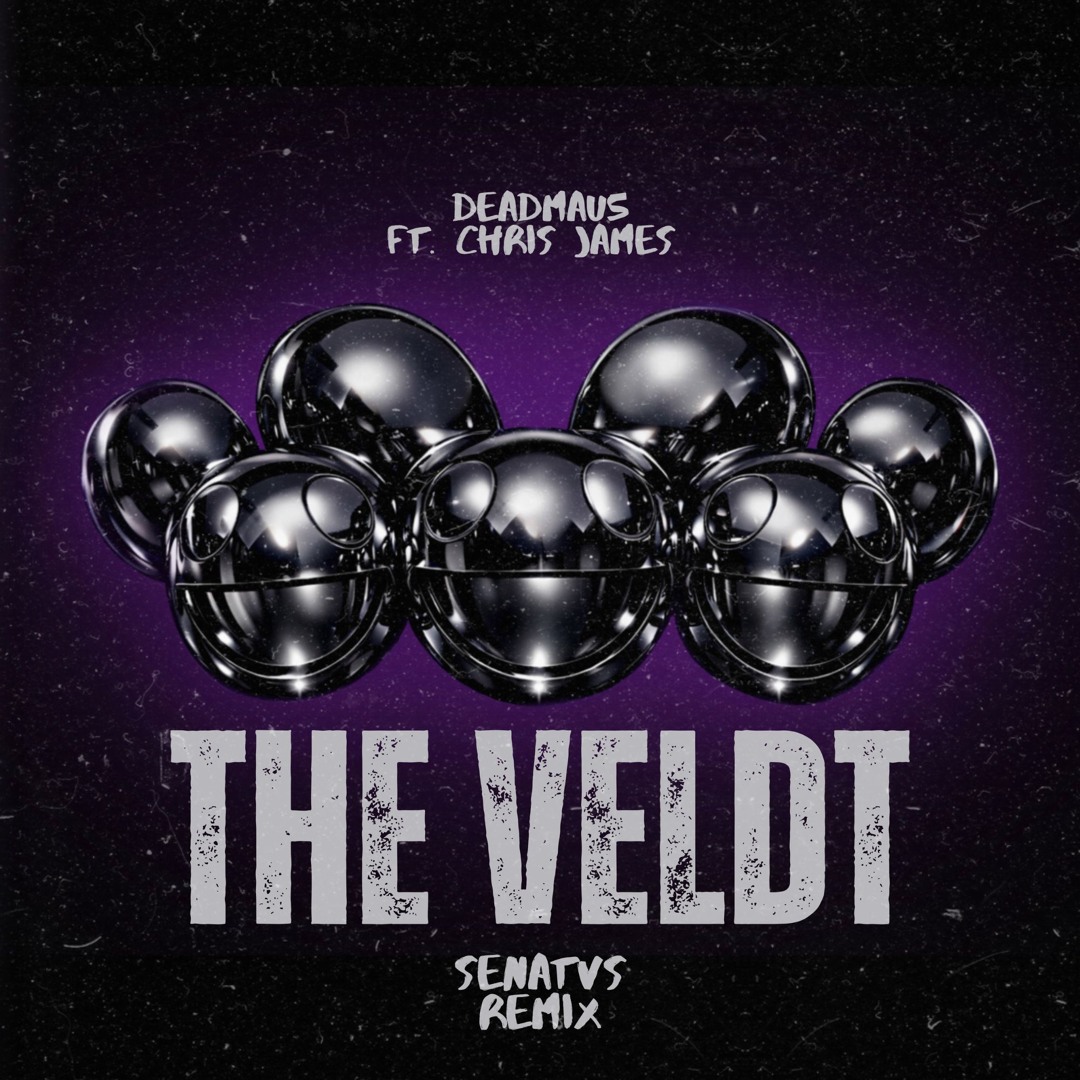
Chris James entered the broader public consciousness of electronic music fans primarily through his vocal and songwriting collaboration on the iconic 2012 Deadmau5 single "The Veldt." While his net worth operates on a different scale than a global headlining DJ like Deadmau5, his financial standing reflects the specialized contributions of a professional touring musician, songwriter, and vocal artist.
The Impact of "The Veldt"
"The Veldt" became a critical and commercial milestone, heavily charting on dance music platforms and cementing Chris James as a sought-after collaborator in the progressive house and trance subgenres. For a featured vocalist and co-writer, a track of this magnitude provides ongoing performance royalties distributed through performing rights organizations (PROs) such as ASCAP or BMI, alongside mechanical royalties from physical and digital sales.
Professional Songwriting and Production Work
Beyond his partnership with Deadmau5, Chris James maintains an active career as a multi-instrumentalist, songwriter, and producer. Professional vocalists and session writers typically earn income through a combination of:
- Work-For-Hire Fees: Upfront compensation for writing top-line melodies, lyrics, or recording vocal stems.
- Royalty Splits: Negotiated percentages of publishing and master rights, yielding long-term passive income whenever the recorded music is streamed, broadcast, or performed live.
- Session and Live Performance Fees: Compensation for touring as a live band member or performing guest vocals at live events.
While exact figures for private individuals like Chris James are rarely subject to verified public financial disclosure, his career stability rests on professional diversification across multiple studio and live performance projects.
Comparing Financial Models: Headliner vs. Collaborator
Evaluating these two artists side by side illustrates the stark contrast between top-tier independent label owners and specialized creative contributors within the same musical ecosystem.
| Financial Metric | Deadmau5 (Joel Zimmerman) | Chris James |
|---|---|---|
| Primary Wealth Driver | Master catalog ownership, global touring, mau5trap label, tech ventures | Songwriting royalties, vocal performances, session work, live touring |
| Estimated Net Worth Tier | Multi-million dollar enterprise portfolio ($50M+ estimated by industry analysts) | Professional career musician and songwriter tier |
| Business Structure | Independent label founder, corporate investor, headlining artist | Independent creator, collaborator, work-for-hire and royalty split recipient |
| Catalog Asset Value | High-value independent master recordings and publishing rights | Fractional publishing and writer shares on select collaborative catalogs |
Frequently Asked Questions
What is the estimated net worth of Deadmau5?
Independent financial analysts and music industry publications estimate Deadmau5's net worth to be upwards of $50 million. This figure is driven by decades of high-grossing international tours, ownership of his master recording catalog through mau5trap, and various technology and real estate investments.
How much did Chris James make from the song "The Veldt"?
Exact financial figures for individual song royalties are private contractual agreements and are not publicly disclosed. However, as a co-writer and featured vocalist on a globally recognized electronic music standard, Chris James receives ongoing performance and mechanical royalties distributed via PROs and publishing administrators.
Does Deadmau5 own his own music?
Yes. Unlike many artists who sign away their master recordings to major record labels early in their careers, Deadmau5 formed his own independent label, mau5trap, ensuring that he retains long-term ownership and control of his master catalog.
How do electronic music vocalists make money?
Electronic music vocalists typically generate income through a mix of upfront writing fees, live performance guarantees when touring with DJs or live bands, and percentage-based royalty splits on the publishing and master rights of the tracks they co-write.
Why do public net worth estimates for musicians vary so widely?
Most celebrity and artist net worth websites rely on unverified estimations, outdated asset reports, and speculative algorithms rather than audited financial statements or tax documents. True net worth calculations require accounting for private business liabilities, operational expenses, taxes, and real-time market valuations of music catalogs.
Conclusion and Next Actions
When analyzing the net worth of Chris James and Deadmau5, it is essential to distinguish between the multi-enterprise capital of a global headlining producer and the specialized portfolio of a professional songwriter and touring vocalist. For those tracking music industry economics, the primary takeaway is the immense financial power of master catalog ownership and independent business structuring. Readers researching music publishing rights should consult official performing rights organizations like ASCAP or BMI, or review legal resources detailing copyright law and royalty distribution splits in the modern streaming era.
Image Gallery