Understanding Blood Spots Under the Skin on the Face: Causes, Types, and When to Seek Medical Evaluation
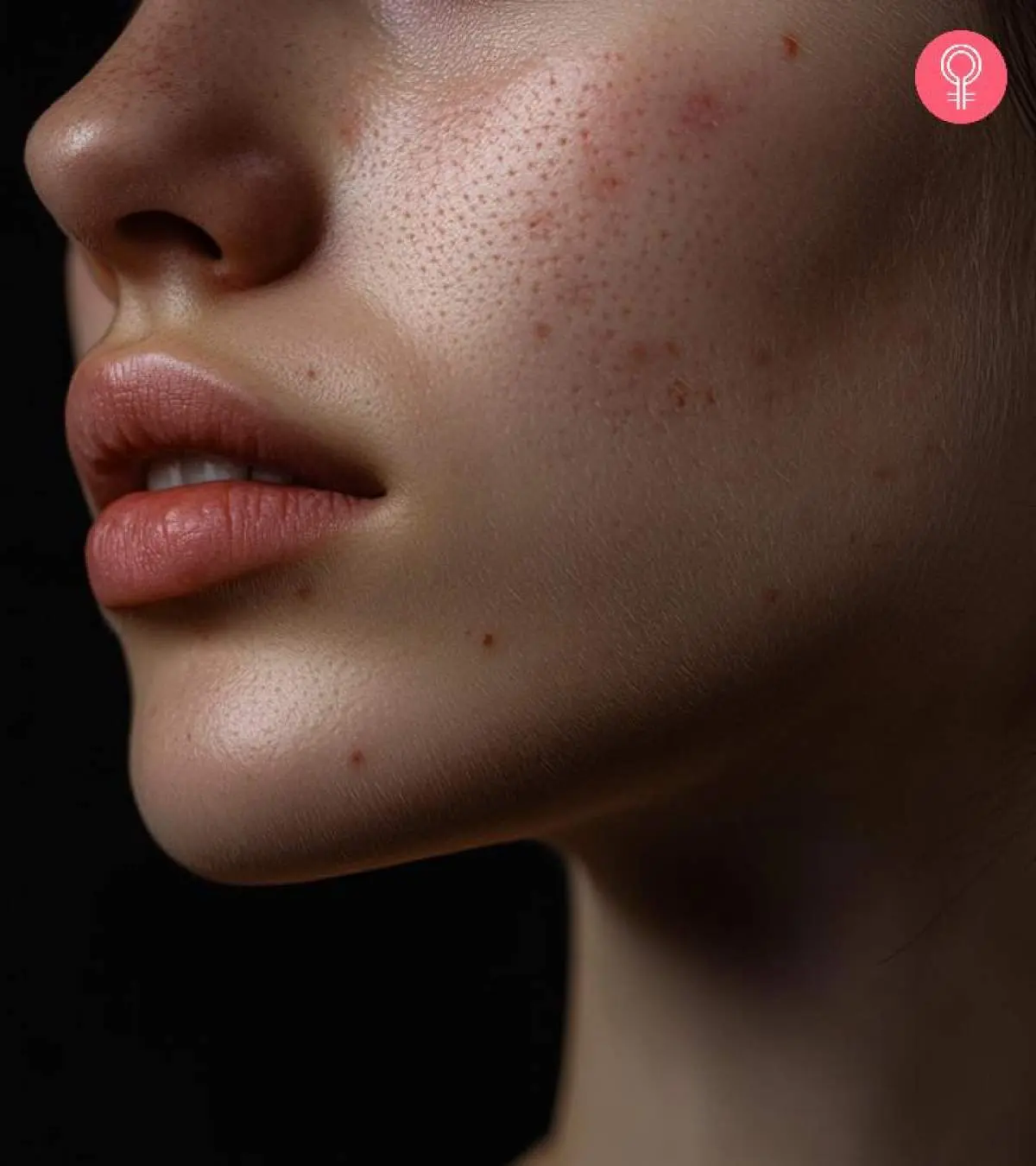
Blood spots under the skin on the face typically appear as tiny, flat red, purple, or brown dots that do not fade when pressed. These spots are usually caused by minor bleeding from tiny blood vessels called capillaries just beneath th...
Blood spots under the skin on the face typically appear as tiny, flat red, purple, or brown dots that do not fade when pressed. These spots are usually caused by minor bleeding from tiny blood vessels called capillaries just beneath the skin's surface. While many common causes are entirely harmless and resolve on their own, certain patterns can indicate underlying medical conditions requiring professional assessment.
Contents
What Are Blood Spots Under the Skin on the Face?
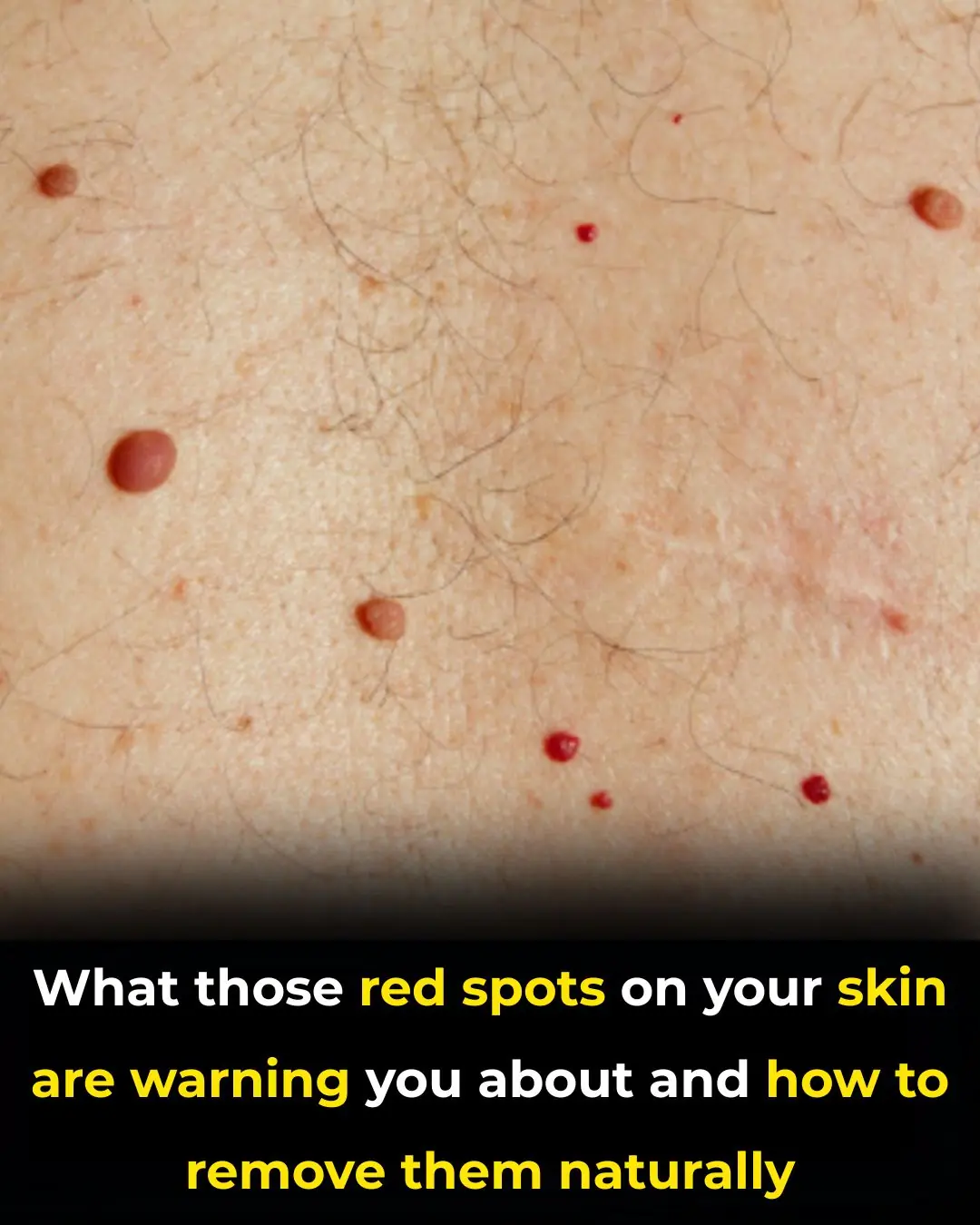
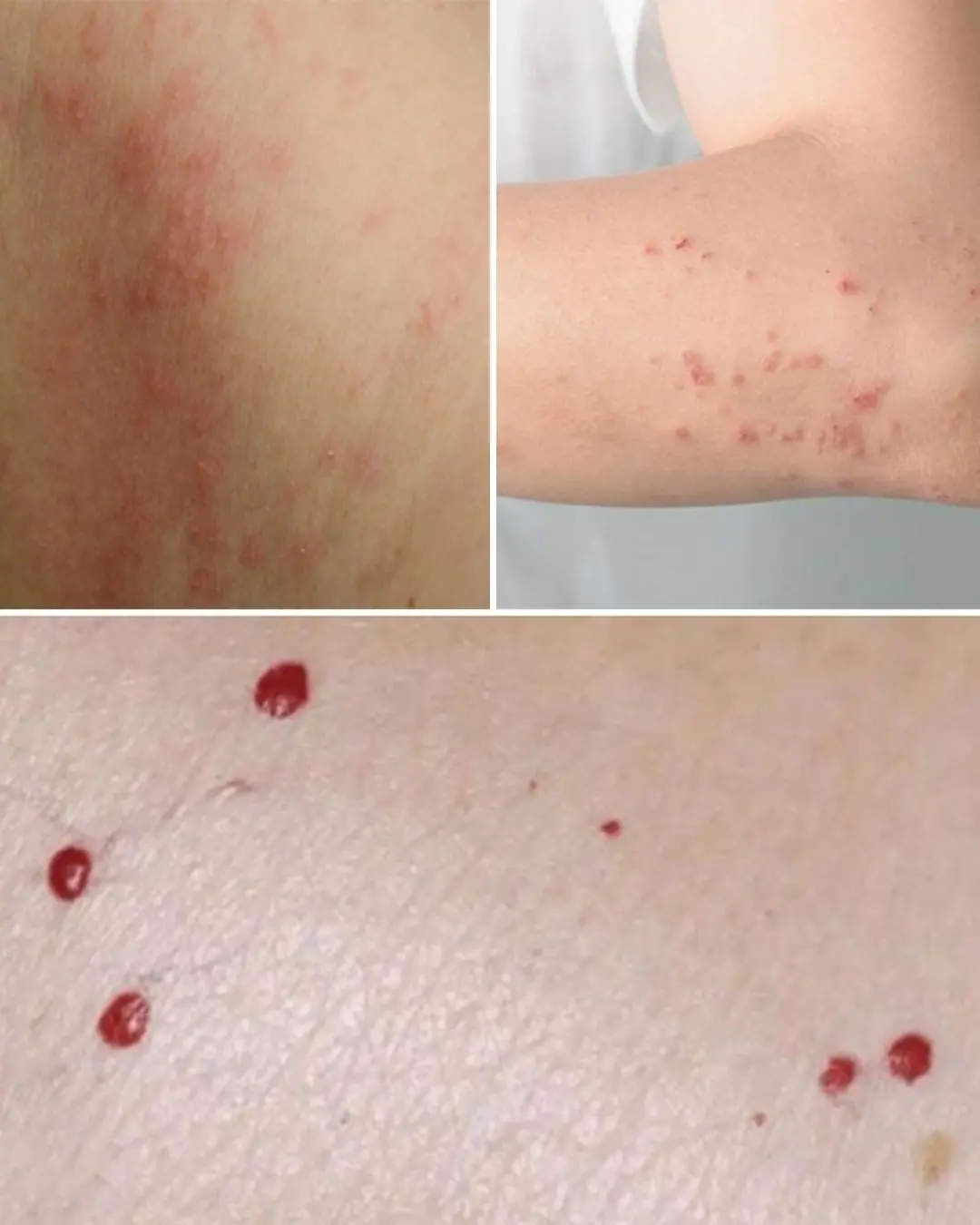
Blood spots beneath the facial skin generally manifest as petechiae, purpura, or ecchymoses, depending on their size and presentation. Understanding these terminology distinctions helps differentiate harmless localized trauma from systemic concerns.
- Petechiae: Pinpoint, round spots that measure less than 2 millimeters in diameter. They occur when tiny capillaries rupture and leak small amounts of blood into the dermis.
- Purpura: Larger than petechiae, ranging from 3 to 10 millimeters. These spots can look like small bruises and are often caused by blood vessel inflammation or platelet abnormalities.
- Ecchymoses: Commonly known as ordinary bruises, these exceed 10 millimeters and result from larger vessel trauma allowing blood to pool in surrounding tissues.
Unlike rashes caused by allergic reactions or inflammation, blood spots do not blanch (lose color) when pressure is applied with a clear glass or a finger. This non-blanching characteristic is the primary clinical indicator that the mark involves extravasated (trapped) red blood cells outside the vascular system rather than dilated surface blood vessels like spider veins or rosacea flushing.
Common Causes of Facial Blood Spots
The skin of the face is exceptionally thin and vascular, making it prone to visible micro-hemorrhages from various physical, environmental, and medical triggers.
Physical Trauma and Mechanical Strain
Strenuous physical activities that temporarily spike blood pressure in the upper body can rupture fragile facial capillaries. Common mechanical triggers include:
- Vigorous coughing, sneezing, or vomiting: Intense abdominal and facial straining increases capillary pressure rapidly.
- Heavy lifting or intense resistance training: Valsalva maneuvers (holding breath while straining) elevate intravascular pressure.
- Direct pressure or friction: Wearing tight-fitting athletic gear, protective masks, or aggressive facial rubbing and extractions can cause localized trauma.
Dermatological and Environmental Factors
Certain skin conditions and external exposures weaken the structural integrity of dermal blood vessels:
- Sun damage (Solar Purpura): Chronic ultraviolet radiation degrades collagen and elastin, making blood vessels fragile and prone to rupture with minimal impact.
- Aging: As skin thins naturally over time, the connective tissue supporting capillaries diminishes, increasing susceptibility to spontaneous spots.
- Topical steroid overuse: Prolonged application of potent prescription corticosteroid creams on the face can cause skin atrophy and capillary fragility.
Medical Conditions and Systemic Factors
When blood spots appear widely, recurrently, or without an obvious physical trigger, they may point to underlying health issues:
- Thrombocytopenia: A low platelet count impairs the blood's ability to form clots, leading to spontaneous bleeding under the skin.
- Coagulation disorders: Conditions affecting clotting factors can manifest as easy bruising and petechiae.
- Infections: Certain viral infections (such as severe enteroviruses or cytomegalovirus) and bacterial infections (like meningococcal disease) can trigger petechial rashes.
Comparison of Common Facial Vascular Marks
To help distinguish blood spots from other common facial skin concerns, review the diagnostic characteristics below:
| Type of Mark | Appearance | Blanches Under Pressure? | Primary Causes | Typical Duration |
|---|---|---|---|---|
| Petechiae | Pinpoint red/purple dots (<2mm) | No | Straining, trauma, low platelets | Days to 2 weeks |
| Purpura | Larger purple patches (3-10mm) | No | Vascular inflammation, medication side effects | 1 to 3 weeks |
| Spider Angiomas | Central red spot with fine radiating vessels | Yes | Hormonal shifts, liver disease, sun exposure | Often permanent without treatment |
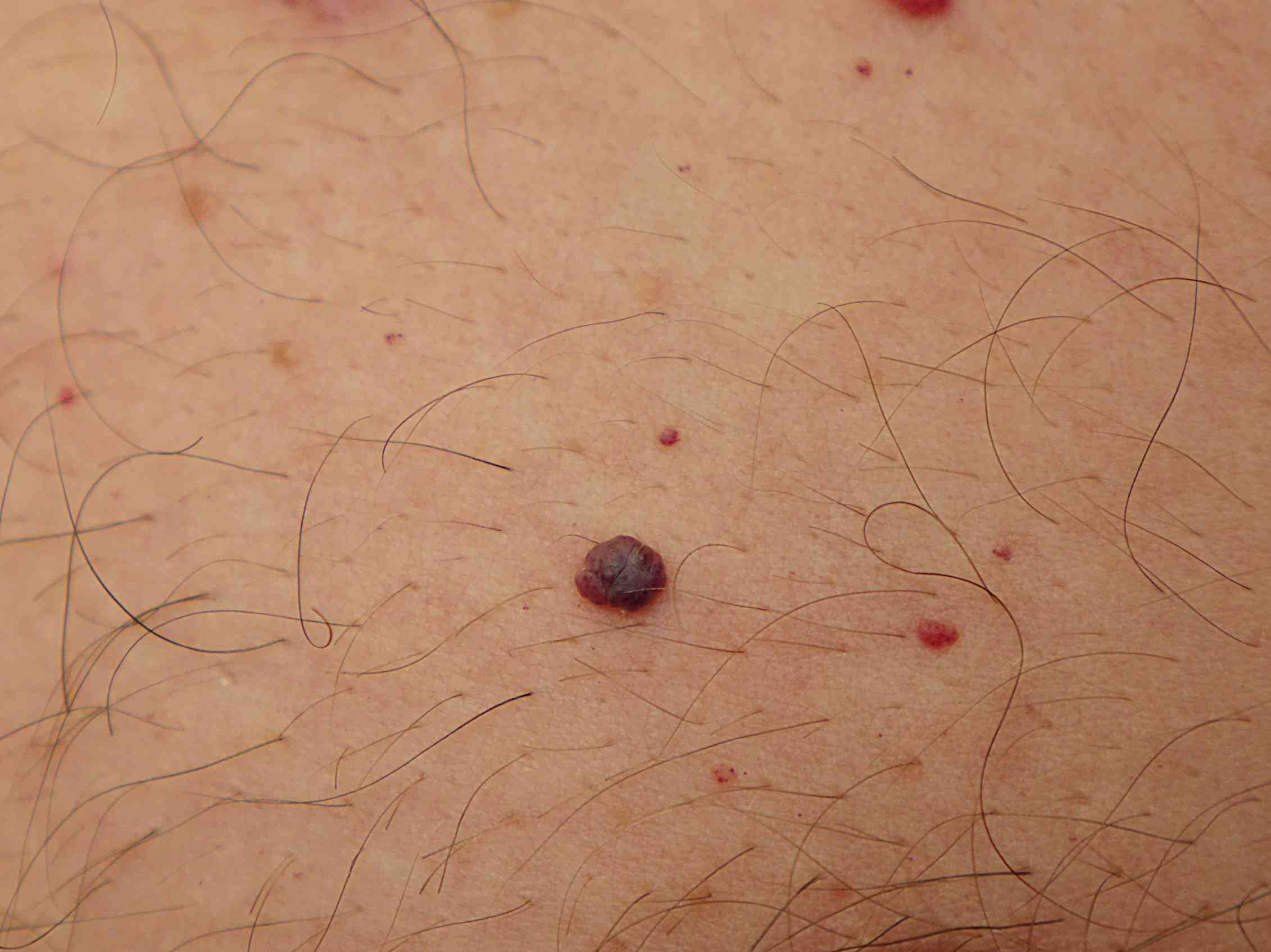
| Cherry Angiomas | Bright red, raised dome-shaped papules | Partial/Fading | Genetics, normal aging | Permanent unless removed |
| Rosacea Flushing | Diffuse red patches, visible thread veins | Yes | Environmental triggers, vascular reactivity | Chronic/Fluctuating |
When to Seek Urgent Medical Evaluation
While a few scattered petechiae resulting from a bout of coughing or heavy lifting are generally harmless, certain accompanying symptoms require immediate medical attention.
Consult a healthcare professional or seek emergency care if facial blood spots are accompanied by:
- Fever, chills, or lethargy: These signs can indicate a serious systemic infection or sepsis.
- Widespread distribution: Spots spreading rapidly across the chest, abdomen, limbs, or mucous membranes.
- Spontaneous bleeding elsewhere: Frequent nosebleeds, bleeding gums, blood in the stool or urine, or heavy menstrual bleeding.
- Neurological changes: Confusion, severe headache, neck stiffness, or dizziness.
A physician can perform a physical examination and order basic blood work, such as a complete blood count (CBC) with platelet differential and coagulation panels, to rule out underlying hematological disorders.
Management, Treatment, and Prevention
Most minor, trauma-induced blood spots on the face require no active medical intervention and fade naturally as the body reabsorbs the trapped blood cells. However, several management and prevention strategies can help.
Home Care and Observational Guidance
- Avoid picking or squeezing: Treat the area gently. Do not attempt to pop, lance, or scrub the spots, as this can cause secondary irritation or scarring.
- Apply cold compresses: If the spots resulted from acute blunt trauma, a cold pack wrapped in a cloth can help constrict local vessels during the first 24 hours.
- Sun protection: Wear broad-spectrum sunscreen daily to prevent further UV-induced degradation of dermal capillaries and collagen.
Professional Treatment Options
If vascular marks are persistent, chronic, or cosmetically distressing (such as spider veins or chronic purpura resulting from aging skin), dermatologists offer advanced clinical options:
- Laser therapy: Pulsed dye lasers (PDL) or intense pulsed light (IPL) devices target hemoglobin in abnormal or ruptured vessels, safely collapsing them so the body reabsorbs them.
- Topical retinoids: Under medical supervision, prescription retinoids can help rebuild dermal thickness and collagen over long-term use.
- Medication adjustment: If blood spots are linked to prescription medications (such as blood thinners or topical steroids), a prescribing physician can evaluate whether adjusting the dosage or switching formulations is appropriate.
Frequently Asked Questions
Can stress cause blood spots to appear on the face?
Direct emotional stress does not cause blood spots, but physical manifestations of stress—such as severe coughing fits, vomiting, intense crying spells, or high blood pressure spikes—can rupture facial capillaries and lead to petechiae.
How long do petechiae on the face take to disappear?
Most minor petechiae caused by physical strain or minor trauma resolve on their own within 3 to 7 days as the body reabsorbs the micro-hemorrhage. If they persist beyond two weeks or continue to multiply, a medical evaluation is recommended.
Are blood spots under the skin contagious?
No. Blood spots caused by ruptured capillaries, trauma, or platelet disorders are entirely non-contagious. However, if the spots are part of a viral or bacterial rash (such as certain infectious diseases), the underlying infection itself may be contagious.
Do blood spots on the face leave scars?
Standard petechiae and purpura caused by capillary rupture do not break the epidermal barrier and typically heal without leaving any scarring or permanent skin texture changes. Picking at the skin or secondary trauma can increase the risk of marks.
Can skincare products cause blood spots?
Harsh exfoliating acids, aggressive physical scrubs, or improperly applied prescription retinoids and topical steroids can compromise the skin barrier and weaken capillary walls, occasionally leading to localized redness or minor bruising. Always introduce active ingredients gradually.
Disclaimer: This article is for informational purposes only and does not constitute medical advice. If you are concerned about new, spreading, or persistent spots under your skin, consult a qualified healthcare provider or dermatologist for an accurate diagnosis.
Image Gallery