Understanding Toyota Hybrid Fuel Economy: Technology, Ratings, and Real-World Performance
Toyota hybrid fuel economy represents the efficiency of vehicles powered by Toyota’s Hybrid Synergy Drive (HSD) system. In 2026, these vehicles typically achieve between 42 and 57 MPG combined, depending on the model. By integrating a...
Toyota hybrid fuel economy represents the efficiency of vehicles powered by Toyota’s Hybrid Synergy Drive (HSD) system. In 2026, these vehicles typically achieve between 42 and 57 MPG combined, depending on the model. By integrating a gasoline engine with electric motors, Toyota optimizes fuel consumption, particularly in stop-and-go urban environments.
Contents
The Mechanics of Efficiency: How Toyota’s Hybrid Synergy Drive Works
Toyota’s leadership in fuel economy is rooted in its proprietary Hybrid Synergy Drive (HSD) technology. Unlike traditional internal combustion engines (ICE) that rely solely on gasoline, or battery electric vehicles (BEV) that rely solely on external charging, Toyota’s "full hybrid" system is a series-parallel configuration. This means the car can be powered by the gasoline engine alone, the electric motor alone, or both simultaneously.
The heart of this system is the Power Split Device, a planetary gearset that replaces a traditional transmission. It seamlessly blends power from the engine and two electric motor-generators. This allows the engine to stay in its most efficient RPM range as much as possible. Furthermore, Toyota utilizes the Atkinson Cycle for its internal combustion engines. While the Atkinson cycle traditionally offers less power density than the standard Otto cycle, it is significantly more fuel-efficient because it allows the intake valve to remain open longer during the compression stroke, reducing pumping losses.
Another critical component is Regenerative Braking. In a conventional vehicle, kinetic energy is lost as heat during braking. In a Toyota hybrid, the electric motor acts as a generator during deceleration, capturing that energy and storing it in the hybrid battery (typically Lithium-Ion in 2026 models). This "free" energy is then used to power the car during low-speed acceleration or to maintain cruising speeds, directly contributing to the high MPG ratings seen in city driving.
Comparing 2026 Toyota Hybrid Fuel Economy Ratings
As of 2026, Toyota has transitioned several of its core models to hybrid-only or hybrid-dominant lineups. The fuel economy varies based on vehicle weight, aerodynamics, and the specific tuning of the powertrain. Generally, smaller, more aerodynamic vehicles like the Prius and Corolla Hybrid lead the pack, while larger SUVs and trucks prioritize a balance of power and efficiency.
Sedans and Hatchbacks
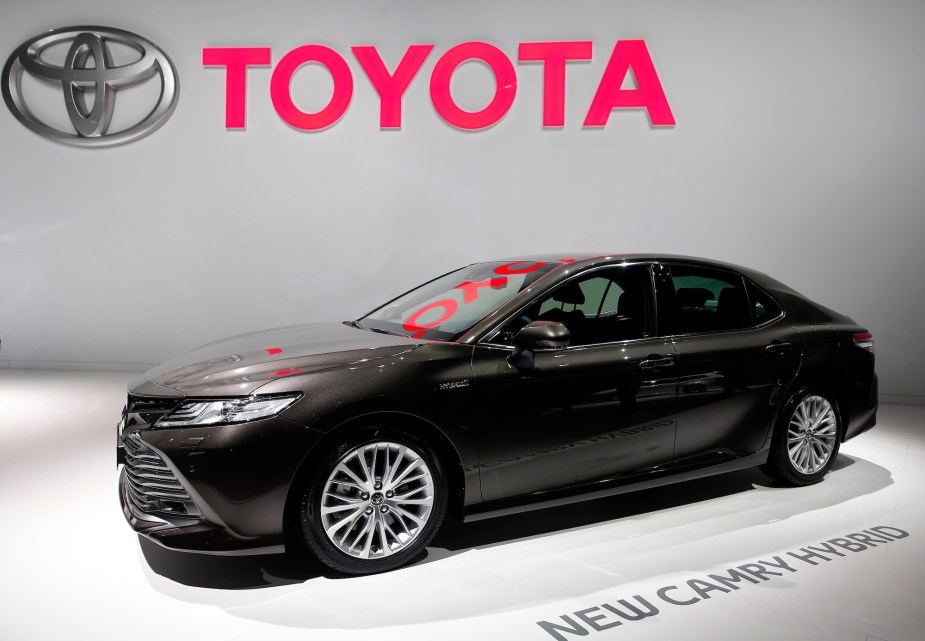
The Toyota Prius remains the gold standard for efficiency. With its fifth-generation design fully matured by 2026, the standard Prius reaches up to 57 MPG combined. The Corolla Hybrid follows closely, offering a more traditional sedan experience while maintaining mid-50s MPG. The Toyota Camry, which moved to an all-hybrid lineup in 2025, continues to deliver an impressive 51 to 53 MPG combined, proving that mid-size family sedans do not have to sacrifice fuel economy for interior space.
SUVs and Crossovers
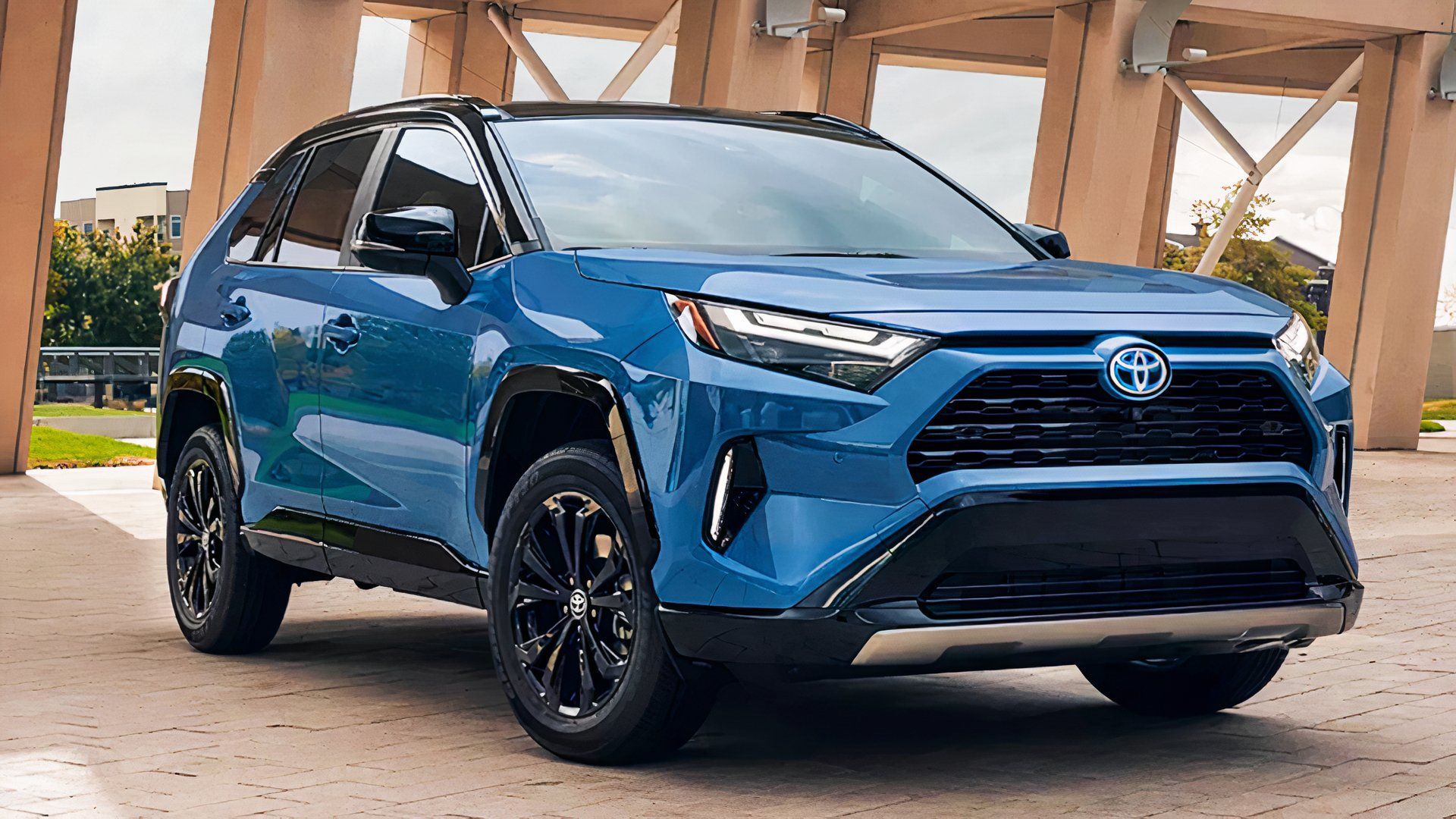
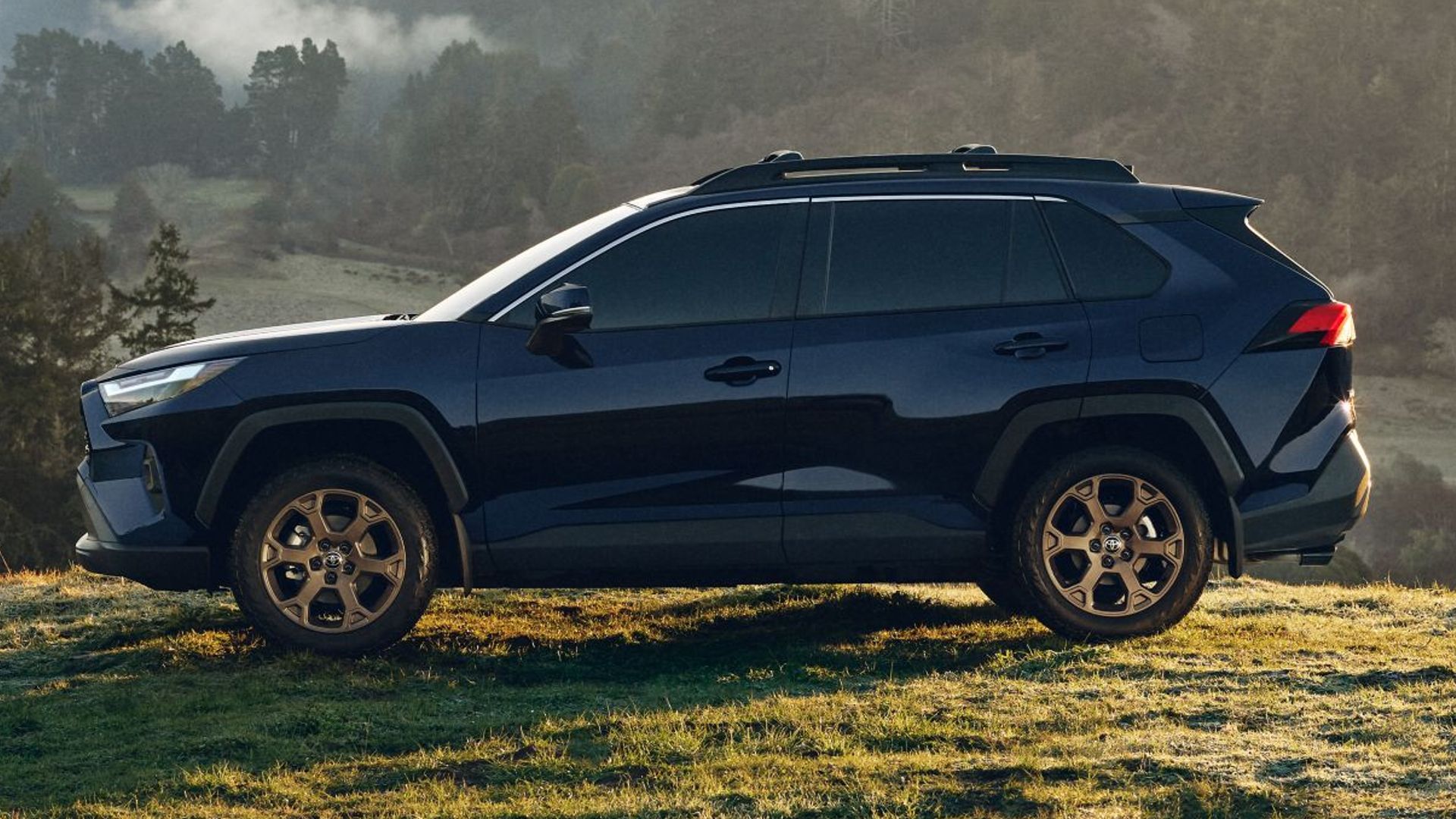
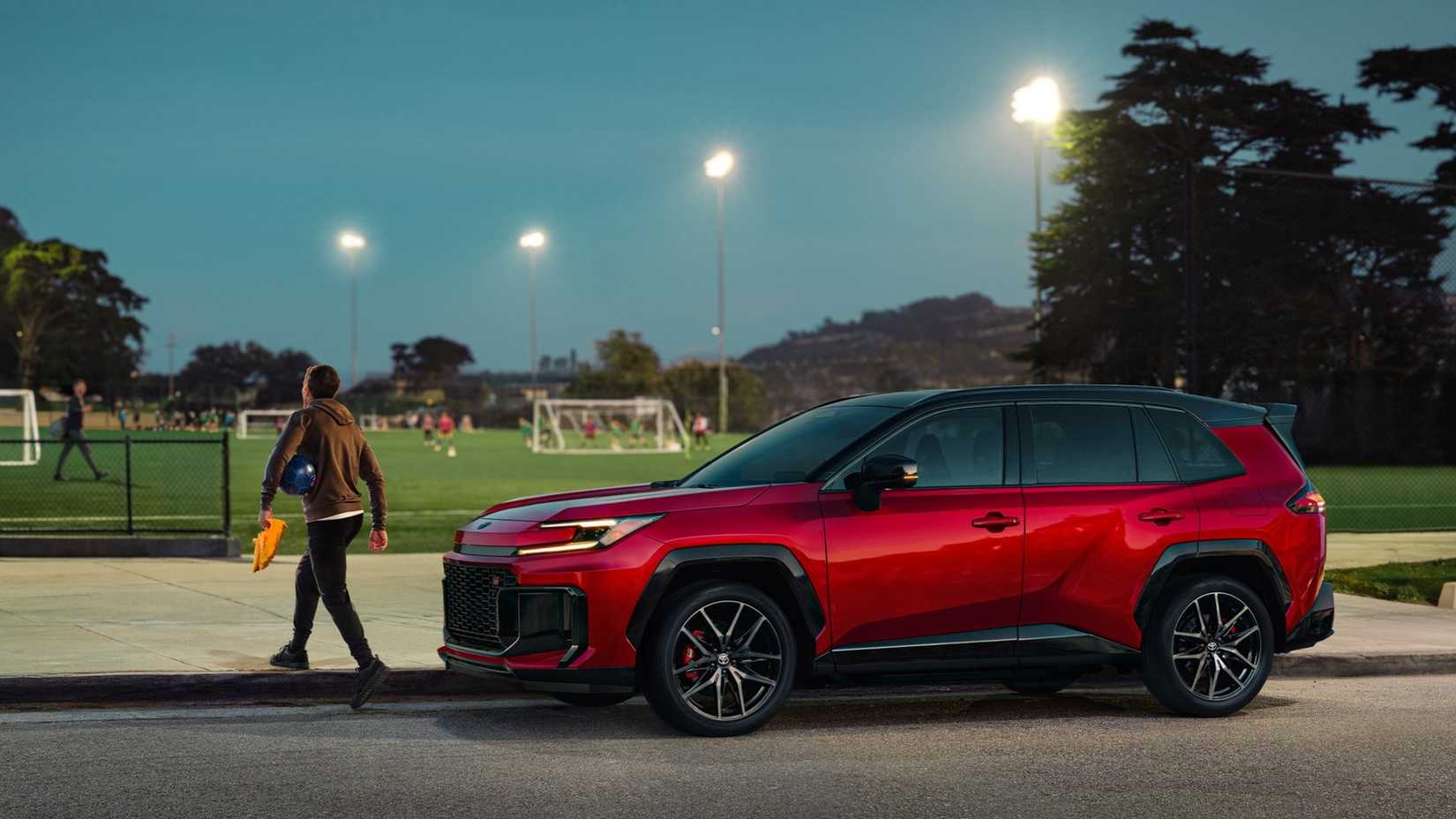
The RAV4 Hybrid is one of the most popular vehicles in North America because it bridges the gap between utility and economy. It typically delivers around 41 MPG city and 38 MPG highway. For those needing more space, the Highlander Hybrid and the Grand Highlander Hybrid offer three rows of seating while still achieving 35 to 36 MPG combined—figures that were once reserved for small compact cars. The Crown Signia, a newer addition to the 2026 lineup, offers a premium crossover experience with an estimated 38-39 MPG combined.
Performance Hybrids: The i-FORCE MAX
It is important to distinguish between Toyota's efficiency-focused hybrids and its performance-focused hybrids, such as the i-FORCE MAX found in the Tundra and Sequoia. These systems use a parallel hybrid setup with an electric motor sandwiched between the engine and a 10-speed transmission. While they improve fuel economy compared to traditional V8 engines, their primary goal is massive torque and towing capacity. A Tundra i-FORCE MAX might achieve 20-22 MPG combined, which is high for a full-size truck but lower than the 40+ MPG seen in Toyota’s passenger cars.
2026 Toyota Hybrid Fuel Economy Comparison Table
The following table provides estimated EPA-rated fuel economy figures for the most prominent 2026 Toyota hybrid models.
| Model | Drivetrain | City MPG | Highway MPG | Combined MPG |
|---|---|---|---|---|
| Prius (LE) | FWD | 57 | 56 | 57 |
| Corolla Hybrid | FWD | 53 | 46 | 50 |
| Camry (LE) | FWD | 53 | 50 | 51 |
| Crown | AWD | 42 | 41 | 41 |
| RAV4 Hybrid | AWD | 41 | 38 | 40 |
| Venza / Crown Signia | AWD | 39 | 37 | 38 |
| Highlander Hybrid | FWD | 36 | 35 | 36 |
| Grand Highlander Hybrid | FWD | 36 | 32 | 34 |
| Sienna (Minivan) | FWD | 36 | 36 | 36 |
| Tundra i-FORCE MAX | 4WD | 19 | 22 | 20 |
Note: Ratings may vary based on trim levels, wheel size, and optional equipment. Source: fueleconomy.gov.
Factors That Influence Your Actual MPG
While the EPA ratings provide a standardized baseline, real-world Toyota hybrid fuel economy is highly variable. Several factors can either enhance or degrade your efficiency.
Driving Habits and "Pulse and Glide"
Hybrids reward smooth driving. Rapid acceleration forces the gasoline engine to kick in earlier and stay on longer. Many hybrid enthusiasts use a technique called "Pulse and Glide," where they accelerate to a target speed (Pulse) and then lift off the throttle slightly to encourage the car to enter "EV Mode" while maintaining speed (Glide). In 2026, Toyota’s updated Predictive Efficient Drive technology helps automate some of this by using GPS data to optimize battery usage based on upcoming terrain and traffic.
Environmental Conditions
Temperature plays a significant role in hybrid performance. In extremely cold weather, the gasoline engine must run more frequently to generate heat for the cabin and to bring the battery up to its optimal operating temperature. Furthermore, winter-blend gasoline typically contains less energy per gallon than summer blends. Conversely, extreme heat requires the air conditioning system to draw power from the hybrid battery, which may lead to more frequent engine cycling to keep the battery charged.
Terrain and Cargo
Driving in mountainous regions will naturally lower your MPG during the ascent. However, Toyota hybrids are excellent at recovering that energy on the descent through regenerative braking. High-speed highway driving is generally less efficient for hybrids than city driving because the aerodynamic drag increases exponentially with speed, and the electric motor provides less assistance at sustained high RPMs. Additionally, carrying heavy cargo or using roof racks significantly increases drag and weight, reducing the overall MPG.
Hybrid (HEV) vs. Plug-in Hybrid (PHEV) Efficiency
When researching Toyota hybrid fuel economy, it is vital to understand the difference between the standard Hybrid Electric Vehicle (HEV) and the Plug-in Hybrid Electric Vehicle (PHEV), which Toyota brands as Prime.
The Prius Prime and RAV4 Prime feature much larger batteries that can be charged from an external wall outlet. This allows them to operate in "EV Mode" for significant distances—typically 39 to 44 miles in 2026 models—without using a drop of gasoline. For owners with short commutes, the "effective" fuel economy can reach well over 100 MPGe (Miles Per Gallon Equivalent).
However, once the initial battery charge is depleted, the vehicle operates like a standard Toyota hybrid. The RAV4 Prime, for instance, still achieves roughly 38 MPG combined even after its electric range is exhausted. This dual-nature makes PHEVs an excellent choice for those who want electric driving for daily errands but require the long-distance flexibility of a gasoline engine.
Long-Term Ownership and Maintenance
A common concern regarding Toyota hybrid fuel economy is whether the efficiency gains are offset by maintenance costs or battery degradation. Historically, Toyota hybrids have proven to be among the most reliable vehicles on the road. Because the electric motor handles much of the initial acceleration and braking, there is less wear and tear on the gasoline engine and the traditional braking system. Brake pads on Toyota hybrids often last twice as long as those on conventional cars due to regenerative braking.
Toyota provides a significant safety net for the hybrid system. For 2026 models, the Hybrid Battery Warranty typically covers 10 years or 150,000 miles, whichever comes first. This warranty is transferable to subsequent owners, which helps maintain high resale values. While a battery replacement outside of warranty can be expensive, real-world data from millions of Toyota hybrids indicates that the vast majority of batteries outlast the original ownership period of the vehicle.
Frequently Asked Questions
How many miles do Toyota hybrid batteries last?
Most Toyota hybrid batteries are designed to last the life of the vehicle. It is common to see Toyota hybrids with over 200,000 miles on the original battery pack. Toyota’s thermal management systems and sophisticated charging algorithms prevent the battery from reaching extreme states of charge (either 0% or 100%), which significantly extends the chemical life of the cells.
Does cold weather affect Toyota hybrid MPG?
Yes, cold weather can reduce fuel economy by 10% to 20%. The engine runs more to provide heat, and battery chemistry is less efficient at low temperatures. Using features like heated seats instead of the cabin heater can help mitigate some of this loss, as heated seats draw less energy than the HVAC blower and heater core.
Is the Tundra hybrid fuel-efficient compared to a standard truck?
The Tundra i-FORCE MAX is more efficient than the previous generation’s V8 engines, but its primary purpose is power. While it offers a slight improvement in MPG (especially in city driving), its main benefit is the 437 horsepower and 583 lb-ft of torque it produces. It is an "efficiency-enhanced" performance vehicle rather than a high-MPG economy vehicle.
Do Toyota hybrids need special oil or fuel?
Most 2026 Toyota hybrids require synthetic oil, often of a very low viscosity (like 0W-8 or 0W-16), to reduce internal friction and maximize fuel economy. Regarding fuel, almost all Toyota hybrids are designed to run on regular 87-octane unleaded gasoline. Using premium fuel generally does not provide a measurable increase in MPG or performance for these models.
Can I drive a Toyota hybrid on electric power only?
Standard Toyota hybrids (HEVs) have an "EV Mode" button, but it is limited to very low speeds (usually under 25 MPH) and short distances (often less than a mile). The system automatically manages the switch between gas and electric power. If you want sustained electric driving at highway speeds, you should consider a Plug-in Hybrid (Prime) or a fully electric model.
Practical Recommendation for Buyers
When evaluating Toyota hybrid fuel economy, choose a model that aligns with your specific driving environment. If your daily commute involves heavy city traffic, a Prius or Camry Hybrid will provide the most dramatic savings over a conventional car. If you frequently drive on the highway or have a large family, the RAV4 Hybrid or Sienna offers the best balance of utility and fuel reduction. Regardless of the model, the 2026 Toyota hybrid lineup offers a proven path to reducing fuel costs and environmental impact without the "range anxiety" associated with fully electric vehicles.
Image Gallery