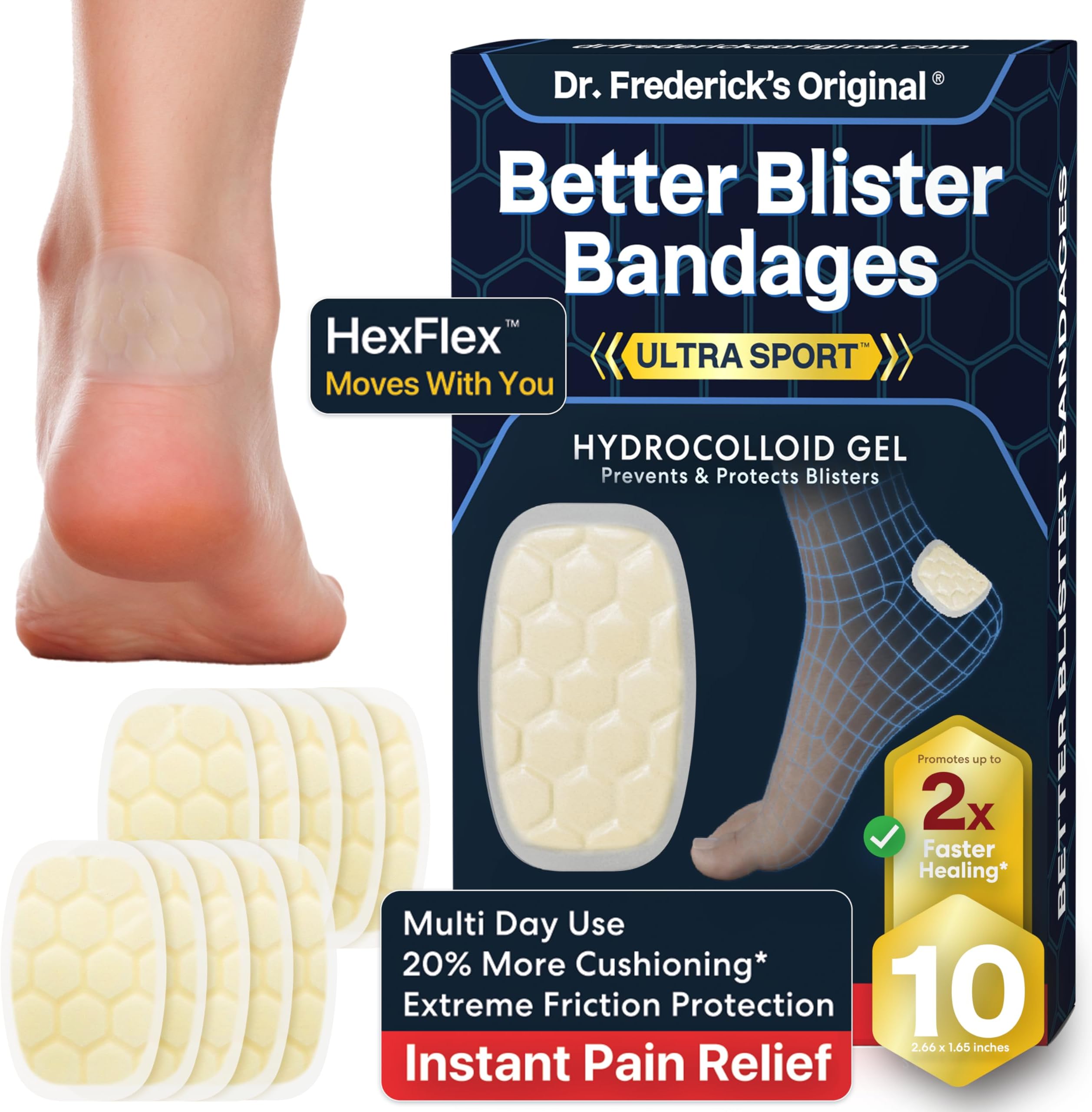
Hydrocolloid Plasters for Burns: Clinical Applications and Best Practices
Hydrocolloid plasters are advanced wound care dressings composed of gel-forming polymers, such as carboxymethylcellulose, that create and maintain a moist healing environment. For superficial and partial-thickness burns, they provide s...
Hydrocolloid plasters are advanced wound care dressings composed of gel-forming polymers, such as carboxymethylcellulose, that create and maintain a moist healing environment. For superficial and partial-thickness burns, they provide significant pain relief, protect against mechanical trauma, and facilitate autolytic debridement, making them a standard choice in modern clinical practice for managing minor thermal injuries.
Contents
Understanding Hydrocolloid Technology in Wound Care
Hydrocolloid dressings function by interacting with wound exudate to form a soft, cohesive gel. This gel provides a semi-occlusive barrier that is impermeable to bacteria and water but allows for gas exchange. In the context of burns, this mechanism is highly beneficial. By maintaining a moist environment, the dressing prevents the wound bed from drying out, which is a primary cause of cellular death and delayed healing in burn injuries.
Unlike traditional gauze, which can adhere to the raw surface of a burn, the hydrocolloid gel remains non-adherent. This feature is critical during dressing changes, as it minimizes the risk of disrupting newly formed epithelial tissue, thereby reducing patient discomfort and the risk of infection. The occlusive nature of the dressing also helps to seal nerve endings exposed by the burn, which provides immediate, significant analgesic effects.
Clinical Indications and Suitability
In clinical practice, hydrocolloid plasters are indicated for specific types of burns. They are most effective for:
- Superficial Burns (First-degree): Where the epidermis is affected but remains intact.
- Partial-thickness Burns (Superficial Second-degree): Where the damage involves the epidermis and the upper layers of the dermis, provided the wound is clean and exhibits minimal to moderate exudate.
These dressings are not suitable for full-thickness burns (third-degree), infected wounds, or burns with heavy exudate or necrotic tissue. Because hydrocolloid dressings are occlusive, they create an environment that can accelerate bacterial growth if applied to an already infected or deeply compromised wound. Clinical assessment must always confirm that the burn is appropriate for a moist-healing approach before application.
Best Practices for Application
Applying a hydrocolloid plaster requires careful preparation of the wound site to ensure long-term adhesion and optimal healing conditions.
1. Wound Assessment and Cleansing
Before application, irrigate the burn gently with sterile saline or an appropriate antiseptic solution. Remove any loose debris or devitalized tissue. Ensure the periwound skin—the area of healthy skin surrounding the burn—is clean and completely dry. Hydrocolloid dressings rely on a skin-friendly adhesive border or backing that will fail if applied to moist or oily skin.
2. Sizing and Overlap
Select a dressing size that allows for an overlap of at least 2 centimeters beyond the margin of the burn. This ensures a secure seal, which is essential to prevent leakage and maintain the occlusive environment. If the burn is located in a high-friction area, such as a joint, the corners of the square-cut dressing may be rounded to reduce the likelihood of the edges lifting.
3. Application Technique
Remove the backing and gently smooth the dressing over the burn, starting from the center and moving outward. Apply firm, gentle pressure with a warm hand for 30 to 60 seconds. The heat from your hand activates the pressure-sensitive adhesive, creating a more robust bond. Avoid stretching the dressing during application, as this can cause skin tension and subsequent blistering.
Managing the Dressing Lifecycle
As a hydrocolloid plaster absorbs exudate, it will change appearance, often swelling or turning white as the gel forms. This is a normal physiological response, not a sign of infection.
Wear Time and Inspection
A dressing can generally remain in place for up to seven days, depending on the level of exudate. However, it should be changed earlier if:
- The exudate begins to leak from under the dressing.
- The dressing becomes loose or edges start to roll.
- The patient reports increased pain, foul odor, or localized inflammation, which may indicate secondary infection.
Removal Process
To remove the dressing, do not pull it vertically away from the skin. Instead, gently lift one edge and stretch the dressing horizontally—parallel to the skin surface. This technique breaks the adhesive bond without causing skin stripping or trauma to the underlying healing tissue.
Comparative Overview of Burn Dressings
Choosing the correct dressing requires an understanding of how hydrocolloids compare to other materials commonly used in clinical practice as of 2026.
| Dressing Type | Primary Mechanism | Best For | Typical Wear Time |
|---|---|---|---|
| Hydrocolloid | Moist autolytic environment | Minor partial-thickness burns | 3–7 days |
| Silver Sulfadiazine | Topical antimicrobial | Infected or high-risk burns | 12–24 hours |
| Paraffin Gauze | Non-adherent barrier | Protecting granulating tissue | 1–2 days |
| Foam Dressings | High-absorbency cushioning | Heavily exuding burns | 3–5 days |
Addressing Common Clinical Challenges
Dealing with "Pseudoinfection"
Practitioners often encounter a distinct, yellowish-white gel and a mild odor upon removing a hydrocolloid dressing. This is a common point of confusion. The "gunk" is simply the liquefied hydrocolloid material combined with absorbed exudate. As long as the periwound area is not erythematous, hot, or excessively painful, this is a normal process. Distinguishing this from actual purulent discharge is a fundamental skill for burn management.
High-Friction Locations
Burns located on elbows, knees, or the palm of the hand are notoriously difficult to dress. If a standard flat plaster is used, it may require secondary fixation with a medical-grade transparent film or a light compression wrap to keep it in place during movement. In such cases, ensure the secondary dressing does not compromise the occlusive properties required for the hydrocolloid to function.
Frequently Asked Questions
Are hydrocolloid plasters safe for children's burns? Yes, they are generally safe and highly effective for pediatric patients because they reduce the need for frequent, painful dressing changes. However, ensure the product is sized appropriately and monitored for signs of contact dermatitis if the child has highly sensitive skin.
Can I use a hydrocolloid dressing on a sunburn? While hydrocolloid plasters can provide relief, they are generally intended for thermal or friction burns. For widespread sunburns, topical agents like aloe vera or soothing lotions are often more practical. Hydrocolloids are best reserved for localized, discrete injuries.
What happens if the hydrocolloid dressing leaks? If the dressing leaks, the occlusive seal has been broken, increasing the risk of bacterial entry. You should clean the area, assess the wound, and apply a fresh dressing. Leakage is often a sign that the dressing was not the correct size or was placed in an area with high movement.
Should I apply antibiotic ointment under the hydrocolloid? No. Hydrocolloid dressings are designed to work on their own by creating an ideal physiological environment. Adding ointments can interfere with the adhesive's ability to bond to the skin and may cause the dressing to slip or detach prematurely.
Is it normal for the dressing to turn white? Yes. As the dressing absorbs fluid from the burn, it creates a gel that appears white or opaque. This "blistering" effect is the dressing doing its job correctly.
Next Steps for Practitioners
For those managing burn care in a professional setting, the priority remains strict adherence to the indications for use. Always conduct a thorough assessment of the burn depth before initiating treatment. When using hydrocolloid plasters, document the application date and the condition of the wound to monitor for signs of delayed healing. If a burn shows no signs of improvement within 48 to 72 hours, or if systemic signs of infection—such as fever or spreading cellulitis—develop, escalate the care plan and consult with a specialist.
Image Gallery