Paul McCartney in America: A Comprehensive History of Tours, Cultural Impact, and US Legacy
Paul McCartney’s relationship with America is a foundational element of modern music history, spanning over sixty years of cultural exchange. From the Beatles’ seismic 1964 arrival on the Ed Sullivan Show to his record-breaking solo st...
Paul McCartney’s relationship with America is a foundational element of modern music history, spanning over sixty years of cultural exchange. From the Beatles’ seismic 1964 arrival on the Ed Sullivan Show to his record-breaking solo stadium tours and long-term residences in New York and Arizona, McCartney has transformed from a foreign sensation into a permanent fixture of the American cultural landscape. As of 2026, his legacy in the United States remains a benchmark for artistic longevity and trans-Atlantic influence.
Contents
The British Invasion: 1964–1966
The arrival of Paul McCartney and his bandmates in February 1964 did more than introduce a new sound; it signaled a paradigm shift in American media and youth culture. When the Beatles touched down at JFK International Airport on February 7, 1964, they were met by thousands of screaming fans, an image that remains the definitive visual of "Beatlemania."
The Ed Sullivan Show and the National Psyche
On February 9, 1964, an estimated 73 million people tuned in to watch the Beatles perform on The Ed Sullivan Show. This moment is often credited with helping the United States heal from the collective trauma of President John F. Kennedy’s assassination just months earlier. McCartney, as the charismatic multi-instrumentalist, quickly became a focal point for American fans. The band’s first U.S. concert took place shortly after at the Washington Coliseum, followed by two landmark shows at New York’s Carnegie Hall.
The Birth of Stadium Rock
In 1965, McCartney and the Beatles pioneered the modern stadium concert at Shea Stadium in New York. With over 55,000 people in attendance, the scale of the event was unprecedented. However, the logistical challenges and the inability to hear the music over the crowd noise eventually contributed to the band’s decision to stop touring. Their final paid American concert took place at Candlestick Park in San Francisco on August 29, 1966. While the group retreated to the studio, McCartney’s connection with the American public only deepened through televised specials and high-selling albums like Sgt. Pepper’s Lonely Hearts Club Band.
The Wings Era: Reclaiming the American Stage
After the Beatles disbanded in 1970, McCartney faced the daunting task of re-establishing himself as a solo artist and leader of a new group, Wings. While his early 1970s work was met with mixed critical reception, his return to the American stage in 1976 solidified his status as a premier live performer.
The Wings Over America Tour (1976)
The "Wings Over America" tour was a massive undertaking, marking McCartney’s first U.S. performances in a decade. The tour covered 21 cities and showcased McCartney’s ability to blend Beatles classics with new hits like "Band on the Run" and "Live and Let Die." The success of this tour was captured in the triple live album Wings Over America and the concert film Rockshow.
For many American fans, this tour was proof that McCartney could sustain a stadium-sized career without his former bandmates. It was during this period that his songwriting began to dominate American radio waves, with a string of number-one singles that appealed to a broad demographic of listeners.
The Solo Renaissance: 1989 to the 21st Century
Following a hiatus from large-scale touring in the 1980s—partly due to the tragic death of John Lennon in 1980—McCartney returned to America with "The Paul McCartney World Tour" in 1989 and 1990. This tour set the template for his modern live shows: massive LED screens, high-fidelity sound systems, and a setlist spanning his entire career.
The Concert for New York City
One of McCartney’s most significant moments in America occurred in 2001. Following the September 11 terrorist attacks, he organized and headlined "The Concert for New York City" at Madison Square Garden. McCartney’s role as an "adopted" New Yorker was evident as he performed "Freedom" and "Yesterday," providing a sense of solidarity and comfort to a grieving city. This event further cemented his bond with the United States, moving beyond entertainment into the realm of cultural diplomacy.
Major 21st-Century US Tours
McCartney’s touring schedule in the 2000s and 2010s remained aggressive for an artist of his stature. Key tours included:
- Back in the U.S. (2002): A high-grossing tour that featured a heavy rotation of Beatles material rarely performed live before.
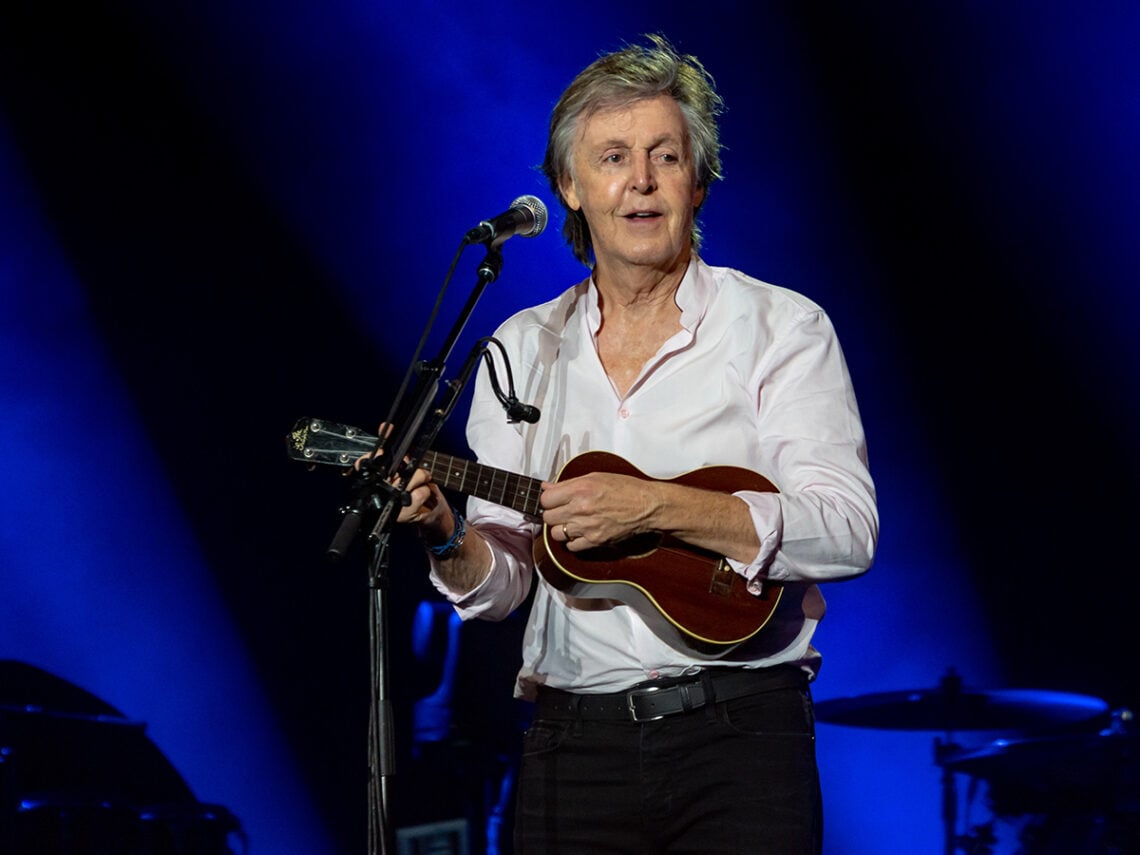
- Out There (2013–2015): This tour saw McCartney headlining major American festivals like Lollapalooza and Bonnaroo, introducing him to a younger generation of fans.
- Freshen Up (2018–2019): Notable for his performance at Grand Central Station and a sold-out show at Dodger Stadium.
The "Got Back" Tour and Modern Context
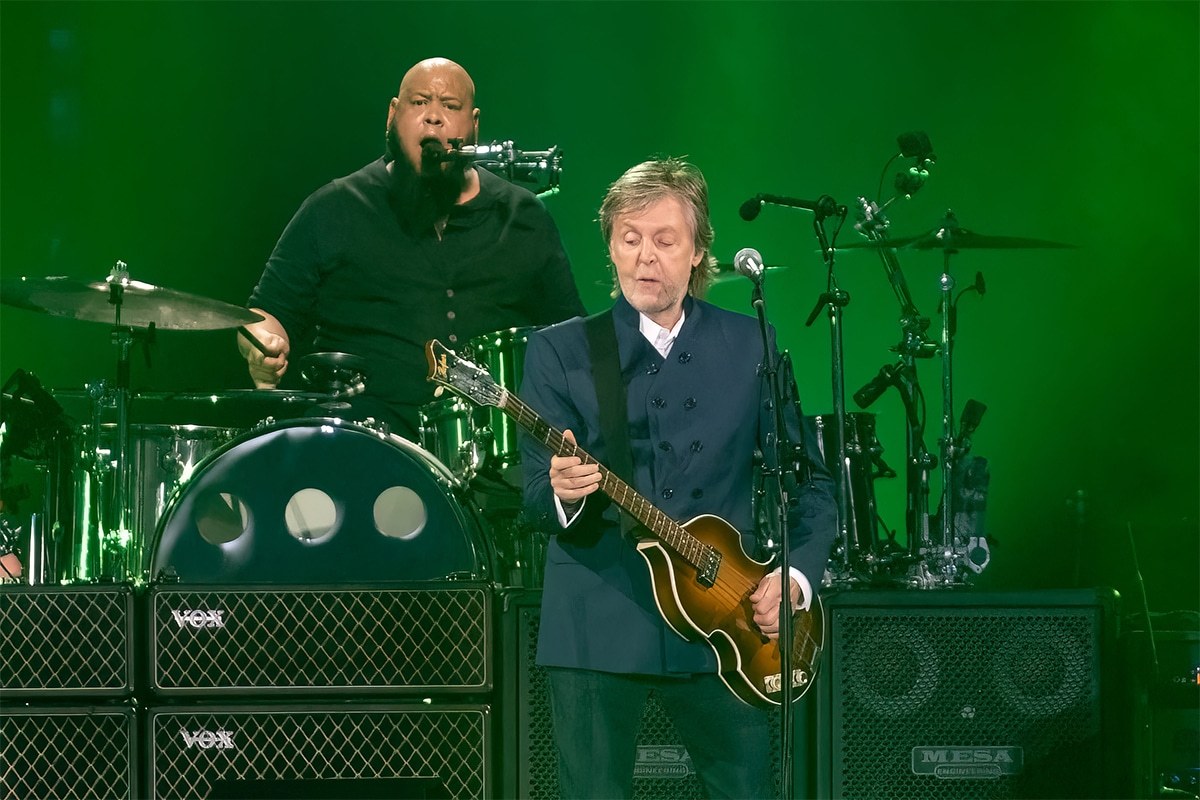
In 2022, McCartney launched the "Got Back" tour, his first major U.S. trek following the global pandemic. The tour kicked off in Spokane, Washington, and concluded with a historic headlining set at the Glastonbury Festival in the UK, but the bulk of the dates were in American stadiums.
A highlight of the "Got Back" tour was the use of technology to "duet" with John Lennon on "I've Got a Feeling," utilizing audio isolated by Peter Jackson’s team during the production of the Get Back documentary. For American audiences, this was a poignant reminder of the enduring legacy of the Beatles. By 2026, these performances are viewed as the gold standard for how legacy artists can utilize technology to enhance the live experience without sacrificing authenticity.
Comparison of Landmark US Tours
| Year | Tour Name | Key American Venues | Significant Achievement |
|---|---|---|---|
| 1964 | First US Visit | Carnegie Hall, Washington Coliseum | 73 million viewers on Ed Sullivan |
| 1965 | North American Tour | Shea Stadium | First major stadium rock concert |
| 1976 | Wings Over America | Madison Square Garden, The Forum | Re-established McCartney as a solo force |
| 1989 | World Tour | Giants Stadium, Rose Bowl | First US tour in 13 years |
| 2002 | Back in the U.S. | United Center, Madison Square Garden | Top-grossing tour of the year |
| 2022 | Got Back | Fenway Park, MetLife Stadium | First post-pandemic stadium tour |
Cultural Ties and Residency
McCartney’s connection to America is not limited to his professional tours. He has maintained long-term roots in the country through property and family.
- New York City: McCartney has long owned a townhouse in Manhattan and a home in the Hamptons. His marriage to Nancy Shevell, an American businesswoman from New Jersey, further strengthened his ties to the East Coast.
- Arizona: For decades, McCartney owned a ranch near Tucson, Arizona, which served as a retreat for him and his first wife, Linda McCartney. The ranch was a place where they could live relatively private lives away from the paparazzi.
- Educational Support: McCartney has been involved with several American institutions, including donating to various arts programs and supporting the preservation of musical history through the Library of Congress.
Philanthropy and American Honors
The United States has officially recognized McCartney’s contributions to culture on several occasions. In 2010, he was awarded the Gershwin Prize for Popular Song by the Library of Congress, the first non-American to receive the honor. During the ceremony at the White House, he famously serenaded First Lady Michelle Obama with the song "Michelle."
Additionally, McCartney was a recipient of the Kennedy Center Honors in 2010. These accolades signify that the American establishment views him not just as a British export, but as a vital part of the American musical canon.
Frequently Asked Questions
Does Paul McCartney have American citizenship?
No, Paul McCartney remains a British citizen. However, he has held "Permanent Resident" status (a Green Card) in the past and spends a significant portion of the year in the United States. He has often described New York as a second home.
What was Paul McCartney's first US concert?
The Beatles' first public concert in the United States took place on February 11, 1964, at the Washington Coliseum in Washington, D.C. This followed their televised appearance on The Ed Sullivan Show two days prior.
How many times has McCartney played the Super Bowl?
McCartney has performed at the Super Bowl twice. He performed during the pre-game ceremonies of Super Bowl XXXVI in 2002 (performing "Freedom") and was the featured halftime performer at Super Bowl XXXIX in 2005, where he performed a medley of "Drive My Car," "Get Back," "Live and Let Die," and "Hey Jude."
Where does Paul McCartney live in the US?
McCartney primarily resides in the Hamptons (Long Island) and Manhattan when he is in the United States. Historically, he also spent significant time at his ranch in Tucson, Arizona, though his primary residence remains in the UK.
What is the most famous venue McCartney has played in America?
While he has played nearly every major stadium, Shea Stadium (1965) and Madison Square Garden are arguably the most iconic. His 1965 Shea Stadium show is widely considered the most important concert in the history of American rock music tours.
Final Recommendations for Fans
For those looking to explore Paul McCartney's American legacy today, visiting the Rock & Roll Hall of Fame in Cleveland, Ohio, is an essential step; the museum houses numerous artifacts from his tours. Additionally, fans should monitor official announcements from MPL Communications for any limited-run engagements or "evening with" style events, which have become more common as he prioritizes select appearances over grueling multi-city treks. For a deeper historical dive, the McCartney 3,2,1 documentary series (available on major streaming platforms) provides excellent context on his creative process, much of which was influenced by his time spent in American studios.
Image Gallery