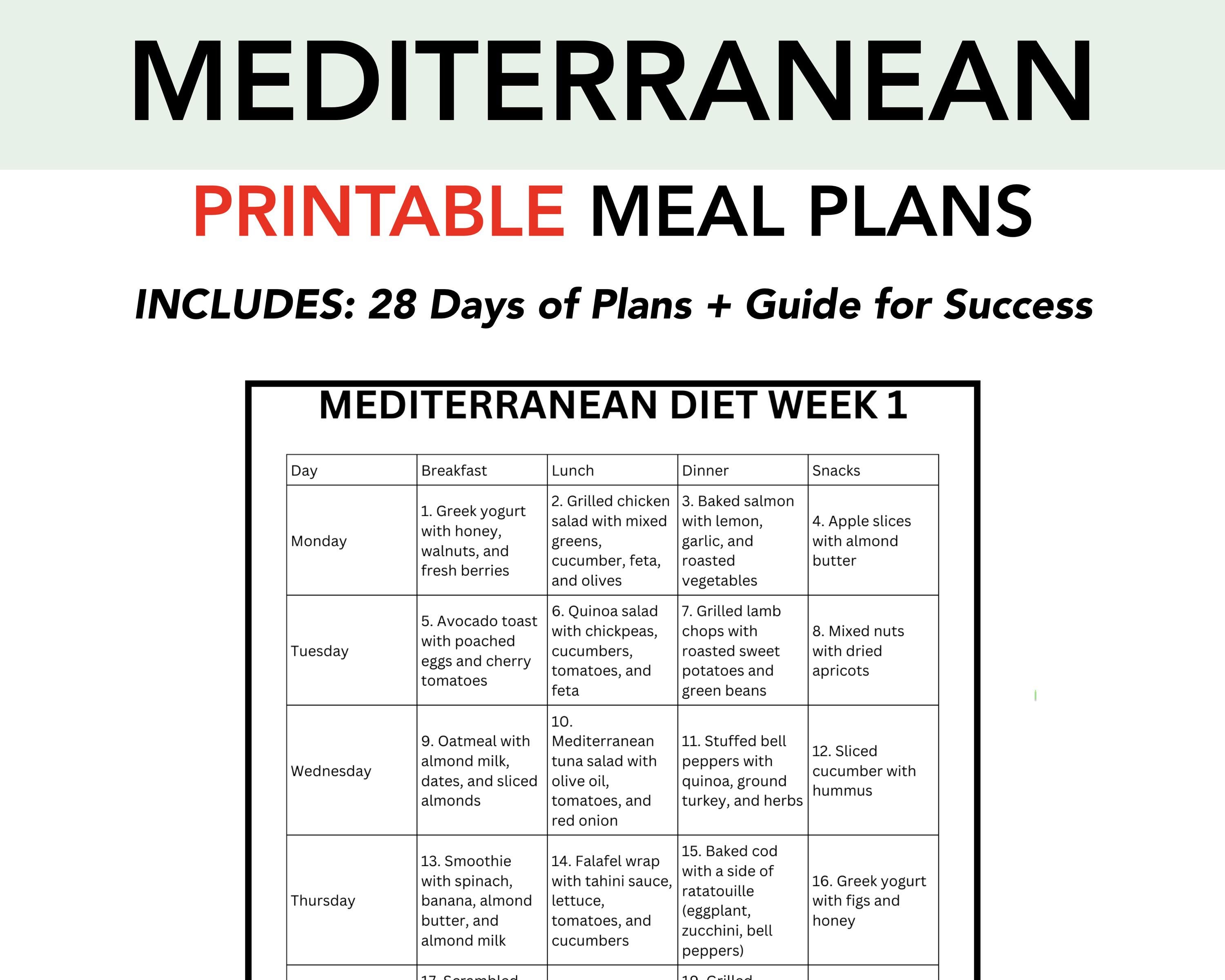
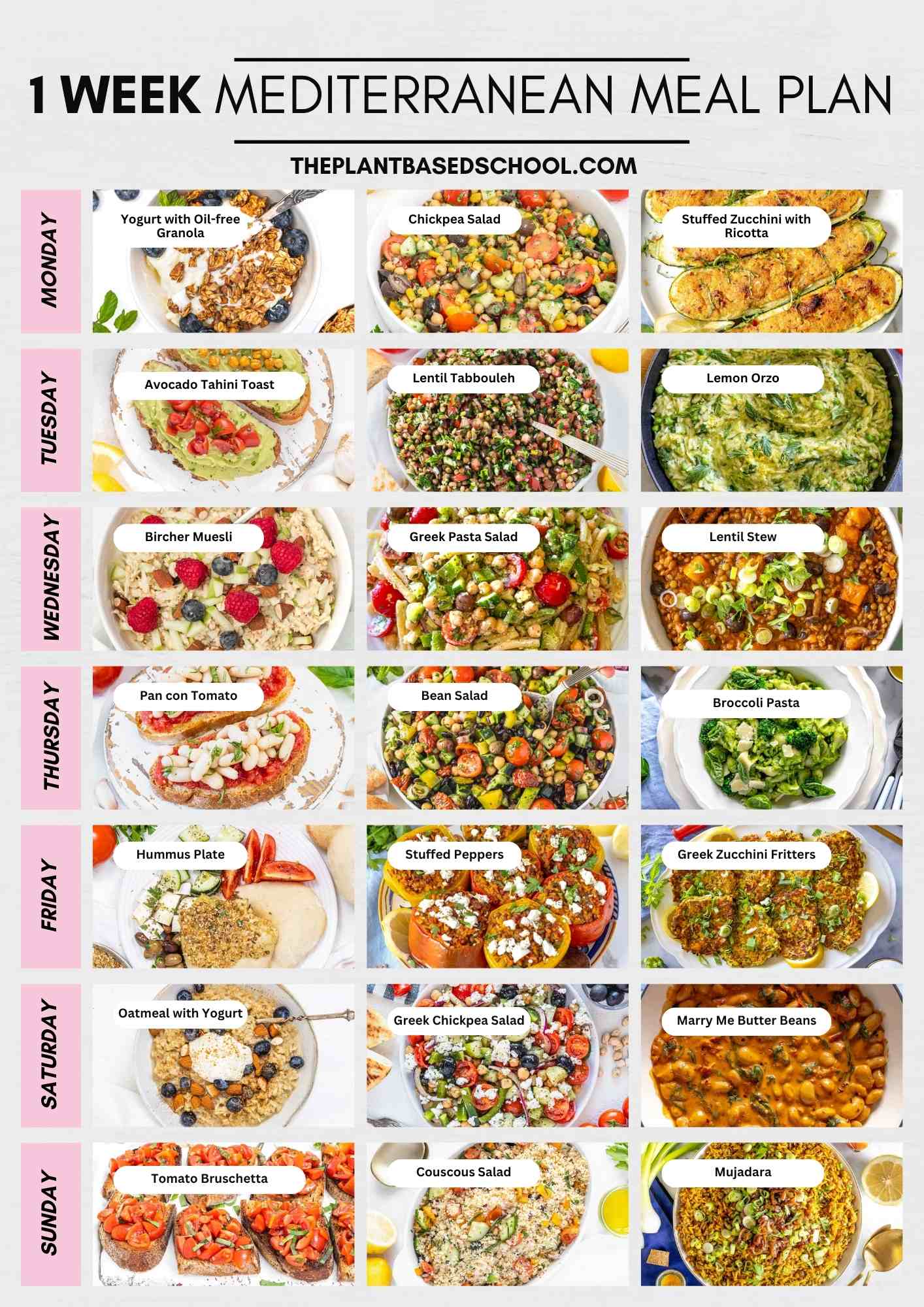
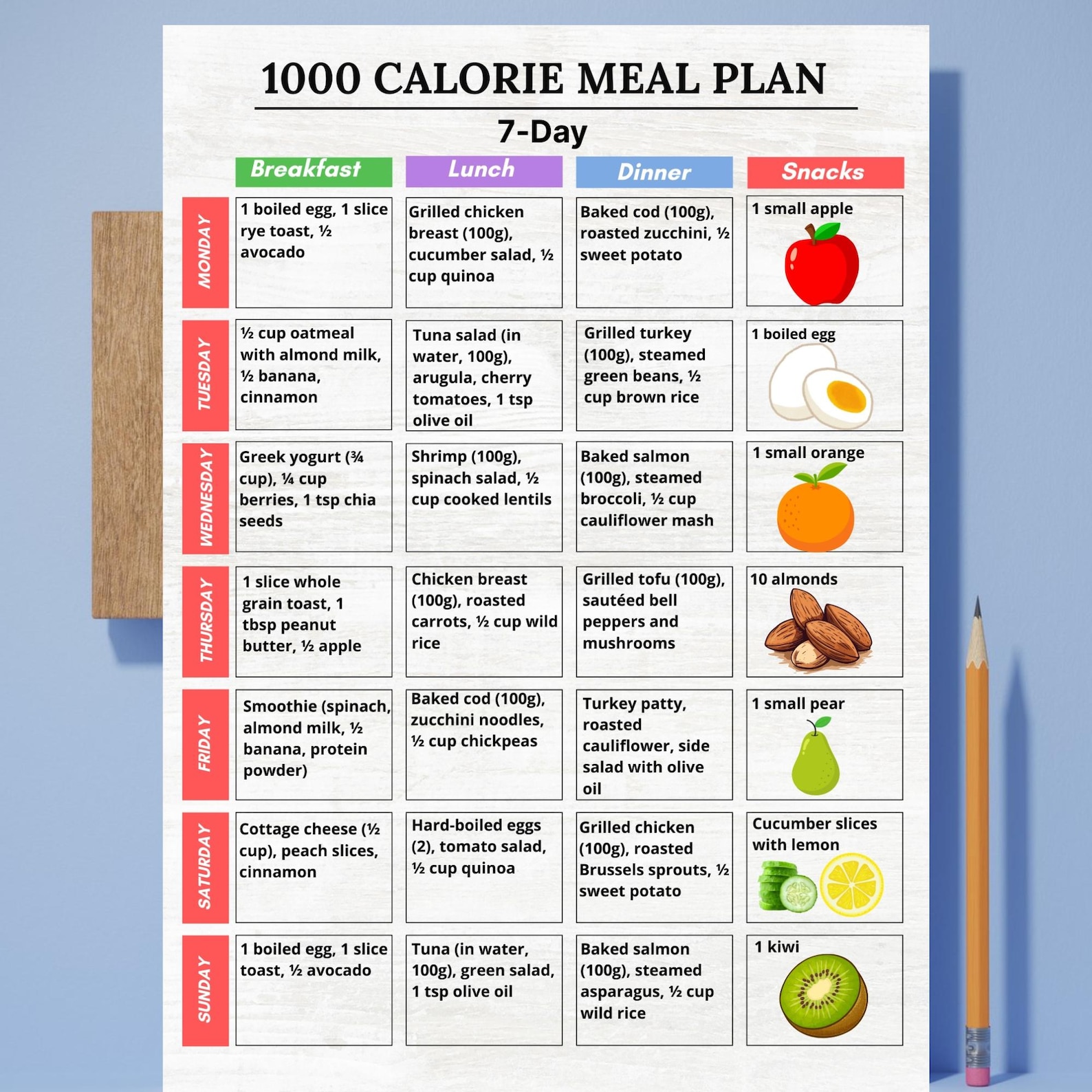
Understanding the 30 Day Phentermine Diet Plan: Clinical Guidance and Structural Expectations
A "30 day phentermine diet plan PDF" typically refers to a structured nutritional and behavioral guide intended to complement the short-term use of phentermine, a prescription sympathomimetic amine used for weight management. Because p...
A "30 day phentermine diet plan PDF" typically refers to a structured nutritional and behavioral guide intended to complement the short-term use of phentermine, a prescription sympathomimetic amine used for weight management. Because phentermine is a controlled substance regulated by medical professionals, these plans are not standalone weight-loss prescriptions but rather framework documents designed to facilitate the lifestyle modifications necessary for sustained metabolic health during the period of pharmacological intervention.
Contents
The Role of Phentermine in Medical Weight Management
Phentermine (often prescribed under brand names such as Adipex-P or Lomaira) is an appetite suppressant that acts on the central nervous system. Its primary utility is the reduction of hunger, which facilitates the adherence to a caloric deficit. In 2026, medical guidelines continue to emphasize that this medication is an adjunct to, not a replacement for, a comprehensive lifestyle intervention.
When patients seek a "30 day phentermine diet plan," they are usually looking for a template that aligns with the therapeutic window of the medication. The drug is typically approved for short-term use (often up to 12 weeks), making a 30-day block a standard milestone for assessing efficacy, monitoring side effects, and reinforcing dietary habits.
Prerequisites for Engaging with a Diet Plan
Before downloading or implementing any dietary PDF associated with medication, you must verify your eligibility and current health status with a licensed healthcare provider. Phentermine is not suitable for individuals with a history of cardiovascular disease, hyperthyroidism, glaucoma, or those taking monoamine oxidase inhibitors (MAOIs).
A legitimate dietary plan accompanying this medication should prioritize the following requirements:
- Medical Clearance: Documentation from a physician confirming the patient is a candidate for stimulants.
- Nutritional Baseline: A calorie-controlled intake that remains above the minimum safety threshold (typically 1,200 calories for women and 1,500 for men).
- Monitoring: A system for logging water intake, protein consumption, and physical side effects.
- Behavioral Alignment: A focus on macronutrient distribution that compensates for the decreased appetite caused by the drug to ensure muscle preservation.
Structural Components of a Professional Diet PDF
If you obtain a digital guide or PDF from a clinical setting, it should contain specific structural elements. Beware of generic, downloadable PDFs found on unauthorized websites; these often lack the necessary medical tailoring for specific metabolic needs. A high-quality plan usually includes:
- Macronutrient Targets: Guidelines for protein (to maintain muscle mass), fiber (to improve satiety and digestion), and healthy fats.
- Hydration Protocols: Increased fluid intake is essential when taking phentermine, as it can cause dry mouth and potential electrolyte imbalances.
- Meal Frequency: Strategies for eating at regular intervals, even when appetite is suppressed, to prevent metabolic slowing.
- Avoidance Lists: Guidance on items that may exacerbate side effects or interfere with the medication’s efficacy, such as excessive caffeine, alcohol, or highly processed sugars.
Comparison of Nutritional Strategies
The following table outlines the differences between a general weight-loss approach and a medically guided approach while using phentermine.
| Feature | General Caloric Restriction | Medically Guided Phentermine Plan |
|---|---|---|
| Primary Driver | Willpower/Caloric Math | Appetite Suppression + Behavioral Change |
| Protein Focus | Variable | High priority to prevent muscle wasting |
| Hydration | Standard (8 glasses) | Elevated (due to diuretic-like effects) |
| Duration | Open-ended | Usually 4–12 week cycles |
| Medical Oversight | Self-directed | Required check-ins for blood pressure/heart rate |
Avoiding Common Mistakes
One of the most frequent errors users make when following a 30-day plan is "starving" because the medication effectively masks hunger signals. This is counterproductive; failing to meet basic caloric needs during this period can lead to fatigue, irritability, and a rebound effect once the medication cycle concludes.
Another common pitfall is the reliance on stimulants (like excessive coffee or energy drinks) alongside the medication. Phentermine is a stimulant; adding further caffeine can lead to palpitations, sleep disturbances, and elevated blood pressure. A quality PDF plan will explicitly address the limitation of stimulants throughout the 30-day period.
Troubleshooting and When to Seek Help
If you are following a 30-day diet plan and experience significant adverse events, the plan is secondary to your medical safety. Seek immediate medical attention if you experience:
- Chest pain or shortness of breath.
- Dizziness or fainting.
- Extreme mood shifts or anxiety.
- Persistent insomnia that impacts daily functioning.
Most "30-day" PDFs are intended as educational tools. If you find the diet overly restrictive, consult your prescribing physician. They may adjust your dosage or suggest modifications to your meal plan to ensure you remain nourished while the medication aids your weight management journey.
Frequently Asked Questions
1. Is a 30-day phentermine diet plan a universal document? No. Every plan should be customized to the individual's baseline metabolic rate, activity level, and underlying health conditions. A PDF found online is a template, not a clinical prescription.
2. Can I consume caffeine while following a 30-day plan? Most medical guidelines suggest limiting or eliminating caffeine while on phentermine to prevent cardiovascular strain and prevent exacerbation of insomnia. Always clarify this with your doctor.
3. What happens after the 30 days are up? The 30-day plan acts as a bridge. The goal is to establish sustainable eating habits that you can maintain without the appetite-suppressing effects of the medication once you transition off the drug.
4. Why is protein so emphasized in these plans? When you are in a caloric deficit, your body may catabolize muscle tissue for energy. A high-protein intake signals the body to preserve lean muscle mass, which helps keep your resting metabolic rate higher.
5. How do I know if a PDF plan is safe to follow? If the plan suggests extreme caloric restriction (below 1,000 calories), excludes entire food groups without medical justification, or suggests "detox" supplements, it is not a safe or evidence-based document.
Recommendation for Success
To achieve the best results over a 30-day cycle, do not search for a "magic" PDF. Instead, request a nutritional consultation from the clinic providing your prescription. Ask for a plan that focuses on "Whole Food Nutrition" and sustainable behavior modification. Your primary goal is to use the 30-day window to retrain your portion control and food choices so that when the medication is eventually tapered, your success remains consistent. Monitor your daily progress in a food log, and bring this data to your follow-up appointments to ensure your doctor has the necessary evidence to optimize your care.
Image Gallery