Henry Winkler Is the Actor Behind The Fonz: A Legacy of Cultural Impact
Henry Winkler is the actor behind the iconic character Arthur "The Fonz" Fonzarelli, a role he portrayed on the long-running television series Happy Days. Running from 1974 to 1984, the show established Winkler as one of the most recog...
Henry Winkler is the actor behind the iconic character Arthur "The Fonz" Fonzarelli, a role he portrayed on the long-running television series Happy Days. Running from 1974 to 1984, the show established Winkler as one of the most recognizable figures in television history, transforming his career from a guest-starring actor into a pop-culture phenomenon that transcended the sitcom format.
Contents
The Origins of Arthur Fonzarelli
When Happy Days was first conceptualized by creator Garry Marshall, the character of Arthur Fonzarelli was intended to be a secondary figure, a classic "greaser" who existed on the periphery of the Cunningham family’s life. However, as the production team observed Henry Winkler’s portrayal during early episodes, it became evident that his interpretation of the character offered far more depth than a simple caricature of 1950s rebellion.
Winkler brought a sense of vulnerability and physical comedy to the role that allowed the character to evolve. While the script demanded a "cool" exterior—characterized by leather jackets, motorcycle expertise, and effortless charisma—Winkler infused the performance with subtle nuances. His Fonz was not merely a delinquent; he was a mentor, a protector, and eventually, the heartbeat of the show’s social circle. This shift in the character's importance was reflected in the credits, as Winkler moved from a supporting actor to a top-billed star alongside Ron Howard.
Defining the "Cool" Archetype
The cultural impact of Henry Winkler as The Fonz cannot be overstated. In the mid-1970s, the "cool" archetype was often associated with isolation and cynicism. Winkler subverted this by making The Fonz a deeply loyal friend who valued community and integrity, albeit through a stoic, leather-clad lens.
Key attributes that defined the performance included:
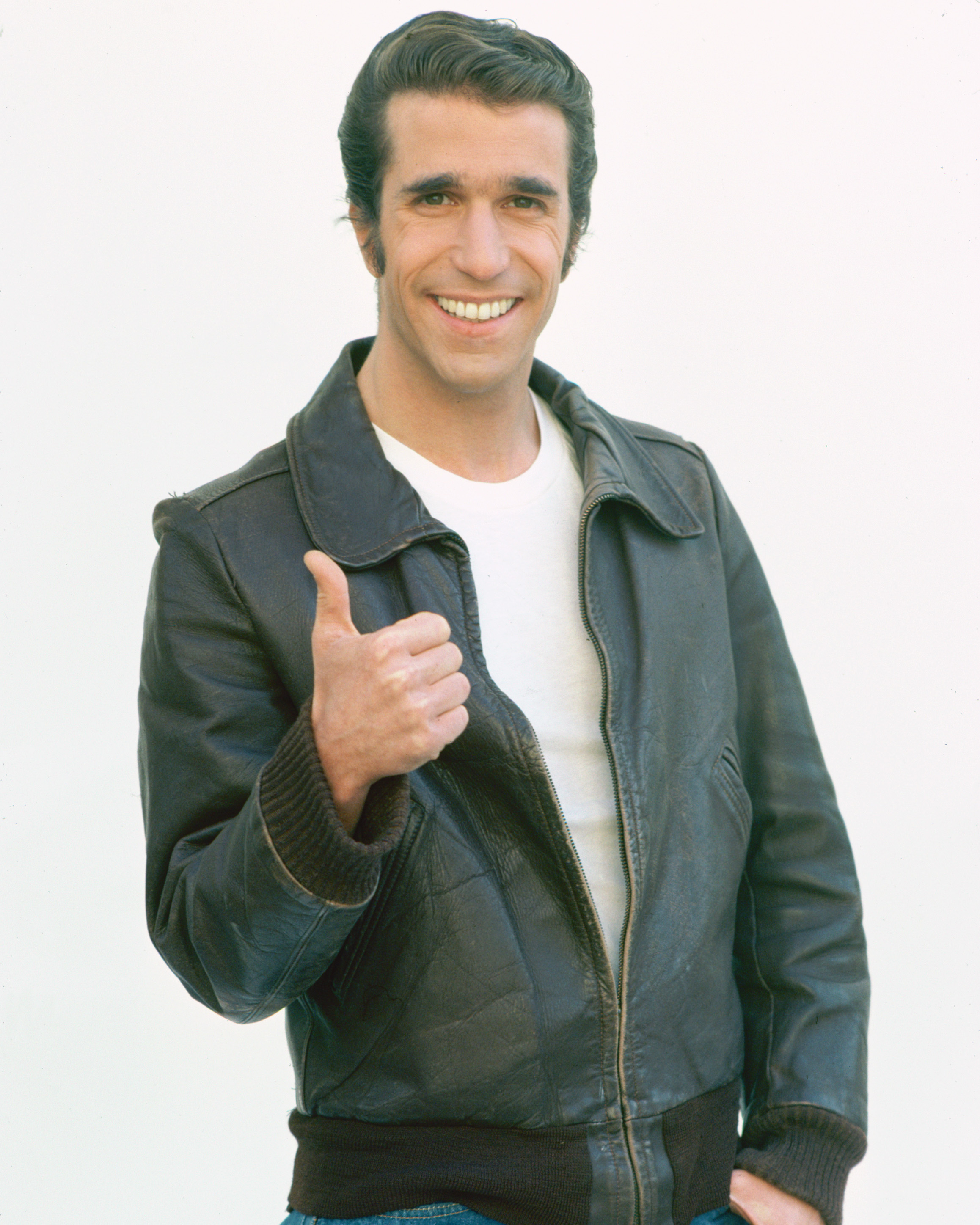
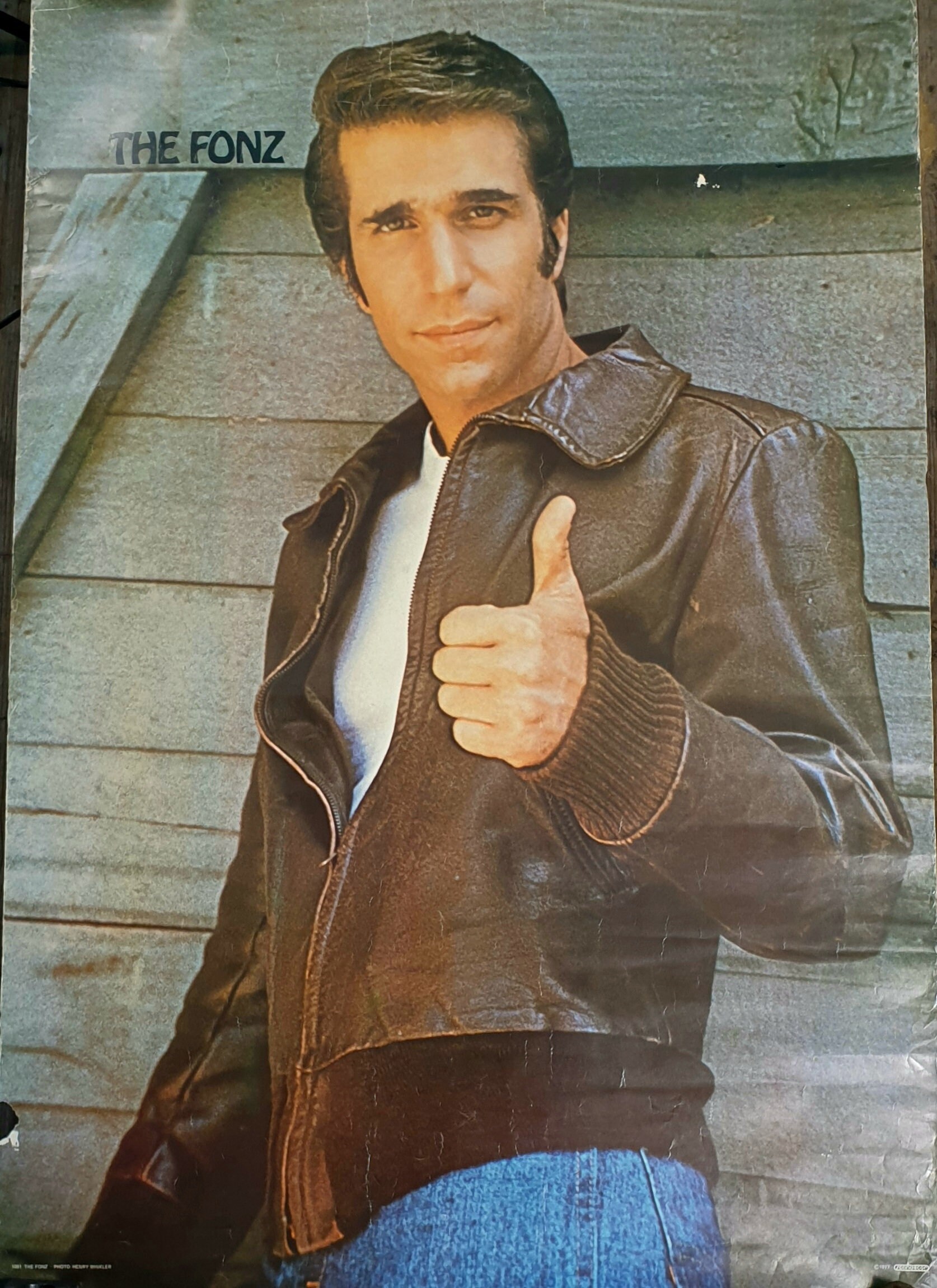
- Physicality: The use of his signature thumbs-up gesture and the iconic "Ayyyy!" catchphrase became shorthand for confidence in American pop culture.
- The Leather Jacket: The decision to have the character wear a leather jacket—an item traditionally reserved for "bad boys" or criminals in film—created a visual tension that kept the audience engaged.
- Moral Alignment: Despite his rebellious persona, The Fonz was frequently the voice of reason within the Cunningham household, often resolving conflicts between Richie Cunningham and his father, Howard.
Comparative Analysis of Sitcom Archetypes
The role of The Fonz occupies a unique space in television history. When evaluating the impact of Winkler’s character, it is useful to compare him against other "breakout" characters from that era, who often served to balance the more traditional, wholesome lead characters.
| Feature | The Fonz (Henry Winkler) | Traditional Sitcom Lead | Impact of Deviation |
|---|---|---|---|
| Social Status | Outsider/Cool | Establishment/Family | Bridges social gaps |
| Primary Skill | Mechanical/Street Smarts | Domestic/Career Focused | Provides unique problem-solving |
| Emotional State | Stoic/Controlled | Open/Communicative | Creates tension/mystery |
| Cultural Legacy | Iconic catchphrases/Look | Narrative arc consistency | High merchandising/Recognition |
Beyond the Leather Jacket: A Career Evolution
While Henry Winkler is indelibly linked to the role of The Fonz, his career highlights the complexities of "typecasting" and the work required to transcend a singular cultural image. In the years following Happy Days, Winkler transitioned into producing and directing, working behind the scenes on projects like MacGyver.
His later work in acting proved that his range extended far beyond the constraints of a 1950s greaser. By taking on eccentric, comedic roles in projects like Arrested Development, Parks and Recreation, and Barry, Winkler demonstrated a capacity for self-deprecation and character-driven humor that allowed him to remain a relevant and respected figure in the entertainment industry well into 2026. This evolution is a primary example of how a singular, defining role can serve as a foundation for a long-term career rather than a limitation.
The Technical Demands of Sitcom Acting
For those unfamiliar with the rigorous environment of 1970s television, it is important to understand the technical challenges Henry Winkler faced. Filming in front of a live studio audience required a specific set of skills that many film actors found difficult to master. Winkler had to balance the scripted lines with the unpredictable timing of audience reactions.
Maintaining the persona of "The Fonz" during these live tapings required immense discipline. The character relied on timing—the specific beat of silence before a punchline or the precise moment of a physical movement—to maintain his mystique. If the timing was off by even a fraction of a second, the character risked becoming a parody of himself rather than a genuine archetype. Winkler’s ability to sustain this performance over eleven seasons provided a blueprint for sitcom character development that is still studied by contemporary actors today.
Frequently Asked Questions
Was Henry Winkler always the intended choice for The Fonz? No. The role was initially written for a different archetype. During the audition process, Winkler brought a unique, soft-spoken, yet assertive energy that forced the writers to reshape the character to fit his performance style, rather than forcing the actor to conform to the original script.
How did the "Jump the Shark" phenomenon affect the character? The phrase "jump the shark," which describes a show losing its quality, originated from a Happy Days episode where The Fonz literally jumped over a shark while on water skis. While the phrase is now a common idiom in media criticism, it is often seen as a symptom of a show’s longevity rather than a direct failure of Winkler’s performance.
Is Henry Winkler still acting in 2026? Yes. Henry Winkler continues to be an active and highly regarded figure in the entertainment industry. His transition from the 1970s sitcom icon to a character actor in modern streaming and network dramas is widely cited as a successful example of career longevity in Hollywood.
Did Henry Winkler’s real-life personality match The Fonz? By all accounts, they were polar opposites. Winkler has often discussed his struggles with dyslexia and his naturally empathetic, intellectual nature, which contrasts sharply with the "cool" and physically confident Arthur Fonzarelli. His ability to inhabit the role is considered a testament to his dramatic skill.
Moving Forward
For those interested in the history of television and the specific craft of sitcom acting, studying Henry Winkler’s performance as The Fonz offers a masterclass in character development and audience connection. It serves as a reminder that the most memorable characters are often those who successfully navigate the tension between their scripted archetypes and the authentic humanity brought to them by the actor. Aspiring writers and actors should look to this performance as a standard for how a single role, when executed with precision and growth, can sustain a multi-decade legacy in a volatile industry.
Image Gallery