Understanding the Javaris Crittenton Contract: Earnings, Legal Voiding, and Career Impact
Javaris Crittenton’s NBA contracts were primarily defined by his status as a 2007 first-round draft pick. He signed a multi-year rookie scale deal worth approximately $4.6 million over three active seasons. However, his total career ea...
Javaris Crittenton’s NBA contracts were primarily defined by his status as a 2007 first-round draft pick. He signed a multi-year rookie scale deal worth approximately $4.6 million over three active seasons. However, his total career earnings were capped by a historic suspension following a 2009 locker room incident and subsequent legal convictions that ended his professional career prematurely.
Contents
The story of Javaris Crittenton remains one of the most sobering "what-if" tales in professional basketball history. While most fans remember him for the infamous locker room confrontation with Gilbert Arenas or his subsequent legal battles, the financial and contractual aspects of his career provide a window into how the NBA’s Collective Bargaining Agreement (CBA) handles rookie guarantees, disciplinary suspensions, and the eventual voiding of professional earnings. In 2026, as we look back on the legacy of the 2007 draft class, the Crittenton contract stands as a case study in the intersection of guaranteed sports wealth and the fragility of professional standing.
The Structure of the 2007 NBA Rookie Scale Contract
When Javaris Crittenton was selected 19th overall by the Los Angeles Lakers in the 2007 NBA Draft, his earnings were governed by the NBA’s Rookie Scale. Under the CBA at the time, first-round picks were entitled to a two-year guaranteed contract with team options for the third and fourth years.
The 19th pick slot carries specific financial value. Unlike second-round picks, who must negotiate every dollar of their deal, first-rounders have a predetermined "scale" amount. Teams can sign a player for anywhere between 80% and 120% of this scale. Nearly every team, including the Lakers, signs players at the 120% maximum to maintain player relations.
Initial Contract Details (Lakers)
- Draft Position: 19th Overall (2007)
- Total Initial Value: Approx. $4.6 million over three seasons (including options)
- Guarantee Status: First two years fully guaranteed upon signing.
Crittenton’s journey was complicated by the fact that he was a key piece in one of the most famous trades in NBA history. On February 1, 2008, Crittenton was traded to the Memphis Grizzlies as part of the package that brought Pau Gasol to the Lakers. Under NBA rules, when a player is traded, their existing contract is "assigned" to the new team. Memphis became responsible for the remainder of his rookie scale salary.
Year-by-Year Salary Breakdown
To understand the full scope of Crittenton’s earnings, one must look at the specific disbursements during his time with the Lakers, Grizzlies, and Washington Wizards. The following table outlines the estimated salary figures based on the 120% rookie scale typical of that era.
| Season | Team | Salary (Estimated) | Status |
|---|---|---|---|
| 2007-2008 | L.A. Lakers / Memphis Grizzlies | $1,274,160 | Fully Paid |
| 2008-2009 | Memphis / Washington Wizards | $1,369,680 | Fully Paid |
| 2009-2010 | Washington Wizards | $1,477,320 | Suspended (Partially Unpaid) |
| 2010-2011 | Washington Wizards | $2,311,986 | Option Not Picked Up / Waived |
| Total | ~$4.1 Million | Actual Earnings Lower |
While the total value of his rookie deal through the third-year option was roughly $4.12 million, Crittenton did not collect every dollar. The 2009-2010 season is where the contract became a focal point of legal and league-wide scrutiny.
The Gilbert Arenas Incident and Contractual Suspension
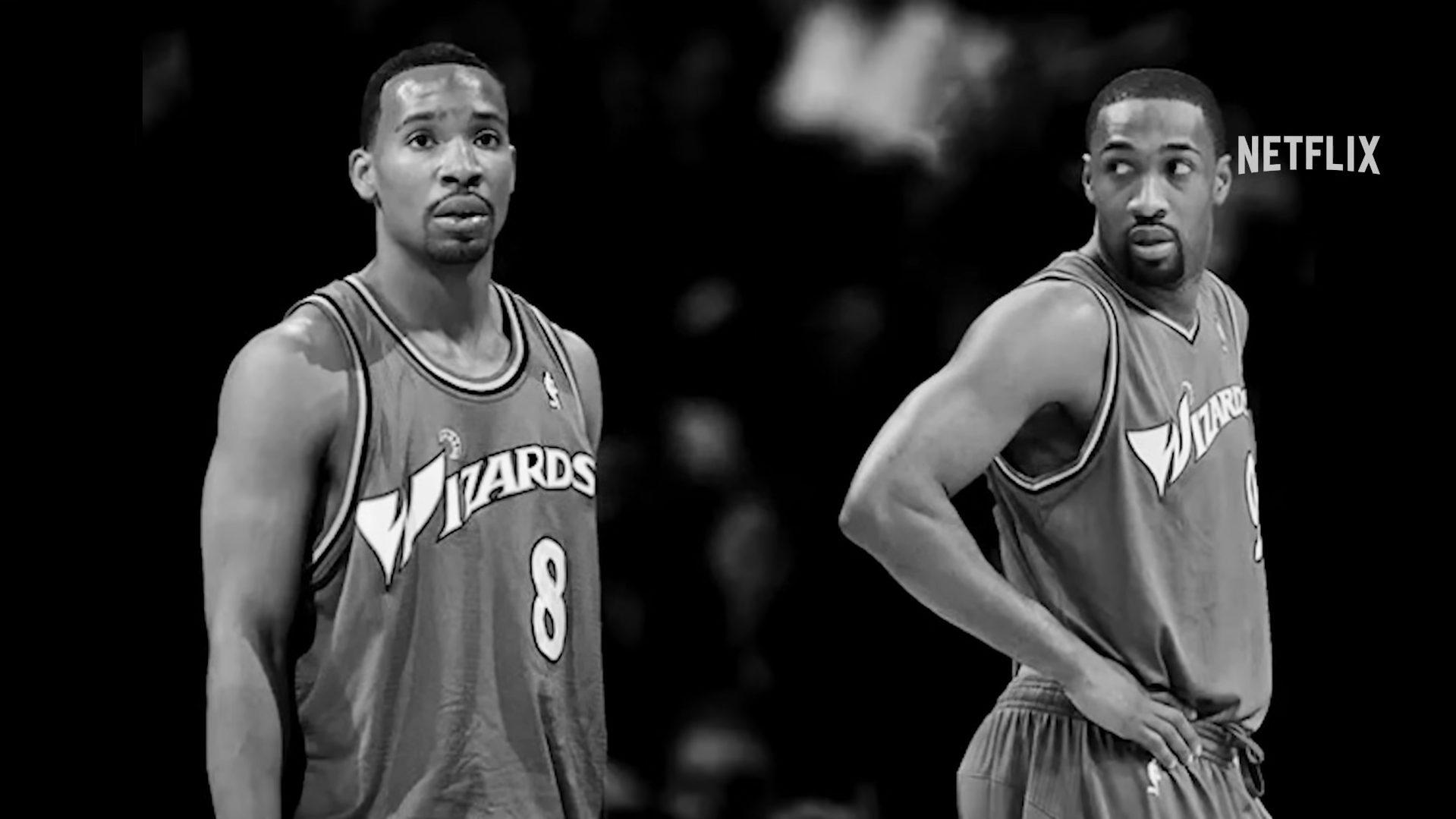
The most significant disruption to Crittenton’s contract occurred in December 2009. Following a dispute over a card game during a team flight, Crittenton and teammate Gilbert Arenas were involved in a confrontation involving firearms in the Washington Wizards locker room.
The "Conduct Detrimental" Clause
The NBA Constitution and the Uniform Player Contract (UPC) contain strict language regarding "conduct detrimental to the best interests of basketball." On January 27, 2010, NBA Commissioner David Stern suspended both players for the remainder of the 2009-2010 season.
Financially, this was catastrophic for Crittenton. Under the CBA, a suspension without pay means the player loses 1/110th of their salary for every game missed (for suspensions over 20 games).
- Games Lost: Crittenton was suspended for the final 38 games of the season.
- Financial Penalty: This resulted in a loss of nearly 35% of his $1.47 million salary for that year.
- Vesting Consequences: While the time counts toward "years of service" for pension purposes, the loss of liquid income was immediate.
The Termination of Professional Earnings
Following the suspension, the Washington Wizards had no intention of retaining Crittenton. In the NBA, team options for the fourth year of a rookie contract must be exercised by October 31 of the previous year. Because of his legal troubles and inconsistent play, his 2010-2011 option—which would have paid him over $2.3 million—was declined.
The Post-Wizards Financial Decline
Crittenton attempted a comeback, signing a non-guaranteed training camp contract with the Charlotte Bobcats in September 2010. In the NBA, a non-guaranteed contract allows a team to waive a player before the start of the regular season without paying the full salary. Charlotte released him in October, meaning he earned only a pro-rated portion of a training camp stipend.
Subsequently, he played briefly for the Zhejiang Lions in the Chinese Basketball Association (CBA) and the Dakota Wizards in the NBA Development League. These contracts were worth a fraction of his NBA rookie scale, often in the range of $25,000 to $50,000 for D-League stints.
Legal Consequences and the End of Basketball Income
The trajectory of Crittenton's earnings was permanently halted by criminal charges unrelated to the NBA. In 2011, he was charged in connection with the shooting death of Julian Jones. While he was out on bond, he was further implicated in a drug trafficking ring.
The Manslaughter Plea and Prison Sentence
In 2015, Crittenton pleaded guilty to voluntary manslaughter and aggravated assault. He was sentenced to 23 years in prison (later reduced). During incarceration, a player’s contract is functionally non-existent. There is no "disability insurance" or "guaranteed payment" that covers criminal activity resulting in imprisonment.
By the time of his release in April 2023, Crittenton had spent a decade away from any revenue-generating activities related to basketball. As of 2026, he is essentially a private citizen with no active ties to NBA payrolls.
NBA Pension and 401(k) Eligibility
One common question regarding the Javaris Crittenton contract is whether he is entitled to an NBA pension. The NBA pension plan is one of the most generous in professional sports, but it has specific vesting requirements.
- Vesting Requirement: A player must have at least three years of "credited service" in the NBA.
- Crittenton’s Service: Despite his suspension, Crittenton earned service time for the 2007-08, 2008-09, and 2009-10 seasons. Because he was on an active roster or on the suspended list for more than three seasons, he is technically vested in the NBA pension plan.
- The "Felony Rule": Generally, the NBA pension is a protected asset under ERISA (the Employee Retirement Income Security Act). This means that even with a criminal conviction, the NBA cannot typically strip a player of their earned pension once it has vested, though the age at which he can begin drawing (age 45 or 62) remains a long way off for him.
Lessons in Professional Sports Contract Law
The Javaris Crittenton case serves as a warning about the limitations of "guaranteed" money in professional sports. While NBA contracts are touted as being fully guaranteed, they are subject to several "voiding" conditions found in the fine print of the Uniform Player Contract:
- The Morality Clause: If a player is involved in a crime of moral turpitude or acts that bring public disrepute to the team, the team may attempt to void the remainder of the contract.
- Physical Condition: While injuries are covered, self-inflicted injuries or those sustained during prohibited activities (like riding a motorcycle or participating in other sports) can void a contract.
- Incarceration: If a player is physically unable to perform their duties due to legal detention, the team is under no obligation to pay.
For Crittenton, the decline of his 2010 option and his subsequent inability to secure a guaranteed deal meant the NBA did not have to officially "void" a long-term deal; they simply let his existing agreements expire or terminated him for lack of performance/availability.
Frequently Asked Questions
How much did Javaris Crittenton make in total from the NBA?
While his contracts totaled over $4 million in potential value, his actual career earnings are estimated to be approximately $2.8 million to $3 million after accounting for the unpaid portion of his 2009-2010 suspension and the fact that his fourth-year option was not picked up.
Was his contract voided after the gun incident?
Technically, his contract was not voided, but he was suspended without pay for the remainder of the season. The Washington Wizards chose not to exercise their team option for the following year, which effectively ended his contract without the team needing to go through the legal process of voiding it.
Does Javaris Crittenton still get paid by the NBA in 2026?
No. Crittenton has no active contract with any NBA team or affiliate. Any future money he receives from the NBA would come from his vested pension, which players typically do not begin collecting until they reach age 45 at the earliest.
What happened to his endorsement deals?
Like most rookie-scale players, Crittenton had minor endorsement deals (likely including a shoe contract). These contracts almost always contain "morality clauses" that allow the brand to terminate the agreement immediately upon a criminal charge or league suspension. All such income ceased in 2010.
Can the NBA take back the money he already earned?
No. Money paid for games played and seasons completed is generally considered "earned" and cannot be clawed back by the league, regardless of subsequent criminal behavior. The only money at risk is future, unpaid salary or bonuses.
Practical Recommendation: Managing Professional Risk
For athletes and representatives, the Crittenton case highlights the importance of the Conduct Detrimental clause. While players focus on the "guaranteed" nature of the salary, those guarantees only exist as long as the player is legally and physically able to be present for work. Maintaining a clean legal record is not just a personal matter but a fundamental requirement for the fulfillment of a multi-million dollar sports contract. In 2026, agents continue to use this case as a primary example during rookie orientations to emphasize that a first-round selection is a beginning, not a financial finish line.
Image Gallery