Bill Bridgforth Net Worth Explained: Key Income Streams and Business Analysis
Bill Bridgforth's estimated net worth, frequently analyzed within executive and direct sales financial circles, is generally evaluated between $15 million and $35 million as of 2026. This valuation reflects decades of cumulative residu...
Bill Bridgforth's estimated net worth, frequently analyzed within executive and direct sales financial circles, is generally evaluated between $15 million and $35 million as of 2026. This valuation reflects decades of cumulative residual commissions, organizational leadership overrides from NSA/The Juice Plus+ Company, strategic real estate holdings, and private capital investments, rather than public regulatory filings.
Contents
Background and Core Wealth Drivers of Bill Bridgforth
Understanding the financial trajectory of Bill Bridgforth requires examining the evolution of the direct sales and health-wellness industries over the past four decades. Bridgforth emerged as one of the most prominent figures within National Safety Associates (NSA), a company founded by Jay Martin in 1970 that initially specialized in home safety products, water filtration systems, and air purification units before pivoting toward nutritional products under the Juice Plus+ brand in the 1990s.
Bridgforth’s entry into the business occurred during a period when direct selling relied heavily on regional seminars, physical distribution networks, and personal recruitment. By establishing early distribution legs and developing training systems for thousands of independent distributors, Bridgforth capitalized on the compound growth mechanics inherent in direct selling organizations.
Unlike traditional corporate executives who receive fixed base salaries and stock-based compensation tied to publicly traded shares, high-tier direct sales leaders build long-term enterprise value through continuous commission overrides across expanding sales organizations. As the Juice Plus+ brand expanded across North America, Europe, and Asia-Pacific markets, Bridgforth's downline organization generated substantial ongoing sales volume, serving as the foundational foundation for his long-term wealth accumulation.
- BILL BRIDGFORTH WEALTH ACCUMULATION
- Primary Engine: NSA / The Juice Plus+ Downline Residuals
- Secondary Engine: Leadership Bonuses & Corporate Club Incentives
- Asset Growth: Real Estate Holdings & Private Capital Allocation
- Preservation: Diversified Portfolio & Advisory Engagements
Dissecting the Financial Sources Behind the Net Worth Estimate
To provide a comprehensive breakdown of Bill Bridgforth's net worth, financial analysts evaluate multiple distinct revenue streams and asset classes developed over his multi-decade career.
Direct Sales Compensation and Override Mechanics
The primary revenue engine for Bridgforth has been the performance-based compensation plan of NSA / The Juice Plus+ Company. Direct sales compensation at the highest organizational tiers—such as National Sales Director (NSD) and top leadership advisory boards—operates on several simultaneous tiers:
- Personal and Direct Team Commissions: Earned on direct sales of nutritional products and personal customer subscriptions.
- Generation and Leadership Overrides: Percentage payouts calculated on total monthly product volume generated across multiple sub-levels of distributors within his organization.
- Corporate Incentive Programs and Bonuses: Expense allowances, healthcare benefits, matching programs, and elite club payouts (such as the 39 Club or Presidential Founder recognitions) designed to reward long-term organizational retention.
Because nutritional subscription models generate recurring monthly orders from end consumers, top distributors experience far higher revenue stability than high-commission single-transaction industries like auto sales or residential real estate agency work.
Real Estate and Portfolio Capital Allocation
A significant portion of Bridgforth's wealth preservation and capital growth stems from secondary investments outside direct selling. Successful network marketing leaders historically reinvest continuous cash flows into tangible, cash-flowing assets to hedge against fluctuations in consumer product sales.
Bridgforth's portfolio strategy emphasizes commercial and residential real estate assets, private debt instruments, and passive equity holdings. Real estate investments provide tax advantages—such as cost segregation, accelerated depreciation, and 1031 exchange deferred gains—that help preserve high net commission earnings against top-bracket income tax liabilities.
Keynote Speaking, Training, and Executive Advisory
Top industry leaders frequently generate auxiliary income through professional speaking engagements, training material publishing, and organizational consulting. While these activities represent a smaller percentage of overall net worth compared to long-term residual overrides, they provide liquid cash flow that often funds private market investments and venture capital participations.
Public vs. Private Disclosures: Why Exact Net Worth Figures Vary
When searching for "Bill Bridgforth net worth," readers often encounter varying published figures ranging from $10 million to over $40 million. Understanding why these figures fluctuate requires examining public reporting laws, private corporate structures, and analytical methodologies.
The Privately Held Structure of The Juice Plus+ Company
The primary reason for variance in net worth estimates is that The Juice Plus+ Company (headquartered in Collierville, Tennessee) operates as a privately held corporation. Private entities are not required to file Form 10-K annual reports, Form 10-Q quarterly reports, or proxy statements with the U.S. Securities and Exchange Commission (SEC).
Consequently, precise commission checks, individual executive payouts, and internal shareholder equity structures remain confidential corporate disclosures. Net worth aggregators and financial researchers must rely on secondary indicators, including:
- Standardized corporate compensation plan schedules multiplied by published organizational volume metrics.
- Industry benchmarks for top-earner commission tiers over multi-year operational periods.
- Publicly recorded real estate deeds, corporate registry documents, and court proceedings where financial disclosures become part of public record.
Distinguishing Team Sales Volume from Personal Net Income
A common source of confusion in evaluating network marketing figures is conflating gross organizational sales volume with personal net income. High-level direct sales organizations may move $50 million to $100 million or more in annual retail product volume. However, the distributor at the top receives a specific percentage override (typically ranging from 2% to 6% on deeper generations), not the total revenue figure.
Furthermore, gross commissions received by an independent business owner are subject to:
- Federal, state, and local income taxes.
- Operational overhead, including travel, event hosting, and marketing collateral.
- Staff salaries, legal fees, and administrative expenses.
- Reinvestment into business development and downline support tools.
Evaluating net worth based on gross team revenue creates artificially inflated figures. A disciplined analysis accounts for top-tier marginal tax rates and operational expenses to calculate actual net balance sheet growth over time.
Financial Breakdown of Estimated Wealth Components
The following table provides a structural breakdown of the income streams, asset types, and estimation methodologies associated with Bill Bridgforth's overall financial profile.
| Asset / Income Category | Description & Primary Source | Estimated Wealth Contribution | Verification Level & Visibility |
|---|---|---|---|
| Residual Commission Overrides | Recurring monthly payouts from global Juice Plus+ distribution organization. | 50% – 60% of total wealth creation | High industry confidence; based on standard compensation architecture. |
| Real Estate & Tangible Assets | Residential, commercial property holdings, and real estate partnerships. | 25% – 35% of overall asset base | Medium visibility; tracked through public land registry and corporate filings. |
| Private Equity & Liquid Holdings | Stocks, bonds, private business investments, and cash reserves. | 10% – 15% of asset allocation | Low visibility; private bank accounts and unlisted equity holdings. |
| Consulting & Ancillary Revenue | Leadership seminars, training materials, and direct sales advisory fees. | 5% – 10% of historical cash flow | Medium visibility; derived from public event attendance and course materials. |
Note: This breakdown represents an analytical synthesis based on standard wealth distribution models for top direct-selling executives and public financial data.
Lessons in Wealth Management and Asset Protection from Top Earners
Analyzing the accumulation model of figures like Bill Bridgforth highlights critical financial lessons for entrepreneurs, direct sellers, and corporate professionals seeking long-term capital stability.
The Power of Asymmetric Residual Cash Flow
Most professionals trade time directly for money through hourly wages or annual base salaries. Bridgforth's earnings model demonstrates the financial leverage of asymmetric residual cash flow—building an operational asset once (an organized distribution network) that continues to generate revenue across thousands of recurring retail transactions.
- Time-for-Money Model:
- Work Performed
- One-Time Paycheck
- Residual Asset Model:
- Initial Effort
- Multi-Year Subscription Overrides
When leveraged correctly, this cash flow generation allows an investor to deploy capital into growth assets faster than traditional salary earners, compounding wealth at an accelerated pace.
Mitigating Single-Source Risk Through Diversification
In direct sales and network marketing, regulatory changes, shifting consumer preferences, and corporate compensation plan adjustments pose existential risks to single-source earnings. Sustained high net worth requires aggressive asset diversification. High earners protect their balance sheets by systematically moving profits out of primary operational businesses into non-correlated assets, such as:
- Investment-grade commercial real estate with long-term triple-net (NNN) leases.
- Broad-market index funds and municipal bond portfolios.
- Private equity partnerships in traditional brick-and-mortar industries.
Long-Term Tax Optimization and Estate Planning
High earners operating through independent contractor (1099) or S-Corporation structures utilize sophisticated tax planning strategies. Establishing family limited partnerships (FLPs), dynasty trusts, and defined benefit pension plans allows top entrepreneurs to minimize ongoing income tax liabilities while establishing seamless wealth transfer mechanisms for future generations.
How to Evaluate Private Executive Net Worth Claims Responsibly
When reviewing online claims regarding the net worth of private entrepreneurs, business leaders, and direct sales figures, readers should apply a rigorous evaluation framework:
- Check Regulatory Disclosures: Determine whether the individual is an executive at a publicly traded firm (SEC filings available) or a privately held business (no public SEC filings).
- Verify Asset Liquidity vs. Valuation: Understand that published numbers often reflect illiquid holdings, real estate equity, and projected corporate value rather than cash in a bank account.
- Cross-Reference Industry Averages: Assess claims against verifiable industry earnings statements. Many direct sales companies publish mandatory Income Disclosure Statements (IDS) that outline the average compensation for each leadership tier.
- Discount Hyperbolic Marketing: Be cautious of unverified clickbait sites that assign identical $10M or $50M figures to multiple public figures without methodology or financial documentation.
Disclaimer: Net worth analyses of private individuals are based on public records, industry compensation standard models, and independent financial estimations. This analysis is provided strictly for educational and informational purposes and does not constitute formal accounting, legal, or investment advice.
Frequently Asked Questions
Who is Bill Bridgforth and why is his net worth widely searched?
Bill Bridgforth is a veteran entrepreneur and top-tier leader in the direct selling industry, widely recognized for his decades-long career with NSA and The Juice Plus+ Company. His net worth is frequently analyzed because he represents one of the most financially successful distributors in the history of network marketing, serving as a case study in residual income accumulation.
How did Bill Bridgforth build his primary source of wealth?
Bridgforth built his core wealth through the compound growth of a global independent distribution network for NSA / Juice Plus+. By developing training systems and expanding leadership teams over several decades, he established a massive customer base that generates recurring monthly commission overrides and corporate performance bonuses.
Is Bill Bridgforth's exact net worth available in official SEC filings?
No. Because The Juice Plus+ Company is a privately held corporation rather than a publicly traded enterprise, it is not subject to SEC reporting mandates for executive or top-distributor compensation. As a result, all public net worth figures represent estimated analytical ranges derived from industry compensation plans, real estate filings, and business records.
What is the difference between organizational sales volume and personal net worth?
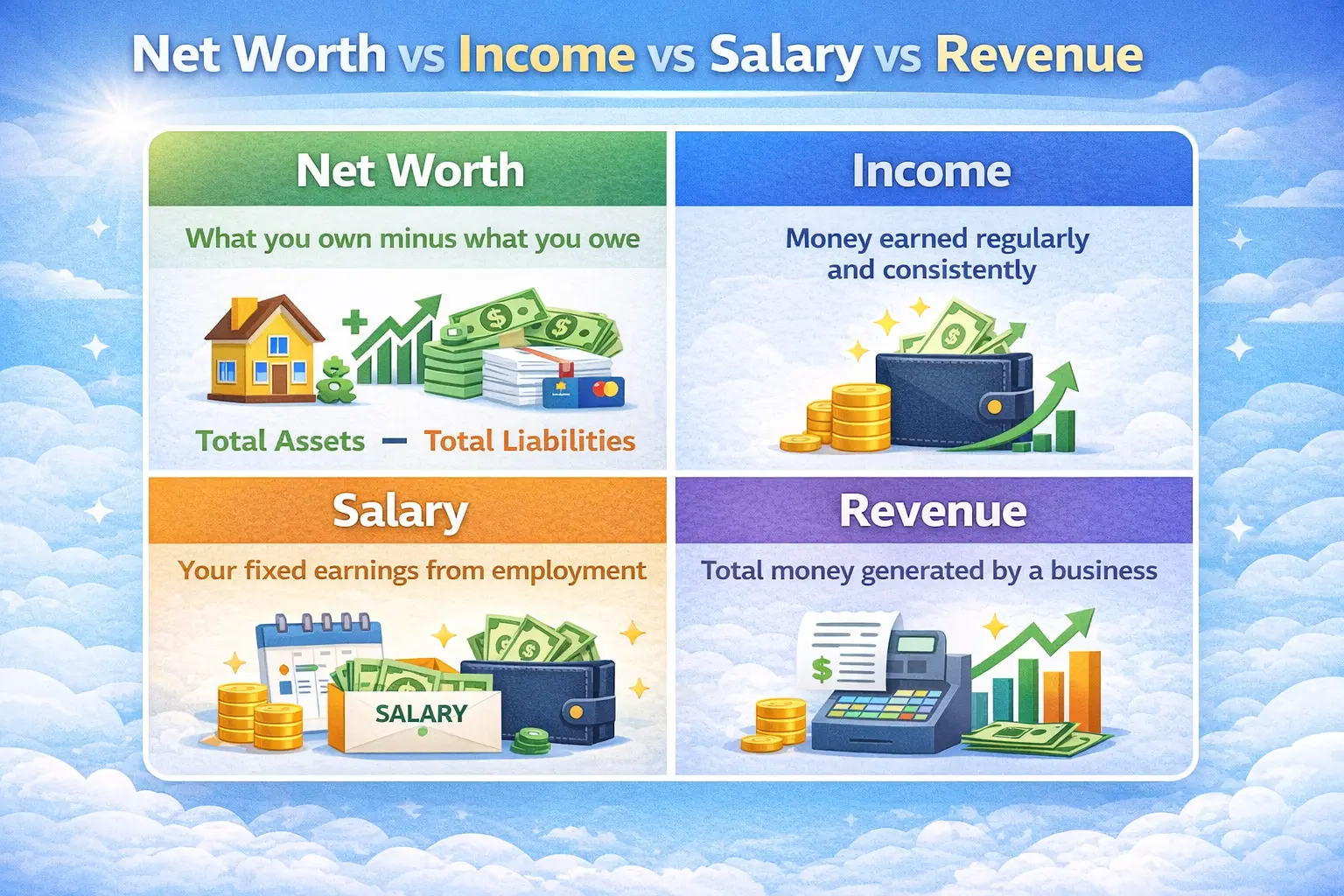
Organizational sales volume refers to the total dollar amount of products sold by all distributors within a leader's downline organization. Personal net worth represents the leader's actual personal assets minus liabilities. Top leaders receive a percentage override on team volume, from which taxes, business overhead, and living expenses must be deducted before net asset accumulation occurs.
How do top direct sales earners preserve their net worth over time?
Top earners preserve wealth by diversifying their residual earnings into non-correlated traditional assets. This typically includes purchasing commercial and residential real estate, investing in public equity markets, utilizing tax-advantaged business structures, and placing assets into long-term family trusts.
Final Practical Takeaway and Next Actions
Evaluating the net worth of a private business leader like Bill Bridgforth requires separating internet speculation from structural financial realities. While Bridgforth’s multi-decade career with NSA / The Juice Plus+ Company generated tens of millions in cumulative commissions, long-term wealth stability depends far more on capital allocation and asset preservation than on gross earnings alone.
For entrepreneurs and investors looking to apply these financial principles to their own financial planning:
- Focus on Systematized Cash Flow: Build or invest in business models that yield recurring, subscription-based, or residual income streams rather than rely solely on one-off transactions.
- Implement an Immediate Reinvestment Strategy: Systematically sweep a fixed percentage of high-earning business income into liquid index funds, real estate, or inflation-hedged assets to protect against industry volatility.
- Consult Professional Tax and Estate Counsel: Work with certified financial planners (CFPs) and estate attorneys to set up appropriate legal entities (such as LLCs, S-Corps, and trusts) that preserve wealth across economic cycles.
Image Gallery