Do You Need Auto Insurance for a 50cc Scooter?
In most jurisdictions, you are legally required to carry auto or motorcycle insurance for a 50cc scooter if you intend to operate it on public roads. While specific mandates vary by state and country, insurance serves as proof of finan...
In most jurisdictions, you are legally required to carry auto or motorcycle insurance for a 50cc scooter if you intend to operate it on public roads. While specific mandates vary by state and country, insurance serves as proof of financial responsibility, covering potential bodily injury or property damage you may cause to others while riding.
Contents
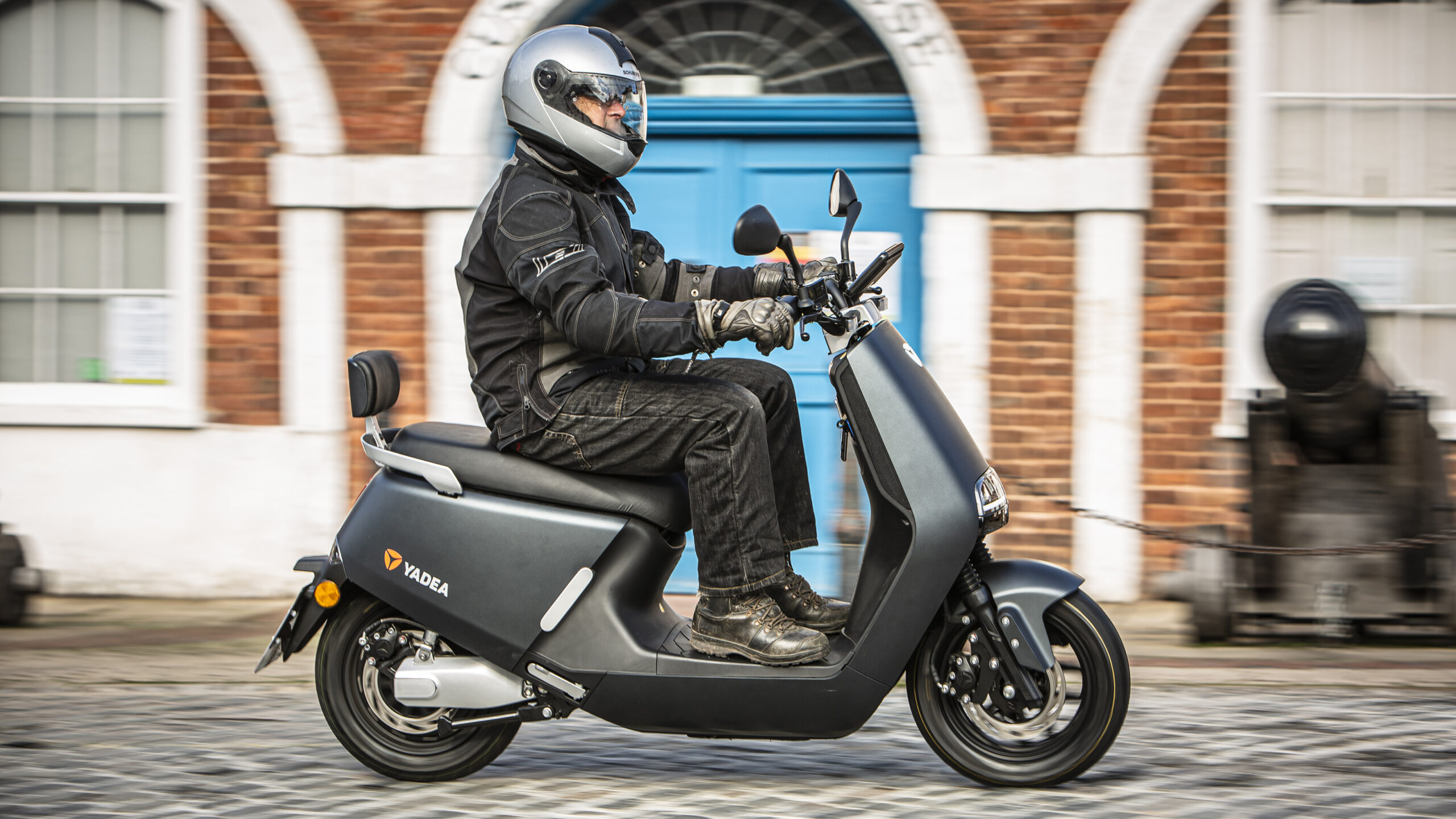
As we navigate the urban transportation landscape of 2026, the 50cc scooter remains one of the most efficient and popular modes of transit for students, short-distance commuters, and delivery professionals. However, a common misconception persists that because these vehicles have small engines and limited top speeds, they are exempt from the standard rules of the road. Understanding the intersection of engine displacement, vehicle classification, and insurance law is essential for any rider looking to stay compliant and protected.
Understanding the Legal Classification of 50cc Scooters
To determine if you need insurance, you must first understand how your vehicle is classified. In the United States and many other regions, the "50cc" threshold is a critical legal dividing line. Most scooters marketed as 50cc actually have an engine displacement of approximately 49.5cc to 49.9cc. This is intentional, as many older statutes drew a hard line at 50cc.
Moped vs. Scooter vs. Motorcycle
Regulators typically categorize two-wheeled motorized vehicles into three tiers:
- Mopeds: Generally defined as having an engine smaller than 50cc, a maximum speed of 30 mph, and (historically) pedals.
- Motor-Driven Cycles/Scooters: Vehicles with engines under 150cc but larger than a bicycle's auxiliary motor.
- Motorcycles: Any two-wheeled vehicle with an engine larger than 150cc.
In 2026, most states have updated their definitions to focus on speed and power rather than just pedals. If your 50cc scooter can exceed 30 mph on level ground, many departments of motor vehicles (DMV) will classify it as a motorcycle, which almost universally requires insurance. Even if it is strictly classified as a moped, the majority of states still require liability coverage to obtain a valid registration sticker.
State-Level Insurance Mandates
Insurance requirements for 50cc scooters are not federally regulated; they are determined at the state level. This creates a patchwork of laws that can be confusing for riders who move across state lines.
States with Strict Requirements
The vast majority of states, including California, New York, Texas, and Illinois, require 50cc scooter riders to carry liability insurance. In these states, the scooter must be registered with the DMV, and you cannot complete that registration without providing proof of insurance. The minimum coverage limits are usually the same as those required for high-powered motorcycles.
States with Exceptions or "Financial Responsibility" Laws
A handful of states have historically offered exemptions for low-displacement vehicles. For example, in Florida, scooter riders over the age of 21 were once not strictly required to carry insurance, provided they could prove financial responsibility in the event of an accident. However, as of 2026, many of these loopholes have tightened due to the rise in scooter-related accidents in high-density urban areas.
Even in states where insurance is not "mandatory" for registration, you are still legally liable for any damage you cause. If you cause a multi-vehicle accident without insurance, you could face personal lawsuits, wage garnishment, and the permanent loss of your driving privileges.
Types of Insurance Coverage for 50cc Scooters
When shopping for a policy in 2026, you will encounter several different types of coverage. Selecting the right mix depends on the value of your scooter and your personal risk tolerance.
Liability Insurance (The Legal Minimum)
Liability coverage is the core of any scooter policy. It consists of two parts:
- Bodily Injury Liability: Pays for the medical bills and rehabilitation of other people if you are at fault in an accident.
- Property Damage Liability: Pays for repairs to other vehicles, fences, or structures you might hit.
Collision and Comprehensive Coverage
Because 50cc scooters are relatively inexpensive (often ranging from $1,500 to $4,000 new), many riders skip collision and comprehensive insurance. However, scooters are high-theft items.
- Collision: Covers repairs to your scooter if you hit another object or vehicle.
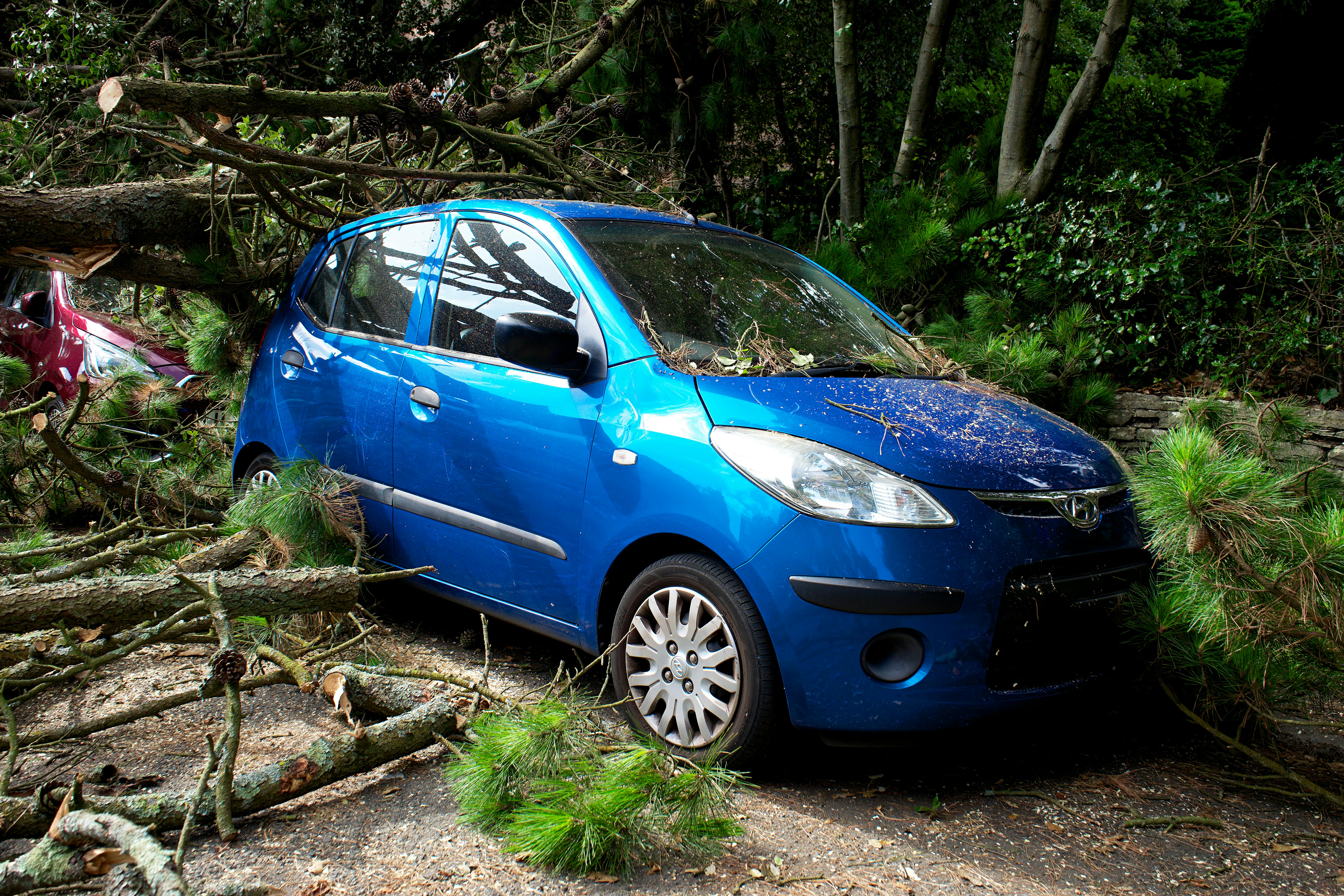
- Comprehensive: Protects you against non-collision events, such as theft, fire, vandalism, or storm damage. Given how easily a 50cc scooter can be lifted into the back of a truck, comprehensive coverage is often a wise investment.
Uninsured/Underinsured Motorist (UM/UIM)
This is perhaps the most important coverage for a scooter rider. Because you are on a small vehicle, you are vulnerable to larger cars. If a driver hits you and flees the scene or does not have enough insurance to cover your medical bills, UM/UIM coverage will pay for your treatment and lost wages.
2026 Scooter Insurance Cost Comparison
Insurance for a 50cc scooter is significantly more affordable than car insurance. Below is a comparison of typical annual premiums based on 2026 market averages for a rider with a clean driving record.
| Coverage Type | Estimated Annual Premium (Low) | Estimated Annual Premium (High) | Best For |
|---|---|---|---|
| Liability Only | $75 | $150 | Budget-conscious riders meeting legal minimums. |
| Liability + Comprehensive | $120 | $225 | Riders in urban areas with high theft rates. |
| Full Coverage (Incl. Collision) | $200 | $450 | Owners of high-end brands like Vespa or Honda. |
| Medical Payments Add-on | $30 | $100 | Riders without robust health insurance. |
Factors That Influence Your Premium
While 50cc insurance is generally cheap, several variables can cause your rates to fluctuate:
- Rider Age and Experience: Teenagers and young adults (under 25) often pay higher premiums because statistics show they are higher-risk riders. Conversely, older riders with a motorcycle safety course certificate often receive discounts.
- Geographic Location: If you live in a high-traffic city like Miami or New York City, your liability risks are higher, and your premium will reflect that. Rural riders usually enjoy the lowest rates.
- Storage and Security: Insurance companies in 2026 frequently ask if the scooter is stored in a locked garage or if it utilizes a GPS tracking device. Anti-theft measures can lead to a 5-10% discount on comprehensive coverage.
- Driving Record: Even though you are riding a small scooter, your history in a passenger car matters. Speeding tickets or DUIs on your standard driver's license will increase your scooter insurance costs.
Common Mistakes When Insuring a 50cc Scooter
Riders often fall into traps that leave them underinsured or in legal trouble. Avoid these common pitfalls:
- Assuming Homeowners Insurance Covers It: Most homeowners or renters insurance policies specifically exclude motorized vehicles used on public roads. If your scooter is stolen from your driveway, your home insurance likely won't pay a dime unless you have a specific "scheduled property" rider.
- Neglecting the "Passenger" Factor: Many 50cc scooters are designed for a single rider. If you carry a passenger and have an accident, your liability insurance might deny the claim if the vehicle is not rated for two people.
- Forgetting to Update the DMV: If you cancel your insurance, the insurance company is legally required to notify the DMV. This can trigger an automatic suspension of your scooter's registration and your driver's license.
Prerequisites for Obtaining Insurance
Before you call an agent or use an online quote tool, ensure you have the following documentation ready:
- Vehicle Identification Number (VIN): Located on the frame or the steering column.
- Bill of Sale or Title: Proof of ownership and the exact make/model.
- Driver's License: Most states require a standard Class C license for 50cc, though some require a "Motorcycle Endorsement" (Class M).
- Odometer Reading: Current mileage on the scooter.
Frequently Asked Questions
Do I need a motorcycle license for a 50cc scooter?
In most states, a standard automobile driver's license is sufficient for a vehicle under 50cc that does not exceed 30 mph. However, some states, such as Georgia and Virginia, require a specific moped permit or a motorcycle endorsement if the rider is under a certain age or if the vehicle exceeds specific power outputs. Always check your local DMV for the current 2026 requirements.
Can I add my scooter to my existing auto insurance policy?
Usually, no. Most major carriers require a separate "Motorcycle" or "Powersports" policy for scooters. While you can often bundle these policies with the same company to receive a discount, they are governed by different terms and conditions than a standard auto policy.
Is insurance required if I only ride on private property?
If you strictly operate the scooter on private land—such as a large farm or a private gated estate—you generally do not need insurance or registration. However, the moment any tire touches a public road, including crossing a street to get to another piece of property, you fall under the jurisdiction of state traffic laws.
Does 50cc insurance cover my gear?
Standard liability policies do not cover your helmet, jacket, or gloves. However, many specialized scooter policies in 2026 offer "Optional Equipment" coverage. This add-on can reimburse you for the cost of expensive safety gear if it is damaged in a covered accident.
What happens if I am caught riding without insurance?
The penalties are often identical to those for driving an uninsured car. You may face significant fines (often $500 or more), the impoundment of your scooter, and the requirement to file an SR-22 form, which proves high-risk insurance coverage for several years and significantly increases your future premiums.
Final Recommendation
If you own or are planning to purchase a 50cc scooter in 2026, obtaining at least a basic liability insurance policy is highly recommended, regardless of whether your specific state mandates it for registration. The low annual cost—often less than the price of a few tanks of gas—is a small price to pay for the legal and financial protection it provides.
Before your first ride, contact your current auto insurance provider to see if they offer a bundling discount for a scooter policy. If they don't, shop around with specialized motorcycle insurers who understand the unique risks and values associated with small-displacement scooters.
Image Gallery